Key takeaways
- Floor condition is a primary factor in the success of any commercial robot deployment, directly impacting navigation, efficiency, and mechanical wear.
- Common issues like high thresholds, uneven floor joints, steep ramps, and highly reflective surfaces can cause navigation failures and downtime.
- Most commercial robots struggle with thresholds higher than 0.75 inches, and even small bumps can cause issues for sensitive navigation systems.
- A professional site assessment is the most effective way to identify and remediate potential flooring issues before you invest in an automation fleet.
- Partnering with a vendor-neutral integrator ensures the selected robots are matched to your specific floor types and operational needs.
The Ground Truth About Robot Performance
The performance of any autonomous mobile robot, whether it's an industrial floor scrubber or a hospital delivery unit, depends entirely on the ground beneath its wheels. While facility managers focus on software and capabilities, the literal foundation of a successful deployment is the floor itself. An unsuitable surface can lead to failed tasks, premature hardware failure, and a frustrating return on investment.
A floor that seems perfectly fine for human traffic can be a minefield for a robot. Autonomous navigation systems rely on predictable surfaces to function correctly. Issues like high thresholds, uneven concrete joints, steep ramps, or even the reflectivity of a floor finish can disrupt a robot's sensors, causing it to get stuck, lose its position, or stop altogether.
This guide provides a framework for assessing your own facility's 'robot readiness.' By understanding the most common flooring challenges, you can identify potential problems and ensure your building is prepared for a smooth and effective automation program. The goal is to eliminate physical friction points so your robot fleet can operate at peak efficiency.
Why Do Minor Floor Imperfections Matter So Much?
Robots perceive the world through sensors, and their odometry systems count wheel rotations to help track movement and location. When a floor is uneven, cracked, or bumpy, it introduces errors into this system.
A jolt from a wide expansion joint or a curled concrete slab can cause a robot's chassis to pitch and roll. This slight movement can shift the angle of its LiDAR sensors, making the robot misinterpret its location or see a 'ghost' obstacle that isn't there. This leads to unnecessary pauses, inefficient re-routing, or calls for human intervention.
Furthermore, these constant vibrations and impacts accelerate the wear and tear on a robot's wheels, bearings, and sensitive electronic components. What is a minor annoyance for a pallet jack can be a major maintenance driver for an AMR fleet, increasing operational costs over the unit's lifecycle.
How High is Too High for a Threshold?

Transitions between rooms, at elevator doors, and between different flooring materials are the most common failure points. While consumer-grade robot vacuums can often handle thresholds up to about 0.8 inches (or 20 mm), commercial units have varying capabilities. A general rule of thumb is that any threshold over ⅝ to ¾ of an inch (1.6 to 1.9 cm) requires careful evaluation.
The shape of the threshold matters as much as the height. A beveled or ramped transition is far easier for a robot to navigate than a squared-off, vertical edge. Even a low threshold with a sharp angle can cause smaller wheels to get stuck or larger robots to lose traction.
During a site assessment, every transition on a robot's potential path must be measured. This includes entryways to different departments, pads for equipment, and the crucial floor-to-elevator-car gap. A simple rubber or aluminum ramp can often solve these issues, providing a smooth incline for reliable passage.
Are Your Concrete Joints an Obstacle Course?
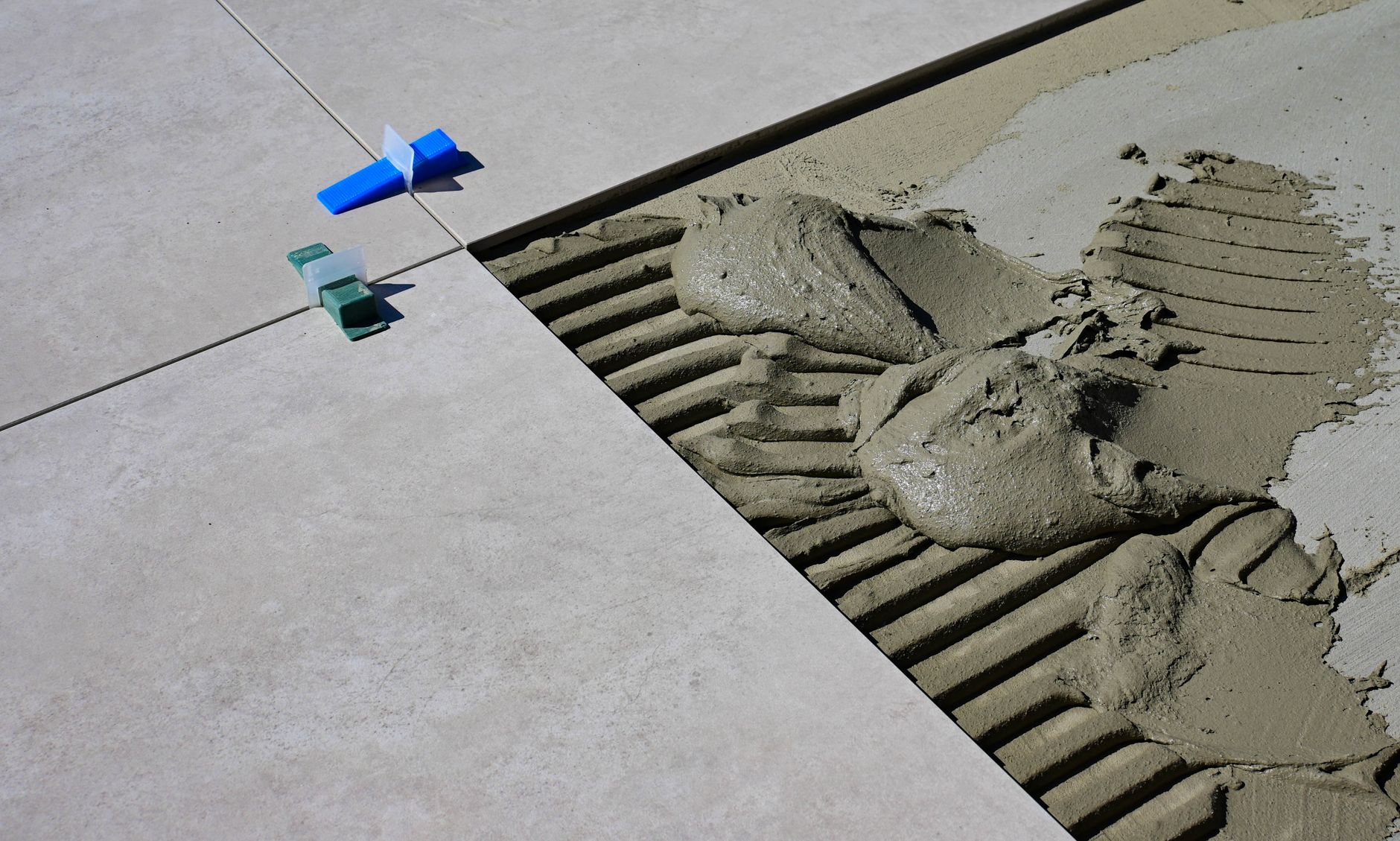
In warehouses, distribution centers, and manufacturing plants, concrete floors are the standard. They are also a frequent source of trouble for robots. Over time, the control joints cut into the slab to manage cracking can widen, chip, and become uneven.
An AMR's small, hard wheels can get caught in these joints, but the bigger problem is navigational disruption. A robot's sensors may interpret a wide, dark joint as an impassable cliff or obstacle, causing it to stop. The repeated jarring from rolling over damaged joints can, as mentioned, degrade sensitive components.
Cracked, pitted, or spalled concrete presents a similar challenge. These surface imperfections create a rough ride that compromises sensor stability and can lead to navigation errors. Before deploying a robot fleet, these areas often need to be repaired with specialized fillers to create a smooth, continuous surface.
Could Steep Ramps Drain Your Robot's Potential?
Ramps are another critical factor. While a ramp may be compliant with the Americans with Disabilities Act (ADA), it might still be too steep for a fully loaded material handling robot or a floor scrubber carrying gallons of water.
A steep incline forces a robot's motors to work harder, draining the battery significantly faster and reducing its operational time between charges. For cleaning robots, there is also a risk of losing traction on a wet, inclined surface during a scrubbing cycle, which can cause the robot to slip or stop.
The manufacturer of any given robot will specify its 'gradeability,' which is the maximum incline it can safely and effectively handle. This specification must be cross-referenced with every ramp in your facility that the robot will be expected to traverse.
Which Floor Materials Help or Hinder Robots?
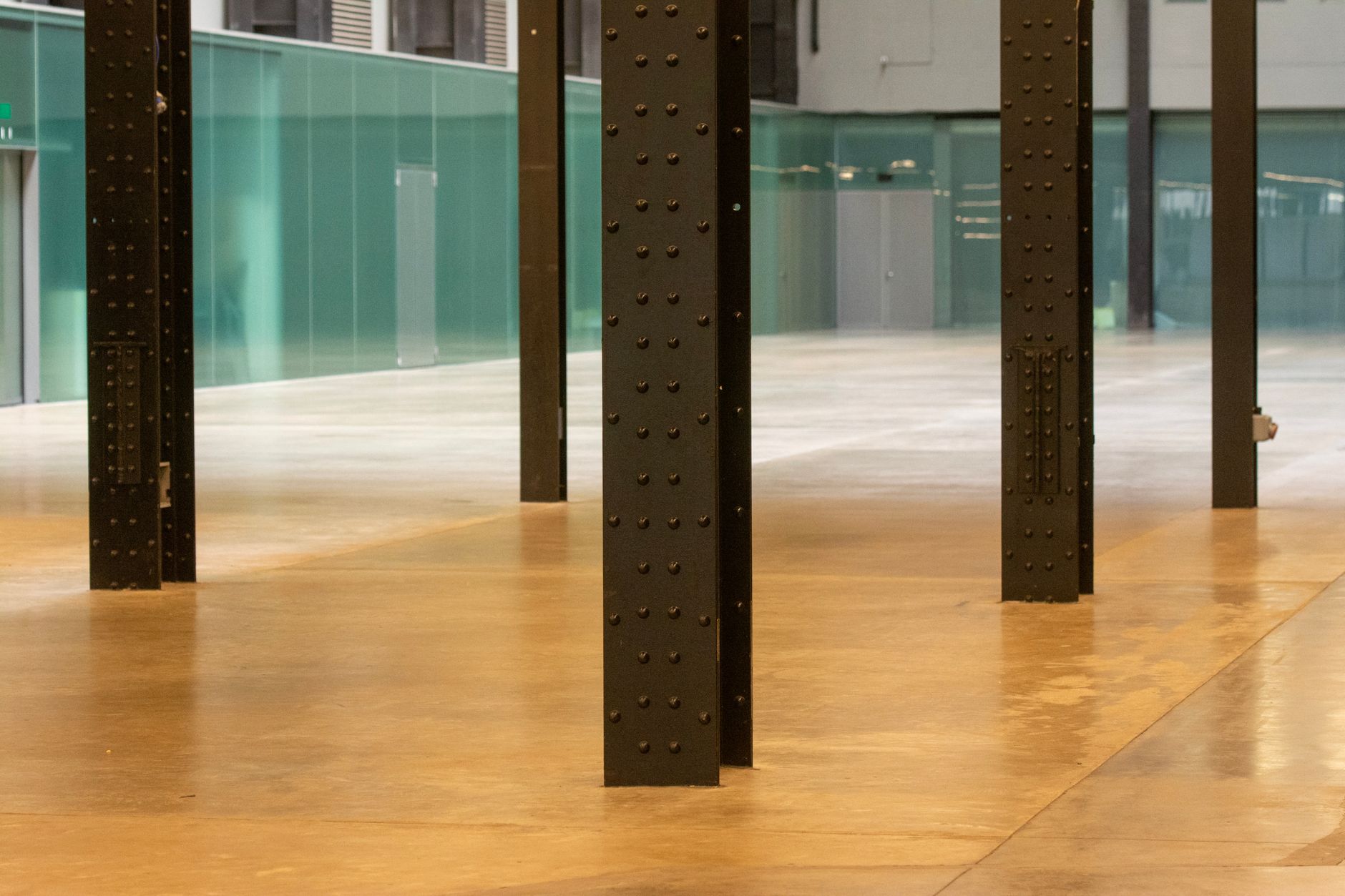
The material and finish of your floor play a direct role in a robot's navigational success. Different sensors interact with surfaces in unique ways.
Ideal surfaces for most robots include:
• Polished Concrete: Provides a smooth and durable path.
• Vinyl Composition Tile (VCT): Common in commercial spaces and generally robot-friendly.
• Luxury Vinyl Tile (LVT): Offers a consistent and smooth surface.
Challenging surfaces can cause significant problems:
• Highly Reflective or Shiny Floors: Glossy finishes can interfere with laser-based navigation systems, causing the robot to become disoriented.
• Very Dark or Black Floors: Some sensors struggle to read dark surfaces, misinterpreting them as a drop-off.
• Thick, High-Pile Carpet: Creates significant drag, which can impede movement and drain batteries quickly.
• Porous or Deep-Grout Tile: The uneven surface can cause vibrations that disrupt sensors and lead to inefficient cleaning patterns.
How a Site Assessment Prevents Floor Failures
You don't have to become a flooring expert to deploy robots. The most effective way to guarantee success is through a professional site assessment. As a full-service commercial robot integrator, Service Robot Co. begins every engagement by mapping and analyzing your facility's environment.
Our engineers walk every route the robots will take. We measure thresholds, assess ramp angles, inspect joint conditions, and test floor surfaces for things like coefficient of friction and reflectivity. This detailed analysis identifies every potential point of failure before a single unit is ordered.
This process is part of our turnkey robot deployment. By identifying challenges early, we can recommend simple fixes, such as installing a small ramp or filling a few floor joints. This ensures that when your robot fleet goes live, it operates flawlessly from day one. This foundational work is key to avoiding the downtime and frustration that come from a mismatch between robot and environment.
One Partner for Every Surface and Task
Many large facilities have multiple flooring types. A warehouse may have concrete, while the attached office space has carpet, and the entryway has tile. This often means different types of robots are needed for different areas. Managing multiple vendors for different machines can quickly become complicated.
This is where a vendor-neutral integrator provides tremendous value. At Service Robot Co., we are not tied to a single manufacturer. We select the best autonomous floor scrubber for your concrete aisles and the ideal delivery robot for your carpeted hallways. We find the robot that fits your floor, not the other way around.
You get a fleet composed of the best possible units for each job, all deployed, serviced, and managed through one partner. When a unit needs maintenance or a route needs updating, you have one number to call. This simplifies operations and ensures you get the maximum benefit from your entire automation investment, regardless of the surface.