Key takeaways
- Automotive stayed the largest US robot customer in 2025 with 13,500 installations, down 1%.
- The final US total grew 12 percent, and IFR credits growth in food and other non auto sectors.
- Food and beverage installations rose about 30 percent to roughly 2,900 units in 2025.
- A flat auto headline does not describe your floor, your shifts or your task mix.
- Benchmark by sub sector and task before reading any sector trend as a verdict on your business.
Is automotive still the largest US robot customer?
Yes. According to IFR, automotive remained the largest US customer for industrial robots in 2025, with 13,500 installations, down 1% from the prior year. A dip that small reads as a plateau, not a retreat.
The whole market is bigger than that one line. IFR's June 2026 release put US installs at about 38,000, up 11%. Its final World Robotics 2026 count is 38,400 industrial robots in 2025, up 12%. The June figure was preliminary, so plan from the final number. By our arithmetic, automotive's 13,500 is a little over a third of that total.
Holding the top slot while the market grows 12 percent means the rest of the market is carrying the expansion.
Why a flat auto line can sit beside faster growth
A customer that holds steady while total installs climb is telling you where the new work went. IFR credits strong growth in food and other non automotive sectors for the US recovery. Auto did not collapse. Other sectors grew faster, and that is the part most relevant to you.
Size and direction are separate questions. Metal and machinery was the second largest customer, at about 3,000 installations, yet it fell 15 percent in 2025. Food and beverage, at about 2,900 installations, rose 30 percent and led the sectors in growth. A sector can be large and shrinking, or smaller and climbing.
For a non auto operator, the lesson is narrow. The auto headline describes automotive buyers. It does not tell you what your receiving dock, packing line or night floor needs.
What the 30 percent food and beverage jump shows
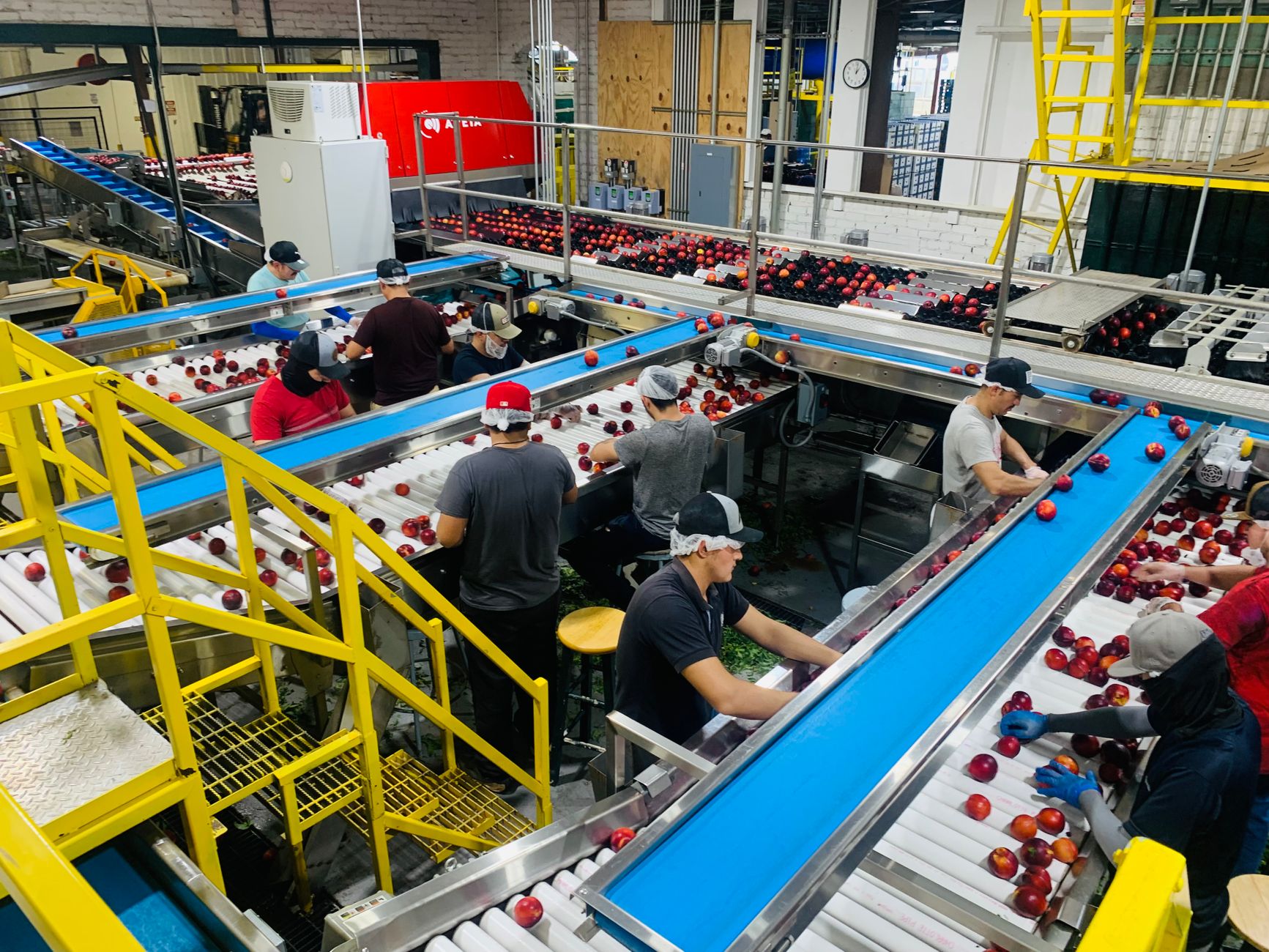
According to IFR, food and beverage installations reached about 2,900 in 2025, up 30 percent. Manufacturing Digital reported the figure as vendor reported data from IFR. It counts robot installs in one category, not how many plants will add robots next year.
What the jump does show is direction. Food was the fastest growing sector in the figures we checked, and that growth came in a year when total US installs rose 12 percent. Peers in food are investing, which matters when you size your own plan.
The number does not say which tasks drove it. Food plants carry their own constraints around sanitation, washdown and product contact, and those shape which robots fit. Test the work before assuming the trend applies to your line.
Where logistics and general manufacturing stand
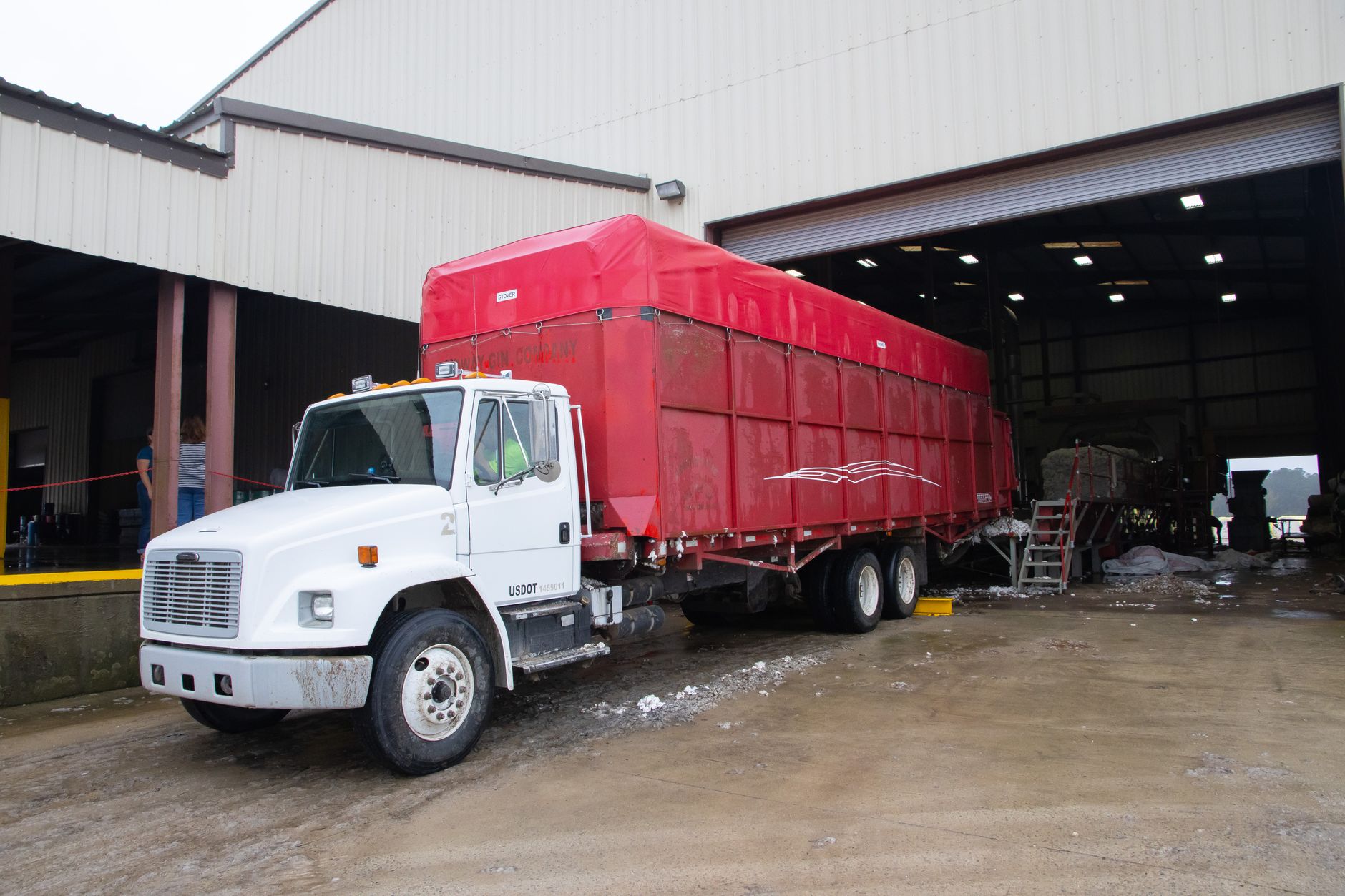
Trade coverage headlined that food and logistics pushed US robot automation past Japan. The coverage we checked gives no separate US logistics install count, so this article does not state one. The full IFR report is the place to look for that breakdown.
General manufacturing has no clean IFR line of its own in what we checked. The closest category, metal and machinery, fell 15 percent to about 3,000 installations. A general plant should not treat that as a verdict on its own work. A plant running different products or tasks can grow while its category shrinks.
IFR reports 307 industrial robots per 10,000 manufacturing employees in the US, eighth globally, as vendor reported in its World Robotics 2026 coverage. That density describes the whole country, not your floor. Most US robots are imported from Japan and Europe, so ask any integrator where spare parts and service engineers come from.
How to read the shift without writing off your sector
Start with your own work. Count the shifts, tasks and walking hours you already pay for, and note where the gaps fall. A sector headline cannot tell you whether an empty overnight shift costs more than a lease would.
Then benchmark against peers in your own sub sector, not the national total. Ask what kind of robot they run and for which job. IFR data is good for direction and poor as a target.
Finally, test before you expand. A single zone pilot with written go or no go criteria will teach you more than any percentage. Track idle time, staff touches and missed passes, and let those decide the next step.
How Service Robot Co. fits a non auto site
Service Robot Co. is a full service commercial robot integrator for US businesses. We are OEM neutral: we pick the right robots across manufacturers for the task, then finance, deploy, integrate, train and service every unit through a nationwide US engineer network. One partner, one number, one vendor for the whole lifecycle.
Our customers get commercial robot leasing on a three year lease, with one fixed lease payment quoted after a site assessment. A site can start with one leased unit, measure it, then decide on more. That path suits a non auto operator who wants proof on its own floor before committing a larger budget.
Frequently asked questions
Want a robot working for you?
Tell us the job and the site. We will recommend the robot, quote the lease, and keep it serviced.