Key takeaways
- LiDAR is the established standard, offering high precision and reliability in varied lighting.
- Vision-based SLAM (vSLAM) excels at adapting to dynamic environments but can be sensitive to poor light.
- Hybrid navigation merges LiDAR and vision, overcoming the individual weaknesses of each system.
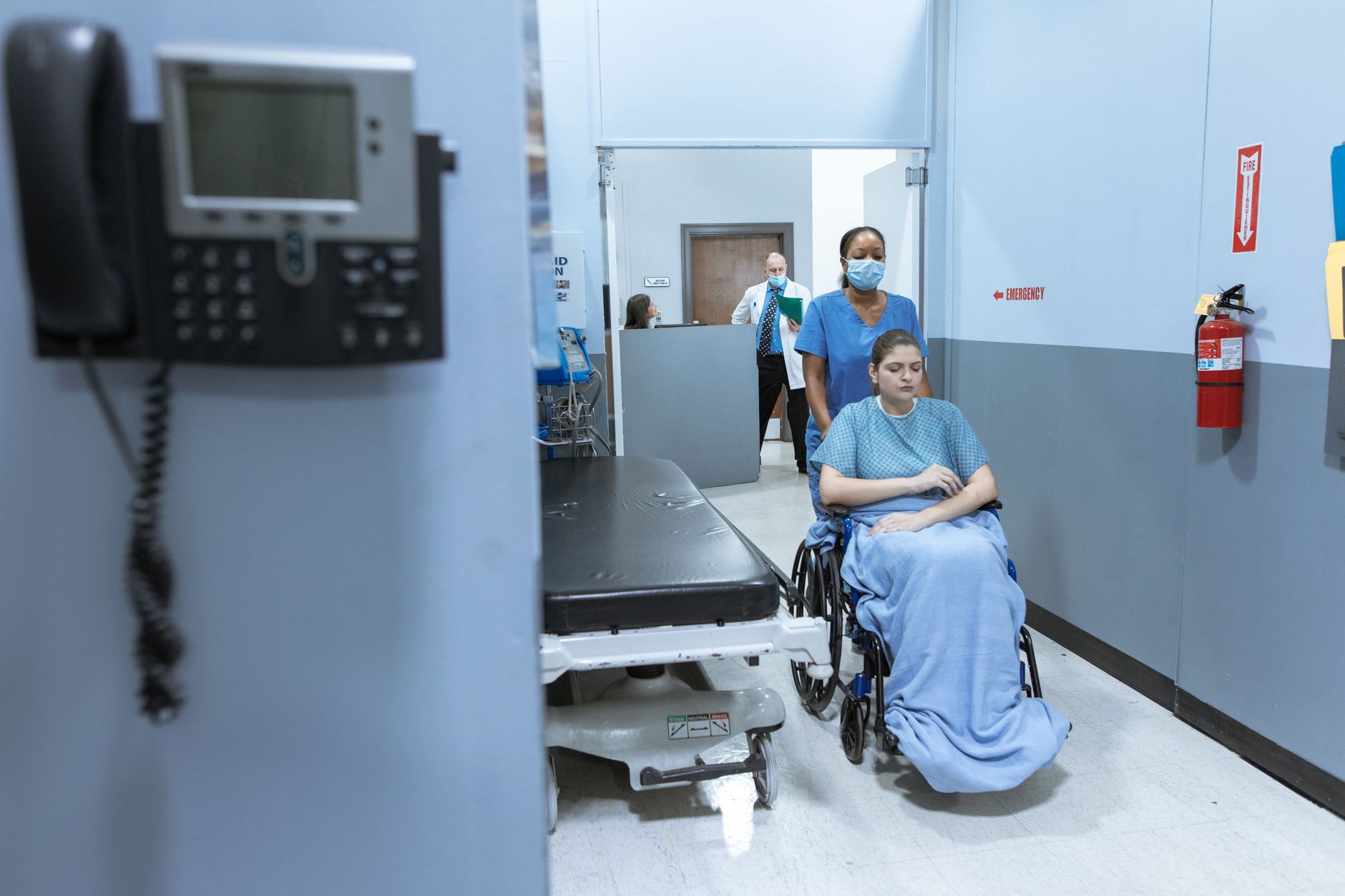
- The ideal navigation technology depends entirely on the specific operational environment, from warehouse floors to hospital hallways.
- An OEM-neutral integrator is critical for assessing a facility and selecting the robot with the right navigation technology for the job.
Why Isn't LiDAR Always the Answer for AMR Navigation?
Autonomous Mobile Robots (AMRs) need to know where they are and where they are going. For years, the default technology for this task has been LiDAR, or Light Detection and Ranging. It provides fast, accurate, and reliable navigation, which is why it became the industry benchmark.
By spinning a laser and measuring the time it takes for the light to return, a LiDAR-based robot builds a precise 2D or 3D map of its surroundings. This method is dependable in a wide range of lighting conditions, from bright daylight to complete darkness, making it a workhorse for many commercial robot applications. In fact, according to Persistence Market Research, laser-guided navigation holds a dominant 40% share of the market due to its precision and reliability in structured industrial environments.
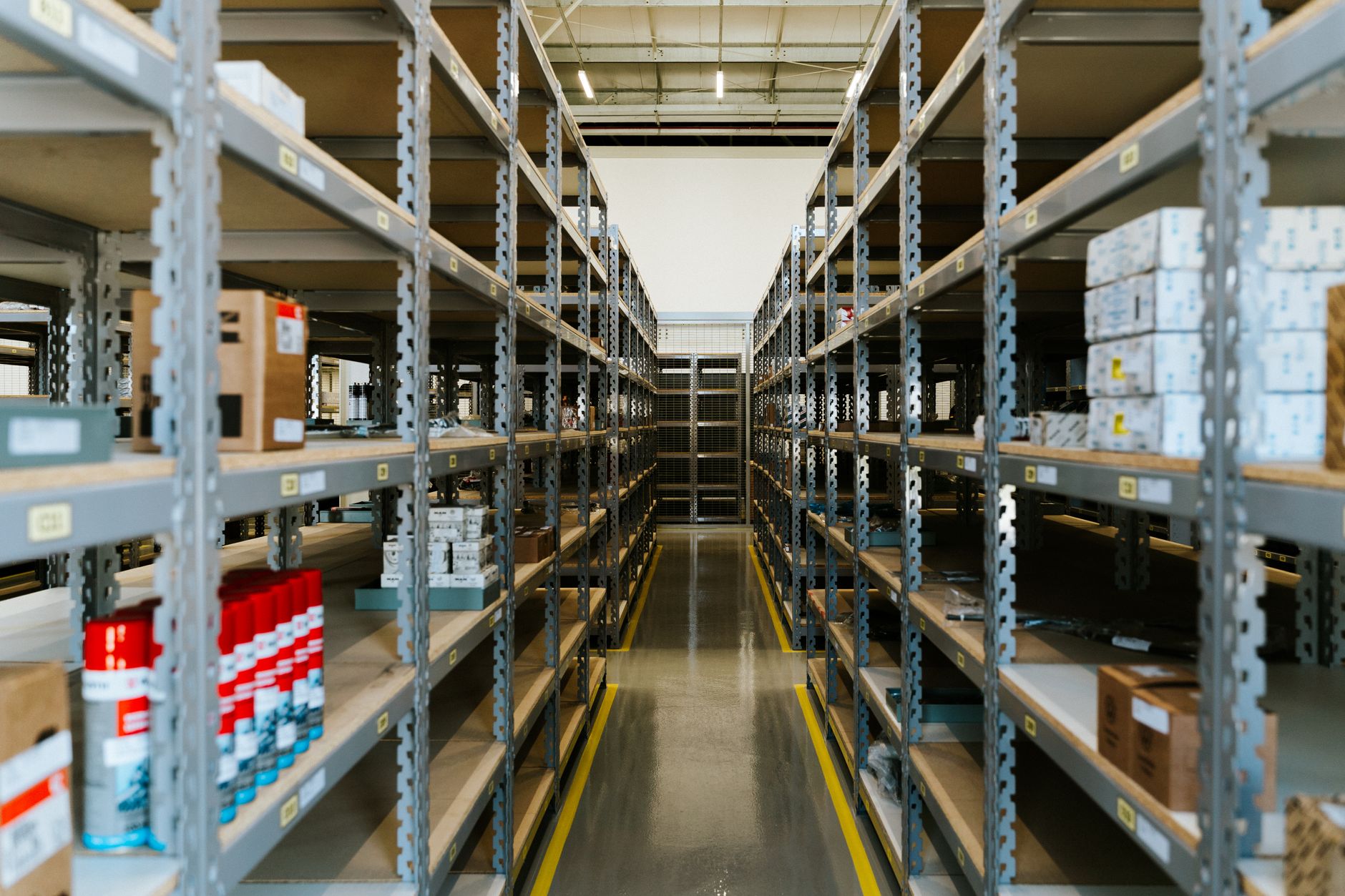
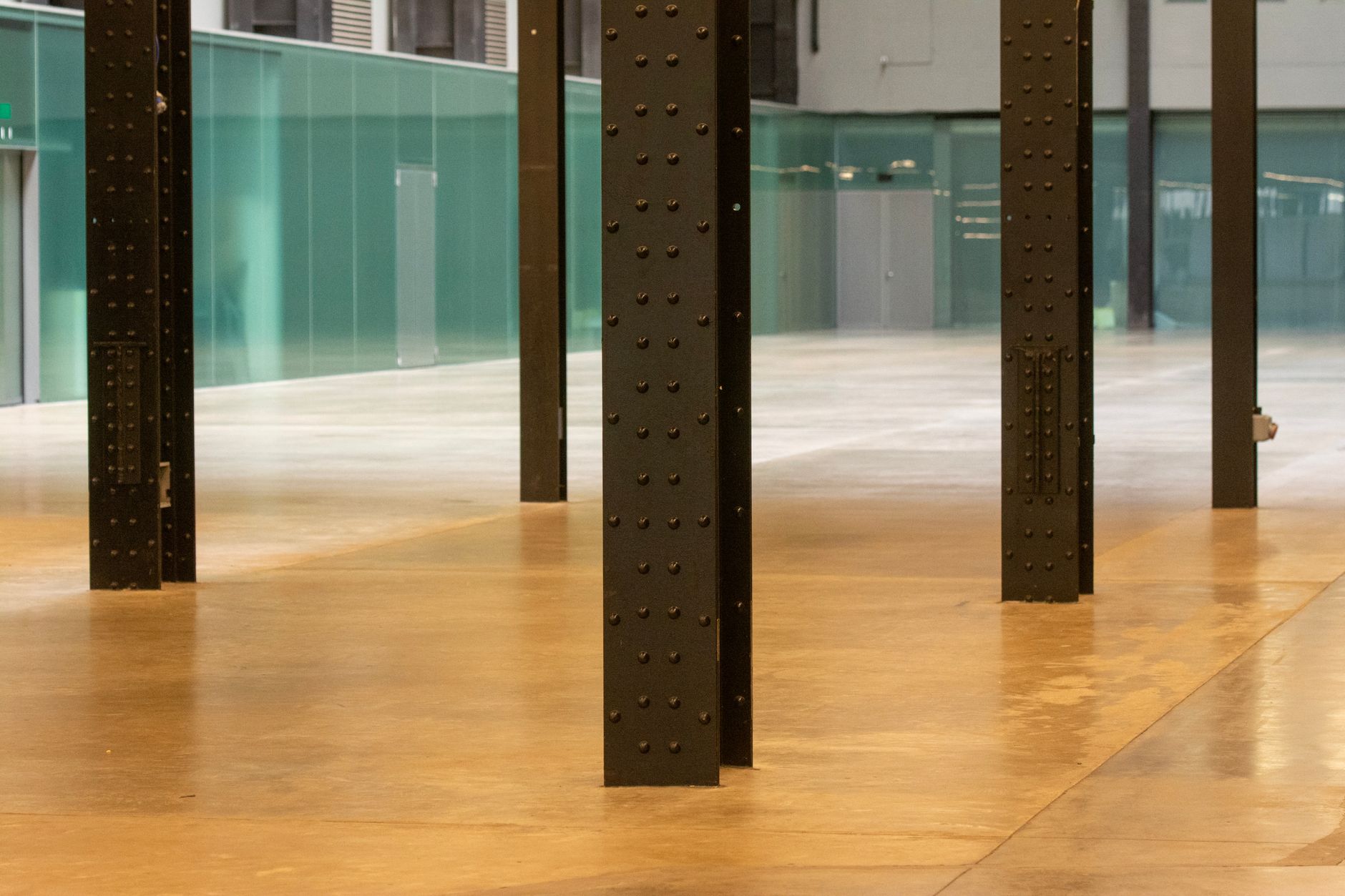
But operational reality is often messy. What happens in a facility with highly reflective surfaces like polished concrete or stainless steel? How does a robot navigate a warehouse where pallets and carts are constantly being moved? In these dynamic and complex environments, the limitations of relying only on LiDAR become apparent, opening the door for more advanced perception systems.
What is a Hybrid Navigation System?
A hybrid navigation system combines two or more technologies to create a more robust and reliable whole. Typically, this involves pairing the geometric accuracy of LiDAR with the rich contextual data from cameras (vSLAM), often supplemented by inertial measurement units (IMUs) to track motion.
This approach allows the robot to use the best tool for the current situation. LiDAR provides a stable, accurate base map of fixed structures, performing reliably regardless of lighting conditions. The cameras then add another layer of intelligence, identifying transient obstacles, reading barcodes, and navigating by features that LiDAR cannot see.
The result is a system that mitigates the weaknesses of each individual technology. The LiDAR prevents the robot from getting lost in poorly lit or featureless areas, while the vision system helps it navigate gracefully through cluttered and constantly changing spaces. This makes hybrid systems one of the most versatile options for complex, real-world applications.
How Does an Integrator Ensure the Right Fit?
The technical specifications on a brochure do not tell the whole story. The only way to know for sure which navigation technology will succeed is to evaluate it in the target environment. This is a critical role played by a vendor-neutral robot integrator.
At Service Robot Co., we are OEM-neutral. That means we are not tied to a single manufacturer or a single type of navigation. Our process begins with a free site assessment, where our engineers analyze your facility's layout, floor types, lighting conditions, and workflow patterns. This allows us to identify potential navigation challenges before a robot is ever deployed.
Based on that expert analysis, we recommend the specific AMRs whose navigation systems are best suited for your floors and your operational reality. As a full-service partner, we then handle every aspect of the project: financing, deployment and integration, staff training, and ongoing service through our nationwide engineer network. You get one partner and one number to call for the entire lifecycle of your automation program, ensuring the technology serves your business goals.
What Comes After a Successful Deployment?
Choosing the right navigation technology is the first step. Long-term success depends on managing your entire fleet, ensuring uptime, and adapting to changing needs. Whether you have one autonomous floor scrubber or a fleet of material handling robots, you need a plan for maintenance and support.
This is another area where a single-source partner simplifies automation. Service Robot Co. includes maintenance and on-site service in our robot-as-a-service plans. Our remote triage capabilities and on-site dispatch network across the US mean that if a unit has an issue, we resolve it quickly. We even offer a backup robot program to provide spare unit coverage and work toward a zero-downtime goal.
Ultimately, advanced navigation is just one piece of the puzzle. The true value comes from a turnkey robot deployment where the technology, financing, and lifecycle support are all aligned. This lets you focus on your operations, not on managing robots.