Key takeaways
- Standard cameras only capture visual data; advanced payloads see the invisible, such as heat, gas, and ultrasonic vibrations.
- Thermal cameras are crucial for predictive maintenance, identifying overheating electrical components and structural weak points.
- Environmental sensors allow robots to autonomously detect hazardous gas leaks or monitor overall air quality in sensitive areas.
- Acoustic and ultrasonic payloads can hear problems like compressed air leaks or internal equipment wear that are inaudible to humans.
- As a vendor-neutral integrator, Service Robot Co. equips robots with the specialized sensors your specific application requires.
What Payloads Are Available for Inspection Robots?
Modern inspection robots go far beyond simple visual checks with a standard camera. By equipping them with advanced sensors, or payloads, these machines can detect a much wider range of issues, from invisible gas leaks to the subtle hum of a failing bearing. The global inspection robot market is projected to reach USD 7.8 billion in 2026, driven by the need for more precise and remote data collection in industries from power generation to infrastructure maintenance.
These specialized payloads transform a mobile robot into a multi-talented diagnostic tool. Instead of just seeing what is broken, they can detect what is about to break. This shift from reactive to predictive maintenance is a primary driver for adopting advanced sensor technology.
Available payloads include thermal imagers for detecting heat anomalies, environmental sensors for air quality and gas detection, and acoustic imagers that can visualize sound. Other sophisticated options like ultrasonic probes are used for non-destructive testing, such as measuring the wall thickness of a pipe to track corrosion.
How Do Thermal Cameras Enhance Robotic Inspections?
Thermal imaging cameras give robots the ability to see heat. This capability is invaluable for identifying problems that are invisible to the naked eye, such as overheating electrical components, friction from failing machinery, or areas of heat loss and moisture intrusion in a building's structure.
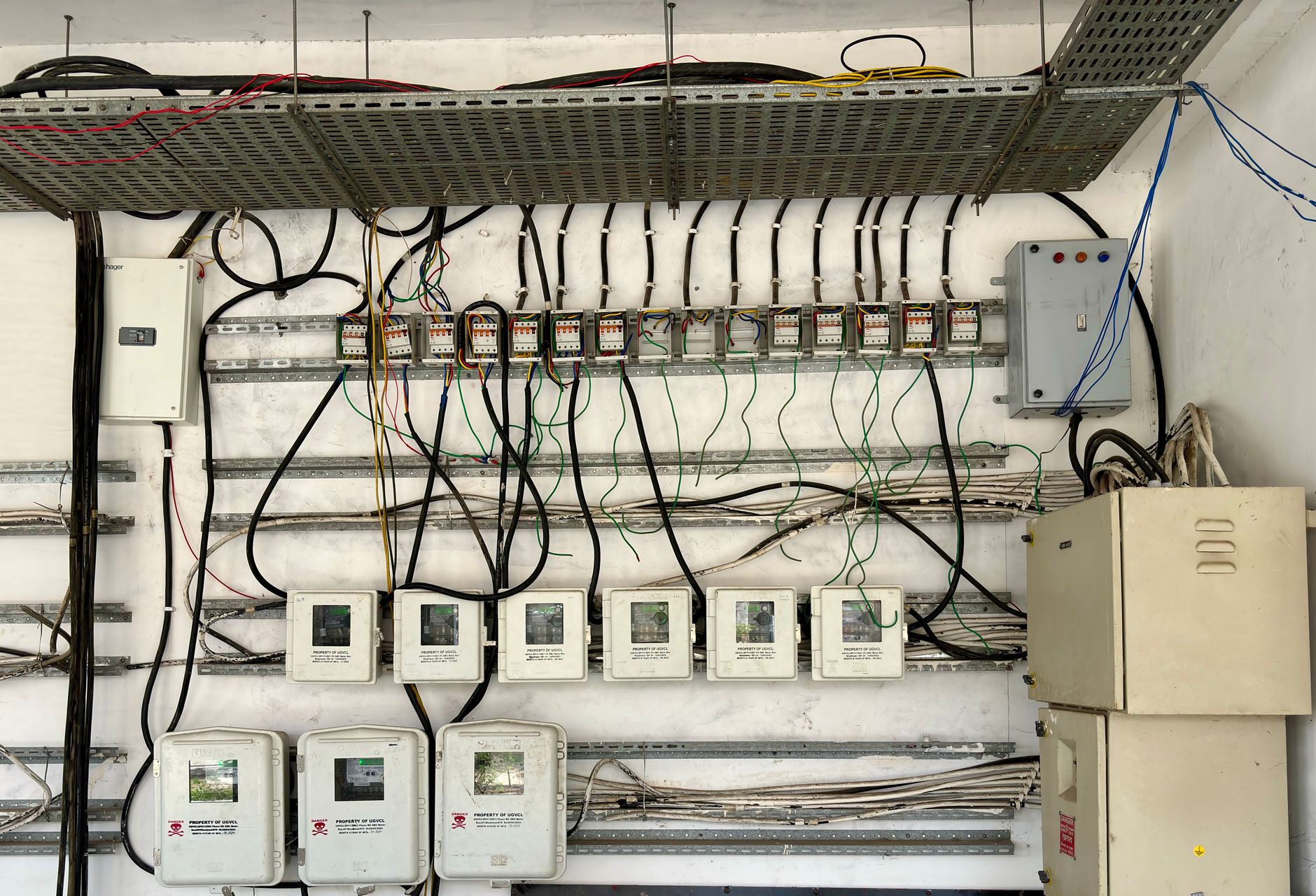
In an industrial setting, an autonomous mobile robot can patrol a facility and use a thermal camera to examine transformers, breakers, and bus bars. It can flag any equipment operating outside of a normal temperature range, providing an early warning of a potential failure long before it leads to downtime.
This technology allows for consistent and repeatable inspections without putting human inspectors in high-voltage areas or other hazardous environments. By detecting thermal defects early, companies can schedule maintenance proactively, improving safety and operational efficiency.
Can Robots Detect Gas Leaks and Air Quality Issues?
Yes, specialized environmental sensors enable robots to function as mobile air quality monitoring stations. Unlike fixed sensors, a robot can patrol large areas, enter confined spaces, or follow specific routes to measure pollutant concentrations, providing a more detailed map of atmospheric conditions.
Payloads can be configured with sensors for a wide variety of gases, including hydrocarbons, ammonia, and carbon monoxide. This is critical in the oil and gas industry, where a single undetected fugitive gas leak can be both a significant safety hazard and a major financial loss.
Some robots are even designed for long-term autonomous monitoring, using solar panels to recharge while continuously sampling the air. These mobile robotic systems provide an economical and flexible alternative to installing numerous stationary gas detectors across a large facility.
What is Acoustic Imaging for Robotic Inspection?
Acoustic imaging allows a robot to visualize sound. Payloads equipped with an array of dozens of sensitive microphones can pinpoint the exact source of a noise and display it as a heatmap overlaid on a standard video image.
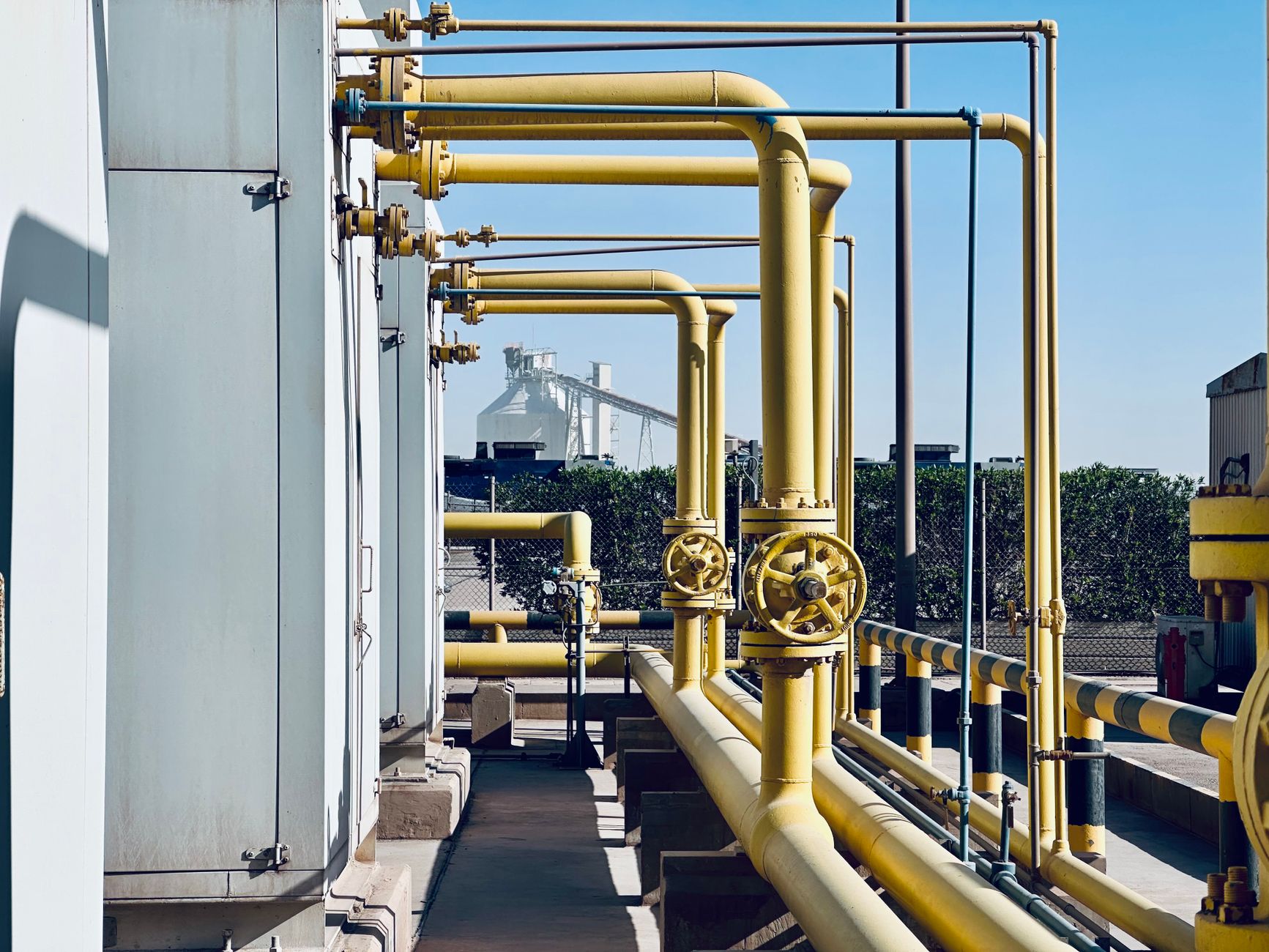
This technology is especially effective for detecting compressed air or gas leaks in noisy industrial environments. Many of these sounds occur at ultrasonic frequencies, well outside the range of human hearing. An autonomous robot can tirelessly scan extensive pipework, identifying leaks that represent a significant waste of energy.
Beyond leaks, acoustic sensors can also be used for predictive maintenance on rotating machinery. By analyzing the sound signature of motors, pumps, and gearboxes, the system can detect the earliest signs of bearing wear or other mechanical anomalies.
What Are Ultrasonic Payloads Used For?
Ultrasonic payloads are a form of non-destructive testing (NDT) that uses high-frequency sound waves to analyze a material's properties. A robotic crawler or arm equipped with an ultrasonic probe can systematically scan a surface to measure thickness or find hidden defects without damaging the asset.
A primary application is corrosion mapping on steel structures like storage tanks and pipelines. A robot can move a transducer across the entire surface, creating a detailed thickness map that provides nearly 100% coverage, a significant improvement over manual spot checks. This allows asset owners to track wall loss and make informed maintenance decisions.
In aerospace and manufacturing, robotic arms use ultrasonic testing to inspect composite components for internal defects like delamination or voids. The precision and repeatability of a robotic system ensure that these critical inspections are thorough and reliable.
How Do You Choose the Right Inspection Payload?
The right payload depends entirely on the problem you need to solve. There is no one-size-fits-all sensor. An effective inspection program often combines multiple techniques to get a complete picture of an asset's condition. A thermal camera is ideal for electrical faults, while an acoustic imager is needed for air leaks.
Payload capacity is another critical factor. The robot must be able to carry the combined weight of all necessary sensors in a single pass. The operating environment also matters. Some robotic platforms and sensors are specifically hardened for use in humid, dusty, or hazardous locations.
This is where an experienced integrator adds significant value. At Service Robot Co., we are OEM-neutral, meaning we are not tied to a single manufacturer. We start with your specific inspection need and select the best robotic platform and sensor payload from across the industry to meet it.
As a full-service partner, we handle the entire lifecycle. This includes financing, deployment, integration with your existing systems, training for your team, and ongoing service through our nationwide network of engineers. We provide one vendor and one number to call for the entire solution, from initial assessment to emergency response.