

Key takeaways
- Stock parts according to downtime risk and replenishment exposure, not purchase price or usage alone.
- Keep frequent, response-critical parts near robots and pool costly, slow-moving modules regionally.
- Set min-max levels for each part-location pair using demand, lead time, variability, and service commitments.
- Treat technician kits, transfers, defective returns, and repaired modules as visible inventory locations.
The network should balance proximity with pooling
A sound multi-site strategy puts high-failure, operations-critical parts close enough for the promised response time, while concentrating expensive long-lead items in regional pools. The goal is not to stock every component everywhere. It is to restore each robot within its service commitment using the least duplicated inventory.
Start with one controlled parts master, then assign a policy to every part-location pair. Routine consumables and common failure items usually belong at local facilities or in engineer kits. Costly modules with sporadic demand belong at regional hubs unless their absence would halt a critical operation for longer than the permitted outage.
Coordinate those positions as one network. A site stockroom, technician vehicle, regional depot, repair bench, and in-transit shipment must all appear in the same inventory picture. Otherwise, apparently missing stock gets reordered while usable parts sit unnoticed elsewhere.
Which parts deserve the closest position?
Rank each part on four dimensions: failure frequency, operational consequence, replenishment lead time, and substitution options. Price matters, but a low-cost fuse that stops a fleet can deserve tighter control than a costly cosmetic panel.
NIST's Criticality Analysis Process Model supports prioritizing components by their importance to organizational goals and the impact of their loss. GAO likewise documented the weakness of a uniform demand rule that once treated a 10-cent screw like a 500,000-dollar engine. In that case, a revised policy reduced the qualifying demand threshold for mission-critical items from nine annual requests to three.
Use the resulting classes to decide the response posture.
- Critical and frequent: hold locally and include in field kits when safe and practical.
- Critical and intermittent: place one nearby or establish a tested regional emergency-transfer path.
- Noncritical and frequent: replenish locally through ordinary min-max controls.
- Noncritical, costly, and rare: pool centrally or regionally and order only against a defined trigger.
How do you find commonality across different OEMs?
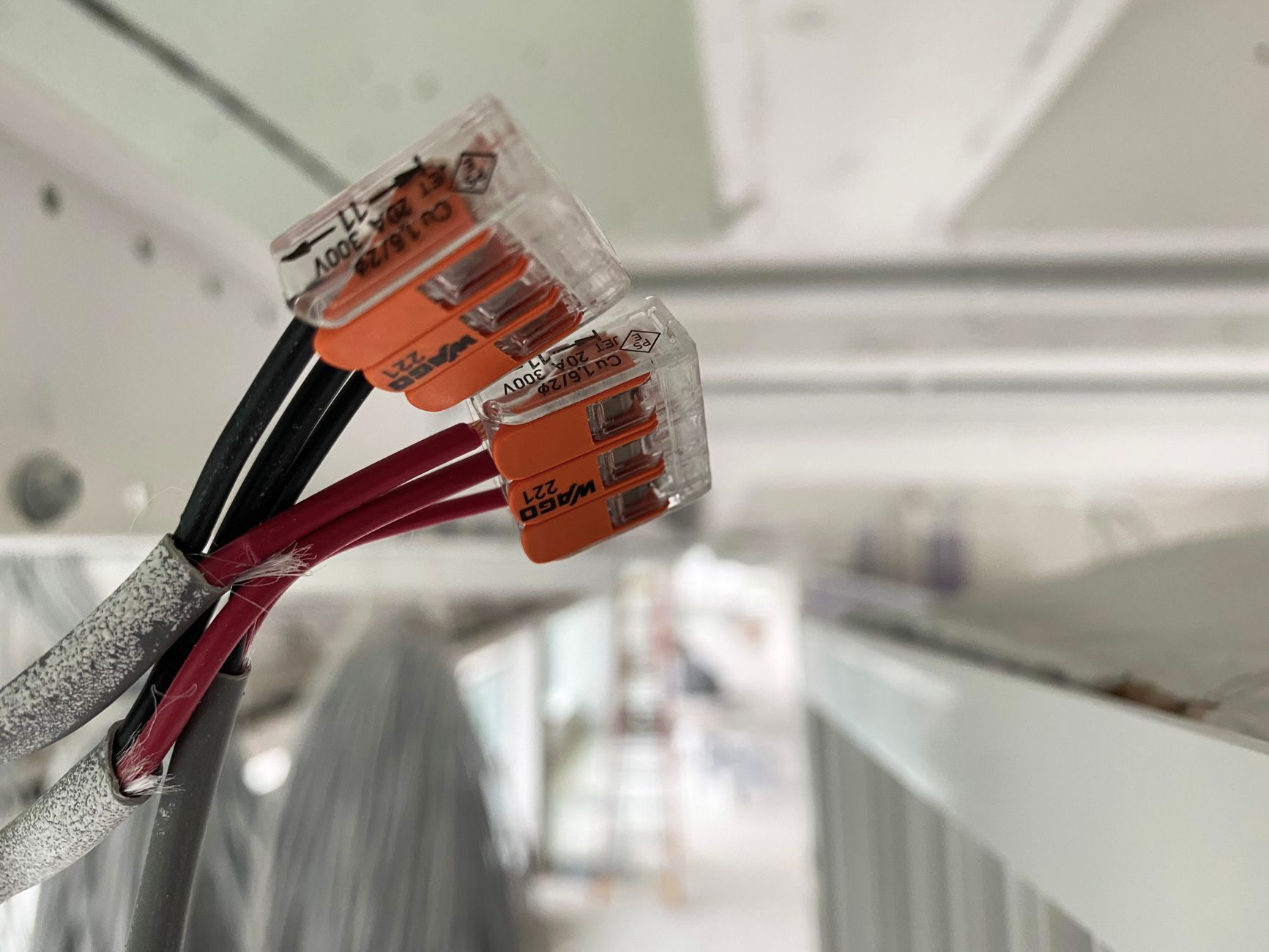
An OEM-neutral fleet needs a cross-reference built from evidence, not similar-looking components. Record the manufacturer part number, revision, dimensions, electrical rating, connector, firmware dependency, approved substitutes, compatible robot configurations, and warranty restrictions.
Commonality exists at several levels. A component may be physically identical across machines, functionally interchangeable after configuration, or merely serviced by the same tool. Keep those categories separate. Substituting an unapproved battery, controller, sensor, or safety component can create performance, certification, cybersecurity, and warranty problems.
A vendor neutral robot integrator can consolidate this work across manufacturers. The practical result is fewer duplicate stock-keeping units, clearer substitution rules, and one approved source of truth for robot deployment and integration, commercial robot repair service, and ongoing support.
Where should each spare sit?
Use a tiered network. Site cabinets protect immediate recovery, technician stock supports on-site dispatch, regional hubs pool slower movers, and a central position holds rare modules, repairable cores, and lifecycle inventory. Geography should follow travel time and service commitments rather than equal allocations to every branch.
Pooling is especially useful when failures at different sites do not occur together. A peer-reviewed European Journal of Operational Research case reported cost savings in the order of 30 percent when lateral transfers were included in both inventory planning and daily execution. That figure belongs to one industrial case, not a universal forecast, but it shows why planned sharing can outperform isolated site buffers.
Partial pooling is often the practical middle ground. Designate regional donor locations, define hold-back quantities for their own installed base, and approve transfer lanes in advance. A spare that cannot be released, packed, shipped, and received within the restoration window is not truly shared capacity.
How should min-max levels be calculated?
Calculate policy by part and location. Oracle's current inventory guidance expresses the reorder point as safety stock plus average demand during lead time. Inventory position must include usable on-hand stock and confirmed inbound supply, then subtract reservations, quarantine, and open service demand.
The minimum is the replenishment trigger. The maximum is the target inventory position after replenishment, commonly covering the minimum plus demand expected during the review or ordering cycle. When inventory position falls below the minimum, order or transfer enough to restore the maximum, subject to pack sizes and approved order multiples.
Do not let a smooth average conceal intermittent failures. Oracle warns that its normal-distribution calculation can be approximate for intermittent or skewed demand and requires at least three qualifying lead-time observations for certain planning calculations. For sparse histories, combine failure data with installed-base size, engineering criticality, repair turnaround, supplier risk, and comparable-unit experience.
Recalculate after deployments, firmware or hardware revisions, supplier lead-time changes, repeat failures, and fleet retirements. A min-max record that does not change with the installed base becomes an accumulation rule, not an inventory policy.
What belongs in an engineer field kit?
Field kits should maximize first-visit restoration without turning every service vehicle into a rolling warehouse. The IMA Journal of Management Mathematics describes this as the repair kit problem, in which kit composition, inventory budget, and replenishment frequency interact. More stock is not automatically better if rarely used parts crowd out likely fixes or expire unnoticed.
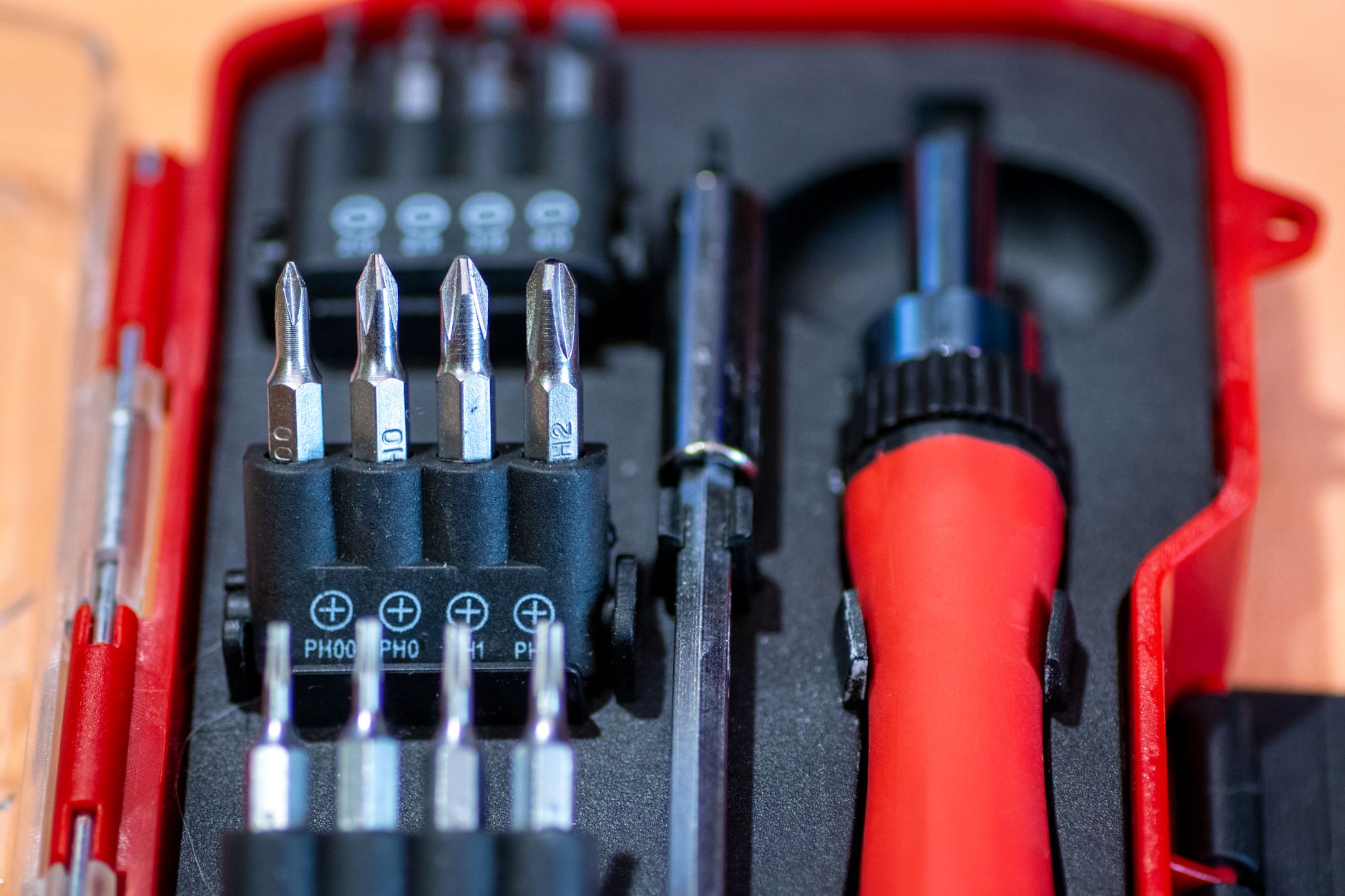
Build kits around observed work orders and the supported local fleet. Typical candidates include approved wear items, fasteners, fuses, cables, connectors, small sensors, cleaning-system consumables, and diagnostic adapters. Expensive control modules and heavy assemblies usually stay regional unless local downtime exposure justifies a dedicated spare.
Assign every kit its own inventory location. Scan issues, returns, transfers, and defective cores against the work order. Current Oracle field-service documentation similarly treats technician trunk stock as a managed location with on-hand, available, reserved, serialized, and min-max records rather than an informal cache.
Replenishment must close the service loop

Consumption should create a replenishment signal as soon as the technician records the part, not after a stockroom count. Define the supply path for every location: central depot to regional hub, hub to site, hub to engineer, or an approved lateral transfer. Also define who can authorize an emergency shipment and when a donor location may refuse it.
Repairable modules need a parallel loop. Track serviceable stock, defective cores, repair work in progress, units awaiting diagnosis, supplier returns, repair yield, and turnaround time separately. GAO's inventory guidance distinguishes repair-cycle stock from acquisition lead-time stock because both expose the operation to different delays.
Reconcile shortages and excess together. Repeated emergency shipments may justify a higher local minimum, a nearer pool, or root-cause work. Persistent excess may signal a robot revision, a shrinking installed base, duplicate part numbers, or forecasts that did not decay after demand disappeared.
One owner should coordinate the whole network
Give one team authority over the parts master, stocking policy, transfer rules, supplier escalation, and service data. Regional facilities and engineers still execute locally, but they should not create independent part numbers, private reserves, or conflicting reorder rules. Shared governance is what turns scattered cabinets into robot fleet management.
Useful measures include first-visit restoration, fill rate by criticality class, stockouts that breach response commitments, emergency-transfer frequency, repair turnaround, inventory accuracy, excess and obsolete stock, and failures per installed unit. Review exceptions by part and region instead of celebrating one blended fill-rate number that hides critical shortages.
Service Robot Co. fits this model as an OEM-neutral, full-service commercial robot integrator for US businesses. The company selects across manufacturers, finances, deploys, integrates, trains, and services each unit through a nationwide engineer network. Its published service coverage includes engineers across all 50 states and 24/7 support with 10-minute technical-specialist triage. For operators, that creates one partner one number across the lifecycle, with parts planning tied directly to field execution.
Frequently asked questions
Sources
- Service Robot Co. service and deployment overview
- NIST Criticality Analysis Process Model
- GAO report on criticality-based spare stocking
- Oracle min-max planning documentation
- Oracle inventory optimization calculations
- Oracle field-service parts management
- IMA Journal repair-kit study
- European Journal of Operational Research pooling study