Key takeaways
- Parking structures are vulnerable to crime due to poor visibility, multiple hiding spots, and low foot traffic.
- An effective security robot needs a sensor suite with LiDAR, thermal cameras, and HD video for reliable 24/7 navigation and detection.
- Reliable connectivity (like 4G/5G) and robust weatherproofing are non-negotiable for multi-level and exposed parking environments.
- Look beyond hardware to a full-service partner who handles deployment, nationwide service, and integration, ensuring uptime and success.
- The Robot as a Service (RaaS) model makes adoption affordable by converting a large capital expense into a predictable monthly operating cost.
Why Are Parking Structures a Unique Security Challenge?
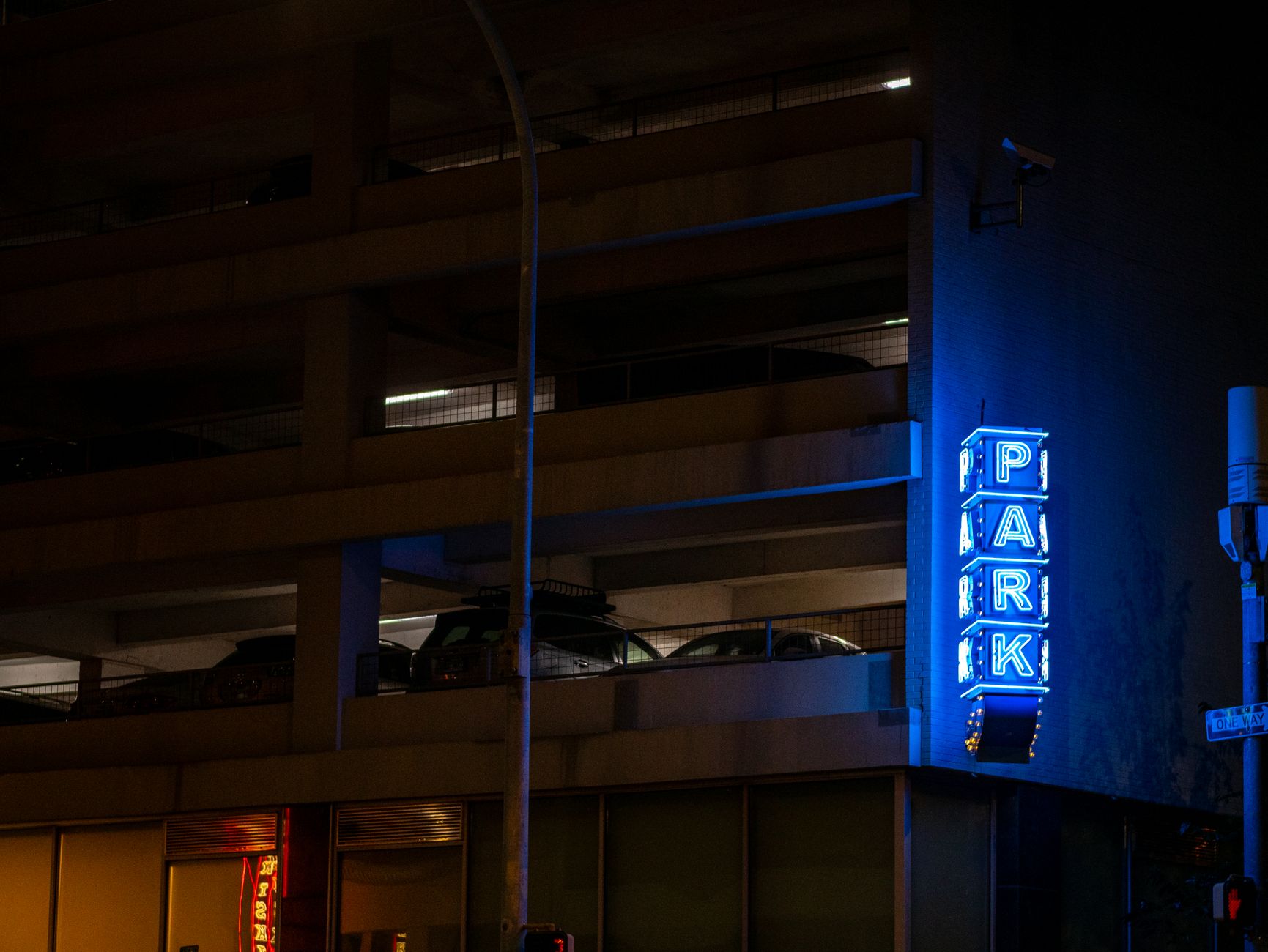
Parking structures present a difficult security environment. They are, by nature, filled with blind corners, structural columns, and poor lighting that create abundant hiding places. This design complexity makes traditional surveillance challenging, as fixed cameras often have significant blind spots.
These facilities experience fluctuating traffic, with periods of high activity followed by long, quiet stretches where individuals can be isolated and vulnerable. Criminals often target parking garages for vehicle break-ins, theft, and even assault because the low foot traffic and numerous escape routes lower their risk of being caught.
An autonomous security robot addresses these issues directly. It provides a persistent, mobile presence that can patrol continuously, navigate around obstructions, and use advanced sensors to detect threats in lighting conditions that would challenge a human guard.
What are the Essential Sensors for a Parking Garage Robot?
The effectiveness of an autonomous patrol robot is determined by its ability to perceive its surroundings accurately. In a parking garage, a multi-layered sensor suite is not a luxury; it is a necessity for reliable operation.
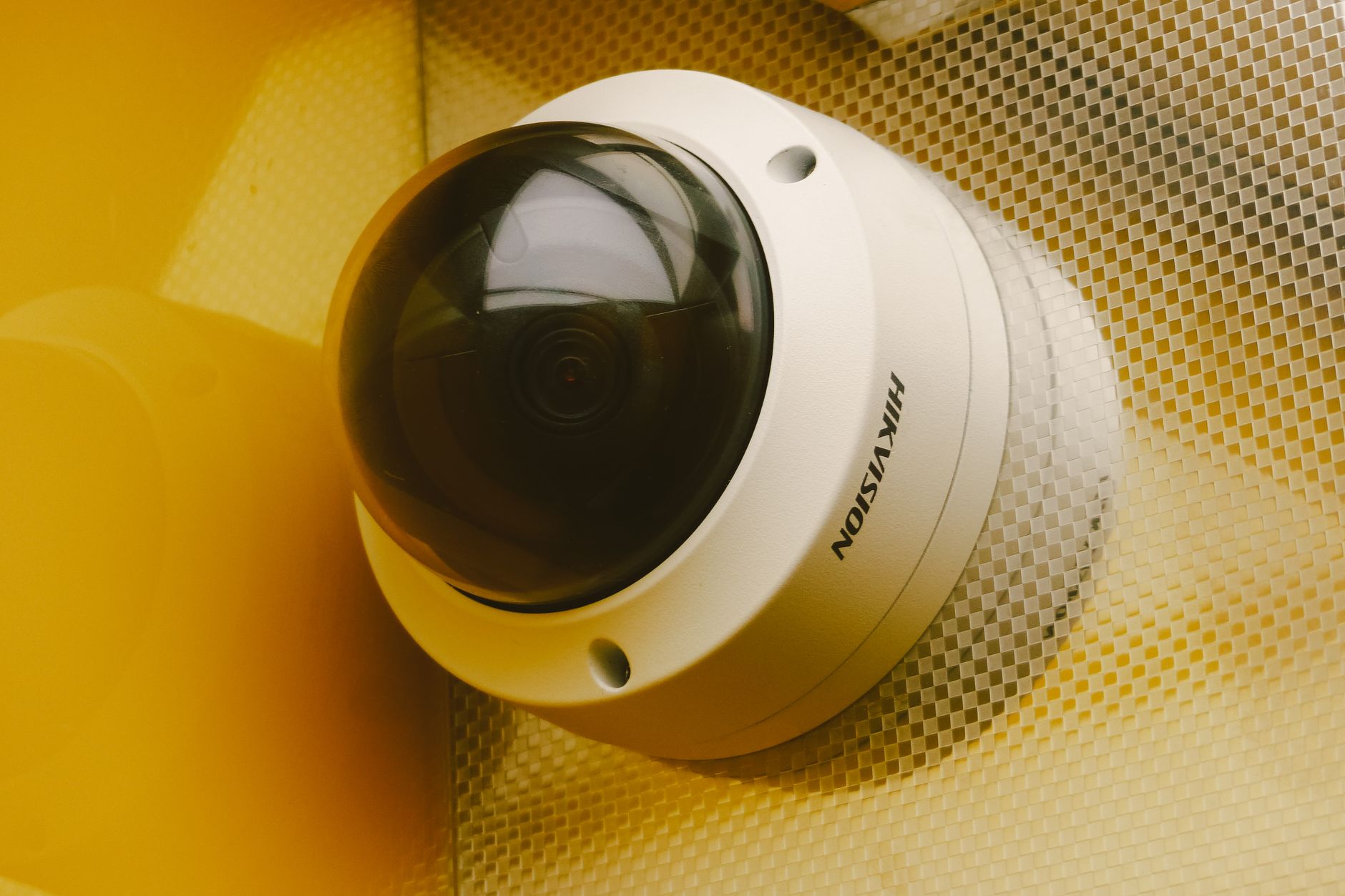
High-definition and 360-degree cameras are foundational, providing visual data for remote monitoring and evidence gathering. However, cameras alone are insufficient in the variable lighting of a parking structure. This is where thermal imaging becomes critical, detecting individuals based on their heat signature in complete darkness or shadowy corners.
For navigation, LiDAR (Light Detection and Ranging) is the gold standard. It uses lasers to create a real-time 3D map of the environment, allowing the robot to navigate precisely around parked cars, support columns, and pedestrians without relying on ambient light. This ensures consistent patrols day and night, rain or shine.
- Visual Sensors: HD, 360-degree, and thermal cameras for detection in all lighting conditions.
- Navigation Sensors: LiDAR for precise mapping and obstacle avoidance, crucial for the cluttered and dynamic garage environment.
- Audio Sensors: Microphones that can detect specific sounds like breaking glass or calls for help.
- Environmental Sensors: Detectors for hazards such as smoke or gas leaks, adding a layer of safety beyond security.
How Should a Robot Handle a Multi-Level Environment?
A multi-story parking facility introduces significant connectivity and navigation challenges. A robot that can only patrol a single floor offers limited value. True operational effectiveness requires the ability to ascend and descend between levels autonomously.
This is typically achieved through secure, wireless integration with the building's elevator control systems. The robot must be able to call an elevator, select a floor, and exit on its own. This capability expands its patrol area dramatically, ensuring comprehensive coverage of the entire structure.
Connectivity is the other half of the puzzle. Concrete floors and walls are notorious for blocking Wi-Fi signals. A security robot must have a robust communication protocol, such as private 4G or 5G LTE, to ensure an uninterrupted data stream to the security operations center. This guarantees that live video feeds and alerts are transmitted reliably, regardless of where the robot is in the structure.
Is Weatherproofing and Durability Important?
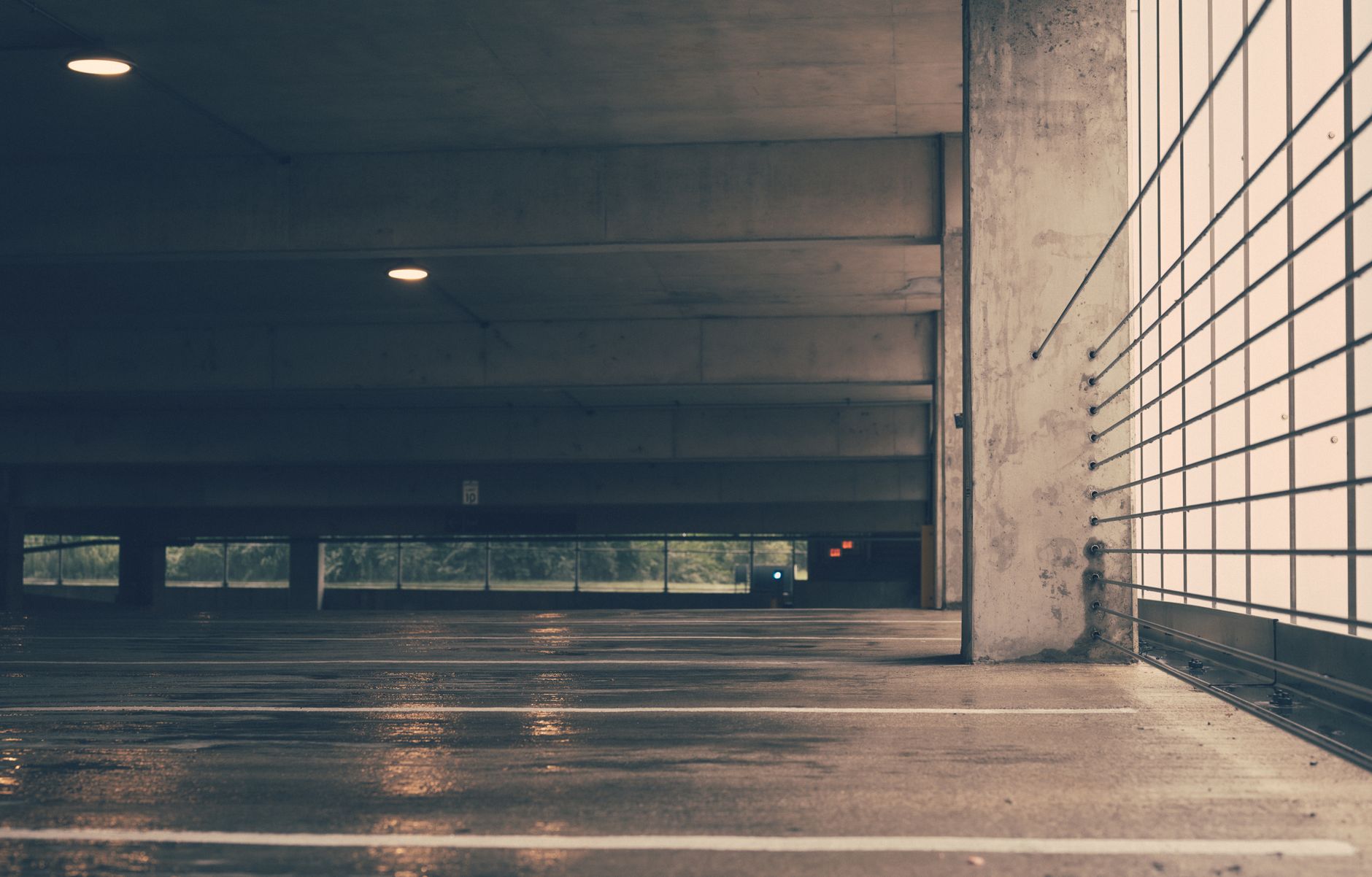
Many parking structures are not fully enclosed. They often have levels exposed to the elements, including rain, snow, dust, and extreme temperatures. A robot designed for indoor use will fail quickly in these conditions.
Look for a unit with a high Ingress Protection (IP) rating, which indicates its resistance to dust and water. A weatherproof build ensures the robot can continue its patrols reliably through changing seasons without damage to its sensitive electronics.
Durability also extends to the robot's mobility platform. The chassis, wheels, and motors must be robust enough to handle uneven surfaces, small debris, and the continuous ramps found in parking garages. This industrial-grade construction is key to longevity and minimizing downtime for repairs.
What Kind of Reporting and Analytics Should You Expect?
A security robot is more than a mobile camera; it is a powerful data-gathering tool. The software platform behind the robot is just as important as the hardware itself. It should provide actionable insights, not just raw footage.
Your system should generate detailed patrol reports, logging the times, routes, and any anomalies detected. The ability to flag incidents with high-resolution images or video clips is crucial for investigations and insurance claims. Features like license plate recognition can automatically identify unauthorized vehicles, adding another layer of proactive security.
The user interface for your security team should be intuitive, allowing a remote operator to easily check the robot's status, view live feeds, and even take manual control to investigate a situation more closely. This blend of autonomous patrolling and human oversight makes the system a true force multiplier.
Why Choose a Robot Integrator Over a Manufacturer?
Buying a security robot is not like buying a product off a shelf. Success depends on a complex process of site assessment, deployment, software integration, staff training, and ongoing service. This is where a vendor-neutral robot integrator becomes an invaluable partner.
At Service Robot Co., we are not tied to a single manufacturer. Our process begins with understanding the specific challenges of your parking structure. We then select the best machine for that unique environment from across the robotics industry. This OEM-neutral approach ensures you get the right tool for the job, not just the one a particular brand happens to sell.
Furthermore, we manage the entire lifecycle through a Robot as a Service (RaaS) model. Instead of a large upfront capital purchase, you get a turnkey deployment with a predictable monthly subscription. This includes all maintenance and repairs handled by our nationwide network of engineers. You get one vendor, one number to call, and a guarantee of uptime without needing to build your own robotics support team.
How Do Robots and Human Guards Work Together?
Autonomous security robots are not designed to replace human guards, but to make them more effective. With high turnover rates for security staff, robots fill critical gaps and handle the monotonous patrol tasks that often lead to human error or distraction.
The robot acts as a force multiplier. It can patrol vast areas tirelessly, using its sensors to detect potential issues. When an anomaly is found-a loiterer, an open vehicle door, a strange noise-it sends an instant alert to a human guard or remote monitoring center.
This allows your human personnel to move from passive observation to active response. They can review the robot's video feed to assess the situation before approaching, giving them better situational awareness and improving their safety. The robot handles the tedious 99% of a patrol, freeing humans to manage the critical 1%.