Key takeaways
- Mobility is key: choose wheels for speed on flat ground and tracks for soft, uneven, or sloped terrain.
- A complete sensor package with thermal, LiDAR, and high-definition cameras is critical for 24/7, all-weather detection.
- Look for a minimum weatherproofing of IP65 to ensure durability against dust and rain.
- Battery systems must support continuous operation, using either autonomous charging or rapid hot-swap capabilities.
- Partnering with a vendor-neutral integrator simplifies the complex process of selection, deployment, and lifelong maintenance.
How to Select the Right Outdoor Security Robot
Securing a large outdoor area like a corporate campus, logistics yard, or solar farm presents a persistent challenge. Traditional methods involving fixed cameras and human guard patrols often leave gaps in coverage, are expensive, and subject to human error and fatigue. Autonomous security robots offer a powerful alternative, providing consistent, 24/7 monitoring without the high turnover rates common among security staff.
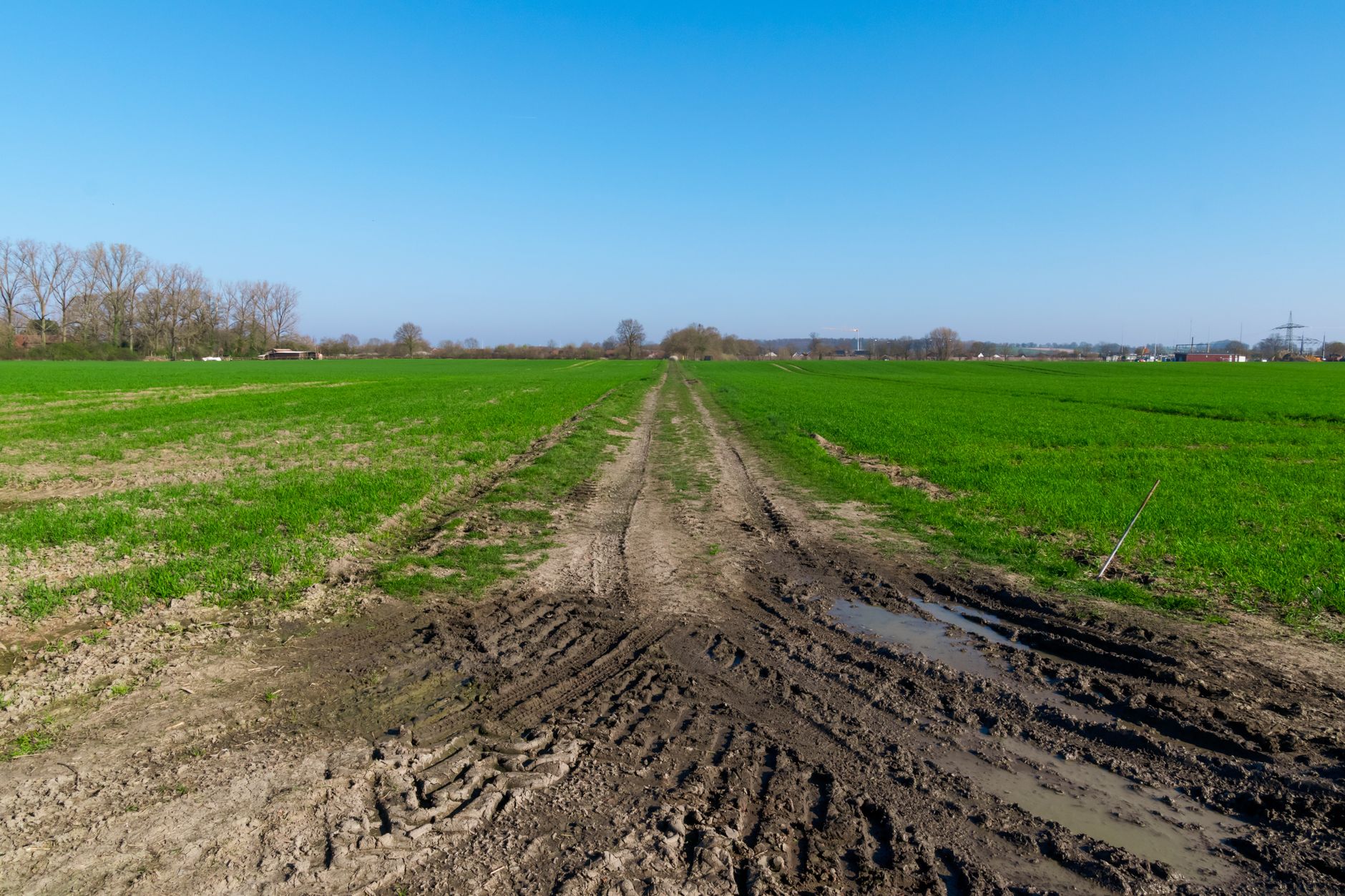
Choosing the correct machine is critical. The ideal outdoor security robot for a paved, flat distribution center in Arizona is fundamentally different from one needed to patrol the soft, grassy perimeter of a corporate headquarters in a region with heavy snowfall. Key decisions around mobility, power, sensors, and durability will determine whether the investment pays off with heightened security or results in a machine ill-suited for its environment.
This guide breaks down the essential features to help you select a robotic patrol platform that matches your specific terrain and climate, ensuring reliable performance year-round.
Wheels or Tracks: Which Mobility is Right for Your Terrain?
The first consideration is how the robot moves. The choice between wheels and tracks is fundamental, as it dictates the types of terrain the machine can handle effectively. There is no single best option; the right choice depends entirely on your environment.
Wheeled robots are generally faster, more energy-efficient, and less mechanically complex, making them ideal for large, flat, paved surfaces like parking lots and logistics yards. Their design simplicity often translates to higher reliability and lower maintenance needs for repeated use on hard ground.
Tracked robots, by contrast, excel on soft, low-friction, and uneven ground. The large surface area of the tracks distributes the robot's weight more effectively, preventing it from getting stuck in mud, snow, or sand. This makes them the superior choice for sites with unpaved perimeters, grassy areas, or significant slopes. However, tracks are more mechanically complex and can be prone to derailment or snapping under certain conditions.
What's in a Modern Sensor Package?
An autonomous patrol robot is only as good as what it can perceive. A comprehensive sensor package is non-negotiable for effective threat detection in dynamic outdoor environments. These systems must function in bright sunlight, complete darkness, and adverse weather like rain or fog.
The essential sensor trifecta for outdoor security includes:
A complete package integrates these inputs, using on-board AI to classify objects, detect anomalies like smoke or fire, and alert a remote security operations center to potential threats without constant human oversight. This local processing, known as edge AI, minimizes latency and reduces the reliance on a constant network connection.
- High-Definition and Thermal Cameras: Standard HD cameras provide clear visual verification, while thermal imaging detects heat signatures, making it possible to spot an intruder hiding in shadows or thick foliage from a distance.
- LiDAR (Light Detection and Ranging): LiDAR is crucial for autonomous navigation and mapping. It emits laser pulses to create a precise, 360-degree 3D map of the environment, allowing the robot to navigate accurately and avoid obstacles, day or night.
- Audio Sensors: Microphones can detect unusual sounds, such as shouting, breaking glass, or alarms, adding another layer of situational awareness.
How Should I Evaluate Battery Life and Charging?
Continuous operation is the primary job of a security robot. You cannot have gaps in coverage while a machine returns to a base for hours of charging. Therefore, evaluating a robot's power system is critical. Runtimes for battery-powered units can range from just a few hours to over 24, depending on the model and its tasks.
For true 24/7 security, there are two primary solutions. The first is an autonomous charging dock. When the robot's battery runs low, it automatically navigates back to its station, charges, and then resumes its patrol. While effective, this creates a predictable gap in surveillance.
The second, more robust method is a hot-swappable battery system. This allows an on-site employee to switch out a depleted battery for a fully charged one in minutes, keeping the robot on patrol with minimal downtime. This approach ensures persistent, uninterrupted coverage, a feat that is difficult to achieve with human patrols that often involve 30-40% annual turnover.
Does It Matter If a Robot Is Weatherproof?

For a machine that lives outdoors, durability against the elements is paramount. A robot's resistance to solid particles like dust and liquids like rain is measured by its Ingress Protection (IP) rating, an international standard. This two-digit number provides a clear, standardized way to understand a machine's environmental sealing.
The first digit rates protection against solids on a scale of 0-6, where '6' means it is completely dust-tight. The second digit rates protection against liquids on a scale of 0-9, covering everything from drips to powerful water jets.
For any serious outdoor security application, the robot should have a rating of at least IP65. An IP65 rating ensures the machine is completely protected from dust and can withstand low-pressure water jets from any direction, making it suitable for heavy rain. For harsher environments, an IP67 rating, which allows for temporary immersion in water, offers even greater resilience.
How Do I Integrate a Robot Into My Existing Security System?
Deploying a fleet of autonomous robots is not as simple as buying a piece of hardware. It involves site mapping, network integration, and training for your existing security staff. The most successful deployments treat robots not as replacements, but as powerful complements to human guards, handling the monotonous patrols while humans provide judgment and response.
This is where a full-service, vendor-neutral integrator becomes invaluable. At Service Robot Co., we specialize in navigating this complexity for you. Because we are not tied to any single manufacturer, our first step is always to analyze your specific terrain, climate, and security needs. We then recommend the best machine for the job from a wide range of proven platforms.
Our work doesn't stop there. Service Robot Co. handles the entire lifecycle. We manage financing, conduct the site assessment and mapping, deploy the robots, and integrate them with your existing CCTV and access control systems. Our nationwide network of engineers provides comprehensive training for your staff and delivers ongoing maintenance and service, ensuring your investment operates reliably for years. You get one partner and one number to call for the entire system, from selection to service.