Key takeaways
- Area classification drawings must exist before you shortlist any mobile or fixed robot.
- Certified enclosures, batteries, and chargers are a matched set, not mix-and-match parts.
- Operating boundaries and hot-work rules matter as much as the robot datasheet.
- Integrators should document who owns validation, service, and exception recovery in classified zones.
What must you establish before a robot enters a classified area?
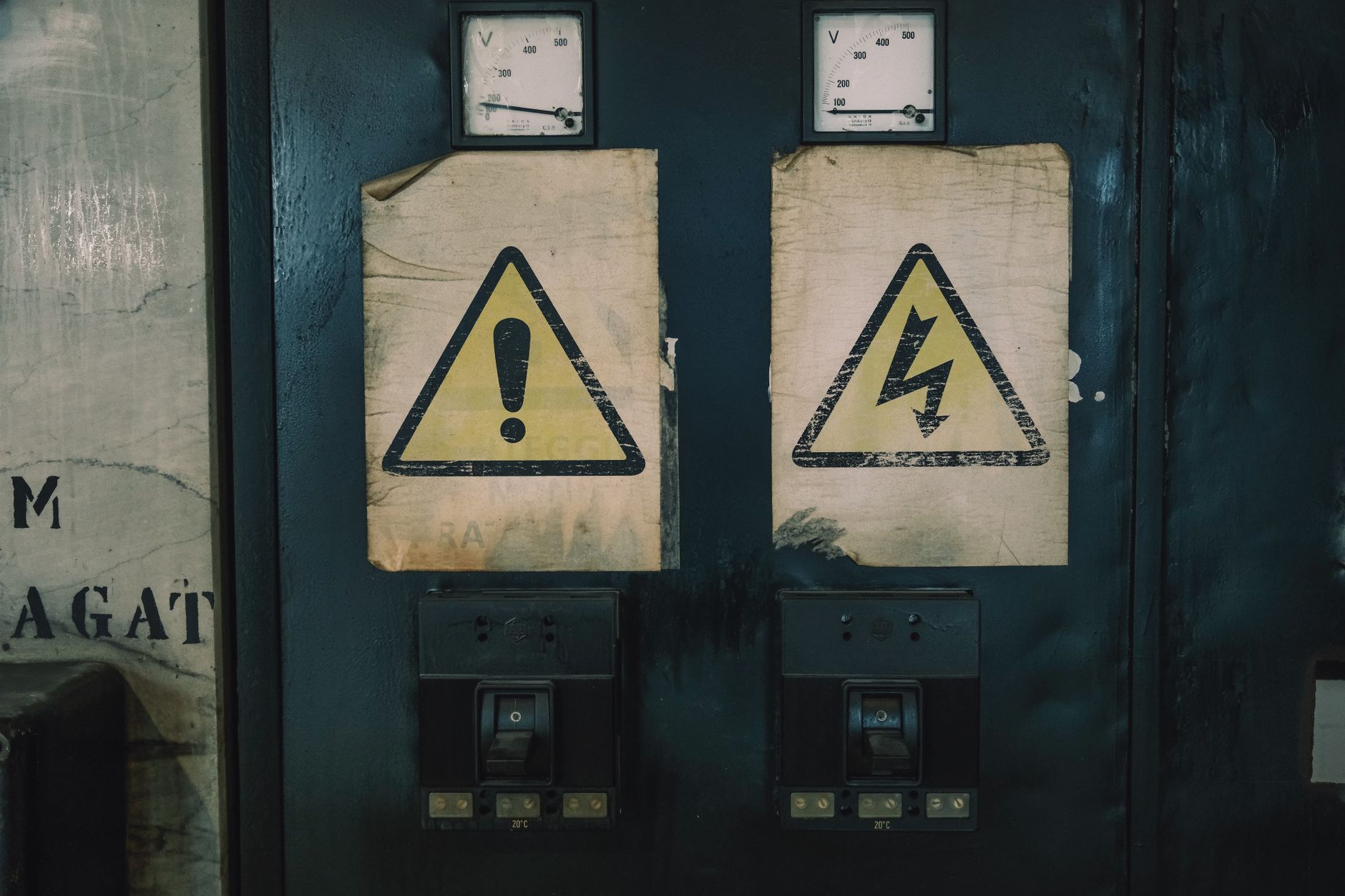
Classified hazard areas exist because flammable gases, vapors, combustible dust, or fibers can ignite from a single spark or hot surface. A buyer's guide starts with the official area classification on your drawings, not with a robot brochure.
List every zone the robot might enter, including transit corridors, charging locations, and maintenance bays. If the classification is missing or outdated, stop and update it with your electrical and EHS leads before capital spend.
OSHA's combustible dust National Emphasis Program, directive CPL 03-00-008 effective January 30, 2023, keeps targeted inspections active in industries where dust deflagration risk is well documented. That enforcement posture makes undocumented robot routes a compliance problem, not just a procurement detail.
How do area classifications map to robot hardware?
National Electrical Code division and zone methods describe where ignition-capable equipment may operate. Robots need motors, controllers, batteries, and sensors rated for the same class, division or zone, and temperature code your drawings specify.
A unit certified for a general warehouse is not automatically legal in a Class II dust area just because it moves slowly. Certification labels, nameplate temperature codes, and listed accessories must match the worst credible atmosphere along the route.
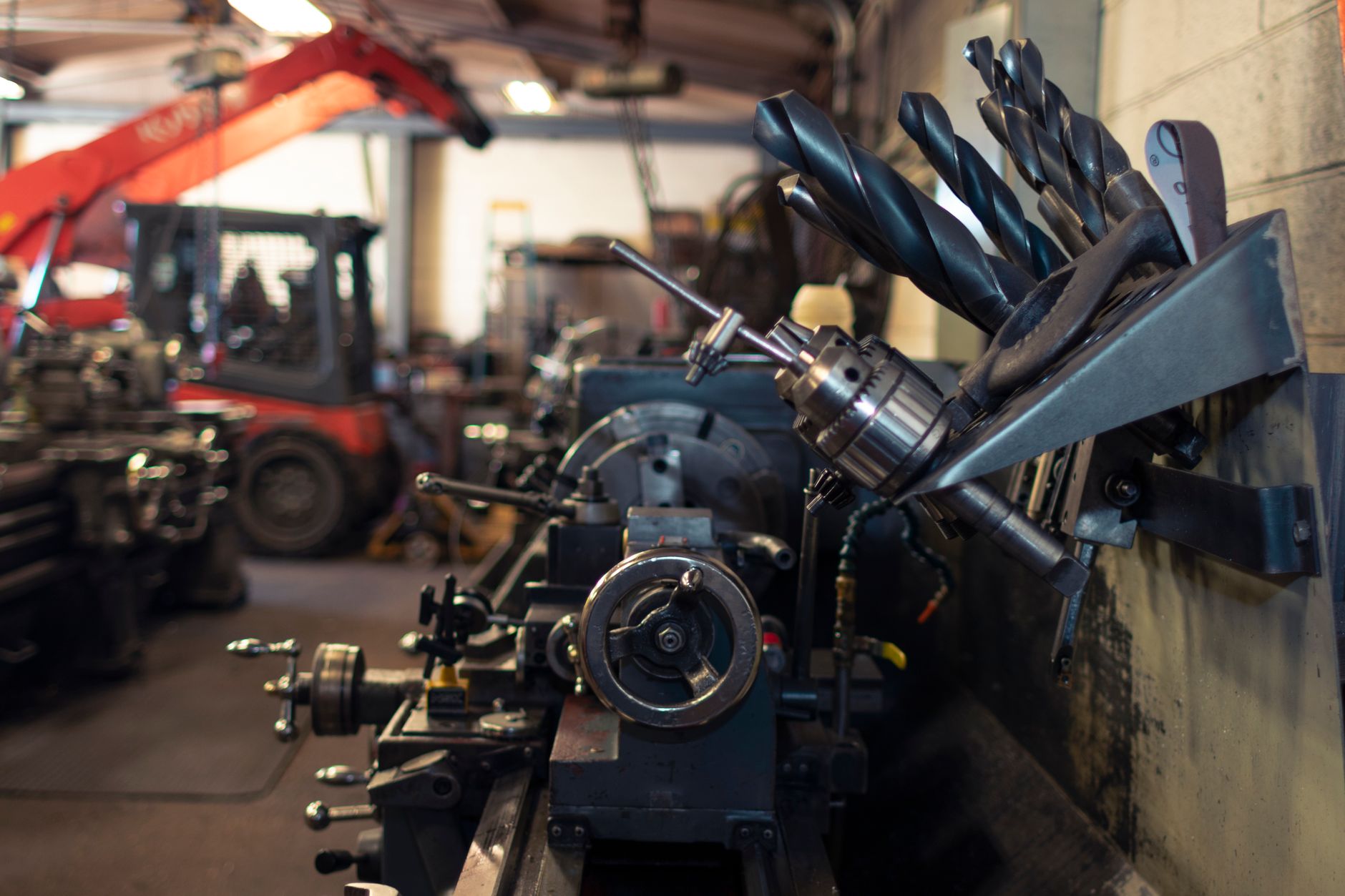
Fixed arms and mobile platforms face the same logic with different failure modes. A mobile unit adds wheel static, wireless links, and dock contacts that fixed installations never expose.
What battery and charging risks matter in hazardous locations?
Lithium packs and charging contacts are common ignition sources when specified wrong. Place chargers in unclassified or suitably classified rooms whenever possible, and treat opportunity charging in production as a formal hazard review.
Thermal runaway, damaged connectors, and unauthorized spare batteries belong in your management of change process. Maintenance teams need a written rule for when a robot leaves a classified route for battery service.
Wireless charging pads still produce heat and electrical stress at the interface. Document inspection intervals for char marks, debris, and cable fatigue the same way you would for manual plugs.
How should payload and tooling stay inside the rated envelope?
Payload includes grippers, scanners, and temporary brackets bolted on after purchase. Each add-on can void certification if materials or heat rise exceed the original listing.
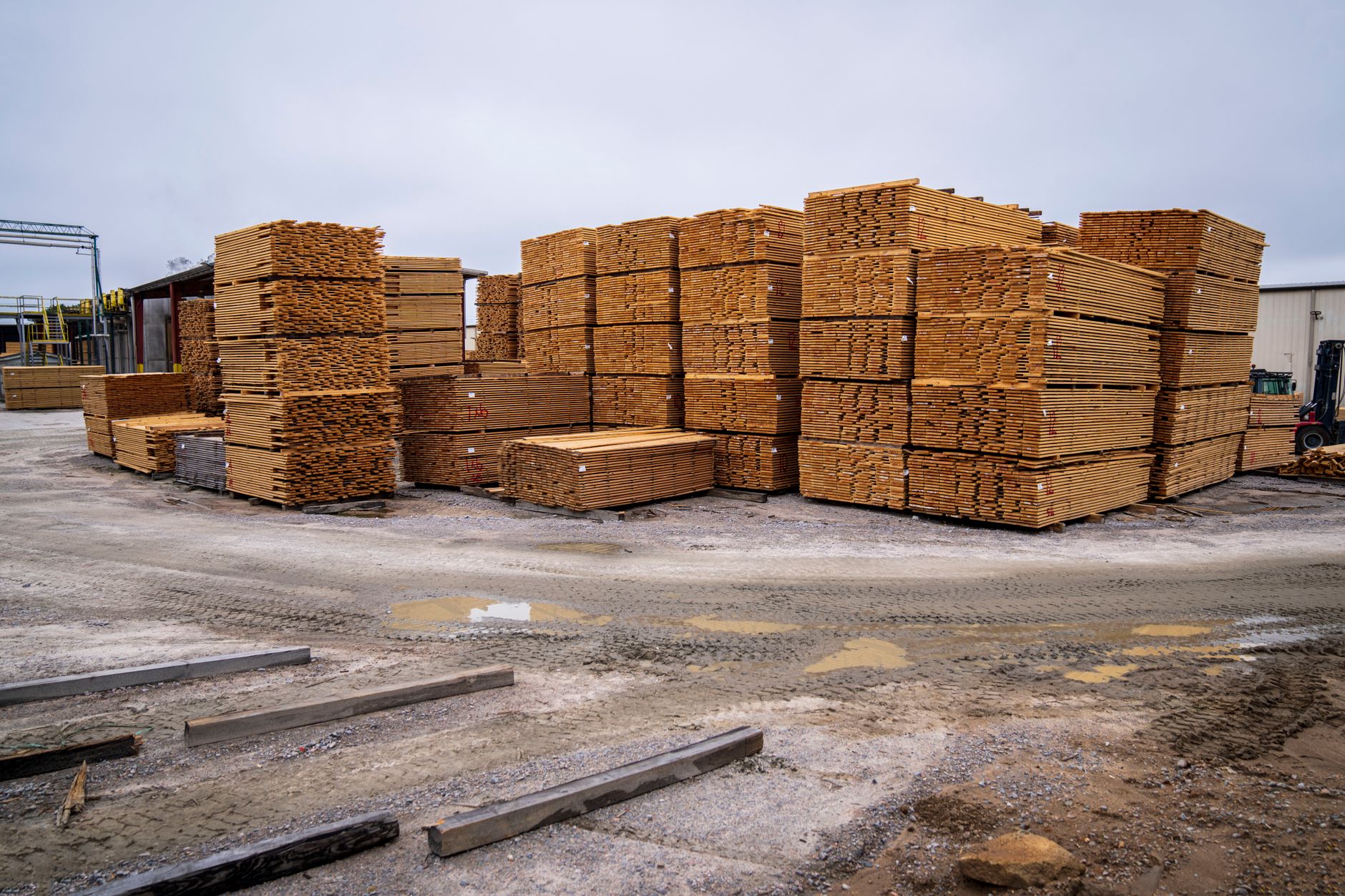
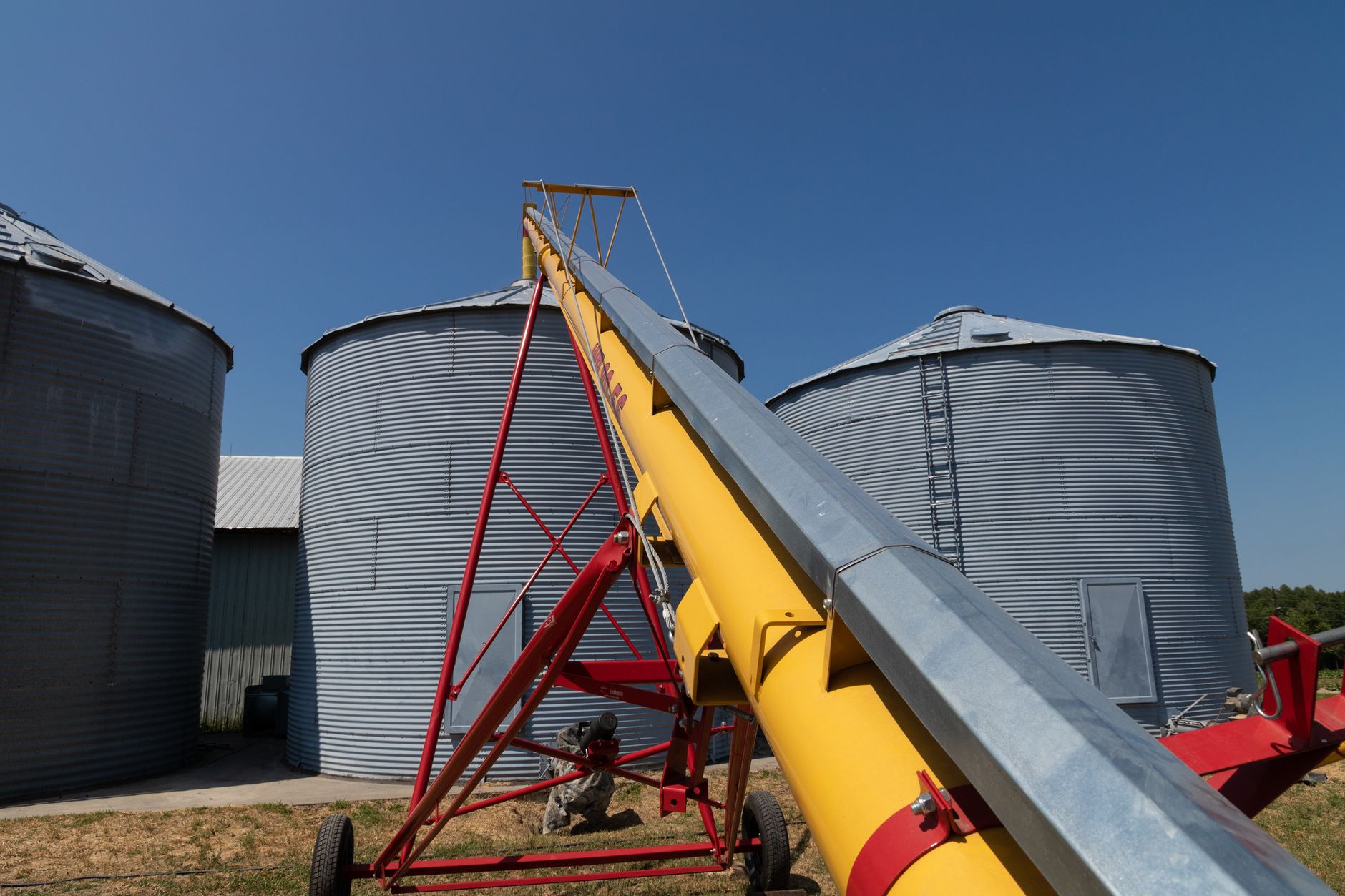
Combustible product on the robot tray can be fuel even when the chassis is rated. Dust accumulation on horizontal surfaces changes the hazard profile week to week in grain, food, and metals plants.
Write a maximum attachment list approved by EHS. Ad hoc field mods are how classified projects lose their paper trail during the first production rush.
Who owns boundaries between classified and safe zones?
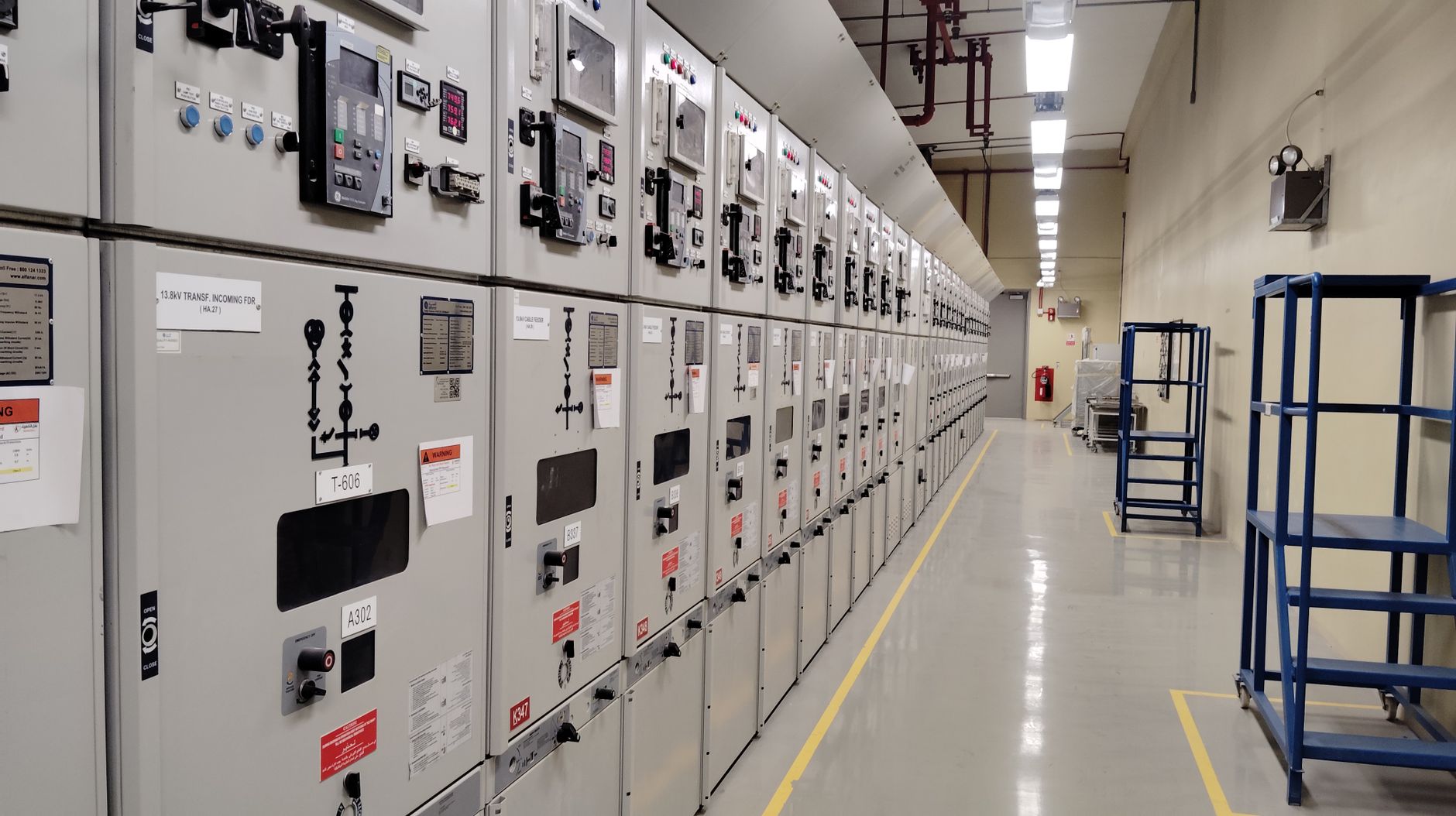
Robots cross airlocks, rapid doors, and painted floor lines every shift. Someone must own the interlock logic when a door stays open or a route drifts into an unclassified corridor.
Integrators should map geofences, speed limits, and manual override points with operations before go live. Security and quality teams often spot boundary gaps that engineering drawings never showed.
When a robot needs human escort or a temporary permit to enter a stricter zone, that procedure belongs in the run book, not in a side email.

What does validation look like with your EHS team?
Validation is witnessed testing under real cleaning, production, and maintenance routines. Run the robot loaded, empty, charging, and recovering from a controlled fault while EHS watches ignition sources and dust buildup.
Keep photos, gas or dust monitoring notes, and signed route maps in the project file. Auditors care about repeatability more than a one-time demo on a quiet Sunday.
If your facility falls under combustible dust emphasis, tie robot housekeeping to your dust inspection log. A certified chassis with an inch of accumulated dust on the deck fails the intent of the standard even when the label is correct.
How can Service Robot Co. support hazardous-location projects?
Service Robot Co. is a vendor-neutral integrator for US plants and warehouses. We align robot categories to your classification drawings, finance pilots, deploy with EHS present, and service fleets nationwide.
Commercial robot rental can prove a route in a controlled zone before you commit to purchase, as long as the demo hardware carries the correct listing for that space. We help you compare certified options without locking into one OEM catalog.
The right robot for a classified area is the one your EHS lead and electrician would sign today, with boundaries and chargers mapped. We build that evidence before scale-up, not after the first citation.