
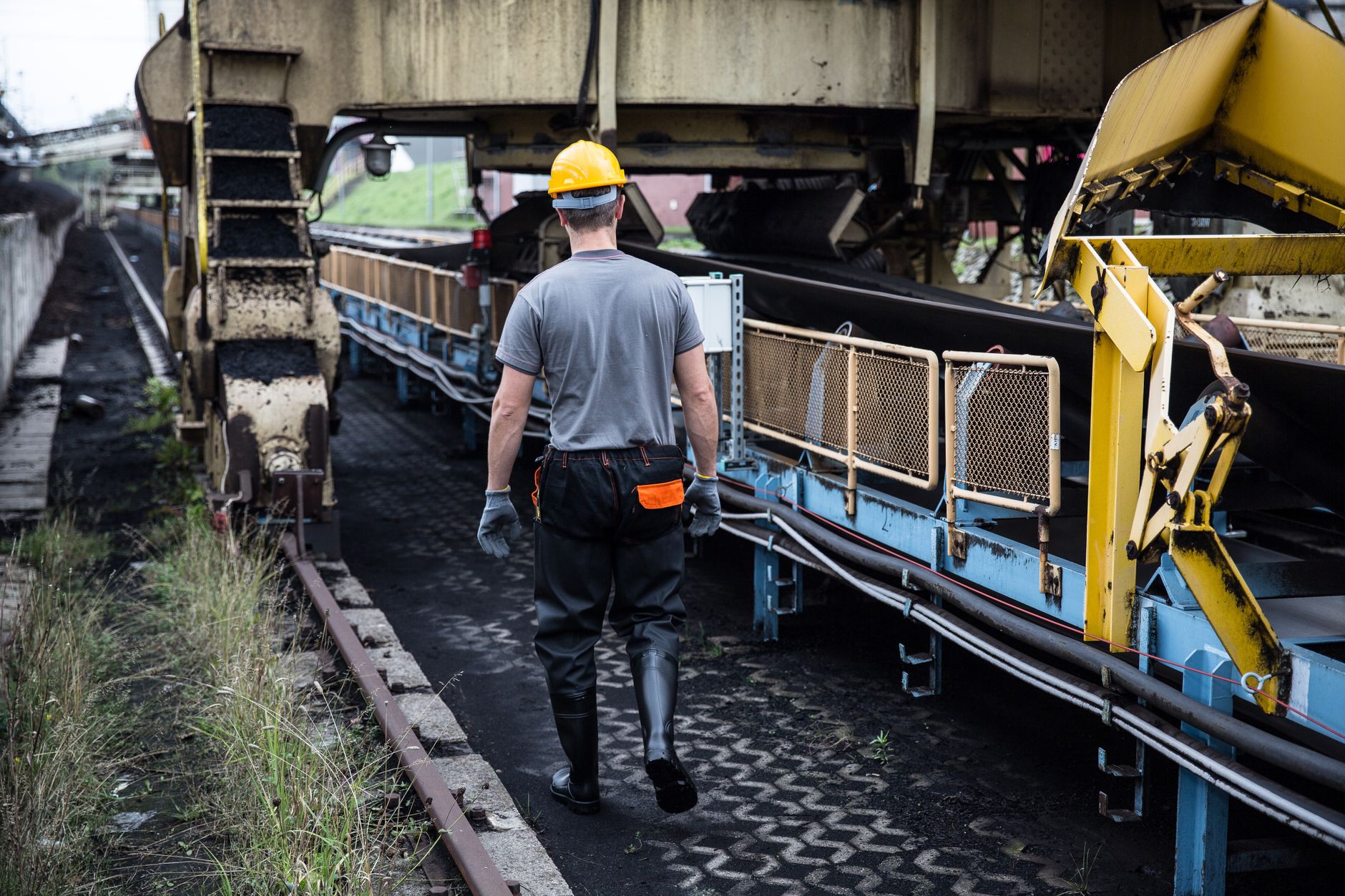
Key takeaways
- Buy for worst-case clearance and guaranteed retrieval before you buy for autonomy.
- Under conveyors, lighting geometry and lens protection matter as much as camera resolution.
- Thermal imaging pays fastest on chronic bearing and roller trouble, not simple debris patrols.
- A short inspection robot lease or robot pilot program is cheaper than discovering dead zones after purchase.
Which robot class usually makes sense under conveyors?
Most facilities should start with two categories, a low-profile crawler for truly tight, dirty undercarriages and a compact mobile robot for taller, cleaner routes that need broader autonomous coverage. If a buyer reads only one section, this is the answer: choose the lowest platform that clears the worst point, carries serious lighting, and can be recovered without sending a person under the conveyor.
Buyers often overvalue autonomy and undervalue geometry. Under conveyors, one extra inch of body height, one badly placed light bar, or one weak retrieval point can matter more than an impressive dashboard. The right robot is the one that gets you a clean view of rollers, bearings, guards, and debris on your actual floor, not on a demo slab.
Safety is the reason to buy in the first place. OSHA's accident search for the term Conveyor Belt returned 1,393 results when reviewed on August 29, 2026, and OSHA's lockout and conveyor rules make clear that servicing around hazardous moving equipment is not casual work. A robot should reduce exposure to nip points and pinch zones, not become an excuse to skip energy isolation when the task enters the danger zone.
How do you measure the true envelope under a conveyor?
Do not spec from the drawing alone. Measure the lowest fixed metal, the lowest moving condition, and the ugliest housekeeping condition. Return idlers, belt sag, hanging guards, scraper hardware, drip lines, pooled carryback, and fines buildup all change the usable opening, and the robot has to survive the worst case rather than the average one.
A 2024 patent application for a car underbody inspection robot held body height to about 10 centimeters so the unit could move freely in low-clearance space. That is a useful mental benchmark for conveyor buyers. Once your undercarriage is in that sub-4-inch neighborhood, low-profile crawler packaging stops being a nice feature and becomes the main design constraint.
- Measure the lowest fixed obstruction, including brackets, guard edges, hoses, and scraper mounts.
- Measure the lowest variable obstruction, including belt sag, draped cables, and debris ridges.
- Measure at the intended entry point, the inspection zone, and the turnaround or reverse point.
- Treat skid plates, light shrouds, tow eyes, and tether guides as part of the robot's height budget.

What should the robot actually see?
For conveyor undercarriage checks, the visible-light payload has a simple job and a hard environment. It needs to show whether a roller is turning true, whether a bearing housing is leaking or running dirty, whether a guard is bent or missing fasteners, and whether debris is building where it should not. A low-mounted upward camera usually buys field of view, but an articulated or tilting view helps around cross-members and side frames.
Lighting is where many cheap evaluations fall apart. In a July 10, 2024 paper on railcar undercarriage inspection, Virginia Tech researchers reported that clear imagery depended on proper positioning and supplemental lighting, not ambient conditions alone. The same lesson applies under conveyors. Buy diffused, cleanable LEDs with adjustable output and protected lens windows, or shiny steel and black fines will turn your footage into glare and shadow right where the bearing sits.
- Separate drive-view lighting from inspection lighting so navigation glare does not wash out the target.
- Look for adjustable brightness, because polished guards and dusty lagging need different exposure.
- Protect the lens window from splash and fines, and make it easy to wipe clean during a shift.
- Prefer payloads that can look slightly ahead of the chassis, not only straight up at the frame above them.
When does thermal imaging earn its keep?
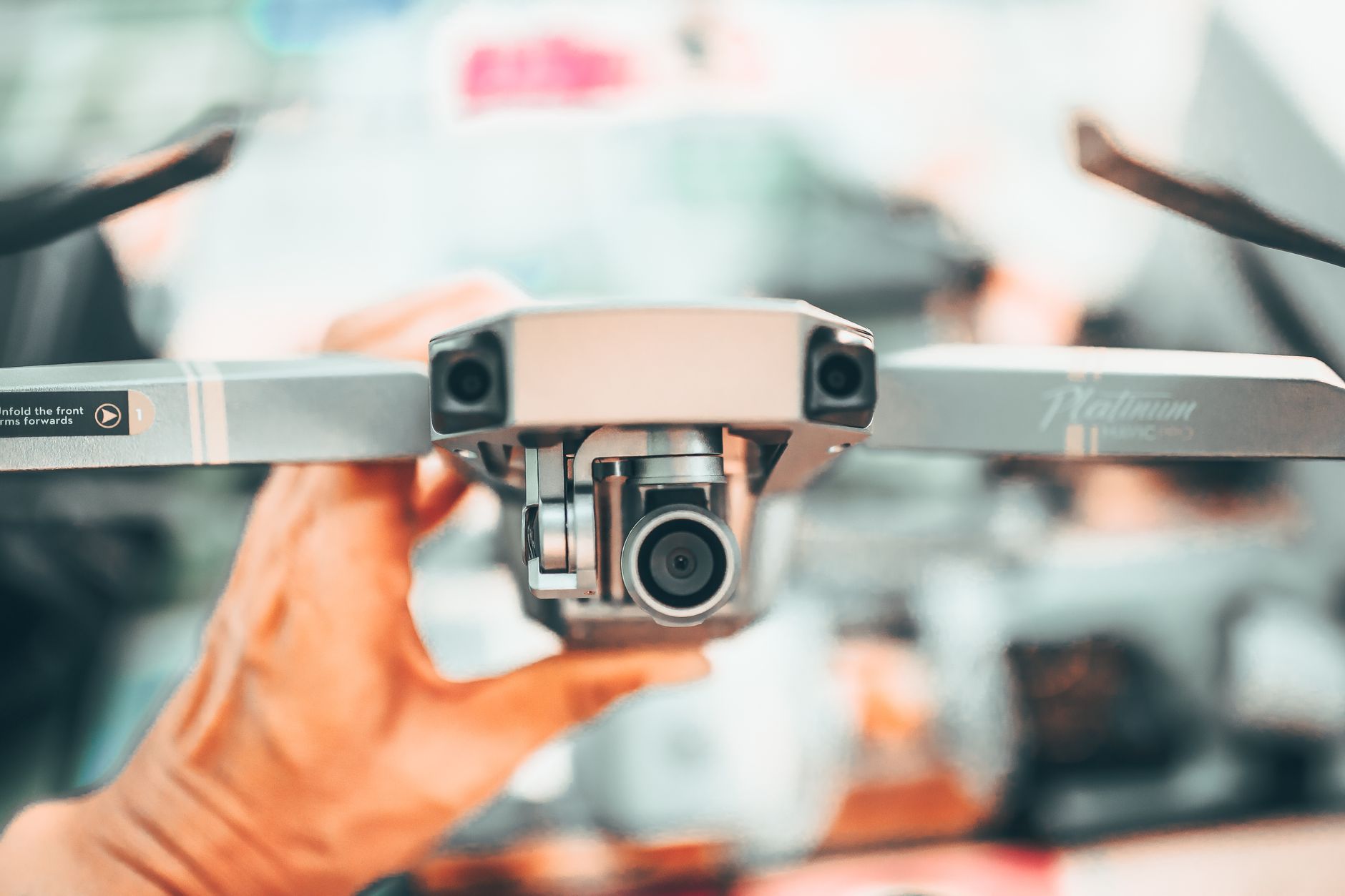
Thermal imaging earns its place when the failure mode shows up as heat before it shows up clearly in white light. That is common with dragging rollers, hot bearings, and localized friction events. It is less compelling when the main job is housekeeping, missing guards, or general debris checks. In those cases, strong visible imaging and disciplined routes usually matter more.
A PLOS ONE paper published on July 22, 2024 reported 93.8 percent recognition accuracy for conveyor idlers in its test setup, plus about a 7 degree C bearing temperature difference for damaged idlers and about an 8 degree C surface difference for blocked idlers. The same study used 25 percent bearing temperature-rise and 30 percent surface temperature-rise coefficients as fault thresholds in its method. That is enough evidence to take thermal seriously on lines with recurring bearing and roller failures, especially when you want earlier intervention before a bad idler becomes a shutdown.
How should communications work in a steel-heavy bay?
Do not assume plant Wi-Fi behaves like office Wi-Fi. NIST's industrial wireless work, including its current project page updated June 11, 2026, still frames factories as harsh radio environments shaped by blockage, interference, and multipath. NIOSH's wireless guidance for conveyor entries is even more direct, noting that coverage in conveyor belt entries is generally less than in open entries and that bends or elevation changes reduce range further.
That changes how you buy. Live teleoperation needs a low-latency link that has been proven on the exact route, not guessed from an access-point map. Routine patrol can tolerate short dropouts if the robot timestamps clips, tags location, and stores data locally. A 2021 U.S. patent application on belt-conveyor inspection explicitly describes both real-time transmission and local storage for later processing, which is the practical standard buyers should hold.
- Wi-Fi only is acceptable for short, surveyed runs with reliable sightlines and modest consequence if video pauses briefly.
- Wi-Fi plus onboard recording is better for routine inspection routes where evidence matters more than uninterrupted teleoperation.
- Tethered data and power is strongest when steel, dust, and uptime needs make communications certainty more important than top speed.
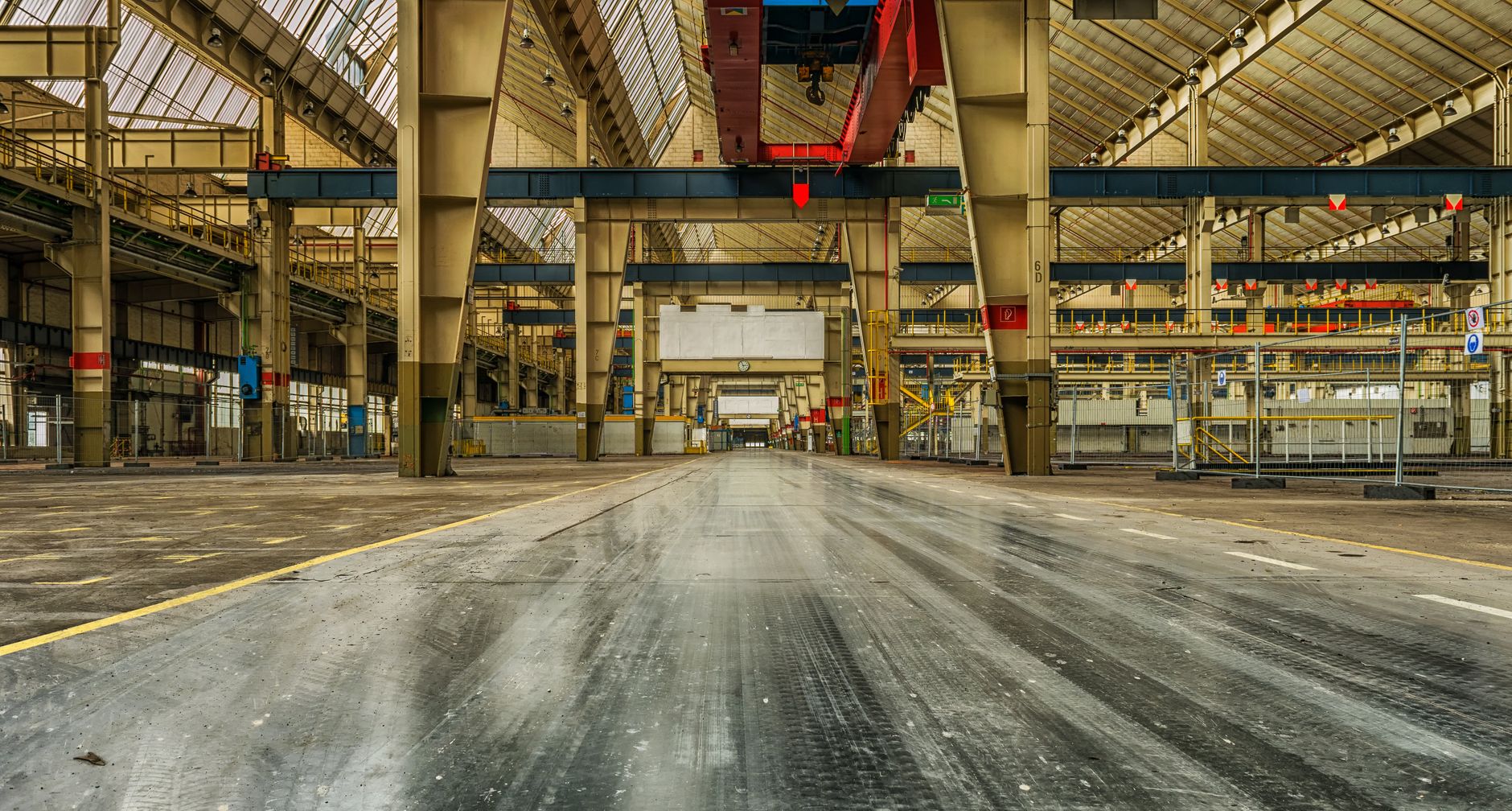
Why retrieval planning belongs in the spec, not the accessories list
Every under-conveyor robot will eventually nose into packed fines, lose traction on wet carryback, snag a hanging strip, or stop with bad video at the worst possible spot. If the recovery plan is a technician crawling into the same hazard the robot was supposed to avoid, the buying process failed. Retrieval is not a side topic. It is part of the primary safety case.
That is why retrieval needs explicit requirements, front and rear tow points, predictable reverse behavior, and a rehearsed failure drill. A 2024 U.S. patent application on inspection robots describes tethers that carry power and communications and include strain relief, wear-resistant outer layers, and electromagnetic shielding. That sounds technical because it is. Recovery reliability and cable durability are part of the robot, not bolt-on extras after procurement.
- Soft pull-back tether for short runs where manual extraction is the simplest safe method.
- Powered tether when runtime, video continuity, or retrieval certainty matters more than maximum mobility.
- Mechanical tow eye or rescue loop for non-powered extraction with a hook or pole.
- Reverse-home behavior as a backup method, not the only method, because dead reckoning alone will eventually disappoint you.
Crawler or compact mobile robot?
Low-profile crawlers usually win when the work looks more like a crawlspace inspection robot than a warehouse vehicle. They package cameras lower, spread weight well on messy floors, and tolerate small debris better. They also pair naturally with tethered retrieval. The tradeoff is slower travel, more drag, and more attention to track wear and trapped fines.
Compact mobile robots make sense when the conveyor corridor is taller and cleaner, when one unit may inspect several assets, or when docking and longer autonomous routes matter. Their extra body height can buy easier battery access, faster travel, and more flexible payloads, but only if the clearance is really there. Buyers should not pay for a broader platform class if the robot still cannot reach the ugliest ten feet of the route.
- Choose a crawler when clearance is truly tight, the route is short, and retrieval certainty matters more than travel speed.
- Choose a compact mobile robot when the route is longer, the floor is cleaner, and the same platform must cover more than one conveyor area.
- Choose neither until you prove the entry point, the darkest view, and the worst retrieval case on the real floor.
What buying process prevents an expensive mismatch?
The best buying process is staged and unsentimental. Measure the route, test the dirtiest segment, verify the darkest viewing angle, and intentionally trigger one bad retrieval. A short inspection robot lease or autonomous mobile robot leasing pilot is usually cheaper than discovering after delivery that the chassis grounds out on a guard lip or the video dies under one steel transfer point. This is one of the few cases where try before you buy is not marketing fluff. It is operating discipline.
This is also where a vendor neutral robot integrator matters. Service Robot Co. is a full-service commercial robot integrator for U.S. businesses, and the company stays OEM-neutral so the comparison between crawlers and compact platforms is about fit, not brand loyalty. From there, Service Robot Co. can handle robot deployment and integration, financing, training, and service through a nationwide engineer network, with one partner, one number, a robot maintenance service plan, remote triage, and on-site dispatch instead of a pile of disconnected vendors.
Frequently asked questions
Sources
- OSHA conveyor accident search
- OSHA lockout tagout standard 1910.147
- OSHA conveyor standard 1926.555
- NIOSH wireless tutorial for conveyor entries
- PLOS ONE conveyor thermal imaging study
- U.S. patent application on conveyor inspection robots
- Virginia Tech undercarriage inspection study
- U.S. patent application on tethered inspection robots