Key takeaways
- Buy for route fit first. If the robot cannot handle 36 inch accessible paths, tight turns, and midday reroutes, the rest hardly matters.
- Mixed flooring changes the spec. Hard-floor scrubbing, carpet edge cleanup, moisture control, and low-noise operation need to be evaluated together.
- Public venues need fast recovery, not just autonomy. Prioritize remote triage, local service coverage, spare-unit support, and clear daytime operating rules.
- For museums and aquariums, a pilot in real guest hours is more revealing than an after-hours demo in an empty building.
- If internal robotics support is thin, a full-service, vendor neutral robot integrator usually reduces rollout risk more than buying a unit outright.
What should a museum, gallery, or aquarium prioritize first?
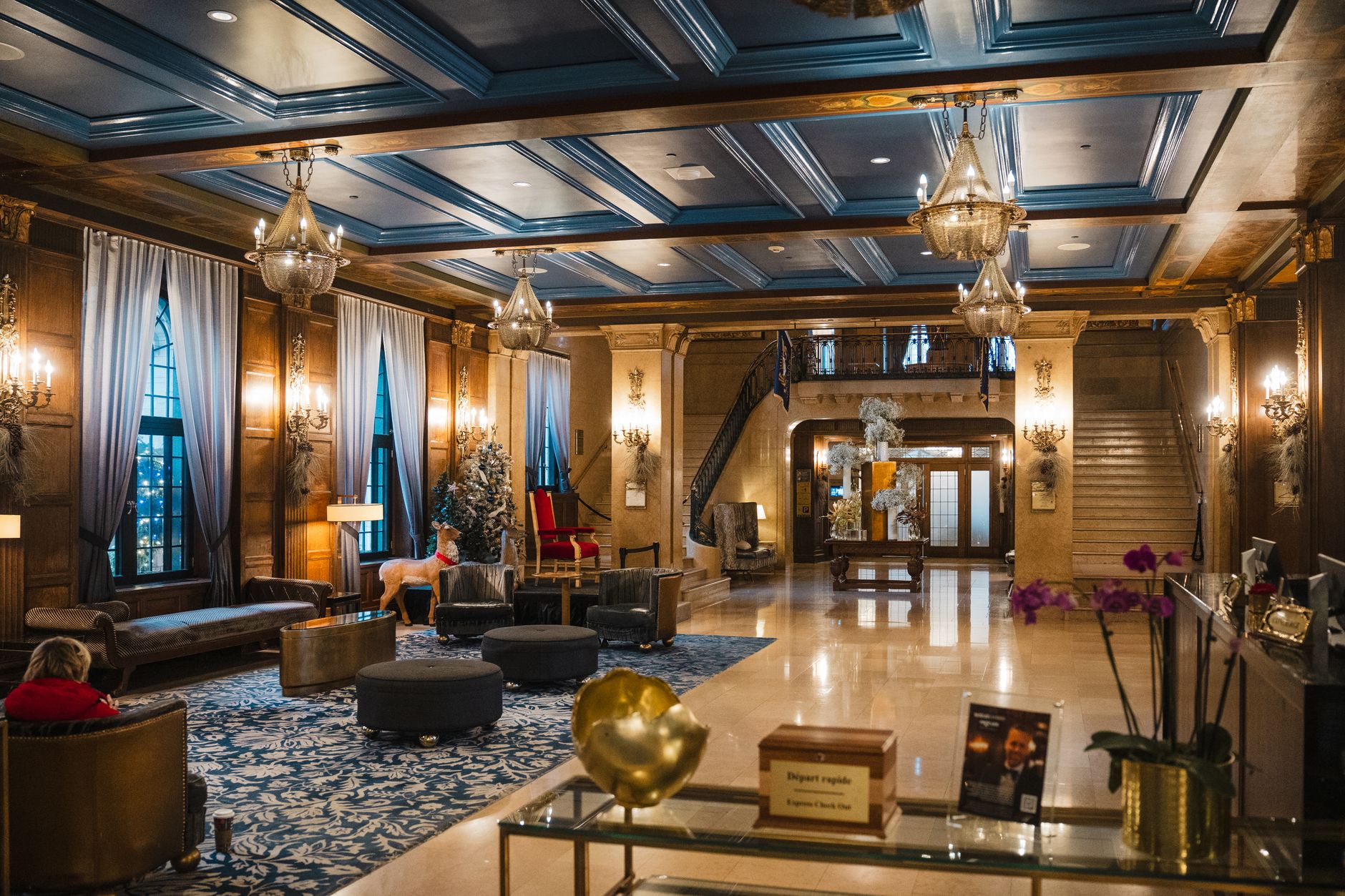
Start with three criteria. The robot has to move politely through public space, clean effectively across the flooring mix you actually have, and recover quickly when something goes wrong in the middle of a live guest day. In quiet cultural venues, that matters more than flashy autonomy claims or maximum square footage on a spec sheet.
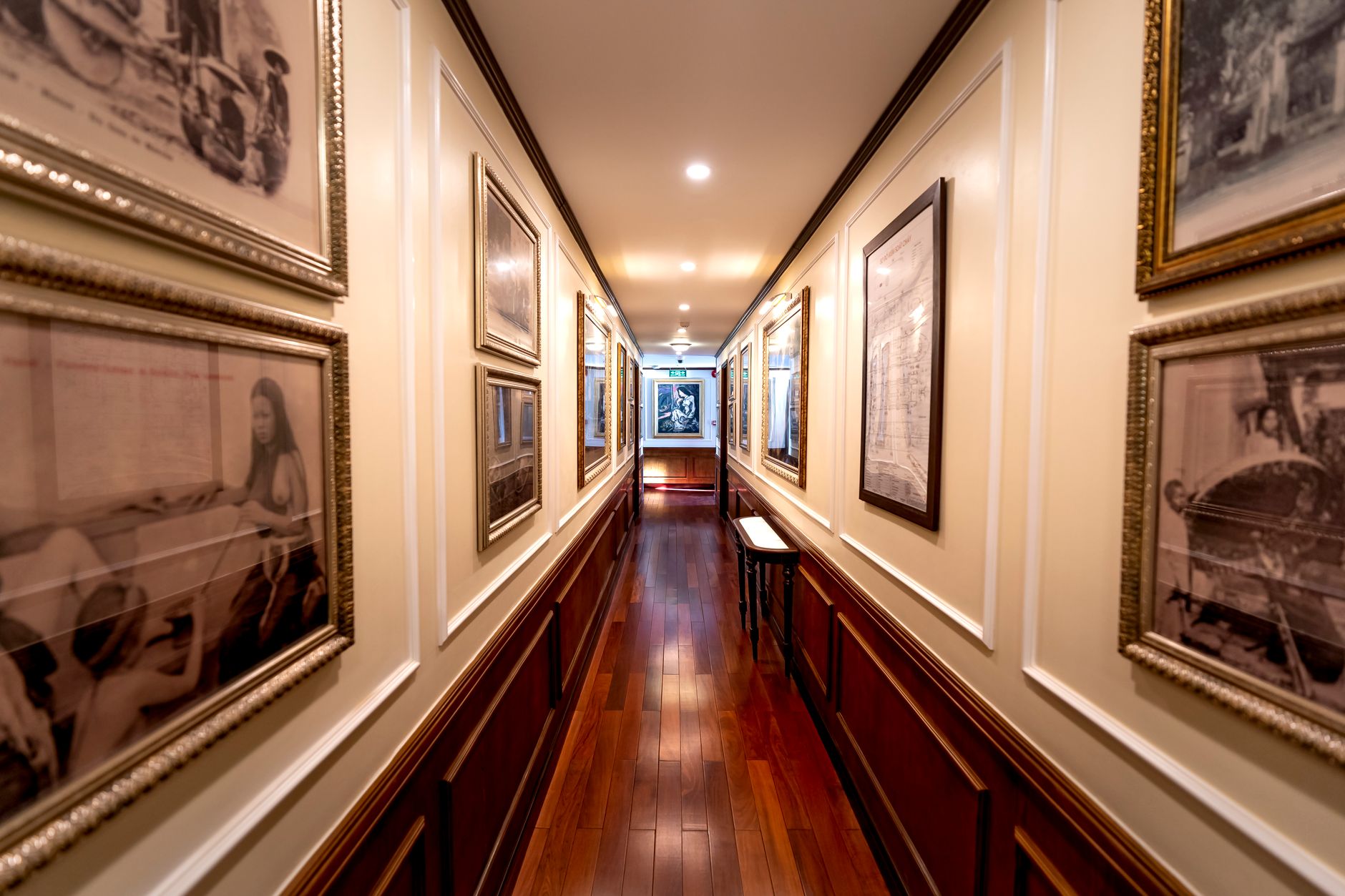
Route fit is usually the make-or-break factor. Many museums and aquariums have constricted exhibit paths, ticketing queues, benches, stanchions, and seasonal floor changes that punish a machine built for big open retail boxes. According to ADA guidance, accessible routes are generally 36 inches wide, and passing spaces matter where routes are narrower than 60 inches. A floor-care robot that barely fits on paper can still become a public nuisance in practice.
The next priority is operational discretion. These buildings are not warehouses and they are not closed-loop back-of-house sites. The machine has to navigate around school groups, stroller traffic, cafe spills, and photo-taking visitors without turning the guest experience into a maintenance event.
Why route geometry matters more here than in most commercial sites
Museum floor plans often look generous on a blueprint and cramped in operation. Temporary exhibits, queue rails, pop-up retail, donor events, and movable interpretation furniture create a layout that shifts month by month. That means buyers should evaluate the robot on its worst day path, not the cleanest route mapped during a sales visit.
Use a route checklist grounded in public circulation. Measure narrow exhibit transitions, vestibules, cafe pinch points, elevator lobbies, and the inside dimensions of any turn where the robot must swing around a case or obstruction. ADA references 36 inches as the minimum clear width for an accessible route, 60 inches for passing space, and 60 inches for a wheelchair turning circle. Those are useful buying thresholds because a robot that forces repeated manual interventions in these areas will lose labor value fast.
Ask to see supervised operation during live hours, with real guests present. A good commercial cleaning robot rental or pilot program should show how the machine handles paused routes, soft detours, and blocked aisles without constant babysitting. If the seller will only demonstrate after closing, you are not learning the part that matters most.
How mixed flooring changes the spec
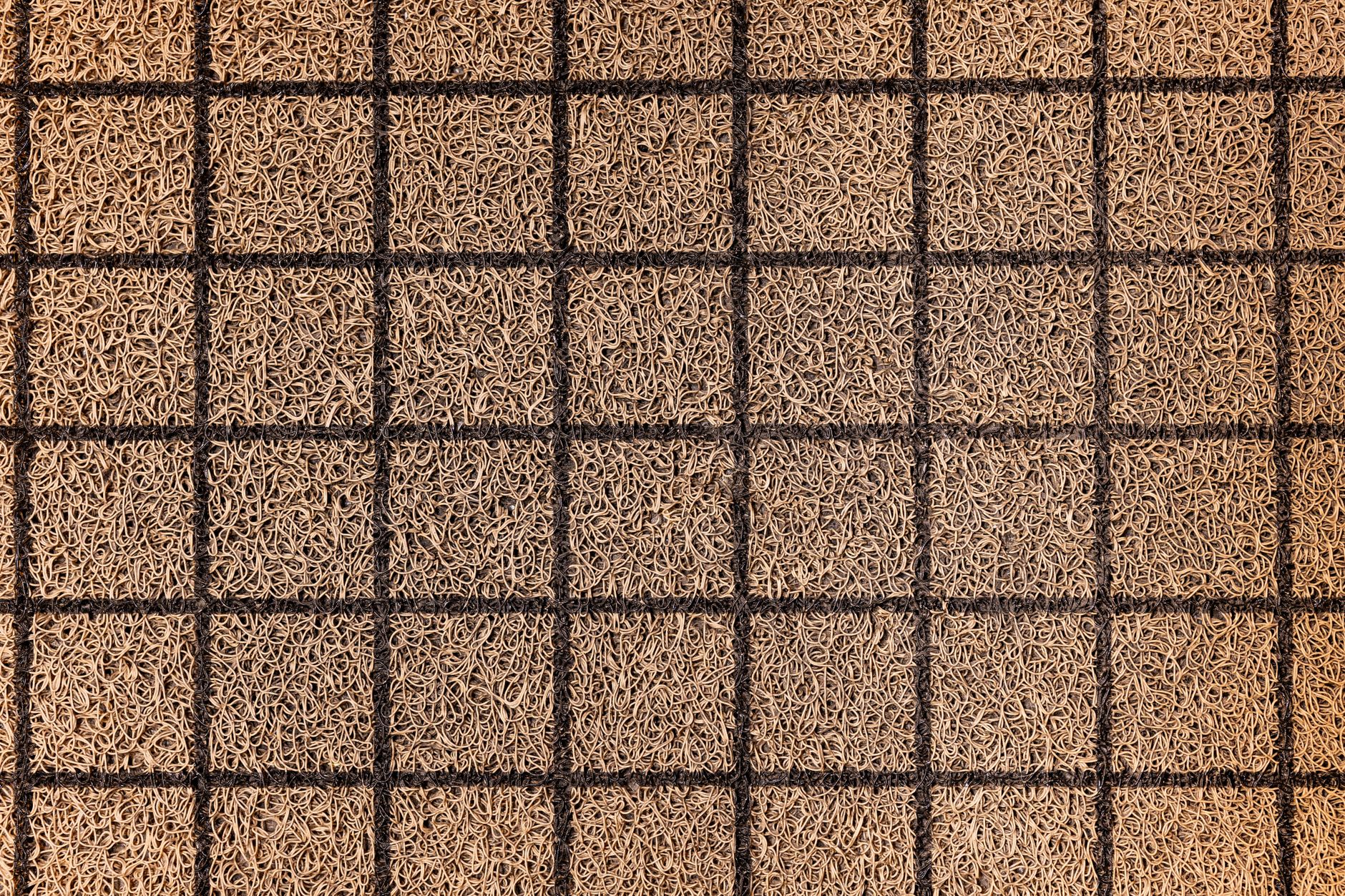
Most cultural venues do not have one floor condition. They have polished hard surfaces in lobbies, textured entries that trap grit, stone or sealed concrete in major halls, and carpet or rugs in quieter galleries, theaters, or donor areas. A buying process that treats the whole building as one surface type will miss the real cleaning burden.
That burden starts at the door. Floor-care teams know that entries drive downstream labor because dirt and moisture migrate into the building all day. Industry sources widely note that most dry soil on carpet is removable through frequent vacuuming, while EPA guidance stresses regular vacuuming and periodic extraction to protect appearance and indoor air quality. In practical terms, the robot you buy for hard-floor scrubbing still needs to fit into a broader floor-care program that handles carpet edges, mats, and transitions well.
Noise also belongs in this section, not in a footnote. EPA guidance on carpet in schools notes that carpet can reduce noise, falls, and injuries. That matters for museums because a machine that sounds acceptable on hard tile in a lobby may feel intrusive near carpeted or acoustically sensitive exhibit zones. Buyers should ask for operating sound data, then verify with an in-space daytime test near exhibits, not just in a service corridor.
What cleaning standard actually fits daytime guest traffic?
In public-facing venues, the right standard is not maximum water on the floor or the widest cleaning head. It is visible cleanliness with low disruption and safe recovery from spills. OSHA requires walking-working surfaces to be kept clean and, to the extent feasible, dry, and kept free of hazards such as spills. For museums and aquariums, that points buyers toward controlled water use, predictable drying behavior, and a plan for rapid spot response in cafe and restroom-adjacent zones.
CDC guidance for community facilities adds another practical filter. High-touch and high-traffic areas should be cleaned more frequently, and visibly dirty surfaces should be addressed promptly. That means a robot works best when paired with a human floor-care routine for edge cases like sticky drink spills, tracked-in rain, and exhibit debris. Buyers should not expect one machine to replace every porter task during public hours.
A stronger buying question is this: where does autonomy reduce the most repetitive labor while preserving the guest environment? In many museums, the answer is not every square foot. It is predictable loops in lobbies, ticketing forecourts, cafe perimeters, and broad circulation zones, paired with manual attention in tight or highly sensitive galleries.
How much daily traffic should your buying team assume?
Assume more variability than the cleanest attendance average suggests. The Institute of Museum and Library Services notes that its National Museum Survey now tracks visitation annually across museums, science centers, zoos, and aquariums because traffic patterns are central to planning. The American Alliance of Museums reported in February 2026 that 55 percent of museums in its 2025 national snapshot still had fewer visitors than in 2019, with median attendance at 81 percent of pre-2019 traffic. That means some institutions are still uneven, while others are packed on peak days.
At the large-venue end, the Smithsonian reports 16.5 million in-person visits in fiscal year 2025, and the National Aquarium reported more than 1.1 million guests in 2025. Numbers like those are a reminder that public floor care is not a static overnight exercise. Peak surges, school groups, weather-driven moisture, and foodservice bursts create sharp swings in cleaning demand across the same week.
For buyers, the implication is simple. Model coverage around peak traffic windows and shoulder-period cleaning opportunities, not around a flat daily average. A robot that only works when the building is nearly empty may still help, but it is a narrower asset than many proposals imply.

What service, support, and uptime questions matter most?
This is the section many buyers underweight. In a museum or aquarium, a robot failure is rarely private. If the machine stops in a lobby, leaves water down, or blocks a guest path, operations and guest services feel it immediately. That is why support terms deserve almost as much scrutiny as cleaning performance.
Ask for concrete operating commitments. How is remote triage handled? What counts as a dispatchable failure? Is there on-site support in your region, and how quickly can it arrive? Is there a backup robot program, spare unit coverage, or emergency robot replacement if a failure lands before a weekend event or member night? For public venues, maintenance included and emergency response nationwide are not marketing flourishes. They are risk controls.
This is where many operators prefer a service robot rental, robot leasing for business, or robot as a service model over a bare equipment purchase. Monthly payment programs and a floor scrubber monthly lease can align better with uptime expectations because the contract can be built around maintenance, training, and performance accountability rather than just ownership transfer.
Should you buy outright, lease, or start with a pilot?
For most museums, galleries, and aquariums, a pilot is the disciplined first move. It lets the team validate route fit, drying behavior, cleaning cadence, staff acceptance, and guest reaction before a larger commitment. The best pilots are long enough to include weekend traffic, at least one event day, and one bad-weather cycle so the route sees moisture and debris under real conditions.
After that, the financing choice depends on internal appetite for asset ownership and service management. If you have a strong facilities engineering bench and standardized sites, purchase can make sense. If you want no upfront capital, faster start-up, and clearer operating expense treatment, commercial cleaning robot rental, autonomous floor scrubber rental, or robot rental monthly structures are often easier to justify. They also fit institutions that want lease rental or sale options without a long procurement pause.
Do not chase the lowest monthly rates in isolation. Compare pilot support, site assessment mapping, go-live support, training, software management, service response, and replacement coverage. A cheap contract that leaves your team alone with uptime issues is not cheap for long.
Where a full-service integrator fits
Museum floor-care deployments are rarely one-box purchases. They involve route mapping, staff SOPs, charging placement, chemical handling, daytime operating etiquette, incident response, and long-tail service. That is why some operators work with a vendor neutral robot integrator instead of buying directly from a single manufacturer. The point is not brand variety for its own sake. It is matching the machine and support model to the building you actually run.
Service Robot Co. fits that model well for U.S. buyers that want one partner across the lifecycle. The company is OEM-neutral, then handles financing, deployment, integration, training, and service through a nationwide engineer network. For a museum team, that can simplify procurement and operations because the buying decision becomes less about picking a unit in isolation and more about securing turnkey robot deployment with one partner and one number to call.
That is especially relevant when your site needs a robot that fits your floor, your guest hours, and your staffing reality. In cultural venues, procurement discipline matters, but so does day-two support. The right machine is only half the purchase.
The short buying checklist
A museum-ready floor-care robot earns its keep through fit, discretion, and recoverability. If your team wants a fast screening tool, use this list before you go deeper into demos or contracts.
- Can it run productively in your real public paths, including 36 inch accessible segments, tight turns, and temporary obstructions?
- Has it been tested on your actual flooring mix, including stone, sealed hard floors, entry grit, and any adjacent carpet zones?
- Is daytime sound acceptable near quiet exhibits, not just in back-of-house corridors?
- Does the cleaning method leave floors dry enough for live guest circulation and spill-prone cafe zones?
- Can staff pause, reroute, and recover the machine easily without a specialist on site?
- What service level applies when the robot fails during public hours, and is spare-unit or loaner coverage available?
- Does the commercial cleaning robot rental or purchase proposal include mapping, training, software support, and maintenance, or only the unit itself?
- Has the pilot included weekend traffic, event traffic, and wet-weather conditions rather than a single calm weekday?