Key takeaways
- Start with cleaning robots when slip risk and floor recovery are the pain point. Start with inspection robots when leaks, underbody checks, and pit-side safety are the pain point.
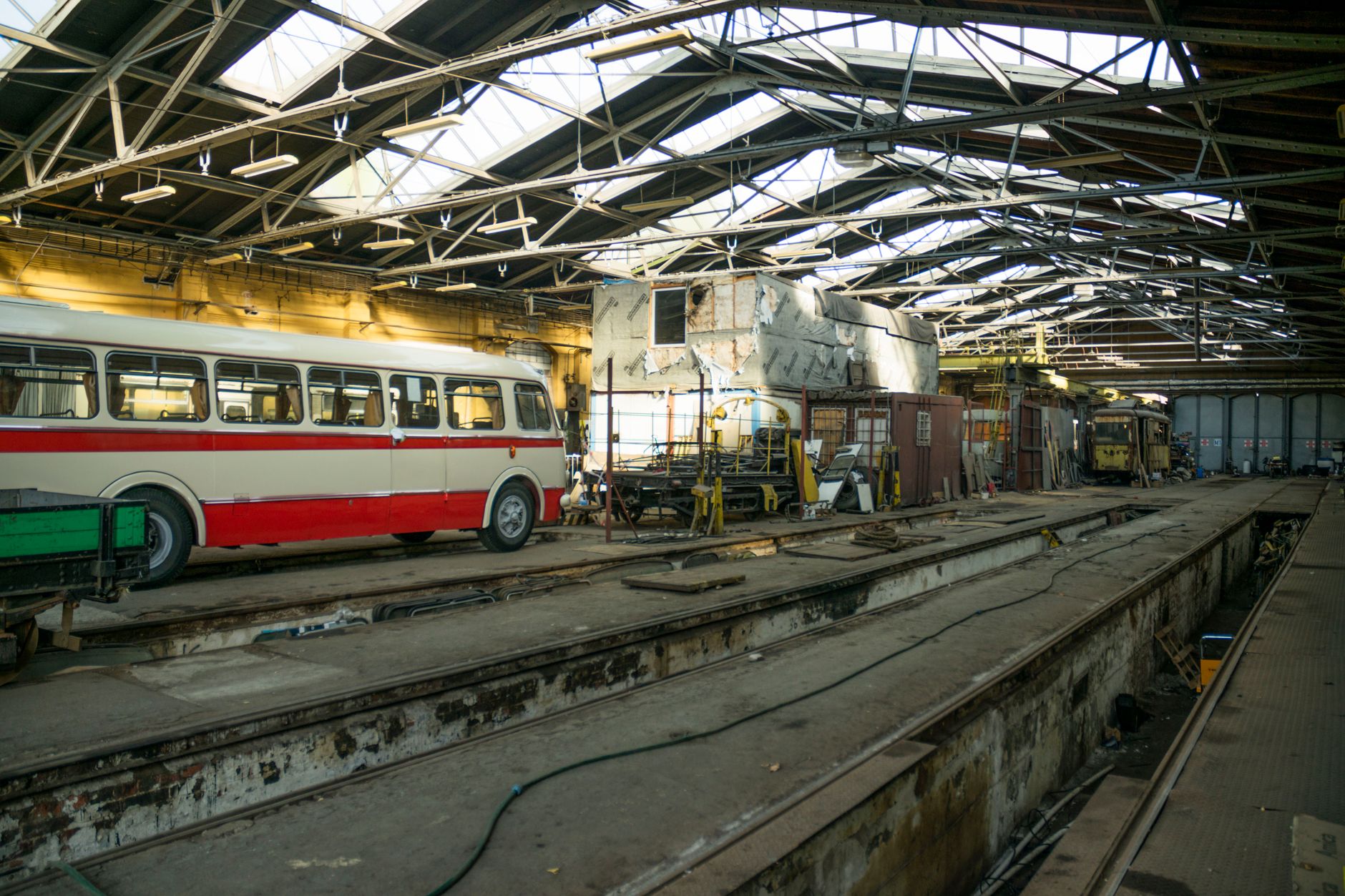
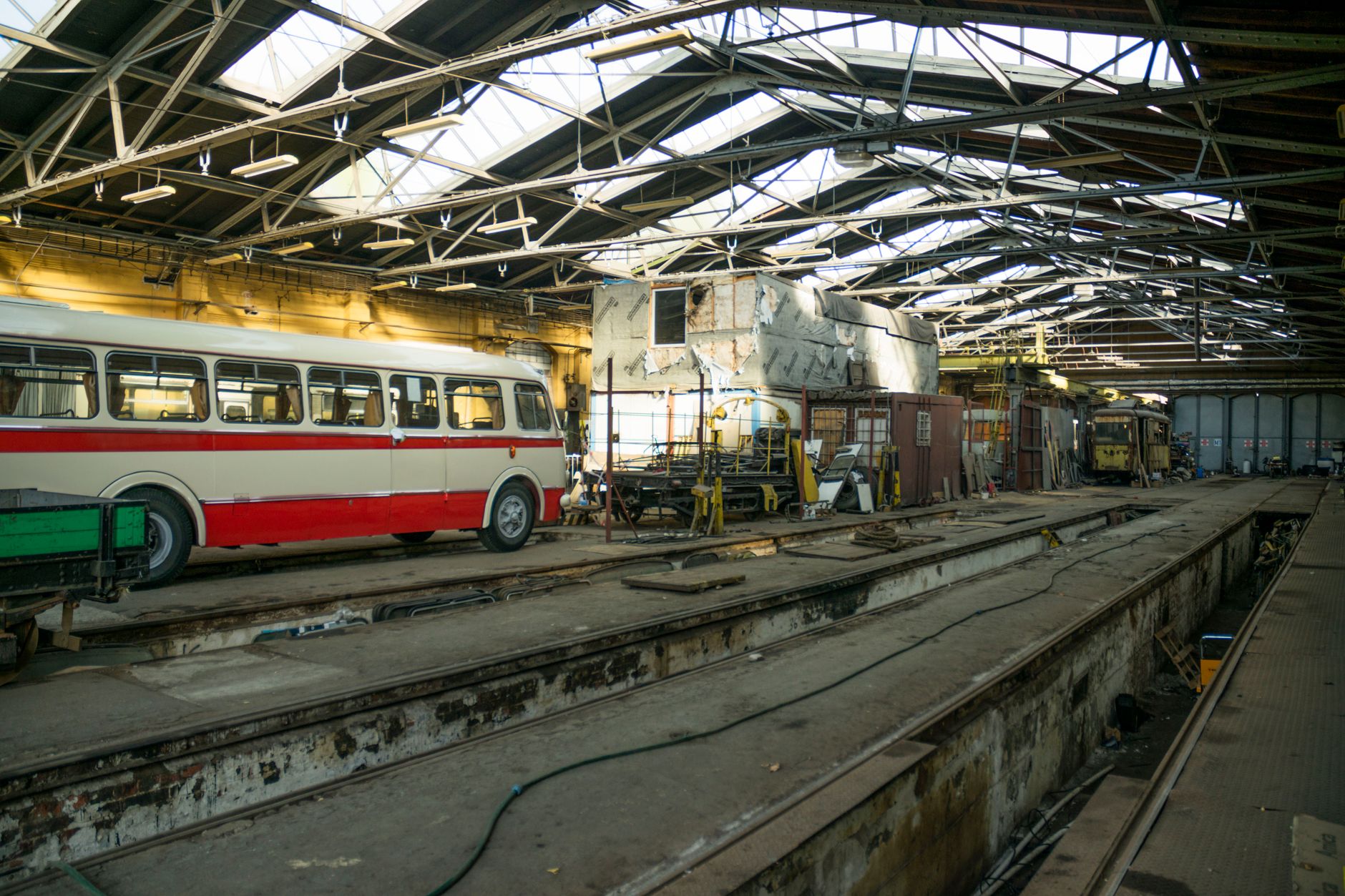
- Bus bays punish generic autonomy. Drain slopes, trench grates, standing rinse water, grit, and oil residue matter more here than in offices or light industrial aisles.
- A strong bus-bay spec should ask about water recovery, traction on slurry, edge behavior near pits and drains, and service response after overnight failures.
- Pilot structure matters. Commercial cleaning robot rental, inspection robot rental, or robot as a service terms can reduce risk while the depot proves drainage, workflow, and labor fit.
Which robot should a bus depot buy first?
If your biggest operational drag is wet floors, gritty lanes, and inconsistent overnight cleanup, buy a cleaning robot first. If your recurring misses involve fluid leaks, underbody damage, trench drain condition, or pit-side walkarounds that crews rush through at the end of a shift, buy an inspection robot first. In many depots the right answer is eventually both, but the first purchase should track the costliest failure mode in that bay, not the broadest feature sheet.
The timing pressure is real. According to APTA, U.S. public transportation delivered 7.7 billion trips in 2024, up 7 percent from 2023, and bus ridership had recovered to 86 percent of 2019 levels by April 2025. When utilization climbs, the maintenance window does not magically widen. That is why bus operators should choose between cleaning and inspection robots based on turnaround friction, safety exposure, and repeatability under wet, dirty conditions.
For most transit garages, a cleaning robot wins first when the floor itself is the hazard. An inspection robot wins first when the floor is manageable but defects on or under the vehicle are being found too late. Buyers get into trouble when they purchase a general autonomous platform and assume it will handle both jobs well in a live bus bay.
Why are bus bays harder than other commercial floors?
A bus bay is not a warehouse aisle with better branding. It mixes rinse water, brake dust, deicing residue, sand, oil sheen, and tracked-in street grit. The floor often changes character every few yards. One stretch may be broom-finished concrete near a lift or pit, another may be smoother at the wash exit, and another may pitch hard toward a trench drain that catches solids but unsettles small wheels and sensors.
Stormwater and washwater rules also change the buying logic. EPA guidance for passenger transportation facilities treats vehicle washing and maintenance as pollutant sources that can carry oil, detergents, heavy metals, salts, suspended solids, and other waste streams. That means the robot is not just a cleaner or a camera mule. It is moving through a managed wastewater environment where runoff routing, containment, and dry cleanup practices matter.
Bus operations add one more wrinkle. APTA's 2024 vehicle database says 56 percent of buses now run on alternative fuels, more than 1,100 zero-emission buses are in service, and 32 percent of buses on order are battery electric. A depot serving mixed propulsion fleets may need one robot posture for wash and floor recovery, and another for thermal, visual, or route-based inspection around charging areas, roof equipment access points, and high-voltage safety zones.
When does a cleaning robot make the better buy?
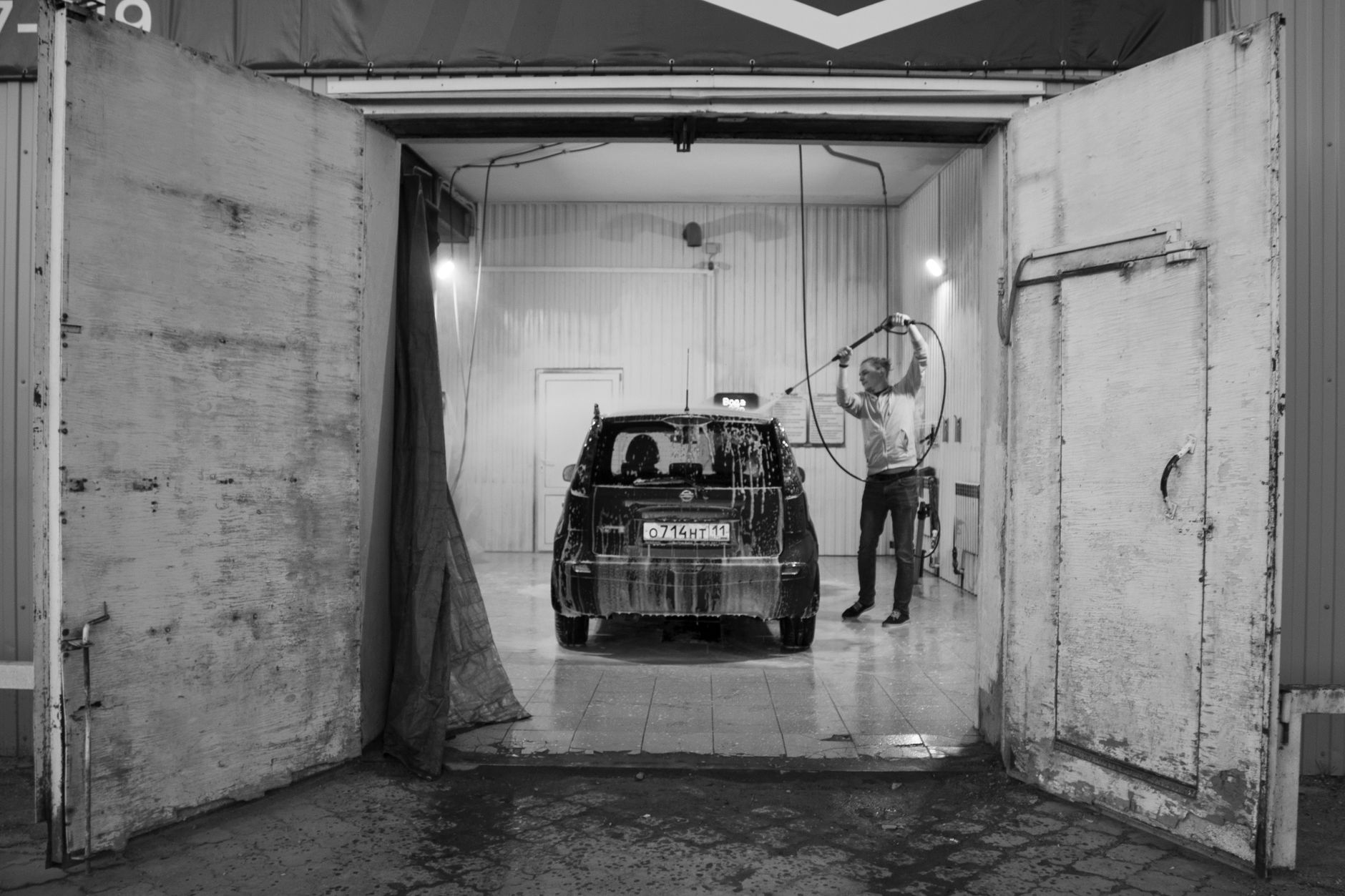
Choose a cleaning robot when the floor condition itself is driving labor burn, slip exposure, or inconsistent presentation at pull-out. OSHA requires workroom floors to be kept clean and, to the extent feasible, dry, and it specifically says drainage must be maintained where wet processes are used. In a bus bay, that pushes buyers to focus less on abstract coverage rates and more on recovery performance after washdown, tracking over grit, and the robot's ability to finish without leaving a damp film in pedestrian paths.
A cleaning robot is the better first buy when crews are spending too much time on repeat passes, squeegee work around drains, or recovery after a late inbound wave. It also makes sense when supervisors care about predictable overnight cleaning with no operator for long stretches, but still need a machine that can pause safely when a bus enters the lane or a mechanic crosses the route.
Ask direct questions that generic demos dodge. How does the machine behave on a floor with fine grit over water. How much dirty water does it truly recover in a wash-adjacent lane. Can it cross trench drains or grated transitions without wandering. Does it detect reflective puddles accurately. Can it segment routes so the muddy inbound lane and the cleaner outbound lane use different scrub pressure, chemical dosing, and speed.
- Buy cleaning first if your main loss is floor recovery after wash, fueling, or deicing residue.
- Buy cleaning first if slip prevention and visual cleanliness affect morning pull-out readiness.
- Buy cleaning first if you need large facility coverage across multiple lanes, but only after verifying the robot can handle your worst lane, not your easiest one.
- Prefer an autonomous floor scrubber rental or commercial cleaning robot rental pilot when you still need to prove traction, water pickup, and drain-crossing behavior in your own depot.
When does an inspection robot beat another cleaning pass?
Choose an inspection robot when the hidden cost sits in missed defects, not dirty floors. In bus maintenance environments that usually means leak detection, underbody visual review, drain and sump condition checks, thermal checks around electrical equipment, documentation of recurring housekeeping failures, or verification that a lane is safe before crews enter.
Inspection robots earn their keep when managers rely on rushed flashlight walks that vary by shift. A robot that repeats the same route, same camera angles, and same logging sequence can turn a vague end-of-night check into evidence. That matters in wet bays because the difference between a harmless puddle and a hydraulic leak can be one missed observation on a shiny floor.
An inspection robot also fits sites where the floor can already be cleaned adequately by existing crews or ride-on equipment, but supervisors lack consistent condition data. In that case a second scrubber is not the bottleneck. A repeatable inspection loop is. This is where inspection robot rental can be a smart pilot structure, especially for depots deciding how much of the workflow belongs to autonomous capture versus mechanic review.
- Use inspection robots for repeated drain checks, pit-perimeter walkthroughs, leak spotting, and post-wash verification.
- Use inspection robots when you need timestamped evidence, not just a cleaner floor.
- Use inspection robots when the bay has too many variable hazards for a cleaning machine to be your first automation win.
What floor, drainage, and pit details belong in the spec?

This is where buyers separate useful automation from expensive frustration. EPA's stormwater guidance for passenger transportation facilities recommends preventing run-on to maintenance areas, collecting stormwater runoff from cleaning areas for treatment or recycling, and avoiding pollutant discharge to storm drains. In practical buying language, that means your robot spec should map every drain type, wash lane boundary, sump location, berm, curb, and low spot before a vendor ever talks about autonomy performance.
Pits and edges matter just as much. OSHA requires fall protection for walking-working surfaces 4 feet or more above a lower level. If your bays include inspection pits, the robot must treat those edges as no-go zones with conservative behavior, not last-second avoidance theater. Buyers should ask how the system validates edge detection on wet concrete, grated perimeters, and reflective surfaces, and how route permissions are locked so a well-meaning night supervisor cannot casually remap the machine into a hazard.
The floor spec should also include what drains look like after a week of real use. A robot that performs fine on a clean demo slab may lose confidence when trench covers collect hairline debris, grit, or oily slurry. The more honest your site assessment mapping, the faster you will know if the right answer is route redesign, drainage correction, or a different class of machine.
- Document every trench drain, grate width, curb, berm, slope break, and pit edge before procurement.
- Ask for edge behavior proof on wet concrete, not just dry warehouse demos.
- Require route controls that keep unauthorized users from expanding operating zones into pits, lifts, or fueling pads.
What safety and environmental numbers should shape the decision?
Slips are not background noise in a wet depot. BLS reported that private industry saw 22.6 nonfatal falls, slips, and trips involving days away from work per 10,000 full-time workers in 2024, including 14.7 same-level events. Those are broad economy figures, not bus-garage-only numbers, but they are a useful reminder that the simplest failure in a wet bay is often a worker on foot, not a bus component.
EPA's transportation-facility stormwater fact sheet is just as relevant to robot buying as any autonomy brochure. It lists vehicle washing and maintenance as sources of oil, detergents, heavy metals, salts, suspended solids, and other pollutants, and it recommends practices such as regular cleanup, spill control, employee training, and treatment measures that can include oil-water separators. That has a direct implication for robotics. A cleaning robot that pushes contamination into the wrong drain path is not improving the operation. It is moving the problem.
Use those numbers and rules to rank risk. If same-level slip exposure and wet-floor recovery dominate, a cleaning robot is easier to justify. If environmental documentation, defect capture, and high-consequence missed observations dominate, an inspection robot may create the faster operational payoff.
How should operators buy, pilot, and support these robots?
Transit and private fleet operators should buy around serviceability, not only autonomy. Bus bays are punishing enough that uptime support matters almost as much as the machine. That is why many teams start with a commercial cleaning robot rental, an inspection robot rental, or a robot as a service structure with maintenance included instead of a straight purchase order. A floor scrubber monthly lease, robot leasing for business, or lease rental or sale comparison can make sense when the facility is still validating routes, drainage fixes, and crew handoffs.
The right pilot is narrow and honest. Pick the ugliest representative bay, not the hero lane near the front office. Measure morning floor dryness, manual rework, exception counts, missed inspection findings, and how often a human has to rescue the robot. If the pilot only works on the best concrete in the building, it has taught you almost nothing.
Service Robot Co. is relevant here because bus depots rarely need a single-brand answer. An OEM-neutral, vendor neutral robot integrator can choose the robot that fits your floor and your inspection workflow, then handle financing, monthly payment programs, site assessment mapping, robot deployment and integration, go live support, staff training, remote triage, commercial robot repair service, and on-site dispatch through one lifecycle partner. For operators who want one partner and one number, that structure reduces the usual blame-passing between manufacturer, software, and local service.
- Compare robot leasing vs buying based on pilot uncertainty, internal maintenance bandwidth, and how fast you need spare unit coverage.
- Require written response expectations for remote triage, emergency response nationwide, and backup robot program availability before signing.
- Ask for try before you buy terms if your bay conditions vary sharply by season or route type.
What a strong final decision usually looks like
The best bus-bay purchase is usually narrower than the first wish list and tougher than the first demo. Cleaning robots should win on water recovery, traction, edge discipline, and repeatable overnight execution. Inspection robots should win on route repeatability, image quality in dirty light, defensible logging, and safe behavior around pits, drains, and active maintenance zones.
If you run a depot with chronic washwater, tracked grit, and tight pull-out windows, start by solving the floor. If the floor is acceptable but the real risk is what crews are missing around the bus, under it, or beside it, start with inspection. If both are severe, sequence the buy by the loss category that recurs most often and costs the most to ignore.
That is the practical buyer's guide. In transit bus bays, the right robot is the one that survives the drains, respects the water, and makes the morning operation easier, not the one that looked smartest on a spotless demo floor.