
Key takeaways
- Robots are strongest in open lobbies, party rooms, and connecting corridors with stable layouts.
- Themed rooms, loose props, stairs, raised platforms, and changing puzzles usually stay on the manual route.
- Unattended floor cleaning still needs human preparation, exception handling, and a morning quality check.
- A live after-close pilot should measure completed coverage, interventions, preparation time, and finish quality.
What can the robot realistically finish by morning?
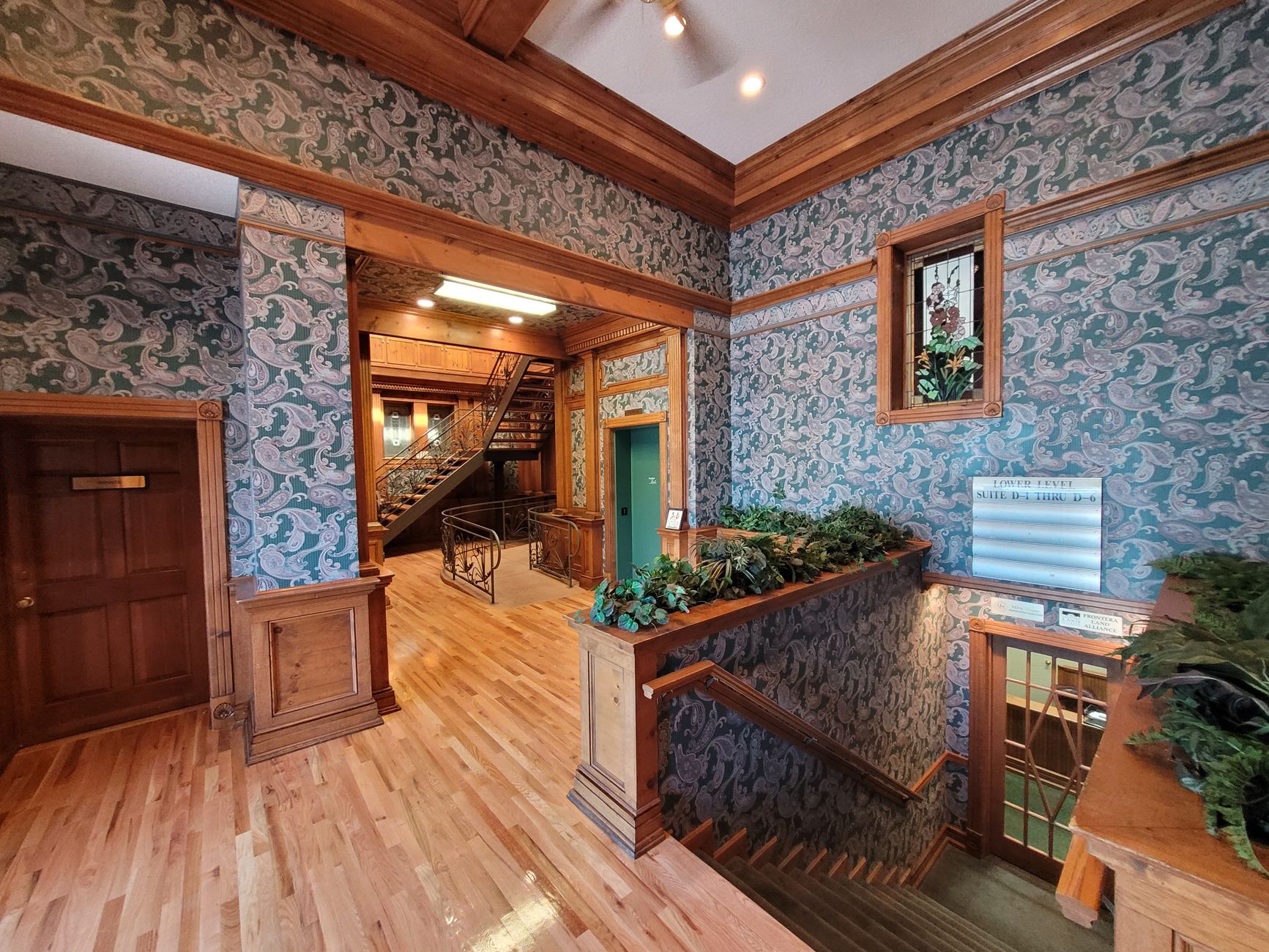
Yes, a robot can clean a substantial share of an escape-room venue overnight. The best territory is the predictable public footprint: the lobby, party rooms, queue areas, and connecting corridors. Those spaces offer repeatable routes, stable floor plans, and enough open area for an autonomous scrubber or commercial robotic vacuum cleaner to work productively.
The robot will rarely clean the entire property. Themed game rooms are deliberately irregular. They contain low props, false walls, cables, floor clues, concealed edges, and movable scenery that demand judgment. Stairs, raised platforms, tight alcoves, and detail work also remain human tasks.
The practical model is robot-led and human-finished. Overnight cleaning no operator can describe the autonomous floor run, but it should not imply a facility with no responsible person. Staff still prepare the route, handle alerts, clean excluded areas, and inspect the result before guests arrive.
Where does autonomy earn its keep?
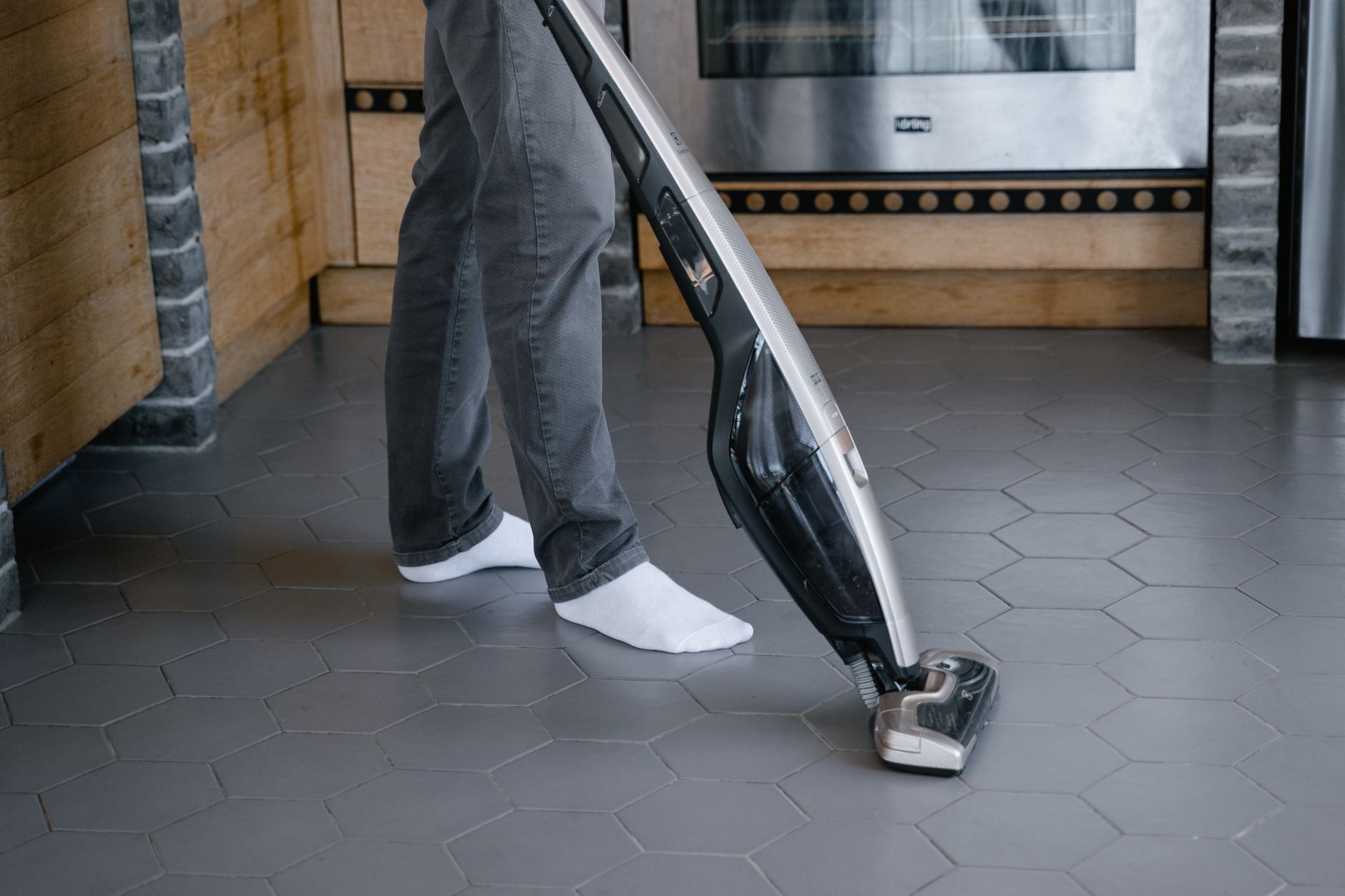
A robot earns its keep on repetitive square footage, not theatrical complexity. A large venue cleaning robot can take the long passes that consume night-crew time, while employees concentrate on food residue, touchpoints, props, restrooms, and room resets. That division is especially useful after birthday parties or corporate events.
Floor type matters. A night shift autonomous scrubber suits compatible hard flooring, while an autonomous vacuum robot lease serves carpeted areas. Selecting a robot that fits your floor is more important than forcing one machine across every surface. Mat wells, transitions, soft tiles, and polished finishes all need testing on site.
- Lobby: map broad traffic lanes around reception, then move rope barriers, floor signs, and lightweight displays before the run.
- Party rooms: establish a repeatable table-and-chair reset, and remove food scraps before autonomous floor care begins.
- Corridors: keep intended doors in a known state and exclude dead ends where the machine cannot turn or recover safely.
- Queue areas: retract movable dividers so the route stays consistent from one closing shift to the next.

Why do themed rooms resist automation?

An escape room is built to confound human perception. That same design creates poor conditions for robotic cleaning machines, which perform best when boundaries are stable and hazards are repeatable. Artificial rubble, draped fabric, loose puzzle pieces, floor-mounted locks, and cables can become entanglement points or damage-sensitive obstacles.
Darkness by itself is not an automatic disqualifier. The real question is how the full environment affects navigation. Mirrors, haze residue, reflective finishes, animated props, and scenery moved during a game should be tested under actual after-close conditions. A room that changes between storylines also needs disciplined map updates and no-go zones.
Some themed rooms may support a narrow, surveyed cleaning lane after portable items are removed. Many will not. Excluding a fragile room is often the sound engineering choice, because a few minutes of manual vacuuming is preferable to a damaged clue, shifted prop, or stranded machine.
What about stairs, thresholds, and tight turns?
Conventional autonomous floor machines stay on a single level. Stairs, stepped set pieces, raised platforms, sunken sections, and steep ramps need manual cleaning. Elevator travel can extend coverage in some buildings, but it adds door control, communications, recovery procedures, and another integration point. It does not solve stair treads or landings.
The U.S. Department of Justice says an accessible walking route is generally at least 36 inches wide, while a doorway must provide at least 32 inches of clear opening. Those dimensions are useful survey references, but ADA compliance does not prove robot compatibility. Machine width, turning geometry, sensor clearance, door swing, and threshold profile still govern.
Measure the narrowest usable point and the turn beyond it, not just the nominal doorway. Charging docks and parked machines must stay out of exit access. The 2024 International Building Code gives puzzle rooms special treatment only when the means of egress is not locked, readily identifiable, and always available, and local requirements may be stricter.
What must happen before the autonomous run?
Good overnight floor care begins with a closing routine. OSHA requires passageways and walking-working surfaces to be clean, orderly, sanitary, and, to the extent feasible, dry. It also requires regular inspection and correction or guarding of hazardous conditions. A robot can clean a mapped route, but it cannot take ownership of that facility-wide duty.
The closing employee should walk the route before launch. This is the moment to find a drink spill, loose cable, fallen game piece, or damaged threshold that could defeat the plan. Only then should the commercial cleaning robot lease begin its scheduled work.
A morning check completes the cycle. If the unit stopped early, skipped a blocked zone, or left water near a transition, staff need a defined recovery action before opening.
- Remove confetti, zip ties, cords, loose paper, and game pieces that can foul brushes or wheels.
- Pretreat sticky beverage residue and collect bulky debris that floor equipment is not designed to ingest.
- Open only mapped doors, close excluded rooms, and confirm that emergency exits remain unobstructed.
- Check battery state, tanks, filters, brushes, consumables, communications, and the route back to the dock.
- Record temporary no-go zones for wet repairs, unstable scenery, maintenance work, or newly moved furniture.
Which jobs should people keep?
People should retain the work that calls for touch, judgment, and care around the story. That includes dusting props, wiping locks and clue surfaces, cleaning display cases, vacuuming stairs, reaching edges behind scenery, emptying bins, servicing restrooms, and returning each game room to its exact reset state.
Cleaning and disinfection are also distinct. The Centers for Disease Control and Prevention says surfaces should be cleaned before sanitizing or disinfecting because dirt can make those later processes less effective. A floor robot does not replace a touchpoint protocol for door handles, tablets, locks, buttons, and shared props.
This division addresses capacity without pretending every task is interchangeable. The Bureau of Labor Statistics projects about 351,300 openings for janitors and building cleaners each year on average from 2024 through 2034, mostly because workers leave the occupation or labor force. Automation can absorb repetitive floor mileage while the available crew handles the work that needs human eyes and hands.
How do you verify a clean morning handoff?
A coverage report shows where a machine traveled. It does not, by itself, prove that the floor is clean. Operators need a morning acceptance check that compares the planned route with completed coverage, reviews exceptions, inspects representative floor areas, and confirms that the robot returned safely to its dock.
During a robot pilot program, record route preparation time, autonomous completion, staff interventions, missed edges, visible soil, and recovery time. Test after a normal close and after a demanding party-room turnover. A polished demonstration on an artificially empty floor says little about daily operation.
Success should be defined before the commercial robot demo. The target might be dependable lobby and corridor coverage with no prop contact, plus a predictable handoff to the manual crew. A robot floor cleaner lease is worthwhile only when that result repeats under the venue's ordinary closing conditions.
How should an operator pilot and procure the machine?
Start with site assessment mapping, floor testing, doorway and turn measurements, dock placement, wireless checks, and an inventory of movable obstacles. Then run the candidate through a real close. A free site assessment may help narrow the field, but the decisive evidence comes from the venue's own floors, lighting, transitions, and reset practices.
Service Robot Co. is a full-service, OEM-neutral commercial robot integrator for U.S. businesses. Instead of steering an operator to one manufacturer, the team selects the right equipment across manufacturers, then handles robot financing, robot deployment and integration, training, and service through a nationwide U.S. engineer network. It gives the venue one partner, one number across the lifecycle.
Procurement can include commercial robot leasing, service robot leasing, robot leasing for business, or purchase. Compare the contract term, monthly payment programs, RoboCare™ service, consumables, remote triage, on-site dispatch, replacement process, and end-of-term options. A floor scrubber monthly lease or robot leasing monthly plan can reduce initial capital exposure, while ownership may fit a stable, heavily used route.
The final choice should follow the tested job, not a generic feature list. For an escape-room operator, that usually means a compact machine assigned to public areas, a clearly documented human route for themed rooms and stairs, and a robot maintenance service plan that keeps the overnight schedule credible.