
Key takeaways
- Robots fit sealed-product warehouses, shipping lanes, corridors, and other non-food zones best.
- An ordinary robotic sweeper should never be assumed safe for combustible flour dust.
- Remove dry solids before scrubbing because flour and grease can become a tenacious paste.
- Food-contact surfaces, allergen changeovers, overhead dust, and confined equipment areas still need manual sanitation.
The short answer: automate by zone, not by building
Yes, cleaning robots can handle part of a commercial bakery's floor-care workload. Their strongest territory is the open, repeatable floor space outside exposed-food areas: sealed-product warehouses, shipping lanes, corridors, packaging support areas, and employee spaces.
They are a conditional fit on production floors. Flour concentration, combustible-dust classification, exposed product, allergen controls, grease, drainage, and the bakery's written sanitation procedures all determine if robotic sweeping or scrubbing is acceptable. A machine that performs well in a distribution center may be unsuitable beside a flour dump station.
Robots should not replace manual food-zone sanitation. Mixers, slicers, conveyors, pans, racks, guards, drains, overhead ledges, floor-wall junctions, and surfaces near exposed ready-to-eat food still demand trained people using validated procedures. The practical model is robotic coverage for suitable floor acreage, with sanitation crews owning the critical boundaries.
Why does flour dust change the equipment decision?
Flour is not ordinary warehouse dirt. Fine particles can become airborne when side brushes strike a deposit, and material collected in a hopper can be released again during emptying or filter service. Dust can also migrate toward exposed dough, packaging, or a product that receives no later kill step.
OSHA identifies flour as a potential combustible dust. Its technical guidance warns that a conventional vacuum that is not dust-ignition-proof can ignite a dust cloud. HEPA filtration may improve particle capture, but HEPA filtration alone does not establish that a sweeper or vacuum is suitable for a combustible-dust area. Electrical classification, ignition sources, grounding, dust containment, and the properties of the actual flour mixture require a documented hazard assessment.
OSHA's combustible-dust guidance uses a layer deeper than 1/32 inch across more than 5 percent of a room's footprint as a cause for concern. For rooms over 20,000 square feet, 1,000 square feet is the referenced upper area. Those figures are bulk-density-dependent screening criteria, not acceptable housekeeping targets. A bakery should act well before deposits approach them, including on beams, ducts, cable trays, and equipment tops that a floor robot cannot reach.
Food rules add another boundary. Under 21 CFR 117.20, a facility may use separation by location, time, partitions, airflow, dust controls, or enclosed systems to reduce allergen cross-contact and contamination. A robotic route must respect those controls rather than carry flour on wheels and brushes from one production zone to another.
Crumbs and grease create different cleaning problems

Crumbs are easier to collect than flour, but they accumulate under racks, beside curbs, around conveyor supports, and inside damaged joints. Large pieces of dough can jam a sweeping path or smear beneath a drive wheel. Crumb removal also supports pest control, so unreachable edges cannot quietly become the crew's forgotten territory.
Grease migration is more stubborn. Pan-release agents, butter, shortening, fryer residue, and maintenance lubricants can travel on shoes and cart wheels. Add flour and the residue becomes an adhesive paste that loads brushes, clogs squeegees, and leaves a dull, slippery film instead of a clean floor.
The usual sequence is dry recovery of loose flour and crumbs, manual removal of dough deposits, then controlled scrubbing of the remaining oily film with approved chemistry. In its January 2025 draft guidance for low-moisture ready-to-eat foods, the FDA recommends using dry-cleaning techniques where practical, limiting controlled wet cleaning, and drying promptly after water is introduced. That makes an autonomous floor scrubber a planned tool, not the default response to every bakery soil.
Which bakery areas are the strongest robot candidates?
A useful internal map separates the plant into three operating categories. These are not regulatory classifications. They are a practical way to translate the facility's hazard analysis and sanitation plan into routes, no-go zones, and equipment assignments.
Start with the low-risk acreage. It produces the most repeatable coverage and the fewest sanitation conflicts. Conditional areas should enter a pilot only after food safety, sanitation, and environmental health and safety leaders approve the operating method.
- Strong fit: finished-goods warehouses and shipping lanes after products are sealed and cases are intact.
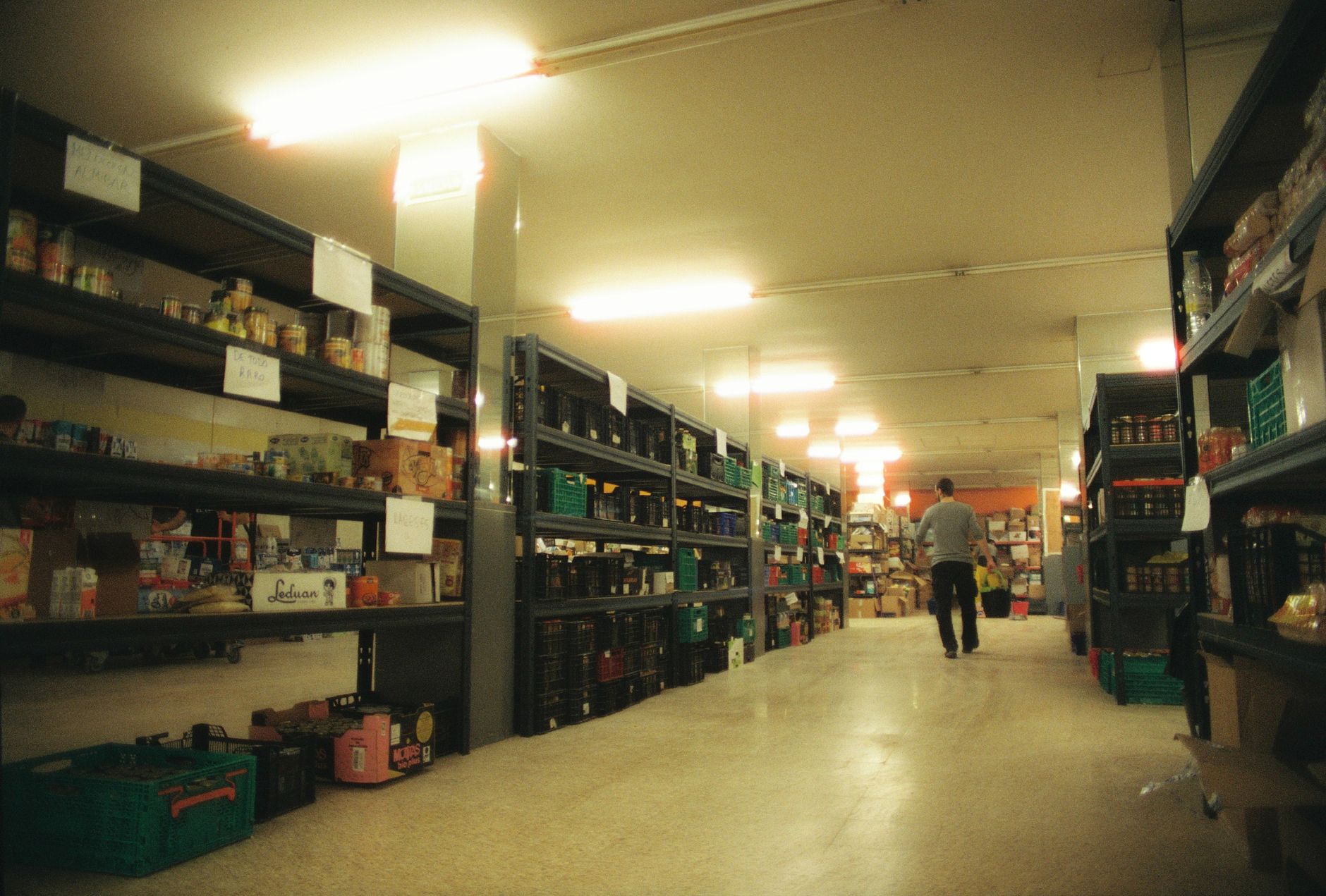
- Strong fit: main corridors, offices, locker-room approaches, break areas, and other floors separated from production.
- Conditional fit: packaging aisles outside the exposed-product envelope, operated during an approved sanitation window.
- Conditional fit: ingredient-storage travel lanes with closed, undamaged containers and no active flour leakage.
- Conditional fit: broad production-floor sections after exposed food is removed or protected, dry debris is recovered safely, and water movement is controlled.
Where must manual food-zone cleaning remain?
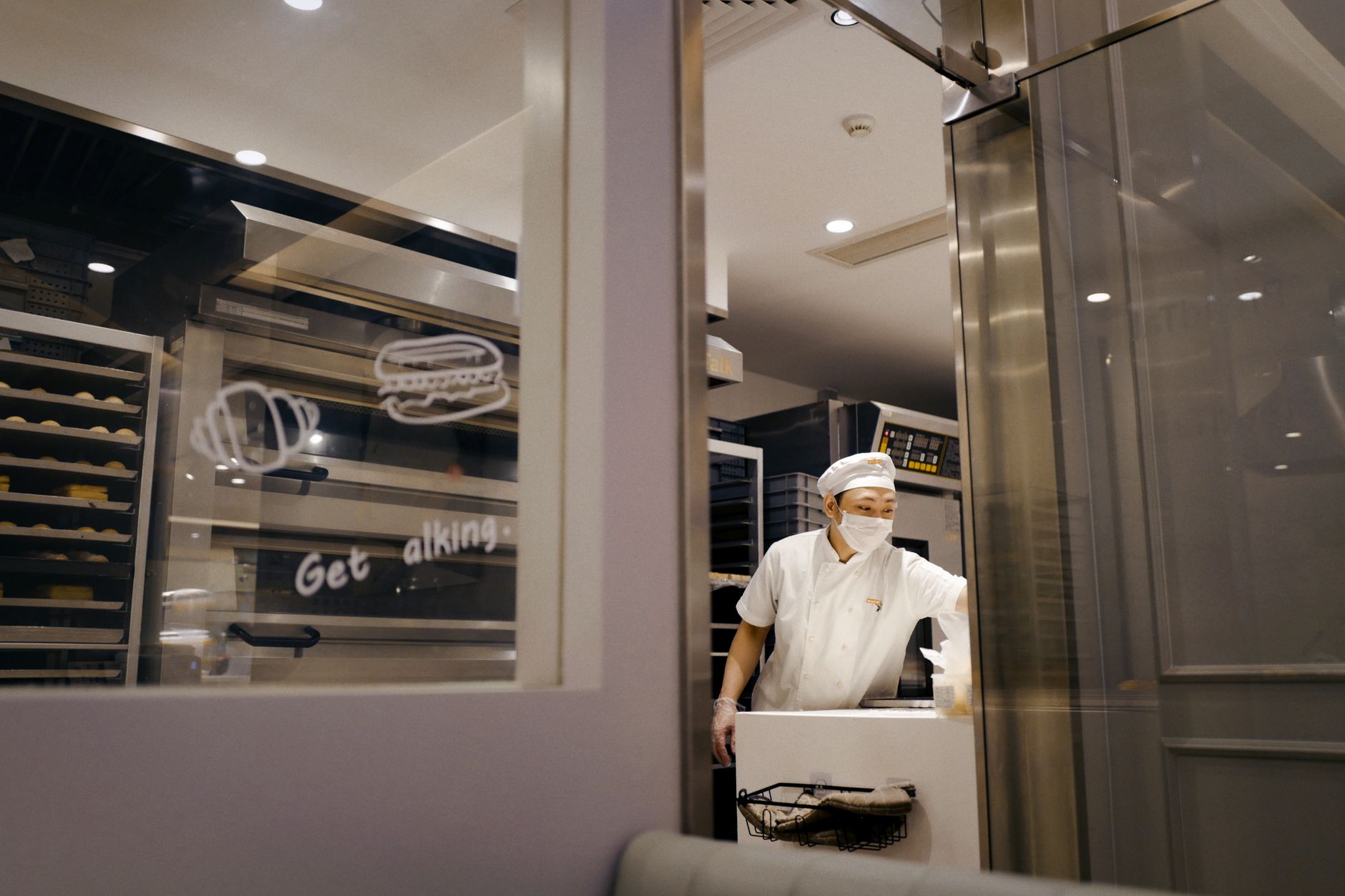
FDA's 21 CFR 117.35 requires food-contact surfaces to be cleaned as often as necessary to protect against allergen cross-contact and contamination. It also requires non-food-contact equipment surfaces to be cleaned frequently enough to protect food, packaging, and food-contact surfaces. A floor robot does not assume either responsibility simply because its route passes nearby.
The enforcement risk is concrete. In a May 28, 2025 bakery warning letter, the FDA described sesame seeds on trays and breads that were not formulated with sesame, caked residue on slicers and racks, and incomplete sanitation procedures for shared equipment. The lesson is not that more floor passes would have fixed the plant. The missing work involved food-contact surfaces, written controls, monitoring, verification, and corrective action.
- Food-contact equipment, utensils, pans, trays, racks, slicers, and conveyors.
- Inside or beneath guards, mixers, proofers, dividers, and other confined or partially dismantled equipment.
- Active flour spills, overhead deposits, dust collectors, ducts, beams, ledges, and concealed spaces.
- Drains, cracked floors, floor-wall junctions, dock-plate gaps, and spaces behind fixed equipment.
- Allergen changeovers and any cleaning step used to release a line for the next product.
- Egg, dairy, grease, or wet ingredient spills requiring immediate containment and a specific sanitation response.
How should sanitation boundaries be built around a robot?
Give each approved route a soil profile, production state, cleaning method, and stopping rule. Specify when exposed food must be absent, which doors or curtains stay closed, where the robot may dump or refill, and which condition triggers a manual response. Site assessment mapping should encode these boundaries as hard no-go areas, not informal notes for the night crew.
Dedicate brushes, pads, squeegees, hoses, recovery tanks, and waste-handling tools by hygiene or allergen zone where the food-safety plan calls for separation. The dock belongs in a non-food area with enough room to remove dirty components without splashing adjacent traffic lanes. The robot itself needs a documented cleaning schedule because wheels and undersides can become transfer vehicles.
Write the robot into the sanitation standard operating procedure. The document should identify approved chemistry, concentration, contact conditions, dry-out expectations, pre-operational inspection, records, verification, and corrective action. Scrubbing removes soil, but it does not automatically constitute a validated sanitizing step. The bakery's preventive-controls qualified individual and sanitation lead should make that determination.
What must a bakery robot pilot prove?
A commercial robot pilot program should run through representative production and sanitation cycles, including the dirtiest normal shift. A polished demonstration on a freshly cleaned aisle says little about flour loading, greasy turns, pallet congestion, or cross-zone transfer.
Define pass criteria before deployment. Food-safety performance and human touch-up time matter as much as autonomous coverage. OSHA also requires walking-working surfaces to remain clean and, to the extent feasible, dry, so residual water, traction, and spill response belong in the acceptance test.
- Measure airborne dust during dry pickup and inspect for leakage at brushes, filters, seals, and emptying points.
- Swab or otherwise verify designated boundary surfaces for relevant allergens under the bakery's established program.
- Check wheel tracks, squeegees, tanks, and pads for residue transferred between route segments.
- Record missed edges, manual pretreatment, fill and drain labor, consumable changes, interventions, and post-run robot cleaning.
- Verify safe stops around racks, carts, people, doorways, hoses, floor damage, and temporary production obstacles.
- Test controlled wet cleaning for puddling, drainage behavior, grease smearing, and the time needed to return the area to its required dry condition.
Choosing and supporting the right machine
Bakery contamination is a poor match for buying from a specification sheet alone. A floor sweeping robot lease may suit a sealed-goods warehouse, while an autonomous floor scrubber lease may serve a separate greasy traffic lane. Neither should be placed in a flour hazard area until its construction and operating method match the site's dust assessment.
Service Robot Co. serves as an OEM-neutral, full-service commercial robot integrator for US businesses. The team evaluates machines across manufacturers, then handles financing, robot deployment and integration, training, and service. Commercial cleaning robot leasing, purchase, and monthly payment programs can be structured around the approved application rather than forcing one machine across incompatible zones.
That lifecycle matters after go-live. RoboCare™ service arrangements can pair a robot maintenance service plan with remote triage and on-site dispatch through a nationwide US engineer network. Operators get one partner and one number for the fleet, while bakery sanitation and safety leaders retain authority over food-zone procedures.
The practical verdict
Cleaning robots earn their place in commercial bakeries by taking ownership of repeatable, non-food-contact floor acreage. They can collect ordinary crumbs, sweep approved low-risk routes, and scrub compatible hard floors while employees concentrate on equipment, edges, overheads, spills, and validated sanitation work.
The first question is not simply whether a robot can pick up flour. It is where the machine can operate without dispersing dust, introducing unwanted water, or transferring grease and allergens. Draw that boundary correctly, test it under real production conditions, and automation can become a disciplined layer of the sanitation program without pretending to replace it.
Frequently asked questions
Sources
- eCFR 21 CFR 117.20, Plant and Grounds
- eCFR 21 CFR 117.35, Sanitary Operations
- OSHA 1910.22, Walking-Working Surfaces
- OSHA Technical Manual, Combustible Dust
- OSHA Combustible Dust Layer Interpretation
- FDA Draft Guidance for Low-Moisture Foods
- FDA Food Allergies and Cross-Contact
- FDA May 2025 Bakery Warning Letter