
Key takeaways
- Robots suit the repetitive part of guard work: patrol rounds, recording and flagging anomalies. People keep judgment, conversation and response.
- The US Bureau of Labor Statistics projects about 157,200 guard openings a year, mostly to replace workers who leave, and night shifts are common.
- Warehouse and distribution sites are among the most targeted locations for cargo theft, according to a January 2026 report on Verisk CargoNet data.
- A campus adds people, events and wide open ground, so route design and a speaker for staff to talk through matter as much as the sensors.
- Write the handoff before the pilot: what triggers an alert, who sees it first, who walks to the spot and when police are called.
Can security robots support guards at warehouses and campuses?
Yes. Security robots can support guards at warehouses and campuses by taking over repetitive patrols, recording what they see and flagging anomalies, while people keep judgment, conversation and response. Service Robot Co. selects the robot for each site, leases it on a 3-year lease with a $1 buyout, deploys it and services it.
The makers describe the split the same way. Cobalt AI says robots perform vigilant, repetitive patrolling and identify anomalies, while humans are best at assessing the context of a situation. A report from The Next Web in August 2026 says robots handle repetitive tasks such as perimeter rounds and flagging alarms, and that humans still verify every threat.
Independent voices agree on the direction. UC Berkeley's Enrique Lopezlira told The Next Web that the realistic near term effect is not that guards are replaced, and that the human role will shift toward harder, higher stakes work. The rest of this guide covers where that division of labor holds up on a yard, a warehouse floor and a campus.
Why are guard shifts so hard to cover?

Start with the schedule. The US Bureau of Labor Statistics says security guards and gambling surveillance officers usually work shifts of about 8 hours on rotating schedules, and that night shifts are common. The same page lists about 1,304,000 jobs in 2025 and projects about 157,200 openings a year over the decade, mostly from replacing workers who leave the occupation.
Turnover explains why. A UC Berkeley Labor Center report, as summarized by Stand for Security, put annual turnover in the security industry at 89 percent in 2024 against a 66 percent private sector average, and says the industry has exceeded that average every year for a decade. The summary also says security officers die on the job at more than twice the rate of the average worker, with nearly two thirds of fatal injuries coming from assaults and other violent acts.
None of that means a robot fixes staffing. It means the dull, repeated, hours-long part of the job is the part that wears people out, and it is also the part a machine can do on a schedule. Coverage that does not depend on who is on shift tonight has real value to a site manager, even when the guards stay.
What do robots do on a warehouse yard, dock and floor?
Warehouses are a known target. A January 2026 Claims Journal report on Verisk CargoNet data counted 3,594 supply chain crime events in the US and Canada in 2025, against 3,607 in 2024, and 2,646 confirmed cargo thefts, up 18 percent. It names warehouse and distribution centers and truck stops as the top targeted location types.
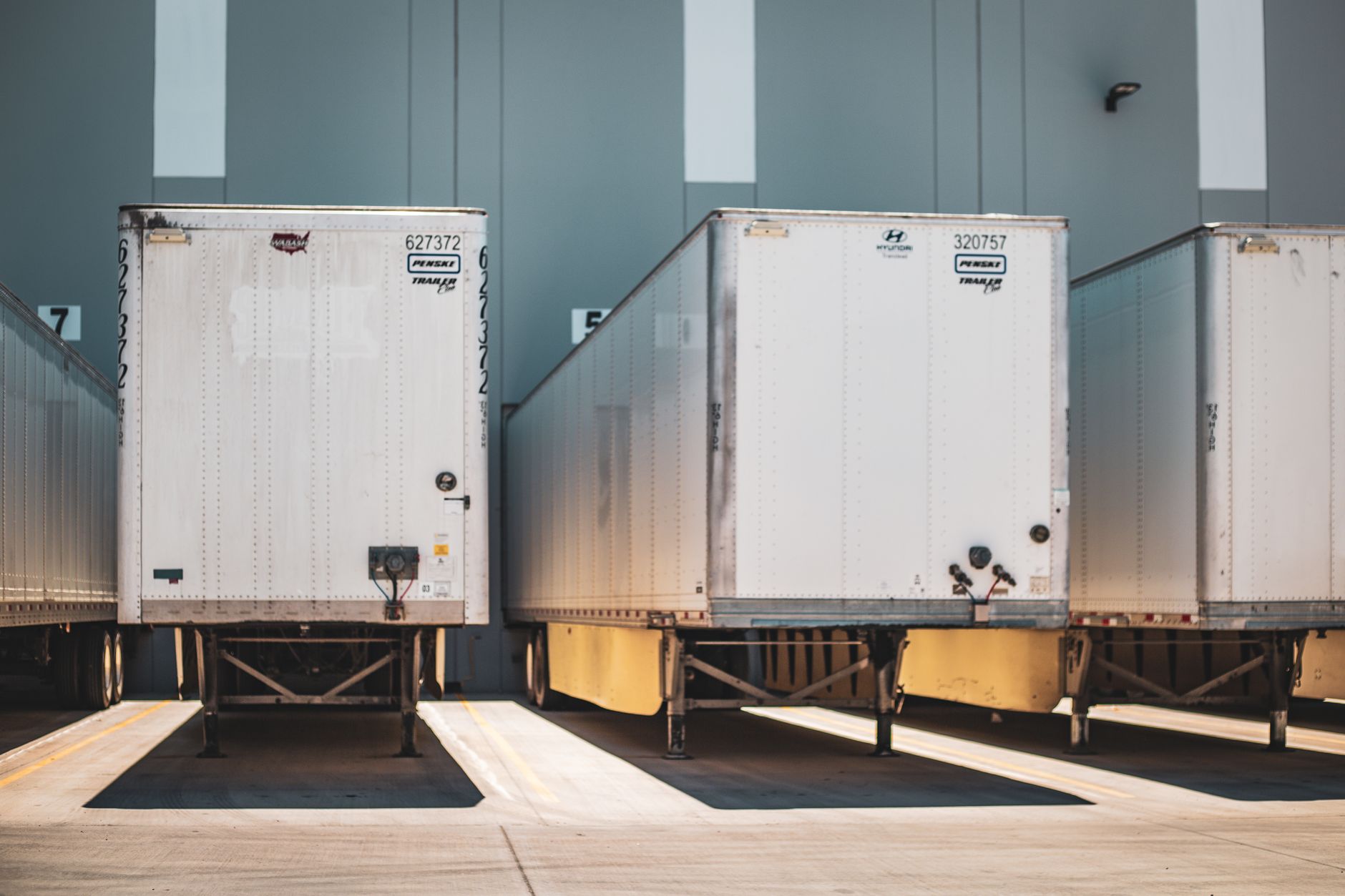
Outdoors, a patrol robot walks the gate, fence line, dock doors and trailer rows on a schedule and keeps a recorded log. Knightscope lists warehouses and logistics facilities among the sites for its K5, and Boston Dynamics describes perimeter security on its public safety datasheet as automating security rounds, performing scans and detecting potential risks in dynamic environments. A 2017 SecurityInfoWatch report from ISC West described one maker aiming its robot at tough-to-staff graveyard shifts in warehouses, big-box stores and data centers.
Indoors, the job changes. Cobalt AI describes its robot as built for indoor enterprise sites including manufacturing floors, and lists door held open events, tailgating attempts, after-hours presence and environmental anomalies as examples of what it flags. When a door alarm fires, the robot can be dispatched to look, and non-critical events are cleared automatically. A guard walking a quarter mile of racking at 3 a.m. is better spent elsewhere.
Scope the first jobs narrowly. A robot does best with a short list of checks it repeats on a schedule, and a list your supervisor can read the next morning.
- Gate and fence line rounds on a fixed schedule
- Dock doors left open after the last shift
- Trailers or equipment out of place against the morning log
- Lights out, cameras blocked or fence damage
- A recorded log your supervisor reviews each morning
How do robots fit a campus?
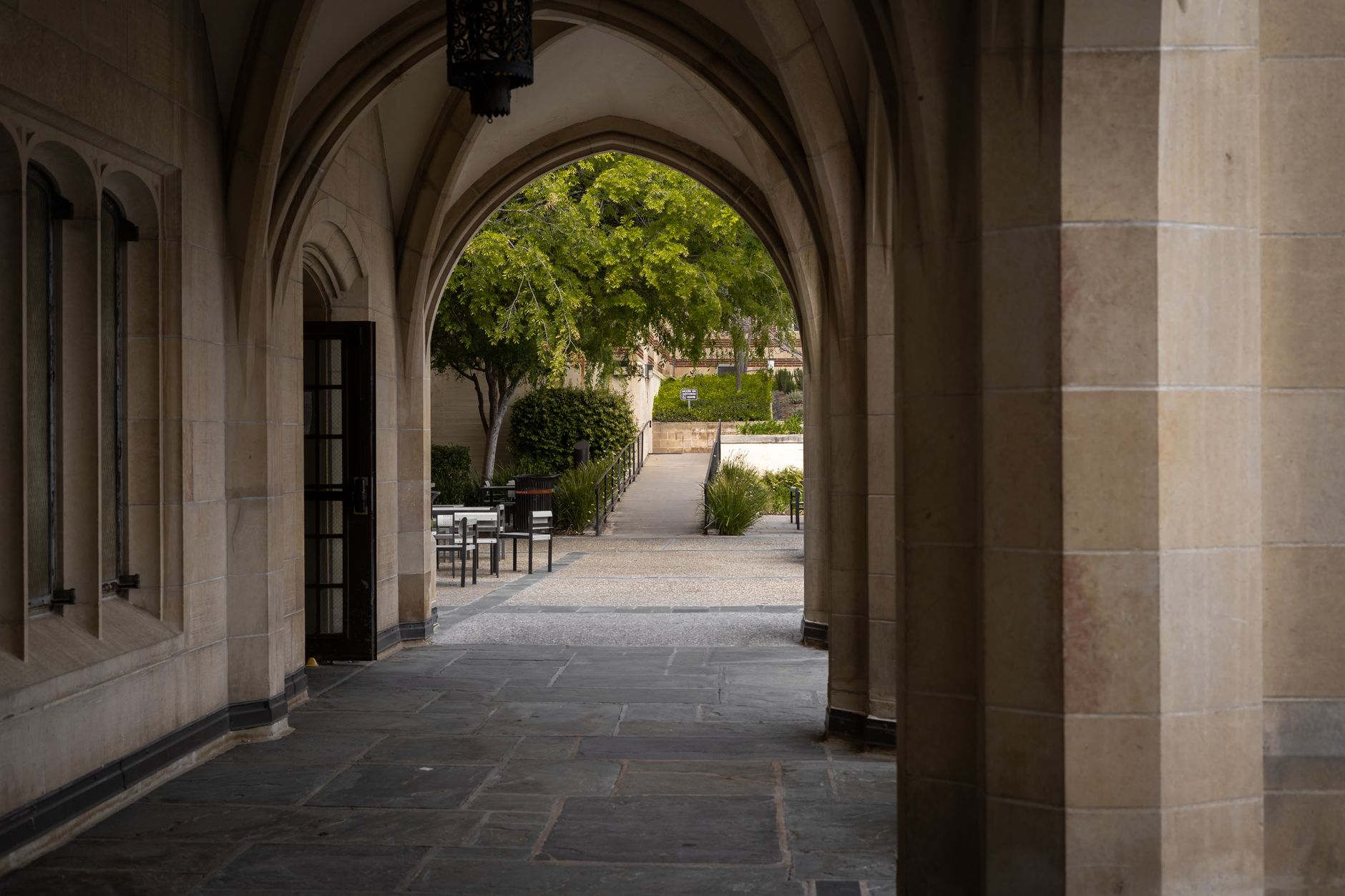
A campus is mostly open ground, with buildings, parking and walkways spread across it. Knightscope lists corporate campuses and college campuses among the places it patrols, and Cobalt AI describes its robot as designed for enterprise indoor environments including corporate campuses. The robots cover different parts of the same property, so the site decides which kind you need.
People change the job. Knightscope says in its 2025 post that when someone approaches, the K5 pauses, plays a preset message and routes around the person, and that staff can speak to people remotely through a two-way intercom. A campus also has events, deliveries and visitors who have never seen a patrol robot, so signage and a short briefing for staff do real work.
Dispatch matters as much as patrol. EdTech Magazine quoted an AT&T executive in 2024 saying its robot dog offering could integrate into an existing automated dispatch system, letting dispatchers track the robot's location and watch a livestream of its patrol. Ask any maker where alerts land: on a screen your officers already watch, or on yet another one.
Decide who owns the robot. Campus police, facilities and IT are often separate groups, so name the one that answers when a unit is stuck or flat at midnight. Campuses also run on a calendar. Move-in week, game days and exams all change foot traffic, so a written process for changing routes keeps the robot useful through the year.
What should guards still do?
The human part is the part that carries risk. The Next Web report says guards keep de-escalating conflicts, responding to mental health crises and making situational judgments that current autonomous systems cannot replicate. Cobalt AI describes clear human to human communication between the robot operator and first responders once a threat is verified.
The 2017 SecurityInfoWatch piece quotes an industry figure who calls the robot a security officer coworker and argues robots will not replace officers with field experience in situational awareness. That is a vendor view from nine years ago, and it still matches what the 2026 reporting says.
Treat the robot as a new member of the shift with a narrow job description. It walks, watches and records. A person decides.
Guards also gain time. Hours that used to go to walking a long route can go to work only a person can do, such as walking an employee to a car, checking a door that looks wrong or helping a lost visitor. How a site spends that time is a management choice.
How should the handoff between robot and guard work?
Alerts need an owner. Knightscope describes structured escalation from autonomy to human command on its product page, and Cobalt AI says confirmed threats go to its own robot specialists at a command center, who verify the alert and coordinate the response. Other setups send the alert straight to your control room. None is wrong, but each puts a different person first.
Asylon Robotics' chief executive told The Next Web that one operator supervises six to eight robots and that robots handle about 90 percent of a typical patrol on their own, with humans taking crosswalks, doorways and other complex spots. These are one company's figures reported by the press, so test them against your own site. Write the handoff down before the pilot, using this list.
- What triggers an alert, written as a real example for your site
- Who sees the alert first and within how many minutes
- Who walks to the spot, and what they carry
- When the police are called, and by whom
- How the robot video is saved and handed over for the incident report
How do you pilot a robot without disrupting the team?
Pick one route and run the robot beside your normal rounds for a few weeks. Compare its log with the guard log. Where they differ, find out why. Brief the whole shift before day one, including the people who worry the robot is there to replace them.
Ask the guards to help plan the route. They know which gate sticks, which corner the lights miss and where they feel uneasy on rounds. Those answers shape a route better than a map does, and people who helped set it up tend to look after it.
Expect rough edges and plan for them. The Next Web reports that an airport ended a 2024 trial of a K5 robot after about a month, citing crowd navigation and camera problems, as covered by a local newspaper. That is one attributed example, and it shows why a pilot on a small, representative route beats a site-wide launch.
A good pilot ends with a decision. Keep the route, change the route, or decide a fixed camera or a guard shift fits better. We would rather tell you that than force a robot onto a site that does not suit it.
Want help picking the right robot? Talk to us
Book a free site assessment with Service Robot Co. We will walk your yard, warehouse or campus, learn how your guards work, and tell you which robot fits and which jobs should stay with people.
Every robot we place comes with 24/7 support with 10-minute specialist triage, regional service engineers in every state we service, three check visits a year and a 12-month warranty.
Frequently asked questions
Want a robot working for you?
Tell us the job and the site. We will recommend the robot, quote the lease, and keep it serviced.
Sources
- Cobalt AI: Human-in-the-Loop Robotics
- Cobalt AI: Cobalt Security Robot
- The Next Web: Security guards quit at nearly twice the rate of other workers, and robots are filling the gaps (August 2026)
- US Bureau of Labor Statistics: Security Guards and Gambling Surveillance Officers
- Stand for Security: summary of the UC Berkeley Labor Center security workforce report (2026)
- Claims Journal: Verisk CargoNet 2025 cargo theft analysis (January 2026)
- Knightscope: K1H and K5 brochure (PDF)
- Knightscope: Built for the Real World, How the K5 Robot Handles Weather, People, and Parking Lots (April 2025)
- Knightscope: Autonomous Security Force overview
- Boston Dynamics: Spot Defense and Public Safety Kit datasheet (PDF)
- SecurityInfoWatch: Are security robots ready for prime time? (2017)
- EdTech Magazine: How Robotic Dogs Could Protect College Campuses (2024)