
Key takeaways
- Yes, patrol robots can fit gated apartment communities, but mainly in repeatable after-hours patrol zones.
- The strongest use cases are gates, parking, parcel rooms, clubhouses, and closed pool areas, not every inch of the property.
- Robots help with visibility, verification, and documentation. They do not replace human response, licensed guards, or access control hardware.
- Privacy policy, alert ownership, and service support matter as much as the robot itself.
Yes, but only in the right parts of the property
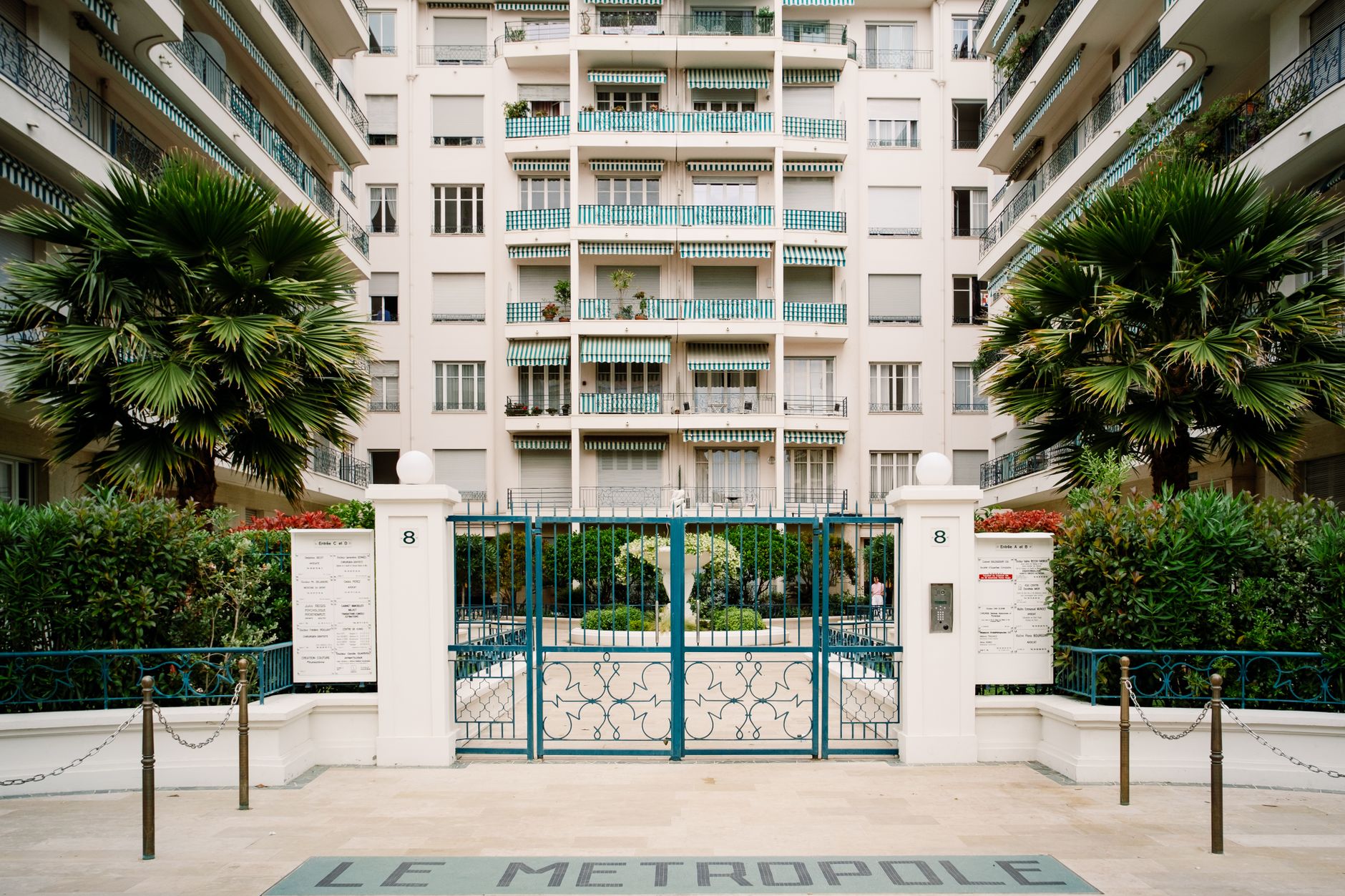
Yes, security robots can work in gated apartment communities, but only in specific zones and only with a clear operating plan. Their best fit is predictable, after-hours patrol around vehicle gates, resident parking, parcel rooms, clubhouses, and pool decks where the property wants faster verification and more consistent visibility than occasional human rounds provide.
They are a poor substitute for gate hardware, concierge staff, licensed guards where required, or police response. A good fit means flat repeatable routes, defined quiet hours, reliable lighting or thermal coverage, and a human team that can review alerts and respond when the robot spots something worth escalating.
Think of the robot as a mobile observation post. It can deter, document, and call attention to suspicious activity. It cannot physically intervene, resolve resident disputes, or take over every security duty on a multifamily property.
What incidents do patrol robots actually help with?
The strongest use cases are not movie-style crime prevention. They are repeat incidents that benefit from a visible patrol, immediate video verification, and a time-stamped record that staff can review later.
Parcel rooms and parking are especially practical. According to the U.S. Postal Inspection Service, Postal Inspectors arrested almost 9,300 suspects for theft of mail and packages from 2019 through 2024, and its Project Safe Delivery campaign recorded 3,960 mail theft arrests from May 12, 2023 through June 30, 2026. That does not mean every mailroom needs a robot, but it does explain why package zones deserve after-hours attention.
- Tailgating and unauthorized gate entry after the leasing office closes
- Loitering near parked cars, mailrooms, and amenity doors
- Door-propped clubhouses or pool gates after posted hours
- Vehicle tampering, suspicious unloading, and repeated circling
- Parcel room anomalies such as lingering, repeated failed access, or traffic at odd hours
Why are vehicle gates and resident parking usually the first stop?
Gates are often the cleanest place to start because the mission is narrow. Watch for tailgating, wrong-way movement, lingering at the call box, gate damage, and people entering on foot after access denial. A robot adds mobile visibility around the lane and nearby sidewalk instead of relying on one fixed camera angle.
Resident parking is next because the geometry is usually simple and the incident types are familiar. NHTSA says more than 650,000 vehicles were stolen in the United States in 2025, or one every 48 seconds. A robot cannot stop every theft, but it can surface vehicle tampering sooner, document suspicious approaches, and extend patrol presence into corners that staff or fixed cameras miss.
Surface lots, straight garages, and open guest parking usually fit better than steep ramps, cluttered storage bays, or properties where heavy pedestrian traffic runs late into the night. The cleaner the route, the better the patrol value.
How do clubhouses, parcel rooms, and pool decks compare?
These are three different jobs, even though buyers often lump them together. Clubhouses benefit from door checks, after-hours occupancy detection, and proof of when a room was accessed or left propped open. Parcel rooms benefit from controlled access checks and short repeated visits, not constant roaming.
Pool decks are less about theft and more about rule enforcement and safety visibility after posted hours. In June 2026, the CPSC said an average of 376 children under 15 fatally drowned in pool or spa incidents each year from 2021 through 2023, and more than 70 percent of fatal child drownings occurred in residential settings. A patrol robot is not a lifeguard, but it can help a property detect unauthorized after-hours presence, open gates, or unusual motion when the amenity should be closed.
- Clubhouse fit: strong when the property wants lock-check rounds, occupancy verification, and documented door status after events or leases
- Parcel room fit: strong when deliveries stack up, access is credentialed, and staff cannot keep checking the room after hours
- Pool deck fit: strongest for closed-hour perimeter monitoring, not for active swim supervision or crowded daytime amenity periods
What do robots not replace?
They do not replace people with legal authority or human judgment. The Bureau of Labor Statistics says the United States had about 1.304 million security guards in 2025 and still projects about 157,200 openings a year from 2025 through 2035. That is a reminder that the market still depends on human security labor, even when properties automate part of the patrol workload.
On a gated multifamily site, humans still handle confrontations, welfare checks, resident lockouts, evidence review, vendor entry questions, and emergency coordination. If your policy, insurer, HOA, or local rule requires a licensed guard or a staffed gatehouse, the robot supplements that post. It does not erase it.
It also does not replace fixed infrastructure. You still need gates that close properly, working intercoms, credentialed access, good lighting, and a dispatch process that leads somewhere when an alert fires.
How should privacy be handled in a residential setting?
Residential deployments live or die on resident trust. The FTC tells businesses to keep only the personal information they need and keep it only as long as necessary. NIST defines minimization the same way, by limiting collection and retention to what is directly relevant and necessary for the purpose.
That matters more in apartments than in a warehouse or fenced yard because the robot is operating near homes, guests, children, and amenity spaces. The privacy review should happen before launch, not after the first resident complaint.
NIST Privacy Framework 1.1 treats this as a buying decision as much as a policy task. If a vendor or integrator cannot explain data flow, storage location, deletion rules, and access control in plain language, treat that as a real operating gap, not a small legal footnote.
- A written purpose for each camera view and sensor
- Clear resident notice at gates and amenities
- No always-on audio unless counsel approves it for the states involved
- Role-based access and export controls for footage
- Short retention rules tied to incidents, not indefinite storage
- Audit logs showing who viewed or exported resident footage
What staffing model works after hours?
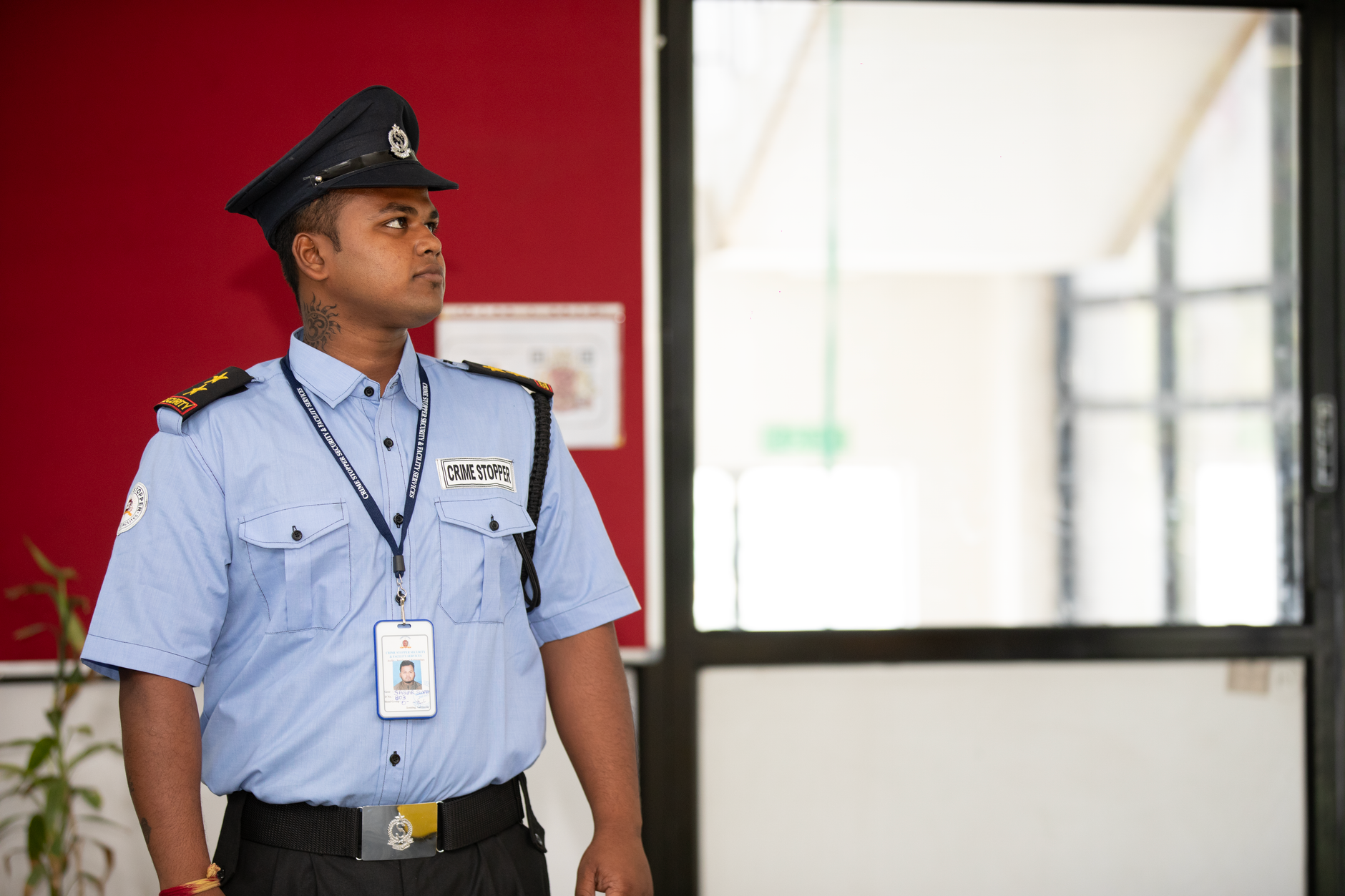
The most practical model is not robot only. It is robot plus remote review plus human response. The robot runs scheduled rounds or exception routes, a remote operator or on-call manager reviews the alert, and a guard, courtesy patrol, supervisor, or police response handles the incident that actually needs a person on site.
That model is useful because after-hours coverage in multifamily is uneven. Leasing staff go home, courtesy patrol windows are narrow, and one guard cannot be at the gate, pool, clubhouse, and back lot at the same time. The robot covers repetitive travel and documentation so the human shift spends time on judgment calls.
If nobody owns the alert queue after midnight, the robot will disappoint. Response trees, quiet-hour routes, and escalation rules matter more than the demo.
How should a property manager test fit before rollout?
Start with one property, two or three priority zones, and a short list of success metrics. Measure verified alerts, false positives, mean time to review, response time to on-site follow-up, and resident complaints. You are not buying theater. You are testing whether the machine closes a real coverage gap.
This is also where the delivery model matters. Some owners begin with a security patrol robot lease or a leasing program so they can evaluate an autonomous patrol robot without a large capital decision. For multifamily, the better question is not purchase or lease. It is who handles robot deployment and integration, privacy sign-off, staff training, RoboCare™ service terms, and after-hours support.
Service Robot Co. is built for that role. It is an OEM-neutral, full-service commercial robot integrator for US businesses, which means it picks the right robots across manufacturers, then finances, deploys, integrates, trains, and services every unit through a nationwide US engineer network. One vendor for the whole lifecycle matters on residential portfolios because free site assessment, remote triage, and on-site dispatch are operating questions, not add-ons.
- Verified incidents per 100 patrol hours
- False alerts by zone and by time of night
- Average review time and dispatch time after midnight
- Resident complaint rate during the pilot
- Robot uptime and missed patrol windows