Key takeaways
- Chicago leagues chase different point targets each hole, so traffic shifts when teams press reachable holes.
- Handicap-point traffic clusters carts where autonomous fairway loops cross landing zones.
- Morning holds should release on geofence rules, not tee-time math alone.
- Starters and turf monitors need one shared hold sheet for Chicago mornings.
- Service Robot Co. can map Chicago buffers during vendor-neutral fairway robot deployment.
Why Chicago league mornings change fairway robot timing
Chicago leagues assign a point target to each hole, often tied to handicap, so teams press different holes even when they share a tee time.
A group chasing a high-point par five may cluster in a landing zone while the following team lays up on a low-point par three.
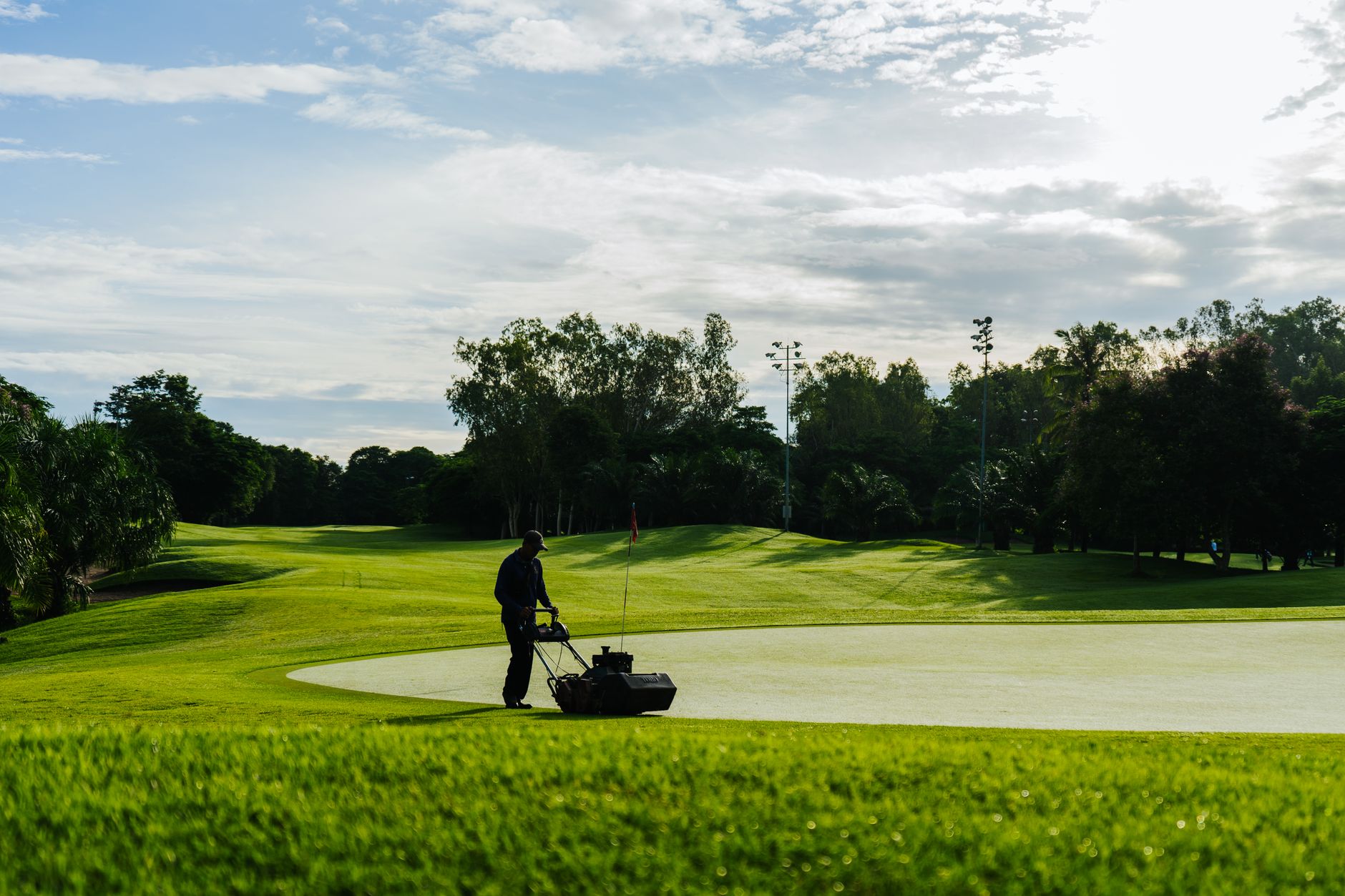
Autonomous fairway mowers follow mapped loops that cross those mixed lines when players chase handicap points.
According to the USGA, players should make a stroke in no more than 40 seconds when able to play without interference, yet Chicago culture still pauses groups while captains confirm point totals at the green.
Your handicap-point hold plan must assume some groups will sprint through a hole while others linger hunting a needed point on the same panel.
A quiet weekday map can fail on the first Chicago tee block when the pro shop sells a full morning card on a crossover routing.
Split nines that send Chicago groups back across a connector fairway are the usual surprise, because robots may still be finishing a loop when the league returns from the turn.
Treat those connectors like priority holds even when the tee sheet shows a comfortable gap on paper.
Early season Chicago sheets often underestimate how many teams will press once point standings publish, so leave margin in your first-month hold calendar.
How do hole point targets affect robot holds?
Teams may lay up on a low-point hole and press on the next high-point par four because their internal math says they need two more points before the turn.
That swing in risk shows up as carts spread wide on one fairway and stacked on another, which widens hold polygons beyond a simple centerline.
Mark reachable par fours and drivable par fives with buffers that cover both aggressive lines and layup zones robots might cross.
Log which holes produced conflicts during week one, then widen buffers before week two when point value climbs.
On dogleg holes, a pressed drive may sit in a landing zone robots use as a transit leg between panels, so holds need to cover the full arc.
Note sprinkler heads and yardage plates where players linger while recalculating handicap points before the next tee.
Pair each high-traffic hole with a backup transit route on the robot map so operators can skip a panel without canceling the whole morning program.

How do you build the morning hold sheet before Chicago season?
Import the league card with tee times, crossover nines, and guest days the pro shop adds mid-season.
Flag holes with blind landings where the following team cannot see the prior group clear the fairway.
Post hole numbers at chargers and in the starter shack so robot operators read the same list as starters.
Share the sheet with the professional staff so makeup rounds use the same geofences as league day.
- High-point par fours and fives where teams split between driver and layup lines
- Reachable par fives with multiple landing zones and pressed second shots
- Par threes where teams wait on the tee while the prior group putts for a needed point
Why use handicap-point holds instead of full-course shutdowns?
Shutting down the entire course wastes cuts on nines the league will not reach until late morning.
Polygon holds on active corridors keep robots productive on quiet sides of the property.
Extend holds hole by hole when member play ahead of the league runs long on a makeup Chicago round.
Document release times beside weather notes so wet weeks do not reuse dry-week buffers by mistake.
Compare hold minutes to manual mowing time on the same holes so the superintendent can justify partial shutdowns to the greens committee.
When two leagues share a property, color-code hold polygons by format so operators do not release a Chicago corridor while a Wolf card is still on the tee.
What cart spread patterns should Chicago monitors watch?
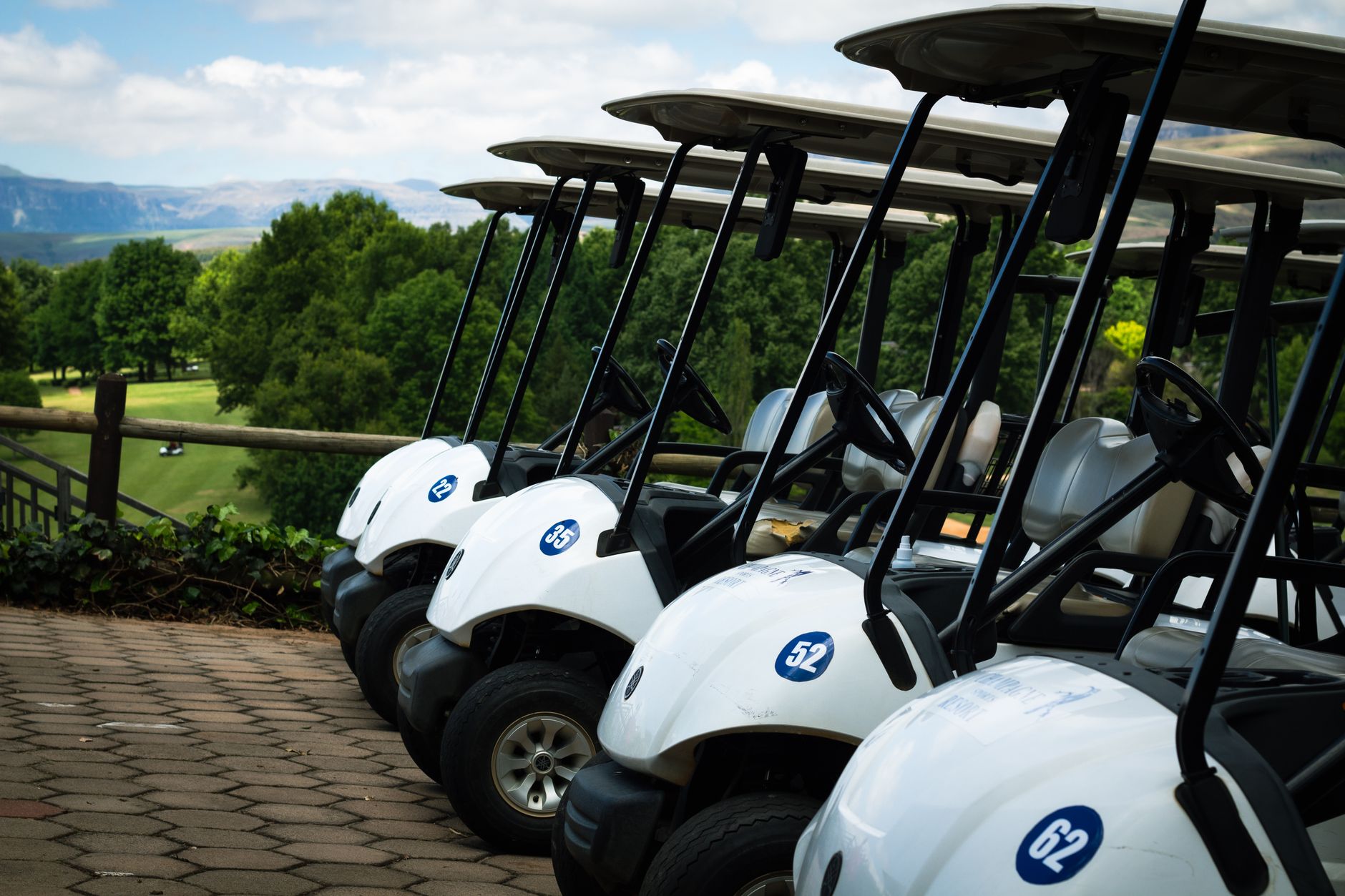
Players may ride ahead when a partner picks up, then return to help with a short putt that secures a handicap point.
Watch for teams that rake bunkers or repair divots as a group while the next tee time is on the clock.
USGA guidance encourages ready golf in stroke play when safe, but league culture may still pause for rules questions on maximum score or pickup lines.
Widen geofences on elevated tees where teams gather to watch aggressive drives before anyone lays up to protect point math.
Senior Chicago events can add extra carts when spouses ride along, which stretches geofences wider than adult league cards suggest.
Scorecard checks at turn stations are another quiet delay; plan holds if your league stops to verify point totals before the back nine.
When should geofenced releases clear Chicago carts from mapped paths?
Release robots only when the dashboard shows no carts inside the polygon for that segment.
Add a trailing buffer after the last cart exits so a late rider does not meet a mower entering from a dogleg.
If your platform supports staged release, clear the exit corridor first, then the inbound transit leg on the next hole.
Never rely on tee-time math alone when the pro shop allows walk-ons for makeup Chicago rounds.
Rain-soft fairways slow foot traffic on aggressive lines, so extend trailing buffers when morning dew keeps turf tender.
If lightning clears the course, reset holds from the dashboard rather than assuming the prior release still matches cart locations.
Who calls the hold on Chicago league mornings?
Starters own tee flow and should radio maintenance when the last morning group clears a league corridor.
Turf monitors own robot dashboards and should not lift a hold without starter confirmation on busy league weeks.
The pro shop should flag guest days that add extra cards to the same format.
Print a one-page hold sheet each league day with hole numbers and who can authorize release.
Night staff should leave the printed hold sheet on the charger cabinet so early operators do not guess which holes stay paused.
Where does buy or lease support fit fairway programs?
Service Robot Co. stays OEM-neutral, then lines up buy or lease financing, site mapping, crew training, and nationwide service through one partner.
Integrators can import Chicago hold templates and tune geofences after the first month of league play.
A single contact for deployment and RoboCare support helps when formats or tee blocks change mid-season.
Clubs that pilot one unit often expand after they see how much manual mowing handicap-point holds still require on league weeks.
How do you communicate holds to members without slowing league day?
Post a simple note at the first tee that fairway robots may pause on numbered holes until carts clear mapped corridors.
Explain that holds protect both players and equipment when Chicago groups press lines on the same fairway.
Give the pro shop a sentence they can repeat on the phone when members ask why mowers were visible near league play.
When holds run long, offer a backup nine start only if routing still keeps robots off the active Chicago corridor.
Log member questions each week so you can adjust signage before the next card sells out.
If your club streams pace data, tag Chicago days separately from stroke play so trends show when point pressure causes the longest delays.
Review hold logs with the league chair after month one so handicap-point buffers match how your field actually plays reachable holes.