Key takeaways
- Buy for daytime coexistence first. In childcare, quiet operation and safe rerouting matter as much as square-foot coverage.
- Entry zones deserve outsized attention. EPA-cited flooring guidance says as much as 80 percent of tracked-in dirt arrives on footwear.
- Your SOP matters more than brochure claims. CDC guidance calls for daily cleaning, sanitizing some child-contact surfaces after use, and targeted disinfection when illness or body fluids are involved.
- A childcare robot should fit the room changeover cadence. The best programs clean in short windows between arrivals, meals, outdoor play, and nap time.
What should a childcare center actually buy?
Most childcare centers should not start with the biggest autonomous scrubber they can afford. They should start with the quietest, safest commercial robot cleaner that can clean hard floors reliably in short bursts, pause gracefully for children and staff, and recover well at the building entrance where grit, mulch, rainwater, and winter residue pile up first.
That usually means favoring a compact robot floor cleaning machine with strong obstacle avoidance, conservative drive behavior, and a cleaning path that can be split into several short jobs across the day. A daycare is not a warehouse and not a closed school at midnight. It is a stop-start environment with snack crumbs at 10:15, paint drips at 11:40, tracked-in dirt after recess, and a noise ceiling during nap.
If you are comparing a lease rental or sale option, the best buying question is not How many square feet per hour can it clean on an empty floor. It is Can this machine keep your classrooms, hallways, and entry zones presentable without creating a supervision problem, a trip hazard, or a nap-time disruption. That framing leads to better choices fast.
- Choose a unit sized for tight turns around cubbies, tables, and learning stations.
- Prioritize predictable stopping and rerouting over aggressive path completion.
- Prefer quick-fill, quick-drain daily service routines that staff can finish between shifts.
- Treat entry recovery as a core use case, not an afterthought.
How quiet does it need to be for nap time and teaching hours?
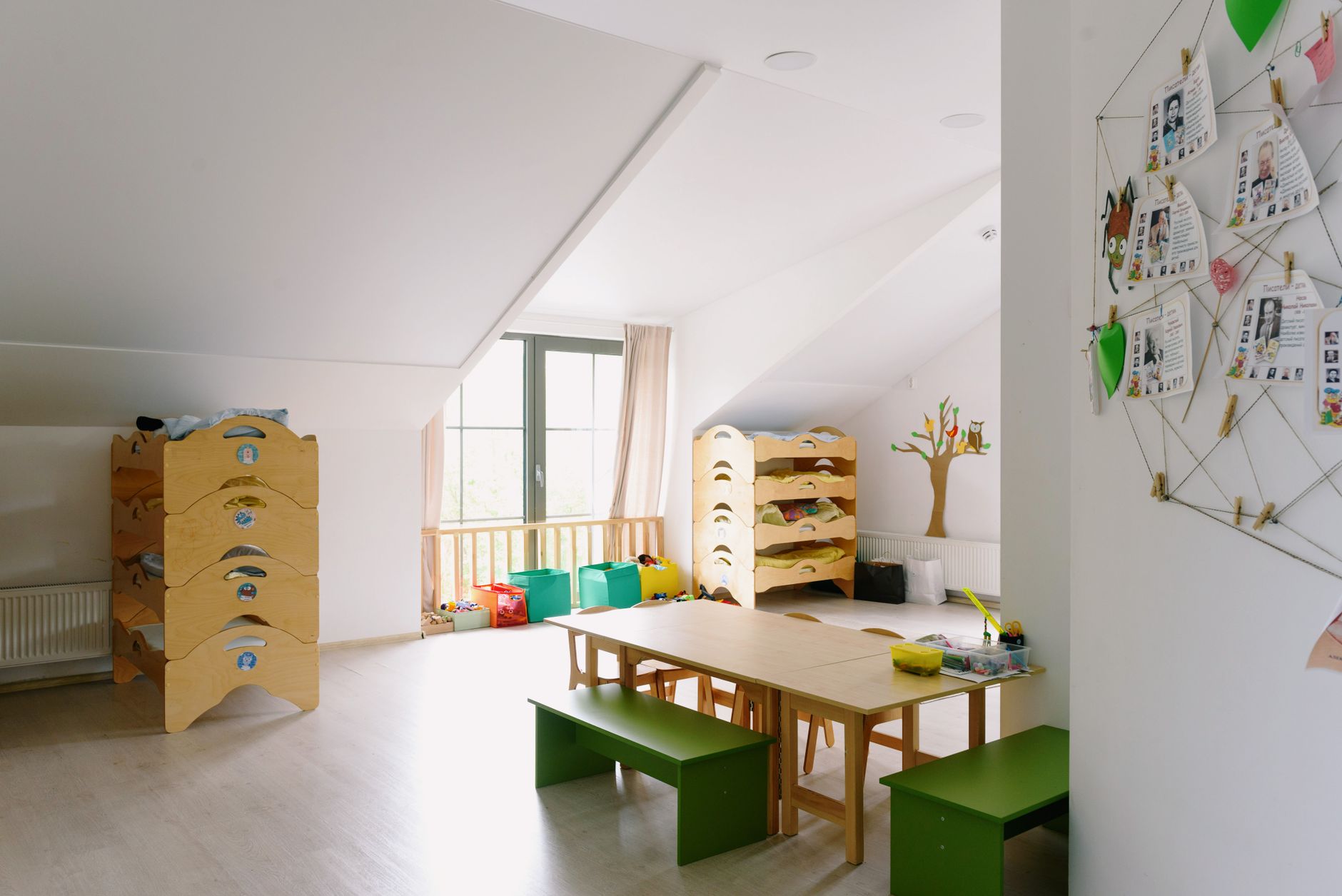
Noise is not a soft preference in early learning. It is an operating constraint. The American Academy of Pediatrics, citing Caring for Our Children, says rooms accommodating children should be kept at or below 35 dB for at least 80 percent of the time. ASHRAE also lists 35 dBA as the recommended preschool classroom background sound guideline.
That does not mean every cleaning pass must happen during nap. It means any school cleaning robot rental program that assumes full-speed daytime scrubbing across occupied classrooms is poorly matched to the setting. In practice, many centers do better with a mixed schedule: entry-zone cleaning during off-hours, hallway touch-up after pickup, and very limited daytime runs only in spaces that can tolerate the sound.
Ask vendors to demonstrate real operating sound in your rooms, on your floors, with water flowing and brushes engaged. A quoted decibel figure measured in a lab or at idle tells you very little. In childcare, the right machine is the one that can do useful work without forcing teachers to raise their voices or waking a room that just settled down.
What mess profile defines the right machine?
Childcare contamination is unusually mixed. You are not just removing dust. You are dealing with juice, snack fragments, sand, craft debris, leaves, bathroom drips, and occasionally body-fluid events that must trigger a separate response. According to the CDC, early care settings should clean surfaces daily after a meal or activity, sanitize some child-contact items after use, and disinfect when someone is sick or when body fluids are involved.
That matters because a robot is only good at the tasks it should actually own. A floor robot can be excellent for routine soil removal and consistency. It should not be your answer to every bio-burden event. For childcare, the right buy is a robot with a clearly bounded role inside a larger SOP: routine floor recovery, not diaper-area disinfection and not ad hoc hazardous cleanup.
Centers that get the most value usually divide messes into three buckets. Dry debris and tracked-in soil belong to the robot. Everyday sticky residue may belong to the robot if pad pressure and water control are right. Bodily-fluid incidents belong to trained staff with the exact chemicals and contact times your policy requires.
- Good robot work: daily floor soil, crumbs, dust, dried footprint film, routine hallway and lobby recovery.
- Conditional robot work: light drink spills and residue, if your floor finish and chemistry support it.
- Human-only work: diapering zones, toilet fixtures, blood or vomit incidents, and anything that demands isolation and documented disinfection.
Can one machine handle classroom transitions without becoming another interruption?
This is where many buyers misread the environment. A childcare center rarely offers one long uninterrupted cleaning window. It offers fragments. Ten minutes before parents arrive. Fifteen minutes while one class is outside. Twenty minutes after lunch reset. The winning robot is the one that resumes jobs cleanly and can be assigned zone by zone without constant babysitting.
Look for fast start-up, reliable docking, and map controls that let staff exclude reading corners, sensory stations, nap cots, and temporary project areas without a technician visit. The machine should tolerate chairs that moved, backpacks in the wrong place, and the stray push toy that appears in a doorway for no sensible reason.
This is also where a commercial cleaning robot rental or robot as a service structure can make sense. A pilot lets operators test actual transition windows before they commit to a full rollout. If the robot needs long uninterrupted routes to look good, it is the wrong fit for early learning.
Why do messy entry zones deserve special attention?
The entrance is where childcare floor care gets honest. EPA-cited flooring guidance notes that as much as 80 percent of dirt entering a building comes in on occupants' footwear. In a childcare center that number has a face. Parents rushing through rain. Staff bringing in carts. Strollers, mulch, road salt, pollen, and the fine grit that turns a polished lobby dull by noon.
That is why many centers should spec the robot around the vestibule, front desk path, and check-in corridor first. A robot that keeps the entry under control can improve the whole building's appearance and reduce how much soil migrates into classrooms. Sometimes the smartest buy is not the machine with the broadest coverage. It is the one with the best water recovery, edge cleaning, and traction on the floor you actually have near the door.
Treat mat strategy, threshold transitions, and puddle behavior as buying criteria. If the robot struggles to cross mats, leaves a damp trail at the vestibule, or pushes grit into corners, your staff will end up redoing the hardest area by hand every day.
What daily cleaning routine should the robot fit?
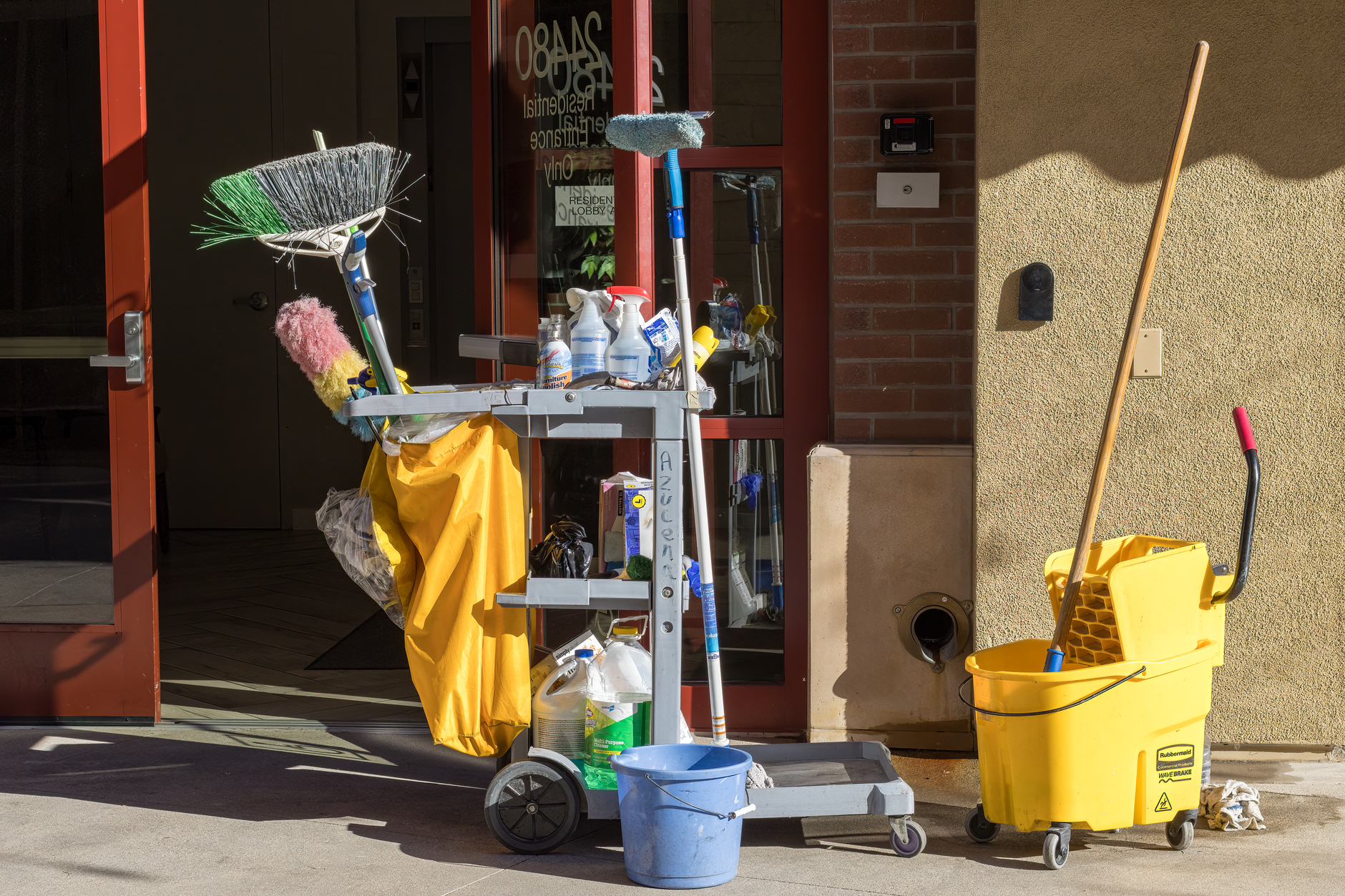
The robot has to fit childcare hygiene rules, not the other way around. The CDC says early care settings should clean visibly dirty surfaces daily after meals or activities, vacuum rugs safely, and sanitize some child-contact surfaces after each use. It also gives a specific bleach sanitizing example of 1 tablespoon per gallon of water with at least a 2 minute soak for eligible items. That level of procedural specificity is a reminder that floor cleaning must sit inside a disciplined daily routine.
For buyers, that means asking operational questions before feature questions. Who empties recovery tanks. When are pads changed. Where is chemistry stored out of children's reach. What happens if a child becomes sick at 2 p.m. and the floor route for that wing was scheduled for 2:15. A good purchase reduces routine labor but never blurs the line between routine cleaning, sanitizing, and disinfection.
It also means keeping indoor air in mind. The CDC advises optimizing ventilation and considering MERV-13 filters and portable air cleaners. For floor robots, that translates into a preference for controlled debris capture and low-disturbance cleaning behavior, especially near nap rooms and carpet transitions.
Which buying criteria separate a good demo from a bad long-term fit?
A polished demo can hide the wrong machine. Insist on a live trial during normal center activity, or as close to it as your schedule allows. Watch how the robot behaves when a teacher stops in the doorway, when a parent lingers at check-in, and when the floor changes from smooth corridor to textured entry tile.
For most early-learning operators, the best shortlist is built on seven criteria: real operating noise, obstacle behavior, water recovery, edge performance, restart speed, daily service simplicity, and support response. Coverage rate still matters, but in childcare it belongs lower on the list than most buyers expect.
This is also the right place to compare robot leasing for business, monthly payment programs, and robot as a service. If you are unsure about usage patterns, a pilot-first structure with maintenance included is often more rational than a straight purchase. The goal is to prove fit in your routines, not to win an equipment beauty contest.
- Ask for measured sound while cleaning, not while idle.
- Test around cubbies, cot storage, and low child-height furniture.
- Check how the unit handles damp soil at the entrance and crumbs in classroom thresholds.
- Time the daily service routine with your own staff.
- Review remote triage, on-site dispatch, and backup-unit terms before you sign.
Where does Service Robot Co. fit in the decision?
Childcare operators often do not need one more robot seller. They need one accountable partner who can narrow the field, set boundaries on what the robot should own, and make the daily routine workable for directors, teachers, and janitorial staff. That is the practical value of a vendor neutral robot integrator.
Service Robot Co. works as a full-service commercial robot integrator for U.S. businesses, including facilities with unusual operating constraints like childcare. We select the robot that fits your floor, traffic pattern, and cleaning cadence across manufacturers, then handle robot deployment and integration, site assessment mapping, go live support, staff training, financing, and service through a nationwide engineer network.
For buyers weighing commercial robot rental, monthly payment programs, or a longer-term lease purchase path, that matters because the hard part is rarely the purchase order. It is the handoff from demo to stable daily use. One partner for selection, finance, service, and support usually lowers friction more than any single hardware feature.