
Key takeaways
- Buy for layout volatility, quiet running, and privacy controls before raw coverage claims.
- Phone-booth corridors and open work areas usually automate first, while kitchens and event rooms need mixed workflows.
- A live pilot should cover peak member days, furniture resets, and post-event cleaning, not just an empty-floor demo.
- Commercial cleaning robot leasing, robot leasing for business, and other monthly payment programs often fit flexible office portfolios best.
What should a coworking operator actually buy first?
If you run a coworking site, the safest first buy is usually a compact commercial floor cleaning robot that can map quickly, recover from interruptions, and clean repeatable hard-floor mileage without a babysitter. Prioritize route agility, daytime manners, and privacy controls ahead of raw tank size. In coworking, the wrong big machine is harder to live with than a smaller robot that finishes reliably.
According to CoworkingCafe's Q2 2026 U.S. coworking report, the market reached 9,384 locations and 166.36 million square feet, while average site size slipped 1.2% to 17,728 square feet. That mix of growth and shrinking average footprints matters. Many operators are adding smaller, more flexible sites where turning space, dock placement, and fast recovery around moved furniture decide the buy, not headline coverage claims.
Traffic is uneven too. Kastle's August 18, 2026 Back to Work Barometer put weekly office occupancy at 52.7% of prepandemic levels across 10 major U.S. cities, with Tuesday peaking at 62.1%, while WFH Research's latest July 2026 series still shows 26.02% of full paid workdays happening from home. Coworking traffic follows the same hybrid rhythm. You need a robot that can clean around pulses of people, not a machine that assumes a silent empty floor every night.
Why does layout churn matter more than square footage?
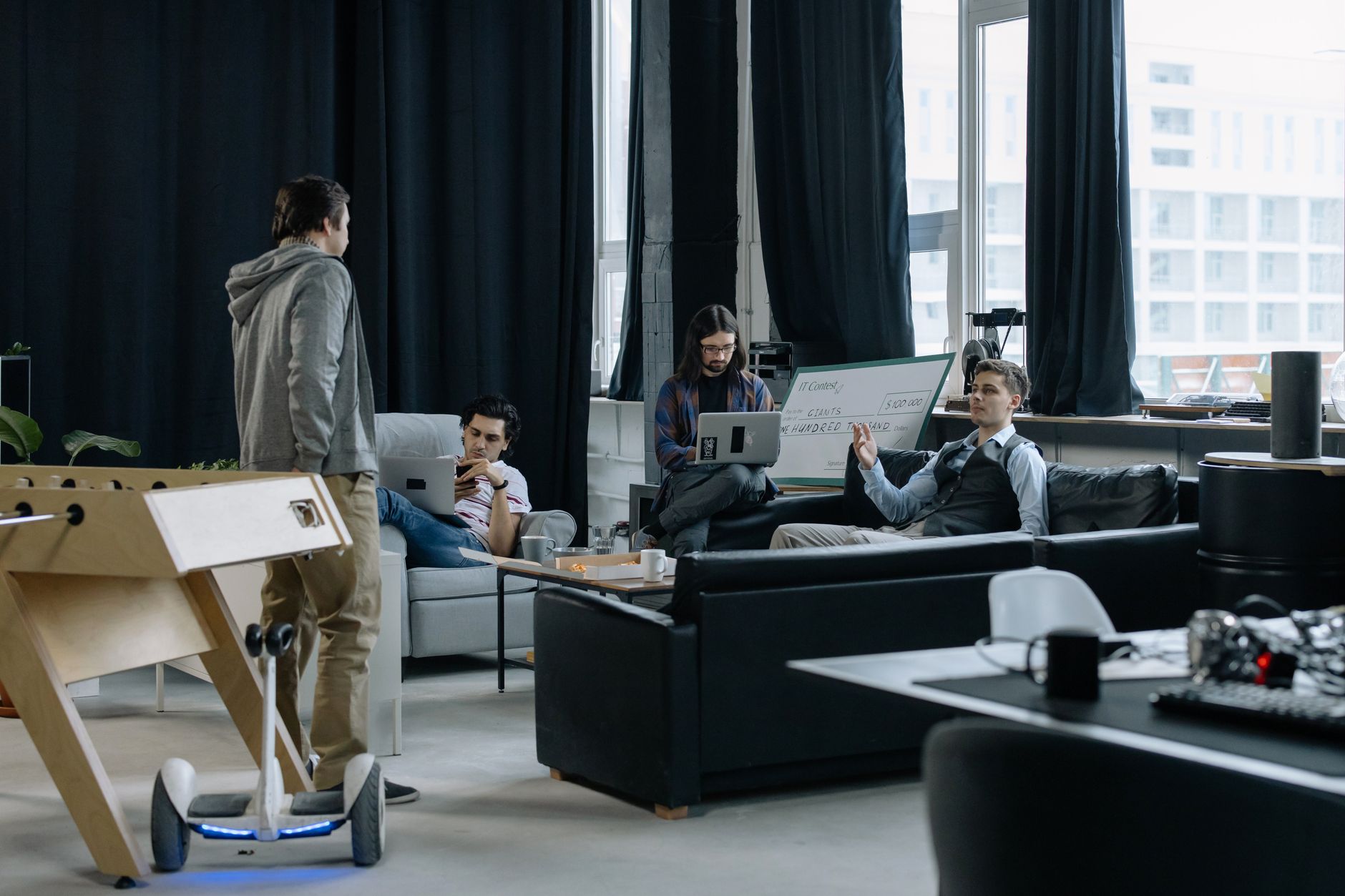
Coworking floors mutate. Two couches migrate for an event. Cafe stools spill into circulation space. A phone booth queue appears where yesterday there was open aisle. That is why remapping speed, easy temporary no-go zones, and consistent obstacle recovery matter more than max square footage per charge.
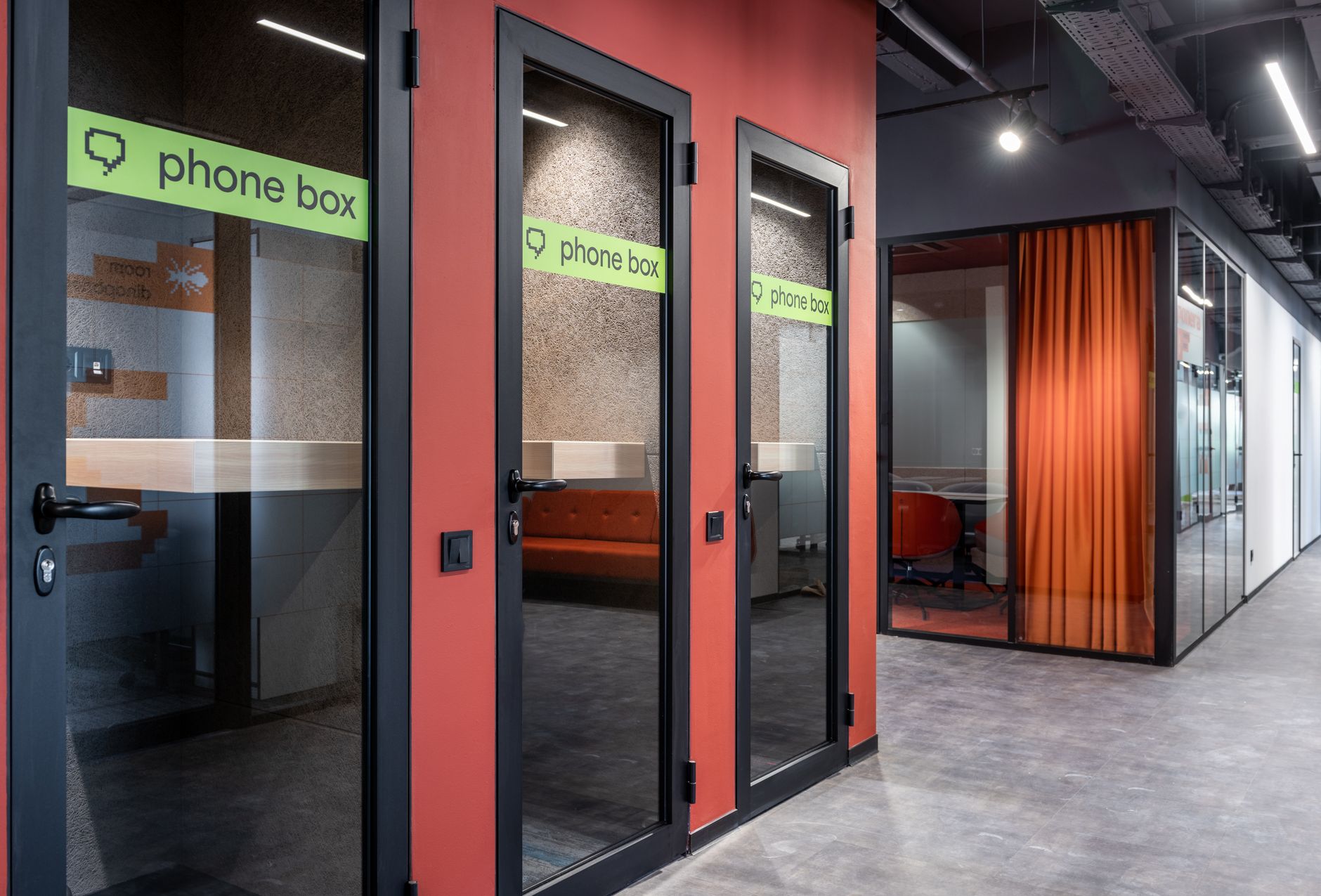
The hidden failure point is not usually the main open area. It is the pinch points: the corridor beside phone booths, the coffee bar approach, the corner where a hot-desk island got rotated, the dock tucked too close to a fire exit. OSHA says doorways, hallways, and stairways must remain unobstructed or unblocked at all times. A robot program that forces staff to park chargers in circulation space is badly designed before the first run starts.
- Measure the narrowest live route, not the empty leasing-tour layout.
- Mark recurring event furniture patterns and prebuild alternate maps for them.
- Keep docks outside exit travel and away from kitchen queues and reception lines.
- Audit mats, thresholds, cords, planter bases, and booth-door swings that can create repeatable hang-ups.
How quiet does it need to be for daytime cleaning?
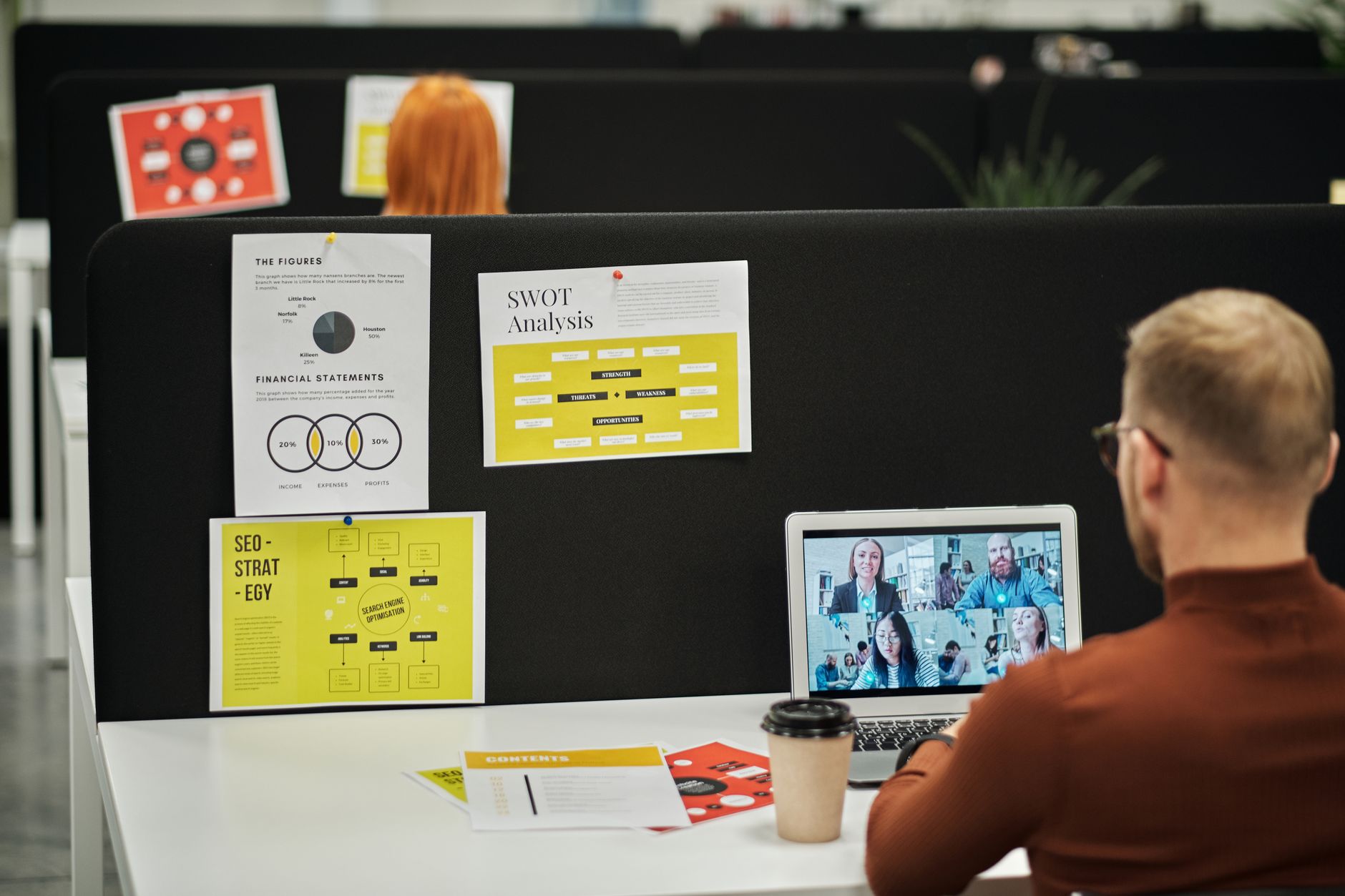
Quoted decibels are not enough. Ask for measured sound levels on the exact floor type, at operating speed, with suction or scrubbing engaged, then run that test during real calls. A robot can seem fine in an empty demo and become unwelcome once booth doors are half open and members are pitching clients.
OSHA notes that if people must raise their voice to talk to someone 3 feet away, noise may already be above 85 dBA. You do not need to get anywhere near that level to annoy a coworking member. The practical target is simpler: the machine should pass through an open work area without making people pause a call or abandon a focus block.
The productivity stakes are real. A 2020 study in PMC found employees in shared and open-plan offices performed about 14% worse on a concentration task than workers in cell offices, alongside a 15 LAeq higher measured noise level. For coworking operators, that means quiet mode and schedule design are features, not niceties. Daytime passes belong in circulation lanes and event resets, not beside phone booths during peak hours.
What privacy rules matter around booths and open desks?
Privacy anxiety can kill adoption faster than a cleaning miss. Members do not care that a sensor is just for navigation if the machine lingers outside a phone booth or passes close to laptop screens during a fundraising call. Buyers should ask exactly which sensors capture images, if any audio is stored, how maps are handled, and who can access logs.
That caution is well grounded. A 2025 study indexed by PubMed, based on 349 respondents across 28 open-plan offices, found lack of privacy contributed 25% more than noise disturbance in predicting acoustic dissatisfaction. Coworking amplifies that sensitivity because strangers share the floor and confidential work often happens in glass rooms, booth corridors, and casual lounge seats rather than in assigned offices.
- Get written answers on image capture, retention periods, and cloud storage.
- Require masking or exclusion zones around phone booths, reception screens, and member mail areas.
- Verify that staff can pause or reroute the robot quickly during private events or investor meetings.
- Use simple member signage so the machine never looks like unannounced surveillance.
How should you divide open areas, kitchens, and event floors?
Do not force one workflow onto four different zones. Open work areas and straight corridor mileage are the best first-fit tasks for a compact commercial robot vacuum and mop or scrubber. Those spaces reward repetition. The robot does the square footage that nobody enjoys doing by hand, then the crew handles edges, spills, and under-chair detail.
Kitchens are different. According to CDC guidance updated April 16, 2024, facilities should clean high-touch surfaces regularly and clean more often in high-traffic areas. In a coworking kitchen, that means counters, handles, taps, microwaves, and refrigerator pulls remain human work even if the floor is automated. A robot helps by keeping the surrounding hard floor presentable and by absorbing the repeat mileage after breakfast and lunch rushes.
Event spaces sit on the opposite end of the spectrum. They are often the easiest floor for a robot after the reset is complete and the hardest floor while chairs, AV carts, and catering tables are still moving. The buying question is not can the robot clean the venue. It is how fast the venue returns to a predictable layout after the event.
- Phone-booth corridors: workable only when clear width stays stable and passes can be timed off-peak.
- Open desks: strong fit for recurring routes and light daytime touch-ups in circulation lanes.
- Kitchens: automate the floor, keep high-touch points and spill response manual.
- Event floors: strong fit after reset, weak fit during active teardown and furniture motion.

What should a real pilot week prove?
A serious commercial robot demo should cover one normal week and one abnormal one. For coworking, that means at least one Tuesday through Thursday peak, because Kastle's latest barometer shows Tuesday remains the heaviest office day nationally. If your site hosts member breakfasts or evening mixers, the pilot should include those too.
Judge the robot on intervention load, not showroom shine. How often does a host or cleaner rescue it. How long does remapping take after furniture moves. Does it return to dock cleanly when the kitchen queue forms. Can it finish the post-event pass before the morning members arrive.
If you want multi-site rollout, sort pilots by floor archetype rather than by city. A corridor-heavy downtown site and a suburban coworking club with a large event room are different buys even if their square footage matches.
- Route completion rate on the actual floor, not the vendor's test strip.
- Human assists per run and the reasons behind them.
- Missed-edge zones around booths, banquettes, and cafe stools.
- Member complaints about noise, visibility, or privacy.
- Time from event reset to completed cleaning pass.
Purchase or lease for a flexible office portfolio?
Flexible offices often learn by iteration, so commercial cleaning robot leasing, robot leasing monthly, or leasing can be the right opening move. Those structures suit operators who are still testing staffing models, changing layouts, or opening satellite sites with uncertain member traffic. They also make room for monthly payment programs, no upfront capital, and RoboCare™ service without locking the portfolio into one floor plan too early.
Direct purchase gets easier to justify once your layouts stabilize and you know which sites genuinely support overnight cleaning no operator and which need daytime touch-ups. Until then, robot leasing for business, service robot leasing, or a no long term contract model can be a better operational fit than owning a machine that outgrows the floor or sits idle during a remodel.
Who should own deployment and service after the buy?
In coworking, the buy decision is only half the work. Someone still has to perform site assessment mapping, place the dock, set privacy zones, train staff, and keep the unit running when a manager rearranges a lounge the night before an event. That is where a vendor neutral robot integrator earns its place.
Service Robot Co. handles that whole chain for U.S. businesses. We stay OEM-neutral, pick the robot that fits your floor, and support purchase or lease structures, commercial cleaning robot leasing, and other monthly programs when they fit the job. Then we deploy, integrate, train, and service the unit through a nationwide U.S. engineer network so the operator has one vendor for the full lifecycle.
For coworking teams, that usually matters more than squeezing another marketing claim from a spec sheet. Ask about remote triage, on-site dispatch, commercial robot repair service, emergency robot replacement, and spare unit coverage before you sign. The right robot is the one that stays useful when the floor changes on Tuesday, the kitchen gets slammed at noon, and the member event runs late on Thursday.