
Key takeaways
- Cobots fit repeatable gelcoat sanding and polishing on stable, fixtured parts, not every cosmetic finish step in the plant.
- Reach, tool mass, hose management, and part stiffness usually matter more than headline robot payload.
- Dust and vapor control are gating issues, and OSHA and NIOSH benchmarks should shape the cell before programming starts.
- Manual finishers still win on rework, blend judgment, unstable parts, and low-repeat geometry.
Where does a cobot belong on the finishing line?
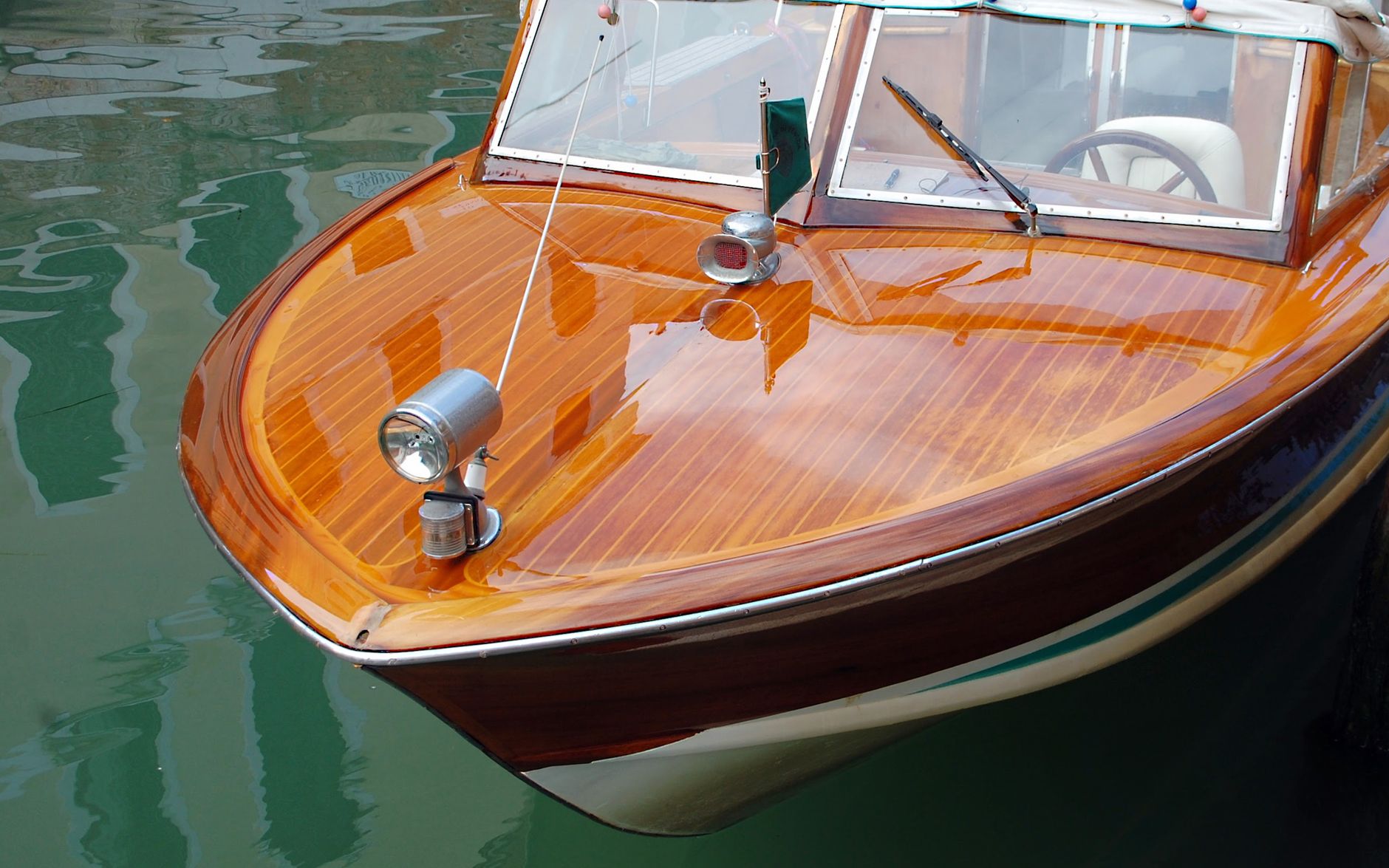
For most boat plants, the right answer is narrow and useful. A cobot belongs on repetitive gelcoat sanding and polishing passes where the part presents the same geometry every cycle, the finish recipe is defined, and the part can be held in a repeatable fixture. Think hatches, lids, console faces, access panels, and repeat deck inserts before you think full hull sides.
Manual craftsmanship still owns the last mile whenever the finish depends on visual judgment, edge feel, local repair, or adapting to laminate variation. If a finisher is constantly reading reflected light, chasing a defect that moved after trim, or blending around a hand-worked corner, a cobot is usually the wrong primary tool.
A3's current cobot glossary describes collaborative robots as typically 3 to 35 kg payload, about +/- 0.03 to 0.1 mm precision, and 0.5 to 1.0 m/s for safety compliance. That profile suits controlled surface passes far better than aggressive stock removal on big, awkward boat structures.
How much arm do you really need?
Reach usually bites buyers before payload. The tool center point has to stay normal to the surface through the useful stroke, with enough wrist freedom to keep pad pressure consistent. If the arm only reaches a feature at the edge of its envelope, the cell starts hunting for awkward poses, slower motion, and uneven contact.
Payload is not just the polishing head. It includes the spindle or orbital tool, compliant wrist, force sensing if used, hose and cable dress, dust shroud, and the dynamic load that appears when the pad pushes into the part. Because A3 puts typical cobot payload in the 3 to 35 kg band, large dual-head polishing packages can push a buyer out of collaborative territory faster than expected.
Smaller plants usually do better with smart base placement and indexed part presentation than with one oversized arm trying to cover every surface from one pedestal. If you need to reach around deep gunwales, undercuts, or both sides of a large deck from one base, that is often a sign to split the operation, reposition the part, or step up to a different robot class.
Dust and vapor control come before programming
Boat finishing is not just a motion problem. It is an exposure problem. EPA says boat manufacturing is a major source of hazardous air pollutants, and its boat-manufacturing NESHAP explicitly covers fiberglass resin and gel coat operations. NIOSH's styrene pocket guide lists a recommended exposure limit of 50 ppm time-weighted average and 100 ppm short term, while OSHA's current permissible exposure limit remains 100 ppm time-weighted average.
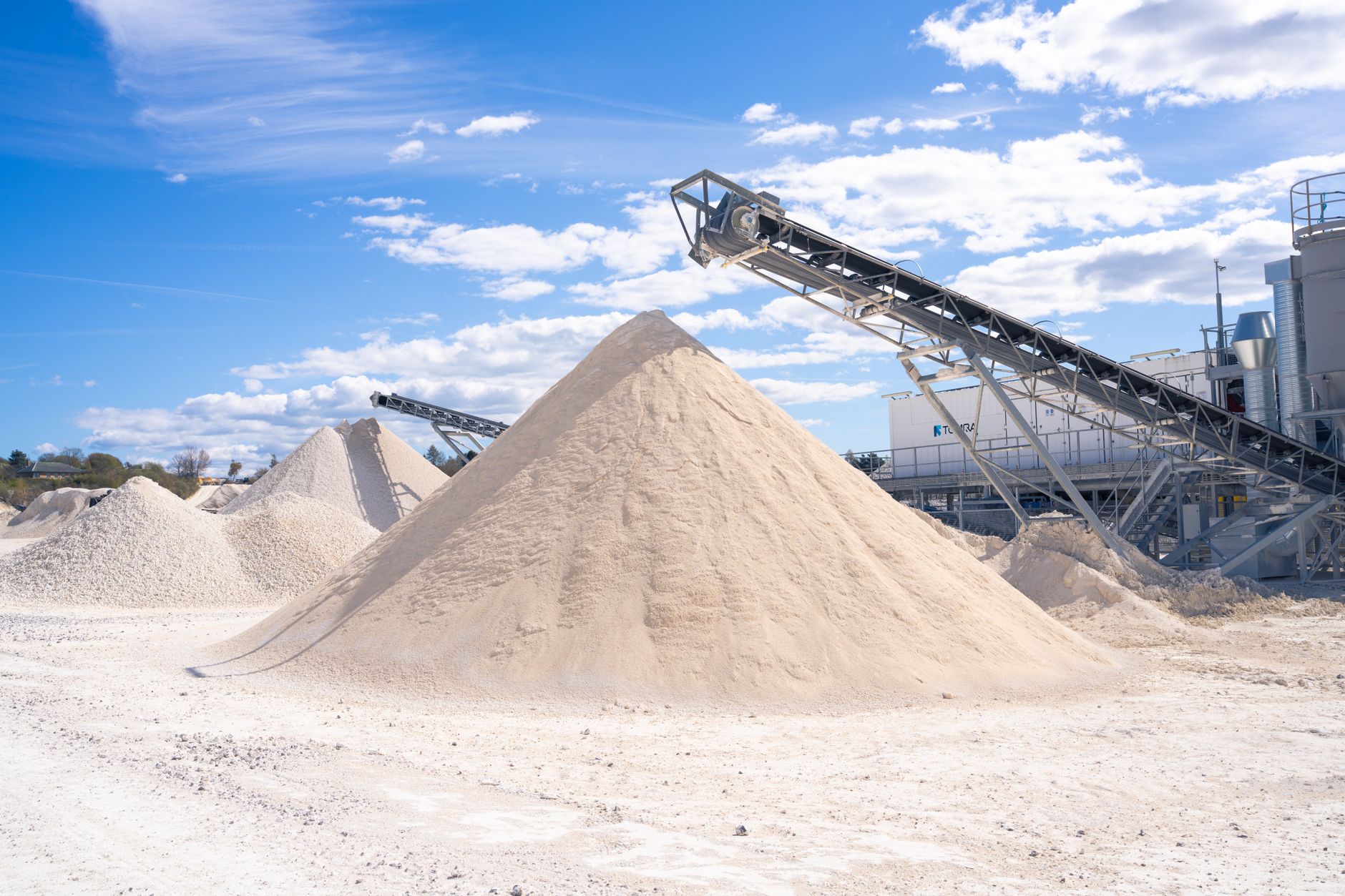
Even after cure, sanding and polishing throw fine particulate into the air. OSHA lists particulates not otherwise regulated at 15 mg/m3 for total dust and 5 mg/m3 for the respirable fraction. That is why a polishing cobot needs source capture, not a shop fan and hope. If the part is big enough to defeat capture at the tool, the cell may need partial enclosure or the process may belong in a booth.
OSHA's 1910.94 ventilation tables give useful design anchors. Grinding and polishing belts up to 3 inches wide call for 220 cubic feet per minute, belts over 11 to 13 inches call for 740, and branch ducts are referenced at 4,500 feet per minute. NIOSH also reports that ventilated sanders cut total dust concentrations to one-tenth of unventilated levels in auto body sanding. Boat plants should treat that as a directional benchmark and then validate on composite dust in their own cell.
What does compliance actually require?
OSHA says there is no robot-specific OSHA standard. That does not make cobot cells informal. It means the buyer still has to satisfy the applicable 29 CFR 1910 rules on machine guarding, electrical safety, respiratory protection, hazardous energy control, and any other exposure or equipment rule the cell triggers.
OSHA's technical manual is blunt on integration. It says integrators must conduct full hazard analyses and risk assessments for each application, and collaborative operation can use technologies such as speed and separation monitoring. A3 makes the same practical point from the system side: the end effector, the workpiece, the fixture, and the surrounding area must all be validated, not just the arm.
In polishing cells, the soft pad misleads people. The bracket behind it, the spinning tool, the hose whip, the sharp laminate edge, and the part clamp still create hazards. Many good cells end up with partial guarding, area scanners, reduced-speed collaborative zones, keyed setup modes, and strict lockout for maintenance. That is normal, not a failure of the cobot idea.
Fixturing is the real finish-control system
Finish consistency rarely fails because the robot misses the path. It fails because the part sits differently every cycle, flexes under load, or presents a slightly different trimmed edge. The same programmed force on two slightly different part poses can cut two very different scratch patterns.
Treat the fixture as part of the process, not a cheap accessory. Use locating features that match the cosmetic datum, support thin laminate where the pad will push, and control clamp repeatability. If the part moves enough that a skilled finisher has to compensate by feel, the cobot will only make the inconsistency repeat faster.

Where manual craftsmanship still wins
Human finishers still own blend zones, rework after pinholes, local print-through, swirl detection under changing light, and the last visual call on premium cosmetics. Those tasks depend on instant judgment about gloss, cut rate, pad angle, and how much material is still safe to remove. That is not the first ground to automate in a smaller marine plant.
Manual work also wins when the production mix is unruly. If one shift sees a hatch family, the next shift sees curved seat bases, and the week after that the schedule changes again, teach time and fixture swaps can erase the benefit. In those plants, the best split is often robot for the repeatable first-pass sanding or pre-polish, then human for the last inspection-led finish.
How smaller boat plants should buy the first cell
Smaller plants should buy their first polishing cell as a production tool, not a lab demo. Pick one part family that repeats every week, one finish spec, one abrasive stack, and one inspection method. Then decide how you want to acquire it. Cobot leasing for manufacturing, collaborative robot arm leasing, or robot leasing for business can make sense when monthly payment programs and no upfront capital matter more than immediate ownership.
Service Robot Co. fits this kind of project because the job is bigger than the arm. The company is a full-service, OEM-neutral, vendor neutral robot integrator for US businesses, so one partner can handle robot deployment and integration, training, service, and robot financing for small business across the lifecycle. If a plant wants purchase or lease, a robot pilot program, a commercial robot demo, phased deployment no shutdown, or a try before you buy path, the buying structure should match the operational risk.
- Start with the part family that repeats most predictably, not the part that looks most impressive in a demo.
- Lock the inspection standard before launch, because gloss and scratch acceptance must be the same on every shift.
- Budget for fixturing, tooling, and dust collection changes, not just the arm and controller.
- Assign ownership for recipes, pad wear checks, and daily verification before go-live.
Start with the right pilot, not the biggest promise
The best first cobot cells in boat plants are usually flat or gently contoured parts with clear cosmetic zones and stable locating. Deck hatches, lids, access panels, repetitive console faces, and trimmed inserts are far better pilot candidates than full hull skins. They let you prove finish consistency, dust capture, and cycle discipline on work that actually repeats.
NIOSH's engineering-controls work in fiberglass-reinforced plastic boat manufacturing found that enclosed ventilated gelcoat booths and closed molding controlled exposures better than nearby open processes. The finishing lesson is similar. Control the environment first, then automate inside it. A smaller cell that runs every day and hands off cleanly to manual craftsmanship will teach a plant more than a dramatic all-surface cell that only works under engineering supervision.
- The part can be located repeatably with simple operator loading.
- Local exhaust can capture dust at the tool, not after it disperses into the bay.
- The finish can be checked the same way on first shift and second shift.
- Human finishers still have a defined handoff point for judgment, blend, and repair work.