
Key takeaways
- A hospital helipad robot should support inspection, not clear aircraft.
- Keep the robot outside the TLOF, FATO, safety area, and live rotor zone during aircraft movement.
- Lighting, markings, glare control, and obstacle discipline matter as much as autonomy.
- Radio calls, pad closures, and final pad-clear decisions stay with trained humans.
Can a mobile robot safely help at a hospital helipad?
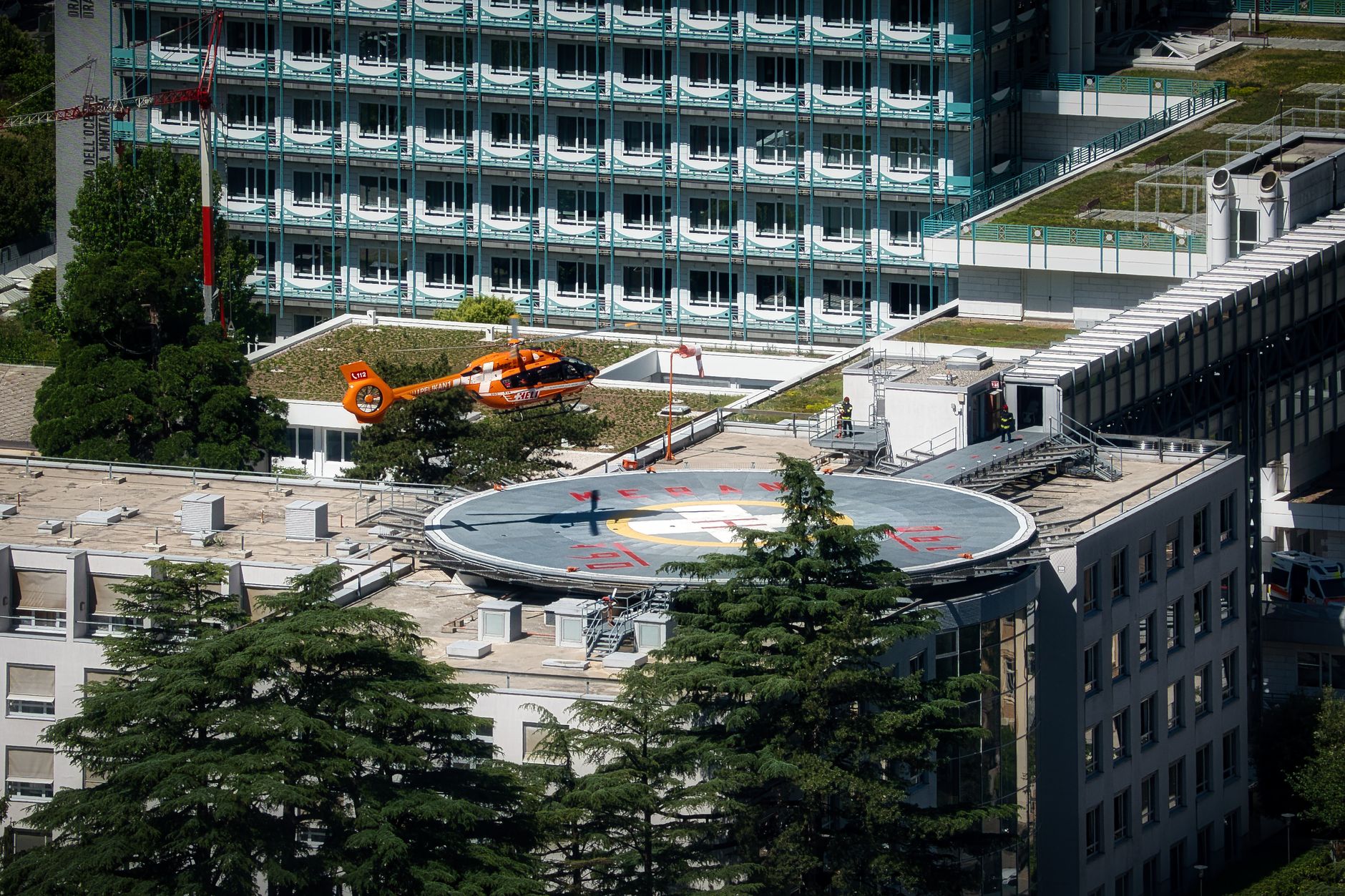
Yes, but only in a narrow role. A mobile robot can support a hospital helipad by checking perimeter conditions, confirming lights and markings are visible, and spotting foreign object debris before arrival windows and after departures. It should be treated as an inspection aid, not as the authority that clears an aircraft to land.
The FAA's active Heliport Design circular, AC 150/5390-2D, says hospital heliports have protected landing surfaces, safety areas, and a heliport protection zone that extends 280 feet from the FATO. That matters because the safest deployment keeps the robot outside those critical areas during live aircraft movement and reserves the final pad status call for trained human staff.
In practice, the robot fits best during scheduled readiness rounds, post-event sweeps, weather recovery checks, and closed-pad inspections. It is a poor fit for free roaming under turning rotors, during multi-helicopter sequencing, or at any moment when a pilot is relying on direct radio coordination with the hospital.
Which jobs belong to the robot, and which do not?
The strongest use cases line up with the FAA's own self-inspection logic. The agency's Airport Daily Safety Self-Inspection checklist calls out FOD such as gravel, debris, and sand, plus lighting, obstruction lights, fencing, gates, signs, and current NOTAM status. The FAA's FOD program defines foreign object debris broadly as objects in the airport environment that can injure people or damage aircraft. Those are repeatable, checklist-driven observations that cameras, thermal sensors, and fixed patrol routes can document well.
What the robot should not do is just as important. It should not enter the touchdown and liftoff area, cross an active access gate without human release, improvise around an inbound aircraft, or decide that a questionable condition is acceptable.
- Suitable tasks include perimeter patrols outside the active surface, light status verification, wind cone visibility checks, and FOD sweeps after storms or construction activity.
- Unsuitable tasks include aircraft marshalling, radio calls to pilots, movement inside an active rotor zone, and any final go or no-go decision.
Where must the robot stay out of the picture?
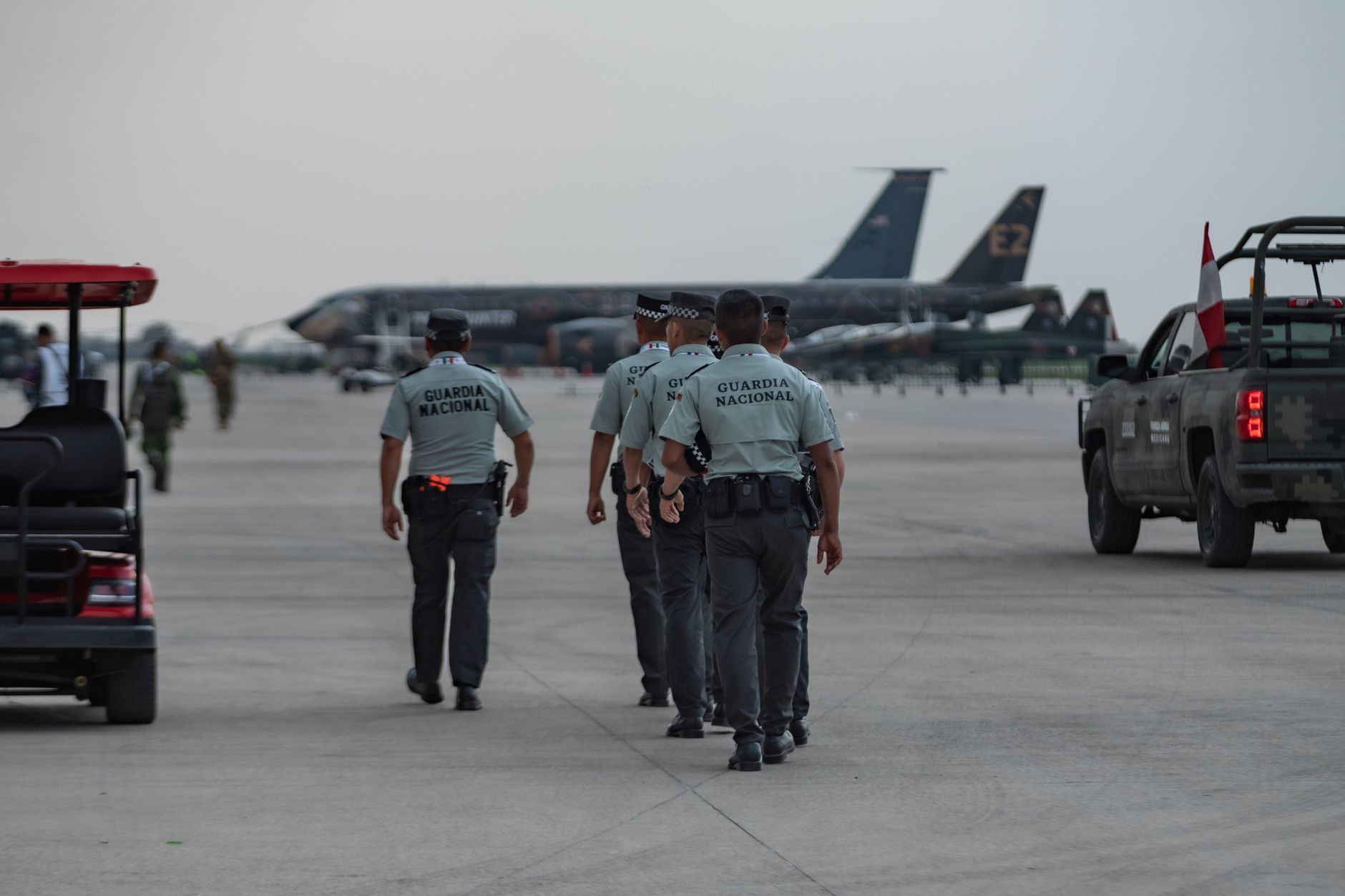
Start with geofencing, not marketing copy. The robot needs hard no-go zones around the TLOF, the FATO, the safety area, and the primary approach and departure path. FAA guidance also says difficult-to-see objects near a heliport should be marked or lighted, and objects around the safety area are judged against specific identification surfaces. A charger cabinet, parked robot, or camera mast can become an aviation obstacle if it is placed casually.
Access rules are structured, not casual. For private-use facilities, the FAA defines a prior permission required heliport as one used by the owner and authorized pilots who are thoroughly knowledgeable about items including approach paths, preferred heading, lighting, and obstacles. Even when a hospital helipad is not formally PPR, that is the right mindset for robot access. No independent gate opening, no improvisation, and no unsupervised entry into the airside side of the fence.
If the hospital changes the pad layout, fence line, or another aviation-relevant feature, 14 CFR Part 157 belongs in the discussion. FAA regional guidance asks proponents to submit notice 90 days before construction or implementation of a modification, and heliport submittals identify nearby heliports within 3 nautical miles, IFR airports within 10 nautical miles, and obstructions within 5,000 feet.
The robot's own physical profile matters. Tall sensor poles, flashing beacons, and reflective housings deserve the same scrutiny as any other difficult-to-see object. According to the FAA, the current obstruction-marking circular is AC 70/7460-1N, issued August 11, 2026, and it remains the reference for how nearby structures are marked and lit for aviation safety.
How do markings, lighting, and reflective surfaces change the spec?
Hospital helipad markings are not generic pavement graphics. FAA heliport design guidance says the hospital TLOF is marked with a red H in a white cross, and a load-bearing FATO perimeter is defined with 12-inch dashed white lines. A patrol robot that runs vision checks needs to recognize those exact features, not treat them like ordinary wayfinding paint.
Lighting details are equally specific. The FAA allows heliport perimeter lighting with maximum spacing of 25 feet and at least four lights per side, and optional green landing-direction lights are spaced at 15-foot intervals. A useful robot can verify outages, contamination, misalignment, or snow cover, then hand the exception to a human who can decide whether the pad remains usable.
Reflectivity is a frequent blind spot in robot selection. AC 150/5390-2D warns that overuse of reflective materials can blind pilots using landing lights or night vision goggles. That is a strong argument for low-glare finishes, non-mirrored mast enclosures, and inspection lighting that never shines toward the cockpit.
What do radio procedures and live rotor operations require?
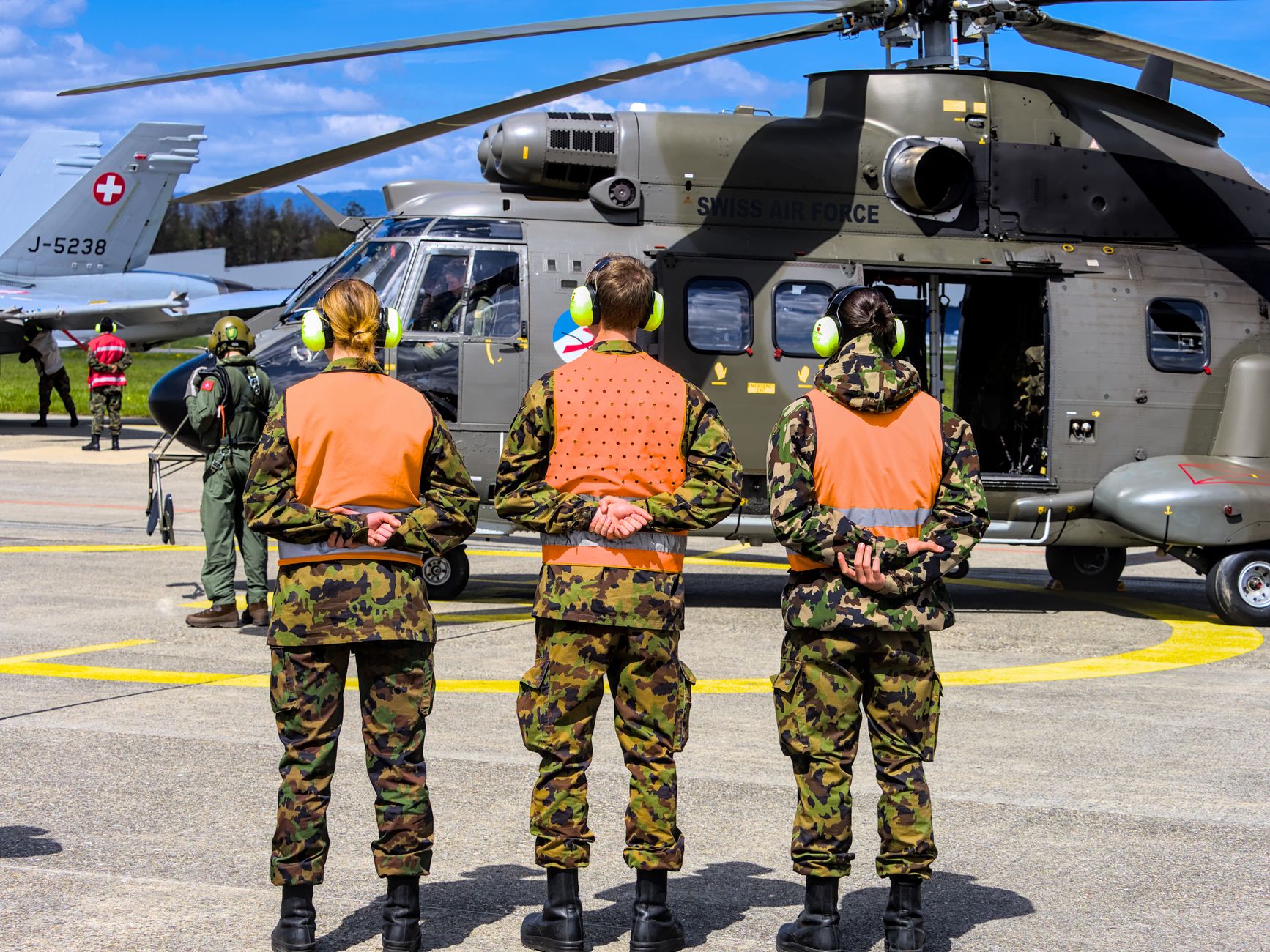
Radio procedure is the clearest line between automation and control. The FAA's Aeronautical Information Manual says many hospitals require landing permission and established local procedures before a helicopter proceeds to the hospital. In multiple-helicopter operations, crews coordinate on 123.025, and the pilot occupying the hospital heliport should advise others whether the patient will be offloaded with the rotor blades turning or stopped.
That means a robot should never be the voice on the frequency. It can feed images, alerts, and checklist results to the communication center, security desk, or flight-following function, but a trained person has to own the radio exchange, the landing permission, and the interpretation of local procedures.
Rotor activity tightens the boundary further. FAA guidance on helicopter wake says outwash vortices near the surface can extend to about three rotor diameters from a hovering helicopter, and ground personnel guidance says no one should approach until the crew directs it. If people should not freelance inside that zone, a wheeled robot should not either.
Which human control points are non-negotiable?
A safe program writes these gates into the SOP before the first patrol ever runs. The robot can inspect, record, and escalate. It does not close the reasoning loop on its own.
- Human release before any robot mission that starts after an inbound aircraft call, a departure advisory, or a live rotor operation notice.
- Human release before any gate opens or any route segment enters a fenced airside-adjacent area.
- Human review of every alert involving FOD, lighting failure, obstruction, wildlife, fluid spill, or an unknown object.
- Human authority for every radio transmission, landing permission, temporary pad closure, and NOTAM-related escalation.
- Human confirmation that the pad is clear before returning the area to service after construction, storm debris, maintenance, or a medical transport event.
How do rooftop pads change the answer?
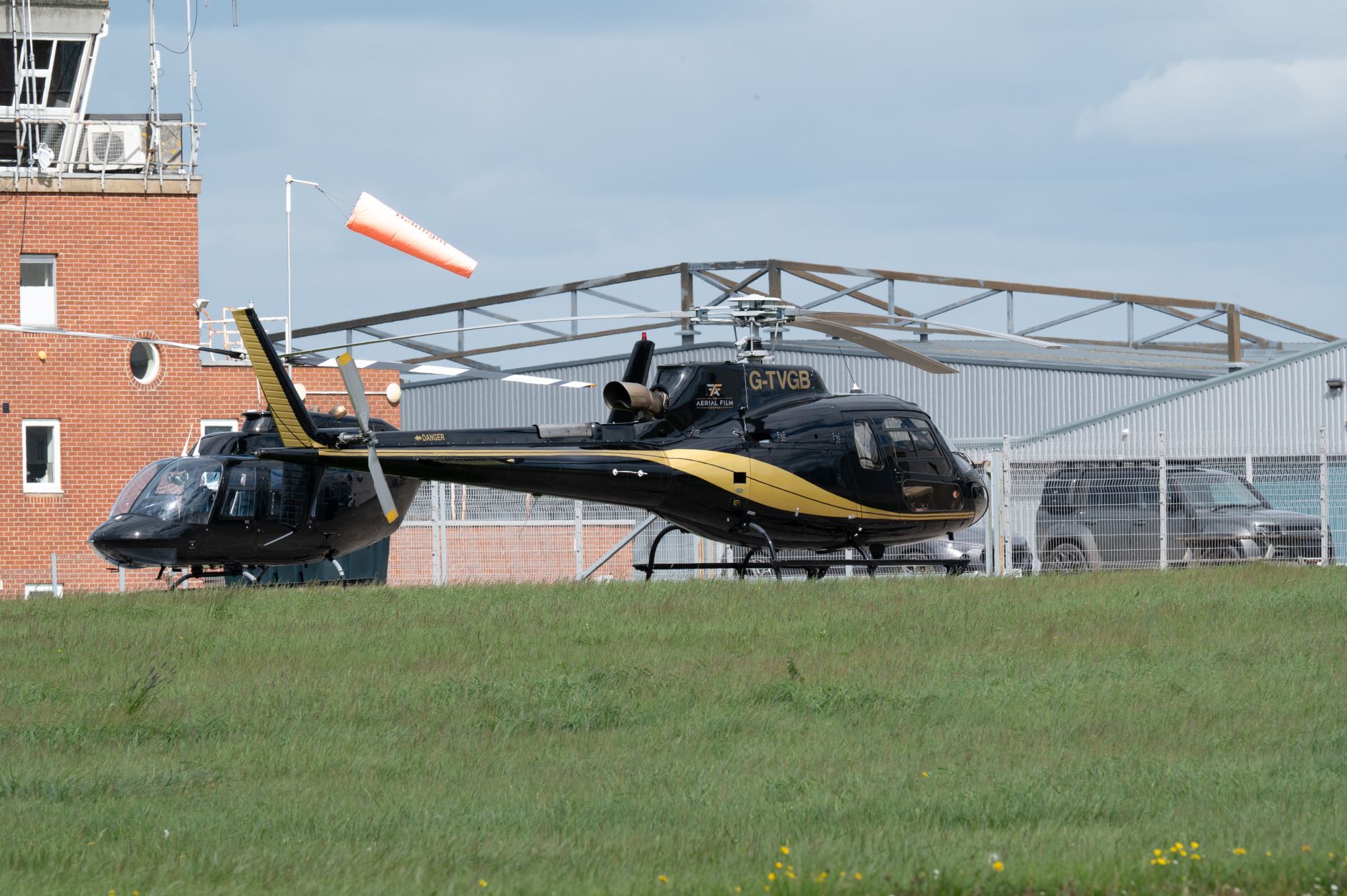
Rooftop helipads raise the bar. FAA heliport design guidance says permanent railings or fences should not be used where they become helicopter hazards, and it describes safety nets not less than 5 feet wide as the preferred fall-protection approach. It also says the wind cone should be visible when the pilot is 500 feet from the TLOF and illuminated for night operations.
For robot deployments, that translates into a narrower acceptable envelope. Wheel slip, drainage grates, roof edge geometry, snow loading, and poor GNSS reception can all turn a routine patrol into a hazard. Many rooftop sites are better served by fixed cameras plus a short supervised robot route than by a fully autonomous patrol.
The hospital should also check every add-on around the roof, including docks, chargers, antennas, and wireless bridges. FAA guidance says difficult-to-see objects near approach and departure areas should be marked or lighted, and that applies to robot infrastructure as much as to any other roof equipment.
How should hospitals buy and deploy this capability?
Hospitals do not need a flashy machine. They need a controlled program that respects aviation procedure, hospital security, facilities maintenance, and after-hours operations. For a first pilot, security patrol robot leasing, inspection robot leasing, or a robot lease monthly structure can make sense because the site can prove the operating concept before it commits to a larger fleet, especially when RoboCare™ service terms keep service responsibilities clear.
This is where Service Robot Co. fits naturally. As a vendor neutral robot integrator for US businesses, Service Robot Co. can match the job to the right autonomous patrol robot or service robot leasing structure, then handle robot deployment and integration, staff training, service, and commercial robot repair service through a nationwide engineer network. For hospitals that prefer robot leasing for business or a leasing model, one partner and one number matters more than the logo on the chassis.
The right rollout is small and procedural. Map the perimeter route, define geofences, write the human control gates, test day and night lighting checks, run construction and storm drills, and verify who owns each handoff. If the robot cannot support that discipline, it does not belong anywhere near the pad.