Key takeaways
- Pick units with documented cold-range battery and electronics ratings, not just a short demo on a warm dock.
- Treat the cooler threshold as a traction test zone: condensation and meltwater spike slip risk where warm air meets 35 to 41 degree air.
- Dock, fill, and drain outside the refrigerated envelope so warm servicing air does not fight your holding temperature.
- Match detergent and sanitizer choices to your written SSOP and the robot maker's approved chemical list before the first overnight run.
- USDA sanitation guidance expects cooler condensation zones cleaned on a schedule you can prove, not only when an inspector arrives.
Which robots actually belong inside a walk-in cooler?
The short answer is compact autonomous scrubbers built for wet, hard floors in food environments, run on a fixed teach-and-repeat or mapped route while product is covered or removed. You are not shopping for a general office unit wheeled into a produce cooler. You need a machine rated for the temperature band you hold, the washdown chemistry you already use, and the doorway geometry your crew navigates with hand trucks every day.
According to the FDA Food Code framework adopted by many states, time and temperature control for safety food must stay at 41 degrees Fahrenheit or below. Operators commonly set walk-in coolers between 35 and 38 degrees to absorb door swings and warm deliveries. That gap between setpoint and regulatory ceiling is your buffer, and it also defines the cold stress your robot battery and seals will see on every cycle.
If the unit cannot complete a full scrub path at your real setpoint without derating or aborting, it does not belong on your shortlist. Pilot on the worst shift, not on a quiet Tuesday when the door stays shut.
How do temperature ratings change battery and runtime math?
Lithium packs lose usable capacity in chill rooms. A scrubber that advertises four hours of runtime in a 70 degree staging area may finish only two passes before it demands a charge when the evaporator fans are running hard. Ask for cold-environment runtime data at your setpoint, with squeegee down and vacuum on, not idle touring.
Electronics and display seals matter as much as the battery. Condensation forms when warm, humid air rolls in during stocking. USDA's sanitation performance guidance treats cooler ceiling and wall condensation as a surface you control through documented cleaning, because drips can adulterate exposed product. A robot with vented controllers can frost internally if you skip pre-run wipe-downs on door frames and fan shrouds.
Plan charging outside the cooler envelope. Opportunity charging in a 36 degree room lengthens charge times and can leave gel on the floor if crews rush reconnects with gloved hands.

What washdown and chemical limits should you confirm?
Food plants live by sanitation standard operating procedures. FDA current good manufacturing practice language expects food-contact surfaces cleaned as frequently as necessary to protect against contamination, with sanitizers adequate and safe under conditions of use. Your robot is another tool in that chain, not an exemption from it.
Request the integrator's list of approved detergents and sanitizer chemistries, concentrations, and contact times. Alkaline floor cleaners that work in dry grocery aisles may foam excessively in a small cooler where drainage is slow. Acid rinses can attack aluminum door tracks if your crew already battles corrosion.
Match your chemical choice to the floor profile: quarry tile, sealed concrete, or epoxy with a cove base. In confined coolers, atomized chemistry lingers. Run your first cycles with air handling on and verify no film remains on shelving legs at ankle height.
Where should docks, fill, and drain live?
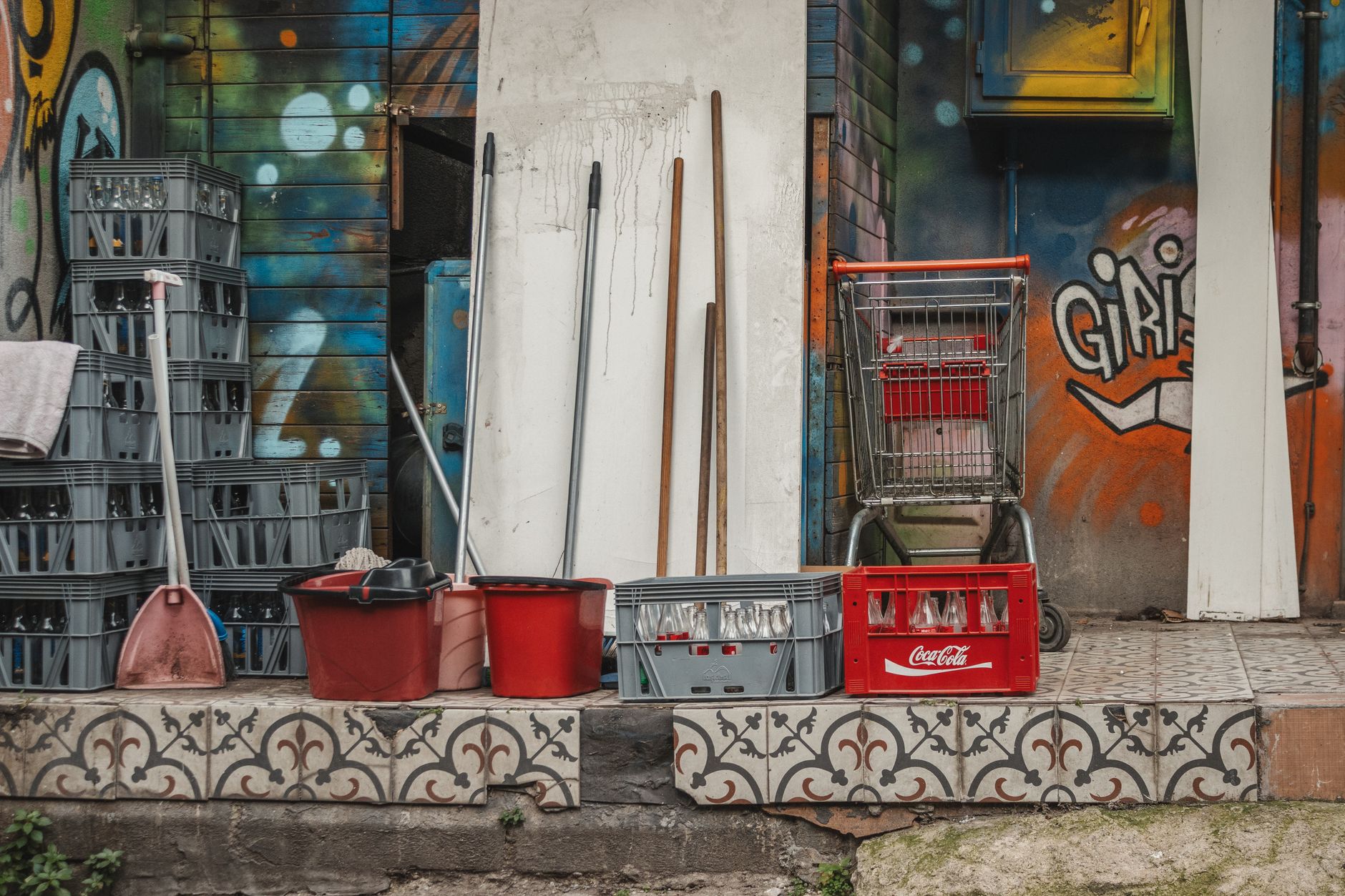
Place the autodock, fresh water fill, and dirty water dump outside the refrigerated space whenever building layout allows. Servicing inside the cooler dumps heat and humidity from maintenance lamps, hoses, and open tanks directly onto product zone air. It also strands a warm machine on a cold floor, which invites flash condensation on the next entry.
Run a short warm-up corridor: robot exits the cooler, docks in a dry equipment alcove or wash room, then charges. Keep the teach path one-way so operators are not backing a wet scrub deck across dry stock aisles. USDA guidance on physical facilities expects cleaning when the least food is exposed, often after close, which pairs well with overnight scrub windows if your cooler can be cleared.
If you must dock inside, specify insulated dock skirts, heated hose lines rated for your sanitizer, and a drain pan that ties into your floor sink system. Document those exceptions in the same SSOP packet you show health inspectors.
How tight is the room geometry for routing?
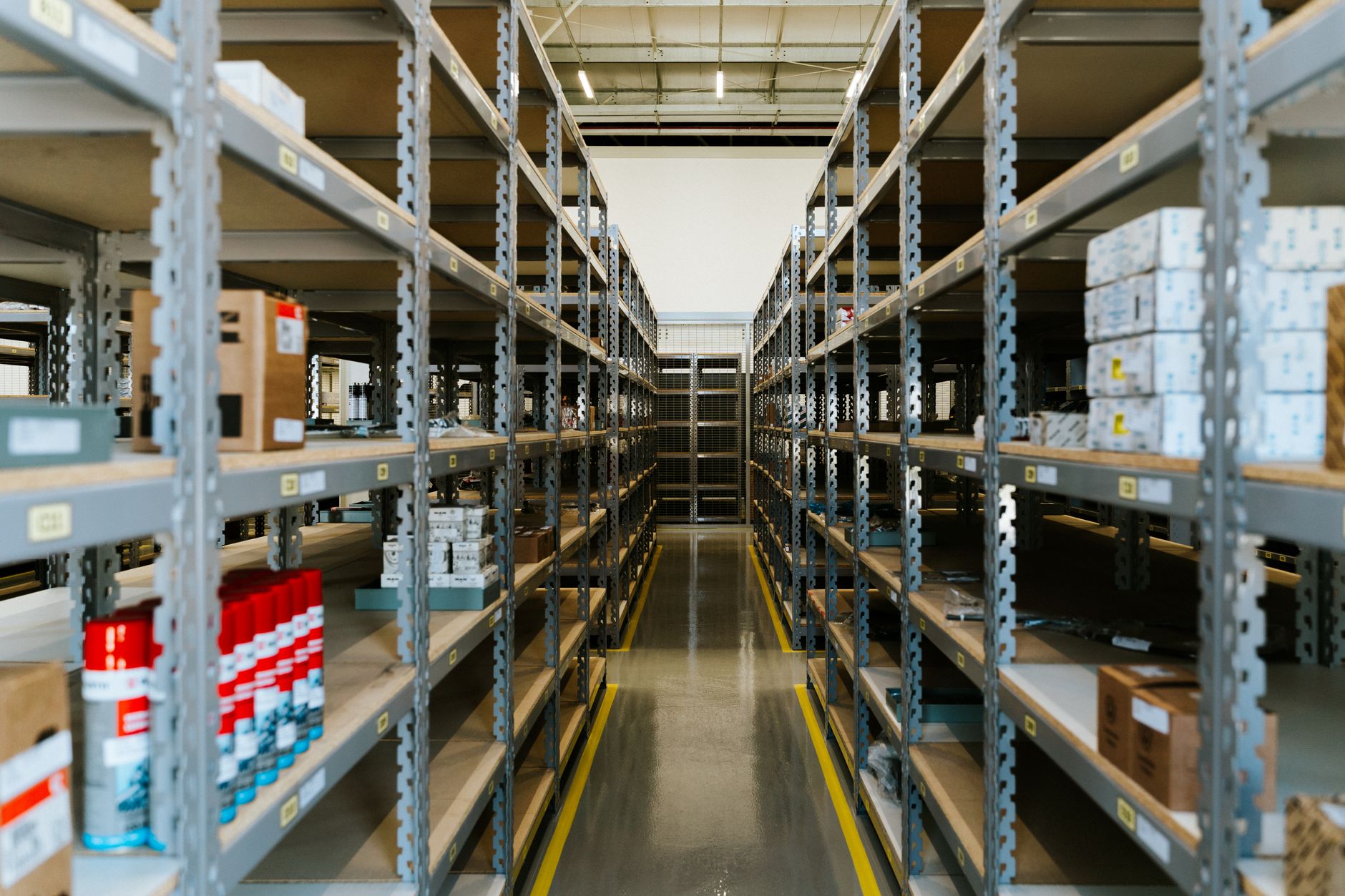
Walk-in coolers are narrow, shelf-lined, and full of obstructions: floor drains, pallet spots, and low-hanging evaporator guards. Measure usable aisle width with racks loaded, not empty. A machine that needs a five-foot turn radius will stall nightly when two dollies are parked mid-aisle.
Ceiling height rarely blocks compact scrubbers, but door header clearance and ramp lips do. Note anti-fatigue mats that curl at edges; they are trip points for both humans and lidar. Program no-go zones for fan coil drip pans and electrical panels, then revisit the map after every layout change.
Lighting matters for vision-based units. USDA sanitation performance material references at least 10 foot candles measured 30 inches above the floor in walk-in refrigeration during cleaning periods. If your LED strips flicker or ice over, fix lighting before you blame navigation misses on the robot.
How do you tie robot runs to sanitation audits?
Health inspectors care about outcomes: clean drains, door tracks, fan guards, and condensate zones without standing water pooling toward product. FDA Food Code style retail guidance lists cooler interiors, drip pans, and door tracks among surfaces that belong on a written schedule.
Pair autonomous scrubbing with a human checklist for corners, rack feet, and gasket wipes robots cannot reach. Log start and end times, chemical lot numbers, and ATP spot checks if your corporate QA program uses them. When USDA examples cite repeated condensation on uncleaned ceilings as an insanitary condition, your records should show you addressed the same zones on a defined cadence.
Service Robot Co. scopes vendor-neutral pilots that respect your SSOP: one cooler wing, one verified chemical set, one dock location, and nationwide service dispatch if a unit faults before a holiday load-in. That is the fastest path to a defensible cold-room program without betting capital on the wrong form factor.
What should a pilot prove before you scale?
Run three consecutive nights at production temperature with doors opening on your real schedule. Capture water pickup at the threshold, battery end state, and any abort codes. Compare slip observations at the doorway against your baseline injury log or workers comp near-miss notes.
Only then add a second unit or extend routes into adjacent prep coolers. Scaling before you validate chemistry, traction, and dock placement turns a sanitation tool into a nightly exception report.
Monthly robot rental with maintenance included can keep capital off the books while you document those metrics for leadership. When the data holds, shift to lease or purchase with the same integrator so training and spare parts stay consistent.