Key takeaways
- Ground clearance and traction matter more than top speed on rough yard surfaces.
- Routes must update when stacks move, not only when seasons change.
- Thermal and visual sensors should feed a human who can intervene remotely.
- Weather-rated hardware and charging placement decide whether night patrols survive winter.
Why are lumber yards tough for patrol robots?
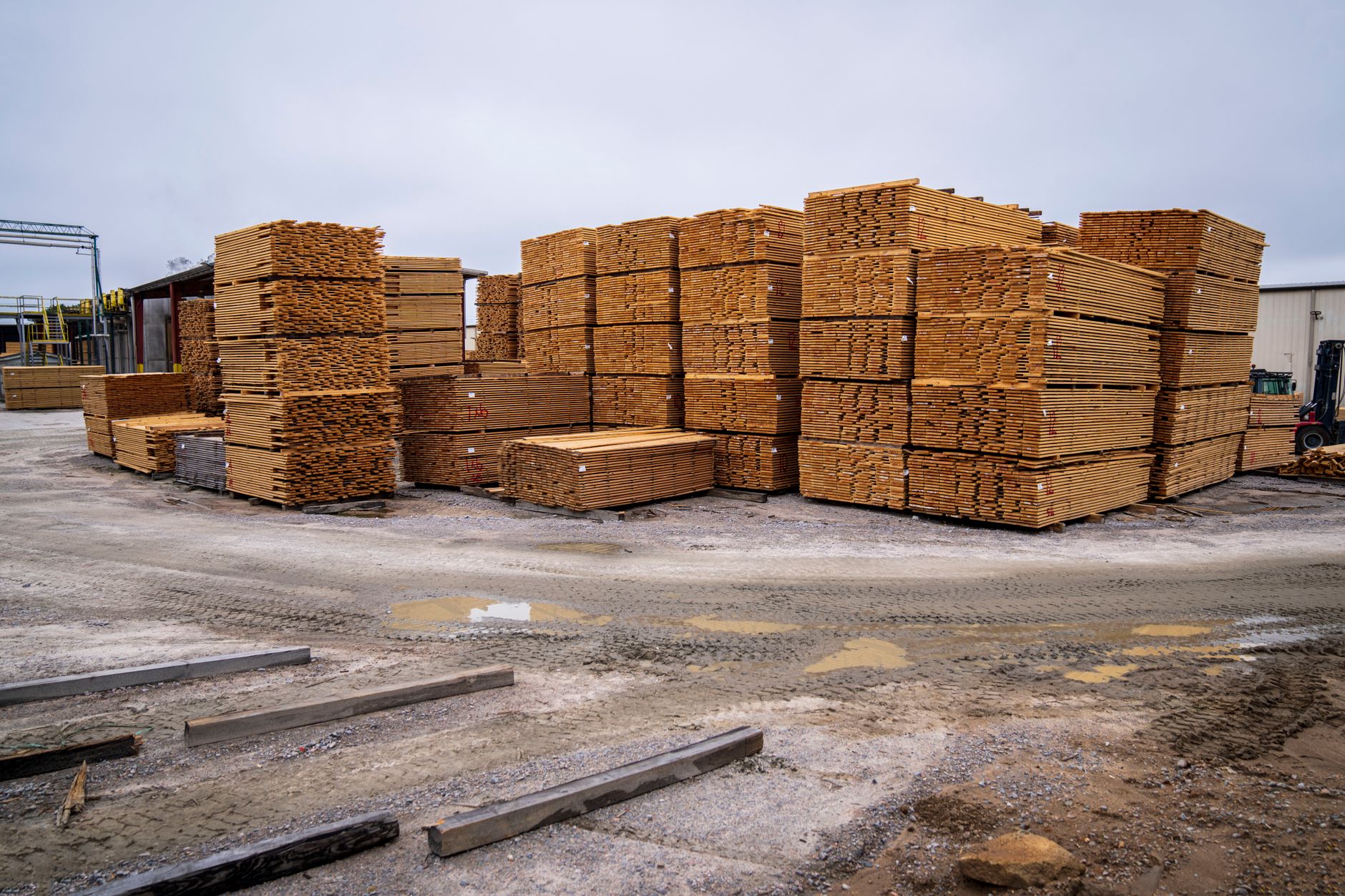
Lumber and timber yards mix loose gravel, mud, dust, and changing stack geometry every shift. A patrol robot built for polished hospital lobbies will bog down or miss sight lines the first rainy week.
Forklifts open and close travel lanes without updating a floor plan. Theft and fire risk concentrate in corners where lighting is uneven and inventory hides sight lines.
According to the International Federation of Robotics, demand for professional cleaning robots grew by 34 percent in 2024 while transportation and logistics robots rose 14 percent. Yards that already run autonomous floor care should apply the same discipline to outdoor patrol selection instead of treating security as an afterthought.
What mobility specs actually matter?
Look for ground clearance, wheel compound, and suspension that tolerate ruts without tipping. Spec gradeability for wet gravel, not just dry asphalt demos.
Dust seals on drive units and cameras matter when kiln-dried stacks throw fines all day. Ask how often operators must blow down sensors in summer.
Speed caps belong in the route planner. A unit that races between sheds becomes a forklift hazard even if navigation software is accurate.
Which sensors help with stacked inventory?
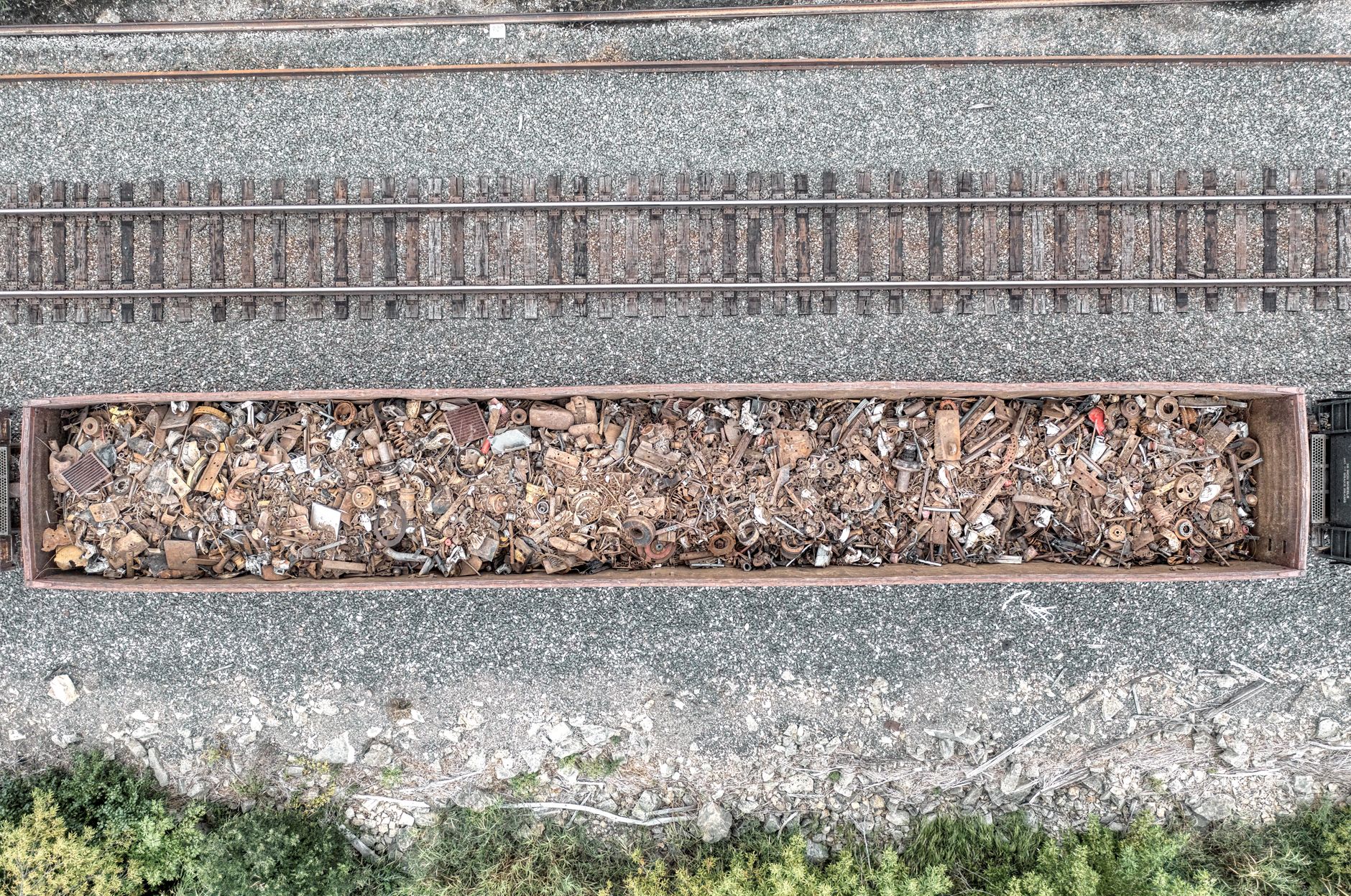
Fixed cameras on a mast miss low gaps between bundles. Combine panoramic visual coverage with thermal cues for smolder risk in covered sheds.
License-plate or gate cameras at the perimeter do not replace interior rounds. The robot should document aisle changes when stacks move overnight.
Audio pickup can flag crashes or alarms, but privacy rules at neighboring properties may limit microphone use. Define retention policies before go live.
How should patrol routes flex with yard traffic?
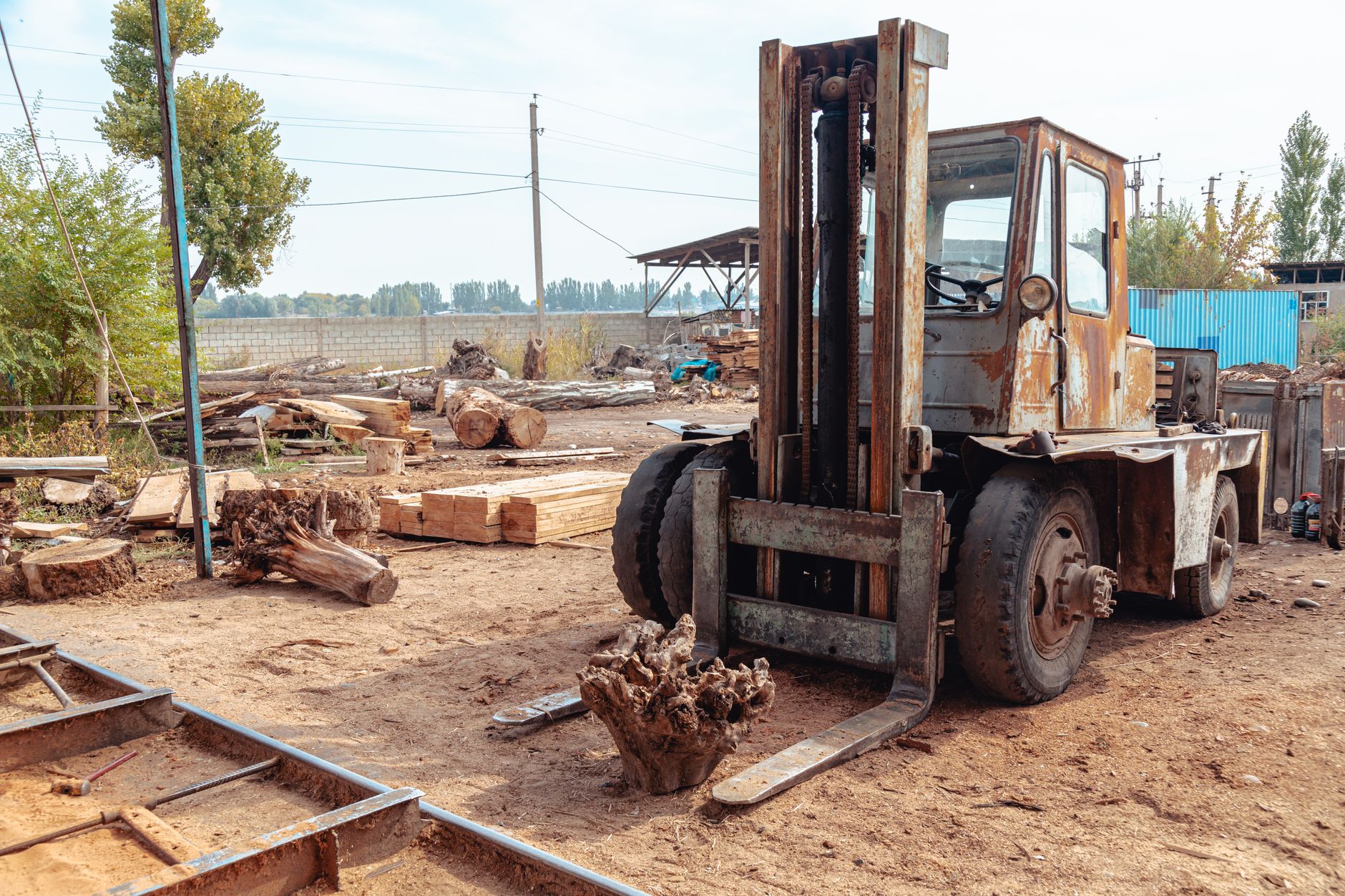
Draw geofences that shrink when forklifts stage wide loads. Operations should edit routes without waiting for a vendor ticket during busy Monday mornings.
Mark no-go zones around log decks, debarkers, and truck scales. A patrol path that cuts through active loading is unsafe even if it saves minutes.
Run tabletop drills when inventory layout changes for a big customer pickup. Update maps the same day stacks move, not after an incident.
What weather protection is non-negotiable?
Rain, snow, and salt spray test enclosure ratings fast. Verify heater or drain paths for cameras so condensation does not blind lenses at dusk.
Charging docks need covered placement or all-weather housings. A robot that charges in a puddle is an electrical and slip hazard.
Wind-blown dust in dry months can clog filters weekly. Maintenance plans should list blower intervals alongside battery checks.
How does remote intervention work after hours?
Patrol robots should escalate to a human operator who can steer, speak, and zoom cameras when analytics flag motion. False alarms waste police goodwill if every cat triggers a call.
Define escalation tiers: operator first, on-site manager second, law enforcement only on verified intrusion. Document response times in the service level agreement.
Recordings must be accessible for insurance claims without leaking supplier or customer data on adjacent stacks.
Night shifts in timber yards also mean coyotes, homeless encampments near fence lines, and customer trucks arriving early. Patrol analytics should tag those patterns separately from intrusion so operators do not mute real alerts.
How can Service Robot Co. help lumber yards pilot patrol fleets?
Service Robot Co. is a vendor-neutral integrator for US lumber, building supply, and industrial yards. We match patrol platforms to your surface and stack layout, finance pilots, deploy with safety leads present, and service units nationwide.
Security patrol robot rental lets you prove routes through a wet season before purchase. Pair patrol with scrubbers on covered aprons under one integrator so training and dispatch stay unified.
The right yard robot is the one your forklift supervisor and security lead would trust on a Friday night. We build that evidence on your gravel, not in a showroom.