
Key takeaways
- In cannabis cultivation, the right sanitation robot is usually compact, low-moisture, easy to decontaminate, and able to produce route logs for audits.
- Flower rooms need biosecurity discipline first and floor coverage second, so machine cleanability and residue control matter more than headline autonomy features.
- Post-harvest rooms deserve the strictest robot spec because current state rules and lab testing focus heavily on microbial transfer risks during handling.
- Inspection robots earn their keep when they catch drain buildup, standing water, and hidden residue before those conditions turn into failed tests or crop stress.
- A vendor-neutral integrator matters in regulated facilities because the best scrubber for corridors is often not the best platform for trim-room inspection and audit work.
What kind of robot actually fits a cannabis grow facility?
For most cultivators, the right answer is not one do-everything machine. It is usually a paired approach: a compact autonomous floor scrubber for corridors and post-harvest hard floors, plus a small inspection platform for drain checks, under-bench visibility, and sanitation verification in tighter rooms. If you buy only for square footage, you will miss the real risk. In cannabis, sanitation failure spreads through residue, moisture, and traffic patterns long before it shows up on a lab report.
The winning spec is boring in the best way. Look for machines that can be cleaned down quickly, isolate clean and dirty water, handle narrow aisles without brushing plant benches, and run on a disciplined schedule around irrigation, trimming, and room turns. You also want route records and operator permissions that stand up in an audit. Fancy autonomy is secondary if the machine itself becomes another contamination vector.
That is why generic facility-robot advice travels poorly here. Grow rooms are humid on purpose, post-harvest spaces collect sticky organic residue, and sanitation windows can be short. The machine has to respect crop cycles, not just clean a map.
- Best fit for flower-room adjacencies: compact, low-moisture scrubber with sealed recovery tanks and easy pad changes.
- Best fit for trim and post-harvest spaces: machines with smooth, wipeable surfaces and minimal dust traps on the chassis.
- Best fit for inspection: camera-enabled mobile platform that can document drains, corners, and under-rack areas without dragging hoses or cords.
- Poor fit: large-body scrubbers designed for wide retail aisles, or any robot that is hard to sanitize between rooms.
Why are sanitation standards tighter than many buyers first expect?
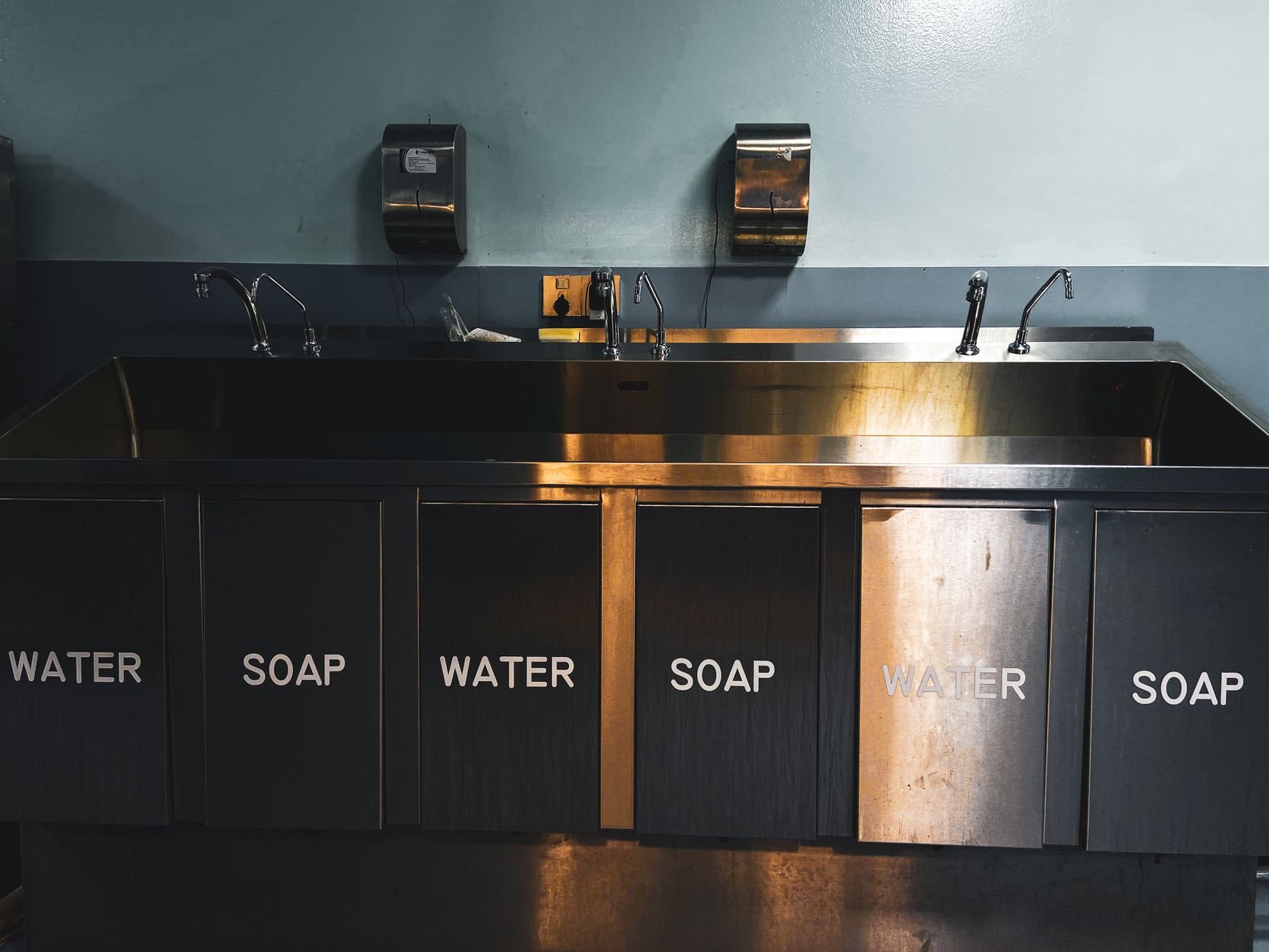
Because the compliance burden is real, and it is getting more explicit. The California Department of Cannabis Control says tools and utensils used to process cannabis must be cleaned and sanitized each day during use and between work on different harvest batches. The same rule says equipment surfaces that contact processed or unpackaged cannabis must be cleaned and sanitized each day during use. That pushes cultivators toward robots whose touchpoints, tanks, pads, and recovery paths can be reset without guesswork.
California also made those sanitation updates effective July 1, 2026, and its rules spell out handwashing for at least 15 seconds or the use of new single-use gloves before handling unpackaged cannabis. The point for robot buyers is simple. Your floor-care workflow now lives inside a broader hygiene system. A machine that saves labor but complicates your sanitation SOP is a bad trade.
New York's Office of Cannabis Management makes the testing side plain. Its current laboratory framework includes microbiology testing for total yeast and mold, total viable aerobic bacteria, and pathogenic bacteria including Aspergillus, Salmonella, and STEC E. coli. That is a reminder that sanitation robots in cannabis are not cosmetic equipment. They sit upstream of the very contamination categories that decide whether product moves or gets held.
What makes flower rooms harder than corridors and support areas?
Flower rooms punish sloppy robot selection. A corridor robot mainly has to clean predictable hard-floor traffic lanes. A flower-room-adjacent robot has to work around irrigation drips, plant debris, humidity swings, hoses, carts, and tight clearances. It also has to avoid splashing residue onto thresholds, kicking particulates into airflows, or tracking contamination from one room to the next.
Moisture control is the hinge. The CDC says indoor humidity should stay no higher than 50 percent to help prevent mold growth. Cannabis rooms often run with their own environmental logic, especially around irrigation and plant stage, so operators cannot count on the building feeling dry enough to forgive extra water on the floor. A scrubber that leaves wet edges, puddles at turns, or dirty recovery components is not just inefficient. It can push your microbial risk in the wrong direction.
This is where narrow-body machines and clear room zoning matter. Many cultivators are better off keeping the autonomous scrubber in corridors, vestibules, and post-harvest hard-floor zones, while using smaller inspection tools and tightly controlled manual sanitation inside the most crop-sensitive rooms. Autonomy should follow the contamination map, not your wish list.
How should post-harvest spaces change your buying criteria?
Post-harvest is where cleaning discipline becomes product protection. Trimming, sorting, drying transfers, and packaging generate the exact mix robots struggle with if they were designed for generic commercial floors: tacky resin, lightweight plant dust, batch changes, and constant contact between tools, trays, carts, and people.
A 2023 PubMed-indexed study on high-THC cannabis inflorescences found that total yeast and mold levels rose with higher temperature and relative humidity within the inflorescence microclimate, harvesting activity by workers, and inadequate drying of buds. The same study found lower counts when product was dried to a moisture content of 12 to 14 percent, corresponding to water activity of 0.65 to 0.7 or lower. That is a useful buying lens. In post-harvest, you want robots that reduce residual moisture and traffic-borne spread, not ones that add either.
Choose machines with parts your sanitation crew can remove, inspect, and dry fully. Recovery tanks, squeegees, filters, and pads should be simple to swap and verify between shifts. If the robot forces long, messy cleanout routines, crews will shorten them under pressure. In a regulated crop, that habit gets expensive fast.
- Prefer low-foaming chemical compatibility and clear dosing controls.
- Prefer hardware with few exposed fasteners and few grime-catching crevices.
- Require documented sanitation steps for tanks, brushes, pads, and recovery paths.
- Require room-by-room access controls so the machine cannot wander into a more sensitive zone on an ad hoc run.
Where do inspection robots earn their keep?
Inspection robots are often the more interesting buy in cannabis because they catch the conditions that scrubbers cannot explain. Think drain film, condensation points, pooling under shelving, residue accumulation behind trim equipment, and recurring splash zones near handoff tables. Those are the places managers usually discover during a bad audit week, not during a calm one.
NIOSH reported that cultivation, harvesting, and processing workers can be exposed to organic dusts including fungus, bacteria, and endotoxin, and its cannabis health hazard evaluations found breathing-zone air samples with more than 200 fungal operational taxonomic units. That does not mean every facility needs a science project on wheels. It does mean hidden buildup matters, and visual verification in awkward spaces has real value.
A small mobile inspection platform can turn those blind spots into scheduled evidence. Weekly image capture of drains, wall-floor joints, under-bench cavities, and condensate-prone corners gives sanitation leads something better than memory. It gives them trend lines. If a spot keeps coming back dirty, you can adjust drainage, airflow, route timing, or cleaning chemistry before crop health and compliance teams get dragged into the same preventable problem.
What should buyers ask during a site walk and pilot?
The right pilot in cannabis is narrower than a generic janitorial trial. You are not trying to prove that a robot can move. You are trying to prove that it can move without compromising biosecurity, residue control, or crop timing. That means the site walk should be built around actual sanitation pain points: room transitions, wet thresholds, trim-room debris, and the moments when staff are most likely to cut corners because the shift is compressed.
Service Robot Co. fits well here because the best answer may involve different robot types across the same facility. An OEM-neutral integrator can match the scrubber to the corridor and post-harvest floor profile, then pair it with a separate inspection machine for drains and tight spaces. That is a better path than forcing one platform into jobs it was never shaped for.
Ask for proof that the machine can be sanitized as rigorously as the floor it cleans. Ask how long the reset takes between zones. Ask what happens when it meets sticky residue, not just dust. Ask how route data is exported for supervisors. And ask the pilot team to run during your real sanitation window, not an easy midday demo when the room is empty and dry.
- Can the robot complete a run without leaving visible water at door thresholds or drain approaches?
- How are pads, brushes, tanks, and filters decontaminated between rooms or batches?
- What lockouts prevent an unauthorized route in a restricted flower or drying zone?
- Can supervisors pull timestamped route records and exception logs for internal audits?
- What is the recovery plan if a unit goes down during a narrow overnight cleaning window?
When does a full-service integrator make more sense than a direct buy?
Cannabis operators rarely need just a machine. They need a cleaning system that survives audits, shift turnover, and seasonal production pressure. That pushes many buyers toward a full-service integrator instead of a direct equipment purchase. Service Robot Co. is built for that model. The company is OEM-neutral, so it can choose the right robots across manufacturers, then finance, deploy, integrate, train, and service every unit through a nationwide US engineer network.
That matters even more in regulated facilities because mixed fleets are common. The machine that fits a narrow corridor outside flower may not be the right one for a resin-heavy trim room or a camera-based inspection route in post-harvest. One lifecycle partner keeps the SOPs, training, service history, and uptime expectations in one place. It also gives growers a cleaner path to robot leasing for business, monthly payment programs, or a robot as a service structure if they want operating expense instead of a capital purchase.
The practical test is simple. If your team would struggle to specify, pilot, sanitize, train, and maintain more than one robot type under live production pressure, buy the operating discipline along with the hardware. In cannabis, that discipline is often the real product.
How should a cultivator make the final call?
Start with contamination pathways, not floor maps. Rank every area by what can go wrong if moisture, residue, or traffic discipline slips for one week. Flower-room corridors, trim areas, drying transfers, and packaging-adjacent floors usually rise to the top. Then match each zone to the least risky form of automation. Sometimes that is a scrubber. Sometimes it is an inspection robot. Sometimes it is a robot outside the room and a stricter manual SOP inside it.
The best sanitation robot for cannabis is the one that lowers microbial risk while fitting the pace of cultivation. It leaves floors dry, produces records, tolerates narrow aisles, and can itself be cleaned without drama. If a machine cannot do that, skip it. In this sector, cleanliness is not a finish. It is a control point.