
Key takeaways
- A plain equipment lease can lower upfront cash needs, but it often leaves service coordination, downtime risk, and escalation burden with the operator.
- A full-service contract usually fits franchise economics better when the real priority is a predictable monthly operating line and one accountable partner.
- Shorter lease terms can raise monthly payments, and leases longer than 12 months can carry balance-sheet implications under current accounting rules.
- Labor pressure remains real in franchising, so uptime, response times, and backup coverage matter as much as the finance structure itself.
What usually makes more sense for a franchise operator?
If your priority is the lowest possible entry cost and you have the people, time, and vendor discipline to manage support yourself, a lease can work. If your priority is predictable monthly costs, clean accountability, and a simple path when the robot is down, a full-service contract is usually the stronger commercial model for a franchisee.
That is because a franchise location does not live or die on financing theory. It lives on operating consistency. Missed overnight runs, unresolved service tickets, and finger-pointing between finance, software, and field repair vendors create the kind of friction that eats unit economics fast.
For most operators looking at commercial cleaning robot rental, the useful question is not lease rental or sale in the abstract. It is this: when the floor is still dirty at 5:30 a.m., who owns the problem, how fast do they respond, and is that responsibility already built into the monthly number?
Why does this question hit franchisees differently?
Franchisees carry local P and L pressure with very little patience for operational drama. According to the International Franchise Association's 2025 economic outlook, the U.S. franchise sector is projected to reach 851,000 establishments, top 9 million jobs, and produce $936.4 billion in output in 2025. That scale creates opportunity, but it also means every unit has to protect margin with repeatable operating habits.
The same IFA ecosystem data shows why operators are so sensitive to labor and cost volatility. In the 2025 IFA Franchisor Survey, 37% of respondents said labor availability, quality, and cost was their top business challenge, and 70% said their franchisees had unfulfilled job vacancies. A robot floor cleaner rental or floor scrubber monthly lease gets evaluated against that daily staffing reality, not in a vacuum.
This is also why unit economics matter so much in the decision. The IFA survey found that 42% of franchisor executives see unit economics as the single most important factor affecting franchisor-franchisee relationships. A contract model that looks tidy on paper but produces messy downtime in the field is not a small miss. It becomes a network problem.
What do you actually get in a lease structure?
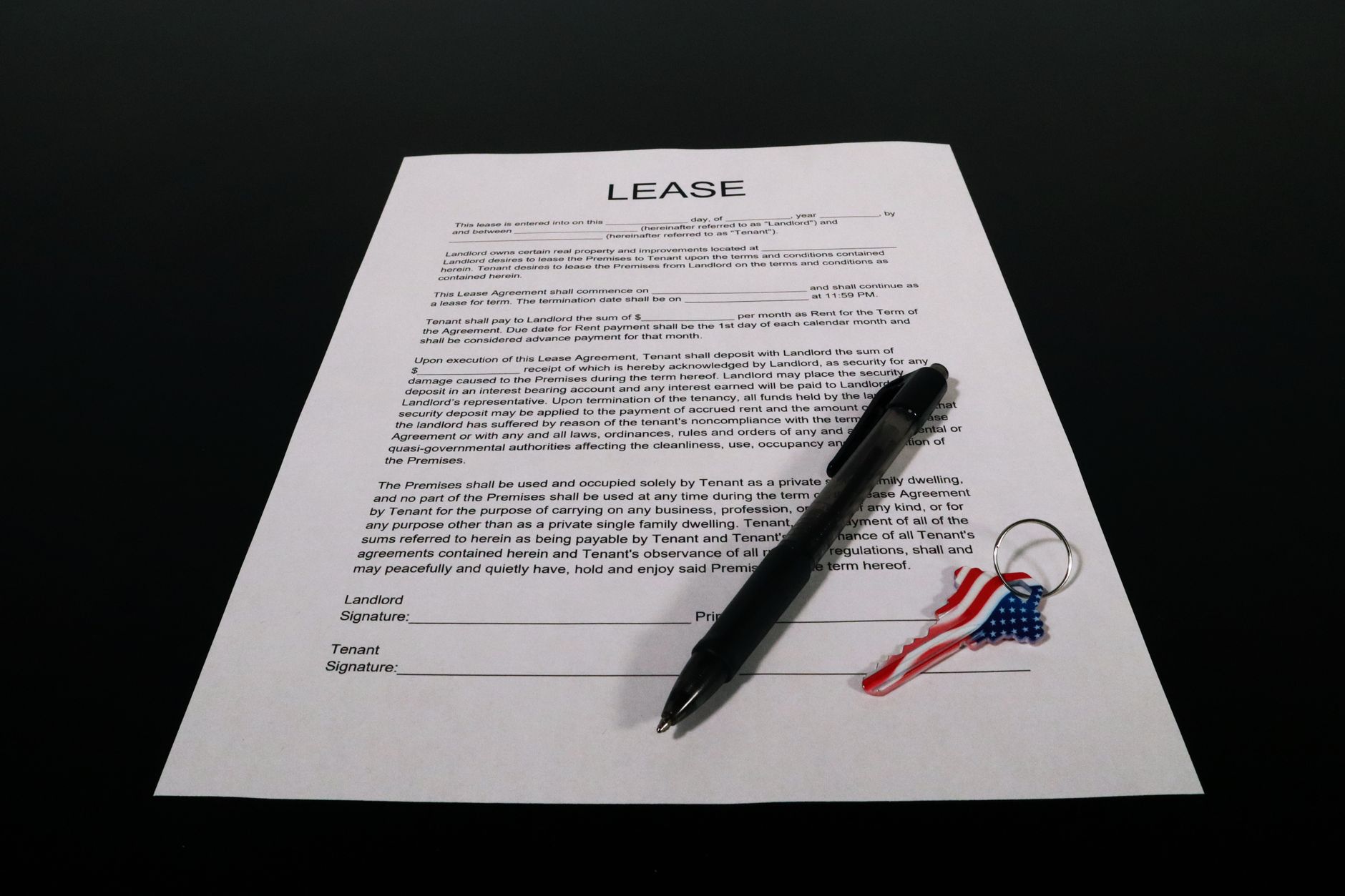
A lease is first and foremost an equipment finance structure. The Small Business Administration notes that leasing can require less cash or credit upfront, can help you test equipment with shorter terms, and may include maintenance in some cases. That can make robot leasing for business attractive when a franchisee wants no upfront capital pressure and a robot rental monthly figure instead of a large purchase.
But the phrase may include maintenance is doing real work there. Some leases cover the machine but leave software support, consumables, on-site dispatch, mapping updates, operator retraining, and replacement coverage outside the base agreement. That is where a cheap-looking monthly payment programs pitch can become a layered operating burden.
The SBA also warns that shorter leases typically carry higher monthly payments and early termination can bring penalties. So a month to month robot lease, or something marketed as no long term contract, deserves careful reading. Flexibility sounds good until you discover the service terms are weaker, the minimum usage rules are strict, or the exit language is expensive.
What changes in a full-service contract?
A full-service commercial cleaning robot rental agreement bundles the machine with the work required to keep it productive. In practice that should mean deployment, site assessment mapping, go live support, training, remote triage, preventive maintenance, repair dispatch, software administration, and a defined escalation path. You are not just renting hardware. You are buying operational continuity.
That distinction matters because the real cost center is downtime, not the brochure payment. The U.S. Bureau of Labor Statistics reported 2,209,760 janitors and cleaners in May 2025, with a median hourly wage of $17.71. If a franchise location is counting on overnight cleaning no operator and the unit fails, the fallback labor, supervisor time, and customer impact can erase any apparent lease savings very quickly.
A well-built service robot rental contract should also spell out who answers first, who dispatches on site, what happens after remote triage fails, and how temporary coverage is handled. For franchisees, the beauty is not abstract convenience. It is the fact that one phone number governs the whole event.

How should franchisees compare bids side by side?
Start with the monthly number, then immediately move past it. Ask each provider to separate equipment access from the services that keep the robot working. If one proposal is a commercial robot rental and another is closer to robot as a service, the monthly figures are not directly comparable until scope is normalized.
A useful comparison table should include term length, exit rights, site survey work, integration scope, training, support hours, remote monitoring, preventive maintenance frequency, on-site response commitments, replacement-unit policy, consumables, damage handling, and reporting. Those items determine operating simplicity far more than headline monthly pricing guide language.
Also look at credit conditions in the broader market. In its July 2025 Senior Loan Officer Opinion Survey, the Federal Reserve said banks reported tighter lending standards and weaker demand for commercial and industrial loans to firms of all sizes. In that climate, many franchisees value monthly structures that preserve flexibility and keep surprises out of the capital plan.
- Who owns deployment and mapping after signature?
- Is preventive maintenance included or billed separately?
- What is the first response path: remote triage, field dispatch, or both?
- Is there spare unit coverage or a loaner strategy for extended downtime?
- What training is included for new managers after turnover?
- What fees apply if you exit early, relocate, or remodel the site?
Where does a full-service integrator fit?
This is the point in the process where Service Robot Co. becomes relevant. Many franchise operators do not want to piece together a robot financing for small business program, a deployment partner, a software support desk, and a repair vendor. They want one partner, one number, and one monthly commercial model that stays understandable as locations scale.
Service Robot Co. works as an OEM-neutral commercial robot integrator for U.S. businesses. That matters because the job is not to push a single machine. It is to pick the right robot for the floor, finance it, deploy it, integrate it into the site, train the team, and service the unit through a nationwide U.S. engineer network. For a franchise group, that creates a far cleaner escalation path than juggling separate counterparties.
In practical terms, that means a franchisee comparing an autonomous floor scrubber rental against a fuller robot as a service structure should press on accountability. If the answer is one vendor for the whole lifecycle, the monthly number is buying far more than access to hardware.
So when should you choose each model?
Choose a lease when your organization already has strong facilities support, is comfortable coordinating service, wants tighter control over contract components, and is mainly trying to minimize initial cash use. This can fit larger operators with centralized procurement and an internal playbook for maintenance vendors.
Choose a full-service contract when your operating model depends on consistency across units, store-level managers are already overloaded, and the business case rests on predictable monthly costs plus rapid escalation. That is often the better fit for janitorial franchisees, multi-site retail operators, and regional groups that value administrative simplicity as much as raw financing structure.
The commercial decision is less about which label sounds smarter and more about where you want complexity to live. If you keep it, a lease can be fine. If you want it carried by one accountable partner, full service usually wins.