
Key takeaways
- Schedule autonomous cleaning by checkpoint demand, not by a generic terminal cleaning calendar.
- Map queue configurations, rubber mats, floor transitions, screening equipment, and sterile-area boundaries as separate operating zones.
- Use robots for repeatable open-floor work while attendants retain spill response, edge cleaning, and security judgment.
- Judge a pilot by dry-floor release time, intervention rate, missed debris, and screening disruption, not square footage alone.
Can robots clean a checkpoint without slowing screening?
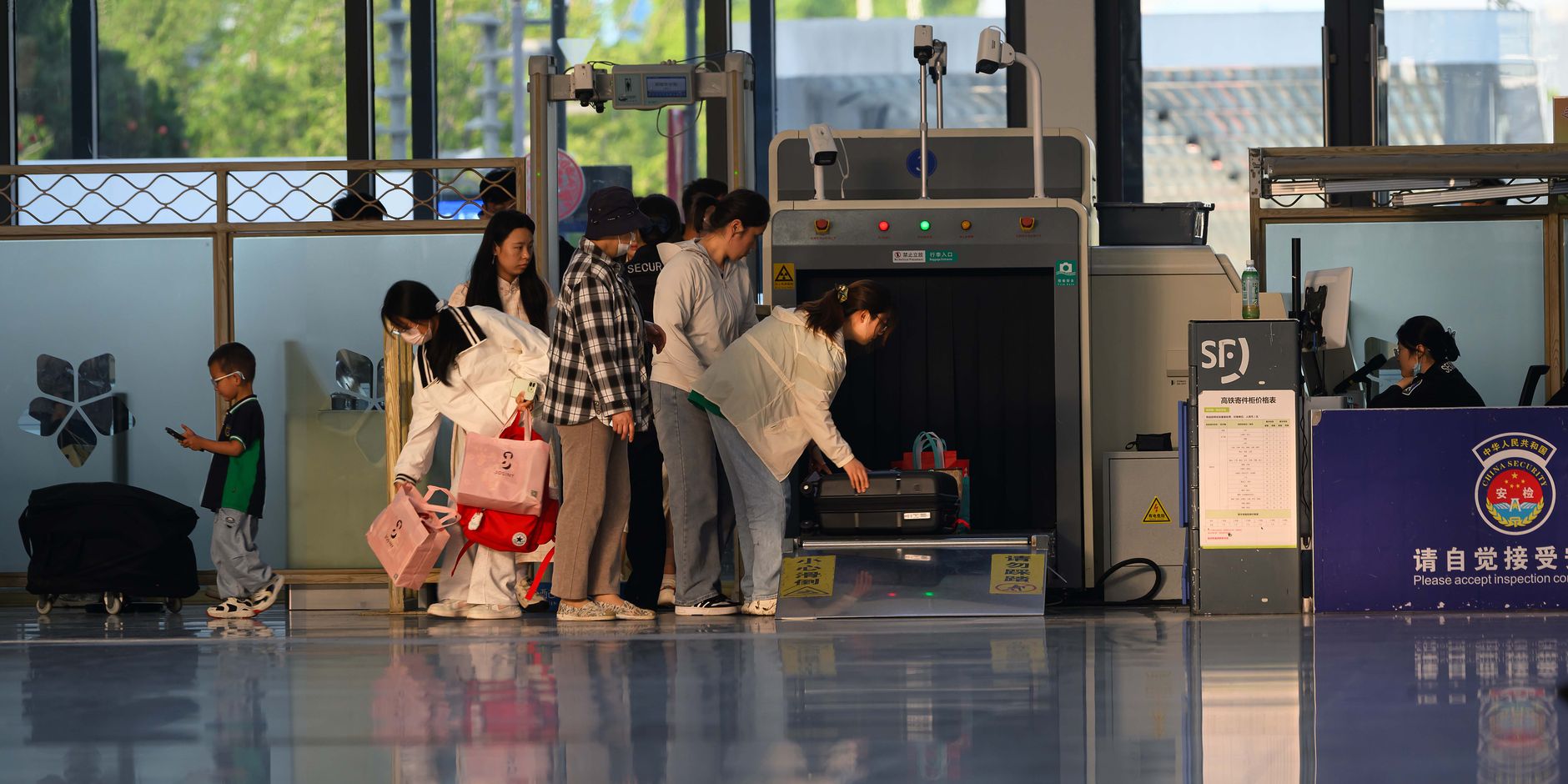
Yes. The workable method is to divide the checkpoint into small cleaning zones and release each zone only when passenger demand, security staff, and queue geometry permit. A compact autonomous floor cleaning robot handles the open, repeatable passes. People remain responsible for urgent spills, tight edges, loose belongings, and any condition requiring security judgment.
This is not simply terminal floor scrubbing moved closer to the checkpoint. The route must account for serpentine stanchions, rubber matting, divestiture-bin debris, wet entrance lanes, fixed screening equipment, and the boundary between landside and the sterile area. Cleaning is subordinated to screening throughput at every moment.
The scale explains why timing matters. According to the Transportation Security Administration, approximately 79.7 million passengers passed through screening checkpoints in June 2025. TSA's May 2025 checkpoint planning materials also recommend at least 600 square feet of queue space for every checkpoint lane. Even a modest checkpoint therefore contains substantial cleanable area, but much of it becomes unavailable during a rush.
Why serpentine queues require a different route plan
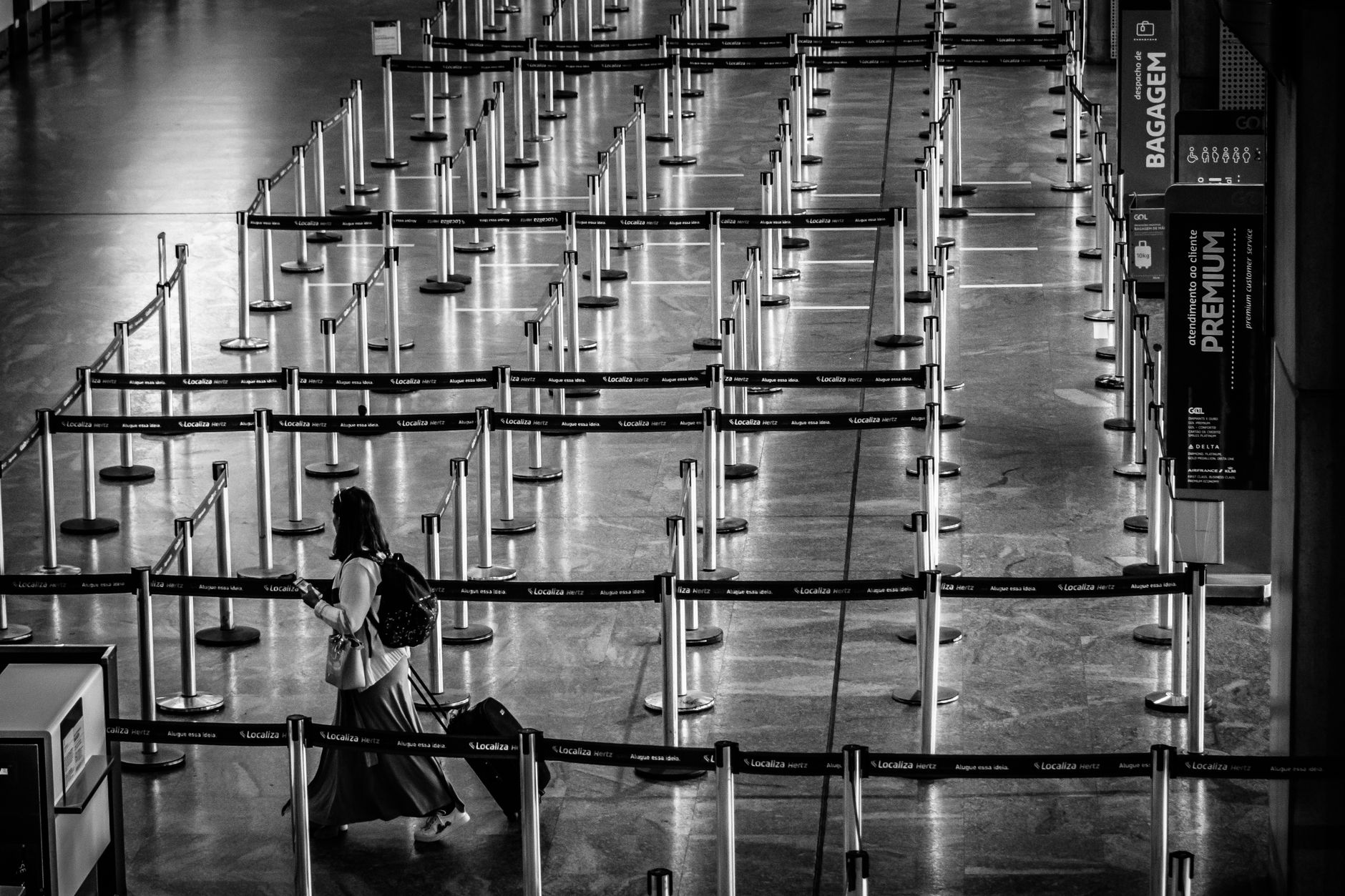
A queue is movable infrastructure. Stanchions shift for morning departures, expedited lanes, family traffic, irregular operations, and closed screening positions. A map recorded after midnight may be wrong before the first departure bank begins.
Treat every approved queue arrangement as its own route version. The robot should follow broad lanes parallel to the stanchion lines, avoid tight turns around weighted bases, and stop short of pinch points where passengers, wheelchairs, canes, or luggage can appear suddenly. No-go zones should cover officer work positions, screening portals, bag-search tables, emergency paths, and unattended property.
TSA's planning guide says queues should accommodate peak demand without interfering with functions such as ticketing and checked-bag processing. It also says off-peak queues should be capable of being cordoned and funneled toward one travel-document-checking position. That changing geometry makes coordination with the checkpoint supervisor more important than maximizing large facility coverage.
- Store a route for each formally approved stanchion layout.
- Require a short walk-through after queue staff move barriers.
- Use a clearly defined pause point outside active passenger flow.
- Give checkpoint staff a fast, familiar way to stop or recall the unit.
How should rubber matting and floor transitions be handled?
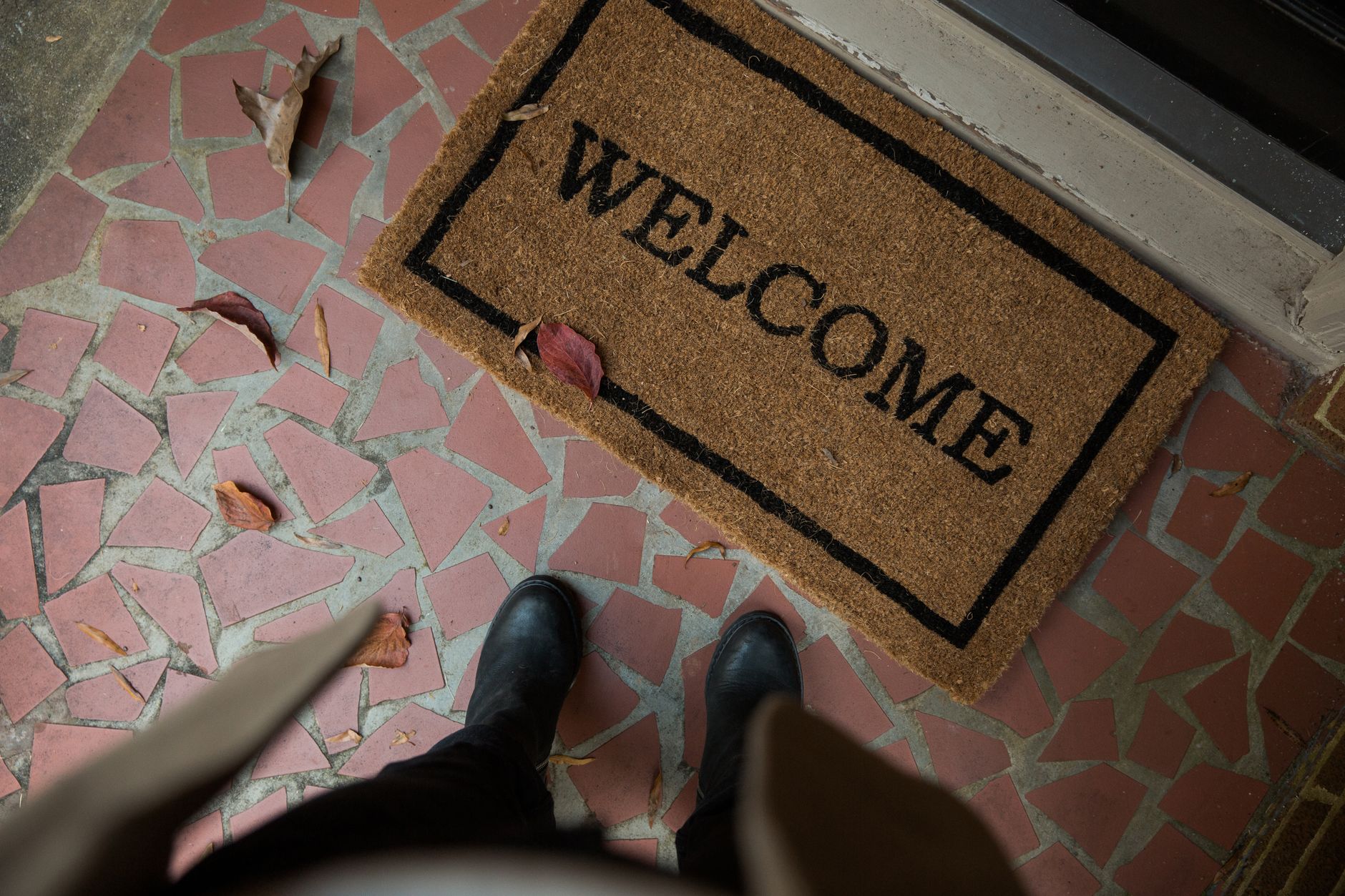
Rubber entrance runners and anti-fatigue mats collect grit well, but their edges can defeat an otherwise competent cleaner. A wheel may climb the mat while the scrub deck catches its lip. A raised or curled edge can also become a passenger hazard, so the site survey must inspect attachment, thickness, bevels, and movement under traffic.
The U.S. Access Board states that accessible surfaces must be stable, firm, and slip resistant. Its guidance permits a vertical level change of up to 1/4 inch. Changes between 1/4 and 1/2 inch must be beveled, while larger changes require ramp treatment. Those figures are accessibility requirements, not a promise that a particular robot can cross every compliant transition.
Test each transition with clean and loaded tanks, in both travel directions, and with the mat in its normal damp condition. If crossing is unreliable, divide the route at the edge. Assign the robot to the hard floor and use a separate vacuuming or manual process for the mat. A robot that fits your floor is more valuable than one selected from a brochure specification alone.
Where does checkpoint-bin dust accumulate?
Divestiture bins shed a distinctive mix of debris: pocket lint, paper fragments, grit from shoes and luggage, hair, snack crumbs, and particles dislodged as passengers empty and repack belongings. The heaviest deposits tend to form beside bin stacks, under return paths, near preparation tables, and through the recomposure area after screening.
These are often edge-heavy zones. An autonomous unit can recover the central travel path, but its side brush or scrub deck may not reach beneath conveyors, tables, or bin-return equipment. Build a paired routine in which the robot handles the repeatable field cleaning and an attendant performs a short edge and under-equipment pass.
TSA describes recomposure space as the area where passengers gather and repack divested items. That makes it operationally sensitive even when it looks open. Run the robot there only when staff can release a defined section without displacing passengers or creating a new bottleneck. Treat unattended objects as a stop-and-notify event, never as ordinary litter.
What is the right response to wet entrance zones?
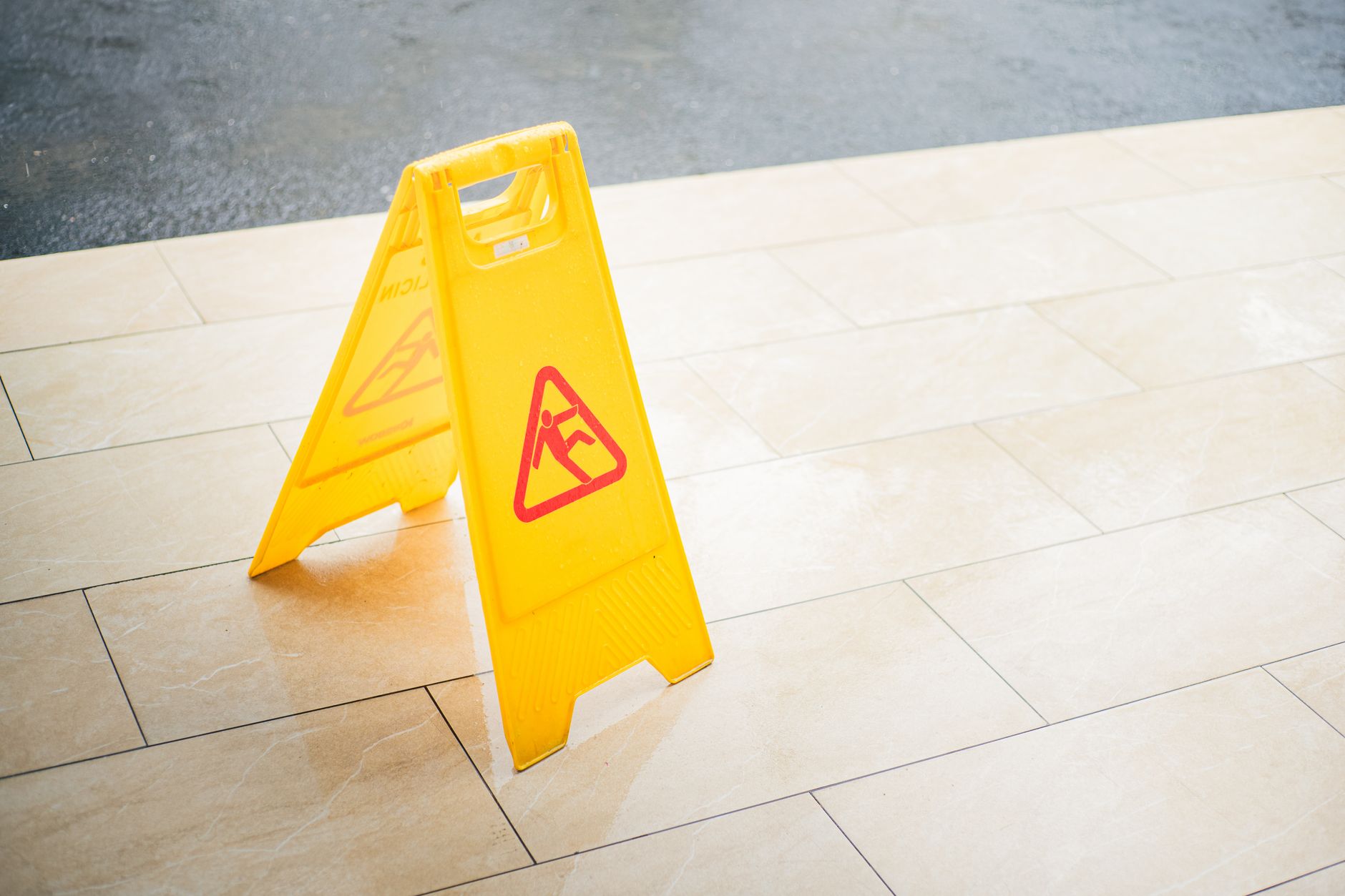
Rain, melting snow, drink spills, and water tracked from curbside create a different job from routine scrubbing. The robot should not discover an unknown spill and quietly continue. It needs a local response rule that protects the area, alerts a person, and keeps passengers away until staff identify the substance and confirm that the floor is safe.
OSHA requires walking-working surfaces to be kept clean, orderly, sanitary, and, to the extent feasible, dry. The agency also requires hazards such as leaks and spills to be corrected or guarded. For airport operations, that favors short, controlled cleaning passes with visible floor protection and an explicit dry-floor release check.
Place entrance-zone routes downstream of effective walk-off matting, not through loose mats or dense arrivals. During active precipitation, a day porter should own rapid spill response while the robot works only in released sections. Autonomous cleaning adds repeatability, but it does not replace scene assessment, warning signs, absorbent pickup, or escalation for suspicious liquids.
- Stop and isolate the affected segment.
- Have authorized staff identify the spill and remove solid debris.
- Select the approved pad, brush, water setting, and cleaning chemistry for that floor.
- Verify pickup performance and dryness before reopening the segment.
How should cleaning follow passenger peaks?
Use local checkpoint data in 15-minute intervals. Daily terminal totals hide the departure banks that matter. The useful inputs are lane openings, queue length, passenger arrival rate, checkpoint wait time, staffing changes, and the minutes required to clear and dry each cleaning segment.
Create three operating modes. In closed mode, the robot can perform full scrub or vacuum routes. In shoulder mode, it cleans released pockets such as unused queue loops or the recomposure fringe. In peak mode, it docks or moves to a protected standby point and leaves active circulation entirely to passengers and staff.
TSA publishes daily national checkpoint volumes and also releases throughput data containing hour, airport, and checkpoint fields. Airport teams should combine their own finer operational data with those records when planning seasonal schedules. A fixed 2 a.m. run may work most days, but weather delays, holiday traffic, or an early international bank can make the same schedule unsafe.
Security controls belong in the operating design
A checkpoint route crosses areas with different access conditions. The Federal Aviation Administration distinguishes landside public space from the sterile area restricted to screened passengers, airline employees, and other authorized people. Local airport security programs determine credentials, escort rules, storage locations, network permissions, and who may retrieve a stopped unit.
Document the robot as controlled equipment. Assign an owner for dispatch, an approved charging location, a pre-run inspection, and a response chain for alarms or unexpected objects. Disable unneeded sensors or recording functions when local policy requires it, and obtain cybersecurity and radio-frequency review before deployment.
Recovery procedures deserve a live drill. Staff should know what happens if the robot stops beside a screening lane, loses connectivity, detects an obstacle, leaks, or cannot return to its dock. The safe response may be remote triage, physical retrieval by a credentialed worker, or leaving the unit stationary until the lane closes. That choice must be approved before go-live.
What should an airport checkpoint pilot measure?
A credible commercial robot pilot program should span ordinary weekdays, a known departure surge, and at least one wet-weather period if the climate permits. Start outside the active checkpoint, validate every transition, then admit the unit to one controlled queue segment. Expand only after intervention patterns are understood.
Measure operational fit, not demonstration theater. Record completed area, elapsed time, dry-floor release time, manual edge minutes, interventions, false stops, missed debris, unplanned entry into no-go zones, and any effect on queue configuration or officer work. Passenger throughput and safety always outrank cleaning output.
Service Robot Co. approaches this as an OEM-neutral, vendor neutral robot integrator for U.S. businesses. The team assesses the site, selects equipment across manufacturers, arranges purchase or lease and monthly payment programs, maps and integrates the unit, trains staff, and supports it through a nationwide U.S. engineer network. That gives airport operators one vendor for robot deployment and integration, training, remote triage, and on-site dispatch.
For teams considering an airport cleaning robot lease, the commercial structure should match the pilot risk. Ask about RoboCare™ service, replacement procedures, service coverage, and the path from trial to a broader deployment. The buying decision should follow verified checkpoint performance, not a generic autonomous floor scrubber lease claim.