

Key takeaways
- Give the showroom, equipment display, and service areas separate robot routes and cleaning rules.
- Remove clods and contain fresh hydraulic residue before an autonomous scrubber enters the area.
- Use entrance lanes and transition zones to intercept soil before tires carry it across the showroom.
- Pilot the robot through real delivery days and wet weather, then judge clean coverage, interventions, and floor results.
What is the right cleaning plan for an equipment showroom?
Farm equipment dealers should treat the showroom as a controlled floor-care zone, not as the clean end of a service-bay route. Assign a showroom cleaning robot its own map, schedule, brushes, squeegees, and recovery-water procedure. Keep service areas and equipment staging on separate routes because their soil loads and spill risks are fundamentally different.
The robot should handle repeatable sweeping or scrubbing after loose clods, stones, twine, and fresh fluid leaks have been removed. Entrance lanes need additional attention after deliveries, demonstrations, rain, and field equipment movements. That division of work protects the public-facing finish while preventing an autonomous machine from spreading oily residue or dragging grit around displayed machinery.
This is also a safety matter. The U.S. Bureau of Labor Statistics recorded 479,480 private-industry cases involving days away from work from falls, slips, and trips in 2024. Its annualized rate for same-level slips, trips, stumbles, or falls was 14.7 cases per 10,000 full-time workers. Clean, dry walking paths deserve a deliberate operating plan.
Why is dealership soil unusually difficult?
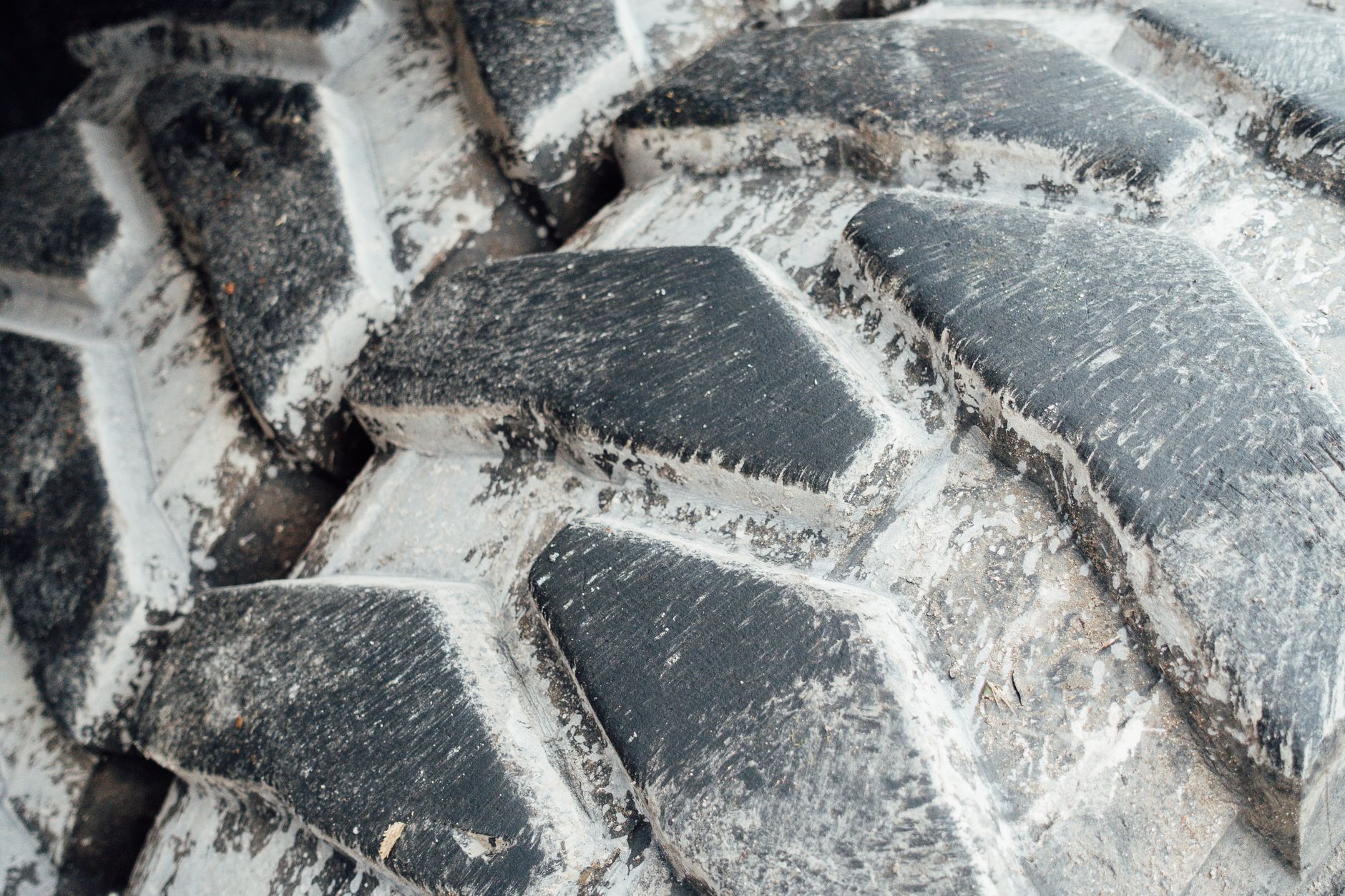
A farm equipment showroom behaves partly like retail space and partly like a vehicle-handling building. Deep tire lugs release dried soil long after a machine comes indoors. Wet tires deposit mud at doors and turning points, while gravel and crop fragments migrate beneath displays where routine mopping rarely reaches.
Hydraulic residue creates a different problem. A thin film may be less visible than mud, yet it can hold fine grit and leave a slick track when a tire, shoe, or cleaning machine crosses it. The U.S. Environmental Protection Agency specifically includes hydraulic oil in its used-oil guidance, so recovered liquid, absorbents, and contaminated wash water need handling under the dealership's applicable waste procedures.
The risk is not confined to employees. Customers walk close to steps, drawbars, tires, and implements while looking upward at equipment. A clean central aisle does little good if residue remains beside a cab entrance or at the edge of a demonstration area.
Divide the building into three operating zones
Begin site assessment mapping with three zones: customer showroom, equipment display and movement, and service. Each receives a distinct map and operating rule set. Physical walls are helpful but not essential. Virtual boundaries, floor markings, door states, and written release procedures can create meaningful separation.
The showroom route should favor predictable customer aisles and perimeter passes around stationary displays. The equipment-display route may encounter larger debris and changing machine positions, so staff should inspect and release it before every run. The service route needs the strictest controls because tools, hoses, stands, open pits, parts, and active leaks can change conditions within minutes.
A transition strip between exterior doors and the showroom is the dealership's soil checkpoint. Sweep or vacuum abrasive material there before wet scrubbing. If a machine arrives directly from a field or yard, stage it for tire cleaning and leak inspection before crossing the showroom map.
- Showroom zone: customer-ready finish, low debris tolerance, dedicated cleaning components, and runs during closed or quiet periods.
- Display and movement zone: pre-run inspection, temporary no-go areas, and route release after machinery stops moving.
- Service zone: manual spill control first, heavier-duty floor care second, and no automatic entry during active repair work.
- Transition zone: tire inspection, dry soil capture, floor-mat service, and a handoff point between dirty and clean routes.
How should routes fit around large machinery?
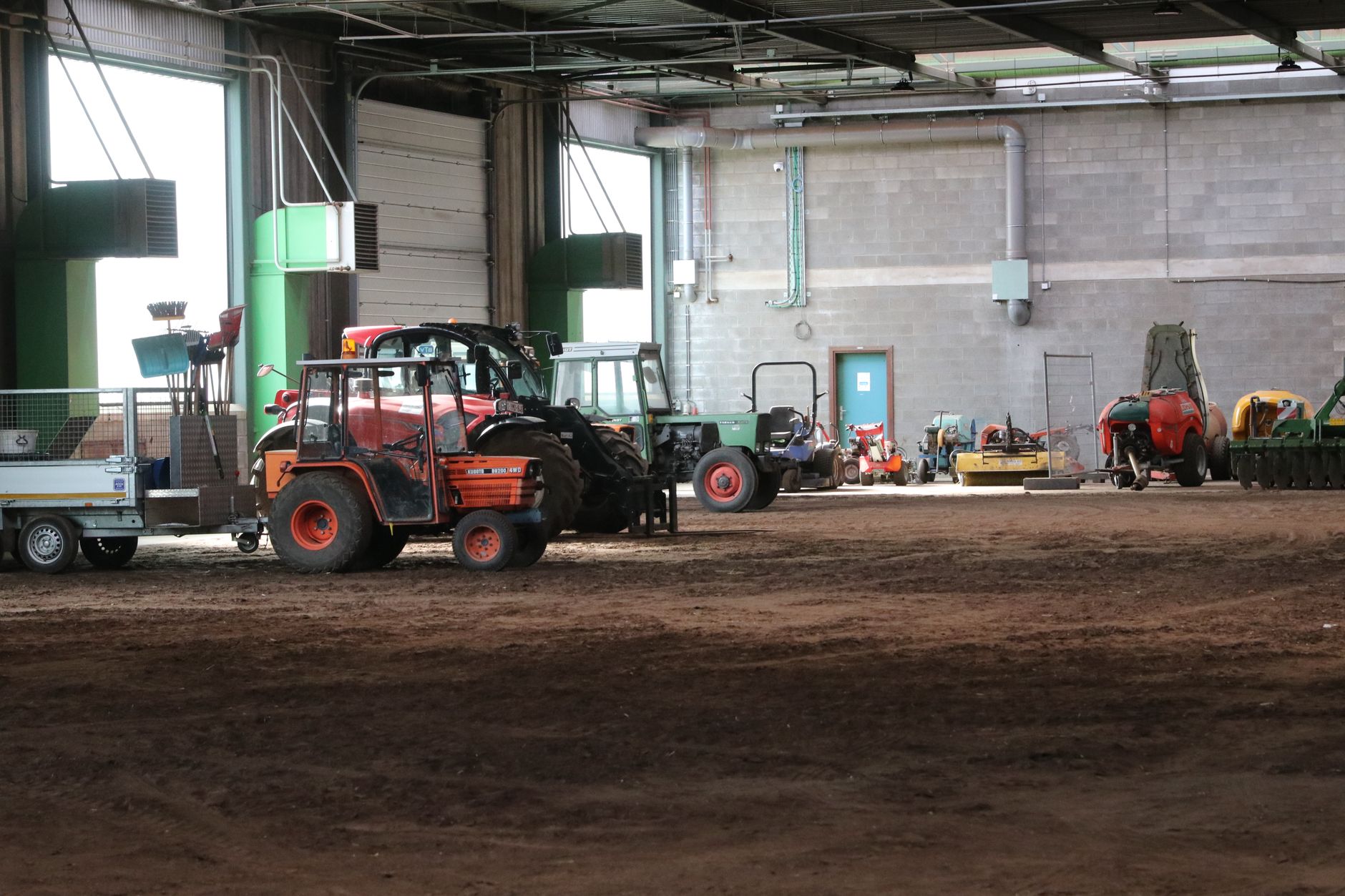
Map stable travel corridors, not the outline of every tractor or implement on opening day. Inventory changes, attachments protrude, and sales staff reposition machines. Preserve generous clearance around tires, hitch points, headers, forks, and low components that sensors may encounter differently from a solid wall.
Use fixed no-go zones for desks, floor drains, charging areas, customer seating, stairs, and locations where cords or display stands routinely appear. Temporary exclusions should cover newly placed equipment, wet-floor treatment, promotional displays, and delivery paths. Staff need one simple way to tell when a route is safe to release.
Do not count the square footage beneath tightly parked machinery as autonomous cleanable area. Clean coverage means floor the machine can reach and scrub effectively, not the building's gross area. That distinction prevents exaggerated large facility coverage estimates and exposes display layouts that require periodic manual detailing.
Fresh leaks require a separate response

An autonomous floor scrubber lease is not an emergency spill crew. When staff find hydraulic fluid, stop traffic, guard the area, identify the source, and follow the product safety data sheet and facility spill procedure. Recover free liquid and apply the approved absorbent before deciding if mechanical cleaning is appropriate.
OSHA's walking-working-surfaces rule, 29 CFR 1910.22, requires workroom floors to be maintained in a clean and, as far as feasible, dry condition. It also calls for regular inspection and correction of hazards such as leaks and spills before employees use the surface again, or guarding the hazard when immediate correction is not possible.
Keep oil-contact brushes, pads, squeegees, and recovery water out of the showroom program. A dedicated industrial floor scrubbing robot may eventually serve a controlled service area, but sharing contaminated components with the sales floor defeats route separation.
Build the schedule around soil events
A nightly pass works for routine dust, but dealership cleaning should also respond to events. Weather changes, equipment deliveries, field demonstrations, and shop transfers can overwhelm a calendar-only schedule. Give designated employees authority to pause, inspect, or release a route.
Dry recovery should usually precede wet scrubbing when tire lugs have shed soil. Otherwise, water can turn dust into slurry and pack debris into pads or squeegees. After rain or snow, shorten the interval between entrance inspections and run compact touch-up routes before contamination reaches customer aisles.
NIOSH found that 75 percent of slip, trip, and fall injuries in wholesale and retail trade occurred on the same level in the data used for its retail prevention guide. The practical lesson is simple: prioritize the horizontal paths people use most, particularly entrances, machine access points, counters, and the route to parts and service.
- Before opening: inspect entrances, machine access points, route edges, and any unit moved overnight.
- After equipment movement: collect clods and gravel, check for leaks, update temporary exclusions, then release the affected route.
- During bad weather: service mats and transition lanes frequently instead of waiting for one large closing-time run.
- After closing: run the full showroom route, inspect the result, empty recovery tanks, and record exceptions for the next shift.
Choose the machine around the route, not the brochure
Start with the actual floor finish, narrowest usable passage, turning space, slopes, thresholds, debris profile, and expected wet-cleaning area. Brush pressure and tank size matter, but so do edge performance, recovery on turns, visibility around tall equipment, and the effort required to clean tanks and squeegees.
Test obstacle behavior with realistic dealership objects such as tire chocks, sign bases, floor mats, pallet corners, and low attachments. Confirm that the robot pauses safely when people enter its path and that staff can stop and recover it without hunting for a specialist. Network loss, closed doors, and a moved display should produce a clear, documented response.
Service Robot Co. approaches this as a vendor neutral robot integrator for U.S. businesses. The company compares machines across manufacturers, then handles financing, robot deployment and integration, staff training, remote triage, and service through a nationwide engineer network. That one-partner model is useful when a dealer needs a robot that fits the floor rather than a specification chosen in isolation.
What should a dealership pilot measure?
Run a commercial robot demo through representative conditions, not a freshly cleared showroom on a quiet afternoon. A useful robot pilot program includes an ordinary sales day, an equipment move, closing-time cleaning, and at least one wet-weather or high-soil test when seasonal conditions permit.
Measure completed cleanable area, missed edges, interventions, setup and recovery labor, water use, visible soil removal, and any residue transferred between zones. Photograph consistent inspection points under the same lighting. Record why each intervention occurred so route problems are not confused with machine faults.
OSHA's fiscal 2024 inspection summary listed 227 citations for failing to keep walking-working surfaces clean, 129 for surfaces not kept free of hazards, and 76 for workroom floors not kept dry. A dealership's acceptance test should therefore verify the operating process as well as appearance: inspections happen, hazards are isolated, routes remain controlled, and staff know who owns each response.
Service Robot Co. can structure the program as a commercial cleaning robot lease, purchase, or monthly payment program, with options such as RoboCare™ service where appropriate. The important decision is not the financing label. It is selecting equipment, service coverage, and operating rules that remain workable through planting season, harvest traffic, and showroom resets.
- Coverage: percentage of the mapped, genuinely reachable floor completed without manual driving.
- Quality: soil and film remaining at entrances, turns, tire edges, and customer walking paths.
- Reliability: interventions per run, their causes, and the time employees spend restoring operation.
- Containment: evidence that mud, oil residue, tools, or recovery water crossed from one zone into another.
- Readiness: percentage of scheduled runs preceded by the required inspection and route release.
Frequently asked questions
Sources
- OSHA Walking-Working Surfaces Standard
- BLS Injuries, Illnesses, and Fatalities Latest Numbers
- BLS 2024 Falls, Slips, and Trips Rates
- NIOSH Slip, Trip, and Fall Prevention for Wholesale and Retail Trade
- EPA Managing Used Oil for Businesses
- EPA Used Oil Quick Start Guide
- OSHA FY2024 General Industry Citation Summary