Key takeaways
- Salt and sand demand corrosion-aware hardware and frequent rinse plans.
- Traction and threshold ramps matter more than max run time on docks.
- Guest hours need quiet, visible robots or after-close-only routes.
- Manual edge work stays in the plan; robots cover the open floor.
Why are marina floors harder than standard retail?
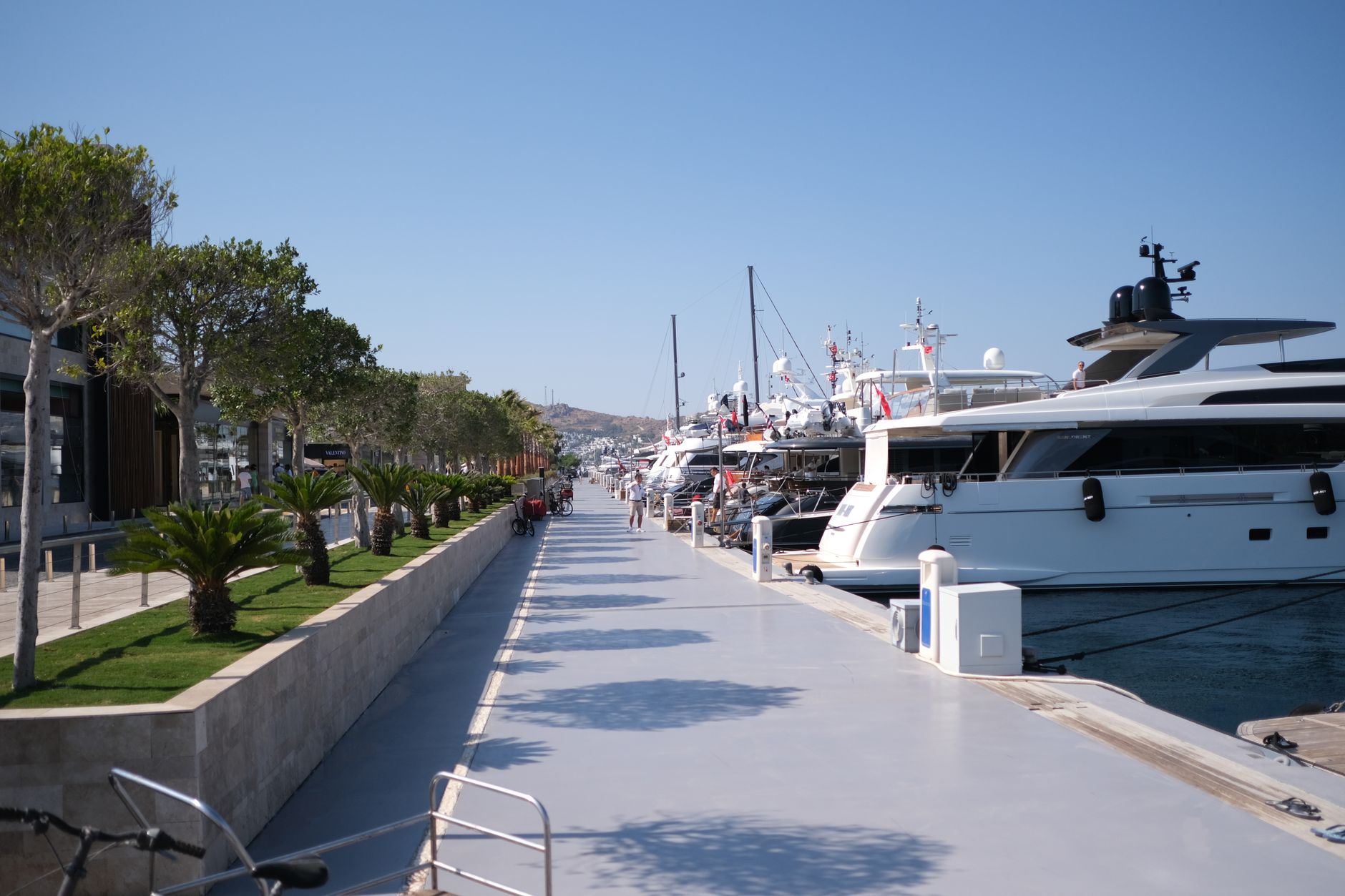
Marina bathhouses, dock offices, and gangway-adjacent commons see sand tracked in, salt spray, standing water, and uneven thresholds from floats moving all day. Standard indoor scrubbers fail when brine hits steel decks and wheel wells.
Guests expect clean restrooms and office lobbies, yet windows for autonomous runs shrink when boats launch and crowds gather on weekends.
According to the International Federation of Robotics, professional cleaning robot sales rose 34 percent in 2024 to more than 25,000 units worldwide, with floor care as the main task. That growth reflects facilities chasing labor gaps, but marina buyers still need hardware matched to salt exposure, not generic retail specs.
Start selection with your worst wet day, not a dry Tuesday demo. If the robot cannot finish a route after a Saturday launch rush, the pilot fails before finance ever reviews the lease.
What traction and clearance specs matter on docks?
Look for wheel compounds and squeegee setups rated for wet epoxy and sealed concrete with slope. Gradeability specs should include ramped gangways, not just flat warehouse floors.
Ground clearance helps when hose bundles and cleats create sudden lips. A robot that hangs on a threshold blocks wheelchair routes and stalls the whole bathhouse loop.
Test approach angles on the narrowest restroom door before you sign a lease. Dock offices often mix carpet transitions, metal grates, and rubber matting that confuse lidar if you skip a mapped trial.
Ramp traction testing on real wet decks beats brochure claims. Run the unit with the same detergent concentration your janitorial vendor uses today, because foam changes stopping distance.
How do you fight corrosion from salt air?

Stainless hardware, sealed connectors, and washdown-friendly decks cost more and pay back when air sits at ten percent humidity with salt load.
Rinse robots after brine-heavy weeks the same way you rinse dock carts. Salt film on sensors causes ghost obstacles and random replans that burn battery before the route finishes.
Store charging gear under cover when possible. Pooled saltwater at a contact is an electrical and slip hazard for staff who service docks at dawn.
EPA National Estuary Program guidance treats marina runoff and facility maintenance as linked environmental duties. Align rinse water handling with your harbor master rules before you automate chemical recovery.
Where does drainage fit the cleaning plan?
Bathhouses need robots that recover water without leaving lakes near drains already handling shower flow. Coordinate with plumbing capacity during peak marina hours.
Dock offices may require dry-only modes near server closets. Map no-mop zones like you map server racks and electrical panels.
Log puddle hotspots after storms and adjust routes before guests arrive. Standing water near locker benches is both a slip risk and a sign the squeegee setup is wrong for your floor profile.
If your dock uses trench drains, confirm the robot can straddle or avoid them without trapping wheels. A stuck unit during a holiday weekend ties up staff you planned to reassign.
What manual edge work stays human?
Stalls, bench corners, and ladder-backed toilets still need hand tools. Robots cover open floor and long corridors where repetition saves hours.
Set realistic coverage metrics so marina managers do not expect autonomous work behind floor-mounted fixtures or under boat-show display tables.
Train staff on split duties: robot handles the bay, humans handle the edges on a posted schedule. That split keeps labor unions and seasonal hires aligned with what the machine actually delivers.
Document which zones stay manual in the same runbook you use for spill response. Inspectors and insurers ask for written scope when autonomous equipment shares public restrooms.
When should robots run around guests?
Many marinas restrict autonomous runs to early morning or after close when slips are quiet. Others use visible, slow robots with escorts on weekdays only.
Post signage at bathhouse entries so boaters know a scrubber is active. Surprise motion near wet tile creates slip claims that cost more than a month of robot rental.
Quiet modes help near office windows, but never hide robots where people turn corners blind. Sound and lighting matter as much as decibel ratings on the spec sheet.
Holiday weekends compress your cleaning window. Plan either extended night routes or a temporary second manual crew so guest-facing areas stay audit-ready when IFR-scale demand pushes vendors to prioritize larger sites first.

How can Service Robot Co. help marina operators pilot scrubbers?
Service Robot Co. is a vendor-neutral integrator for US marinas, yacht clubs, and waterfront offices. We map salt-exposed routes, finance pilots, deploy with facilities leads present, and service fleets nationwide.
Commercial cleaning robot rental lets you prove a bathhouse loop through one storm week before purchase. We align chemistry with your dock environmental rules and train staff on rinse and edge duties.
IFR data showed professional cleaning robot sales grew only 4 percent in 2023 before the 2024 jump, which means vendors now ship more units but not every model suits brine. We narrow choices to hardware that survived similar waterfront pilots.
The right marina robot survives brine, respects guest hours, and leaves edges to your team on a clear schedule. One partner handles mapping, monthly programs, and on-site dispatch so you are not juggling separate OEM and cleaner contracts.