
Key takeaways
- Robots fit best in arcades, party rooms, lobbies, and sealed hard-floor perimeter zones, not the coated rink deck by default.
- MFMA says maple floors should be dust-mopped daily, kept at 35 to 50 percent relative humidity, and not cleaned with water-based scrubbers.
- CRI says high-traffic carpet should be vacuumed daily and professionally deep cleaned every 12 to 18 months, which makes carpet zones a strong automation candidate.
- Concession cleanup still needs manual degreasing and detail work even if a robot handles the open floor after close.
What should a rink automate after close?
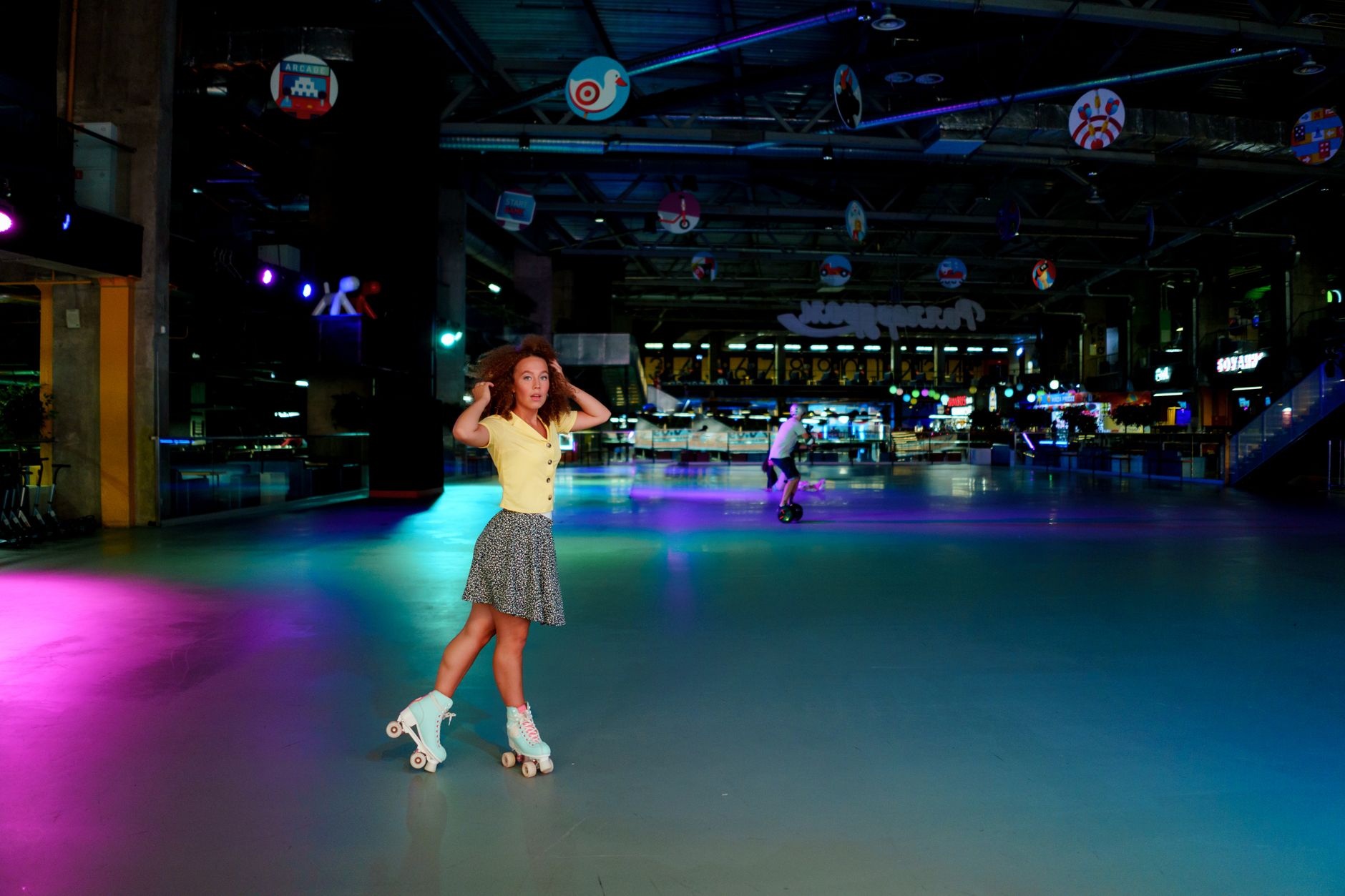
Yes, a roller skating rink can use cleaning robots after close, but the safest fit is usually around the rink, not across the coated skating floor itself. The best robot zones are carpeted arcades, party rooms, admissions, restrooms, skate-rental hard floors, and the open lanes in front of concessions. The coated rink deck usually stays on a manual program built around dust removal, spot wiping, and finish-safe chemistry.
That split matters because the skating surface behaves like a specialty coated wood floor, while the rest of the building behaves like a mixed-use entertainment venue with carpet, sticky spills, tracked-in grit, and food residue. The foodservice side also carries sanitation rules under FDA's 2022 Food Code, so concession cleanup should be treated as a regulated food area, not just another open floor.
So the real answer is not that one robot takes the whole building. It is that a good after-hours program divides the floor by risk. Put automation on repetitive, open, forgiving surfaces. Keep the rink deck on a tighter manual standard so you do not trade labor savings for finish damage.
Why is the skating floor its own category?
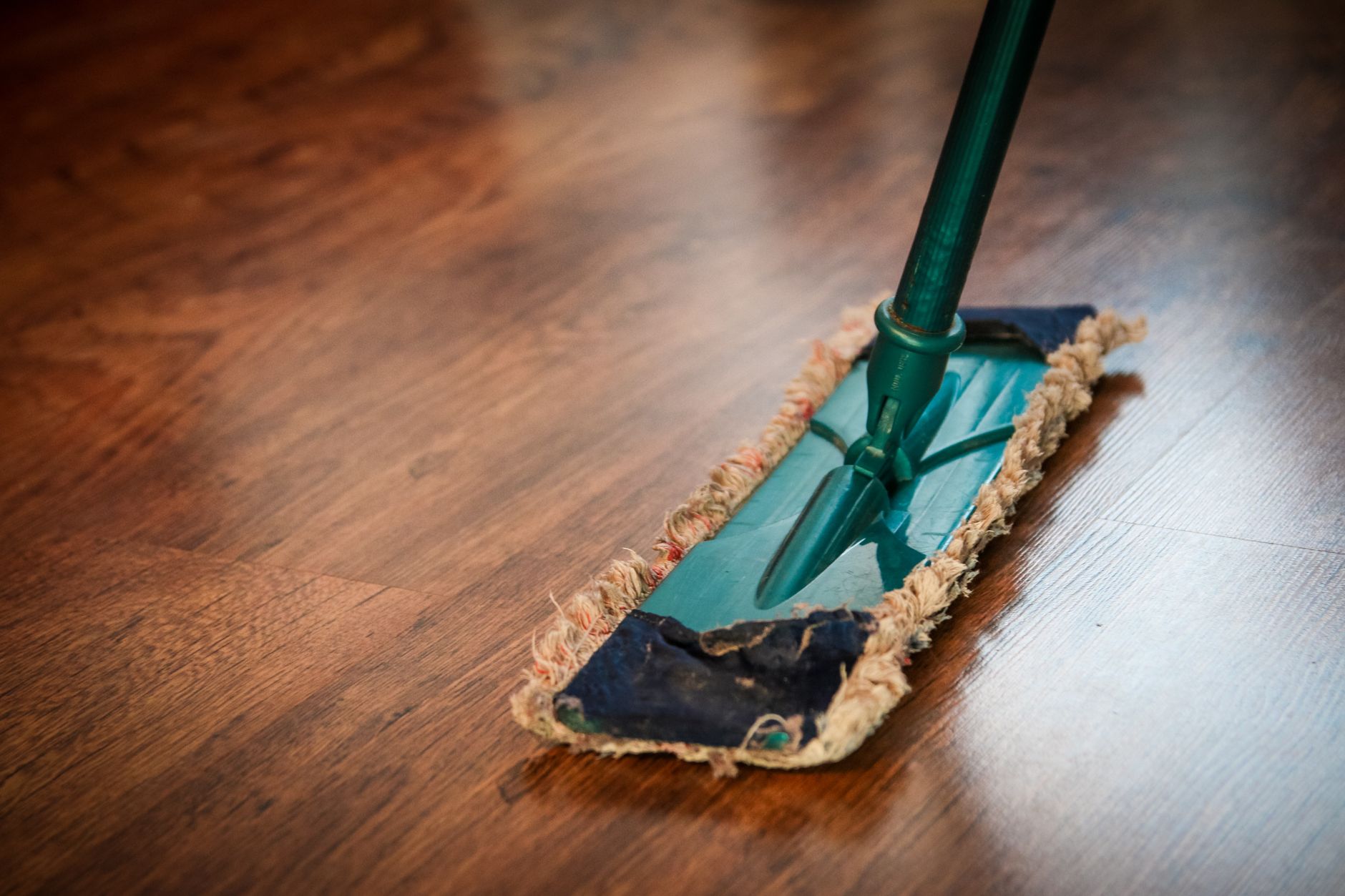
The Maple Flooring Manufacturers Association says maple is the preferred surface for roller rinks and notes that the finish application for a roller rink differs from a standard gym floor. That alone should stop facility teams from treating the rink deck like sealed concrete or ordinary tile. It is a performance surface first, and a cleaning route second.
MFMA's maple-floor guidance is unusually plain. Sweep daily, and up to three times per day under heavy use. Maintain indoor relative humidity between 35 and 50 percent, and keep the environment in the 55 to 75 F range. Never clean the floor with scrubbing machinery or power scrubbers that use water.
MFMA also warns that portable equipment with crowned wheels or center ridges can create very significant point loads. That warning is highly relevant to robots. Before autonomy, before mapping, before payback math, you need to know exactly what wheel material, tread shape, weight distribution, and cleaning method will touch the coated surface, if anything at all.
Zone the building before you pick equipment
The cleanest deployments start with a substrate map, not a machine brochure. In a specialty entertainment venue, one building can contain a coated rink deck, dry carpet, foodservice flooring, entry mats, restroom tile, and tight obstacle fields around games and seating. Those zones deserve different methods, and sometimes different expectations.
- Coated rink surface: Manual treated dust mopping, approved spot cleaning, and only the finish manufacturer's chemistry. Keep water-based scrubbers and routine robot traffic off this zone.
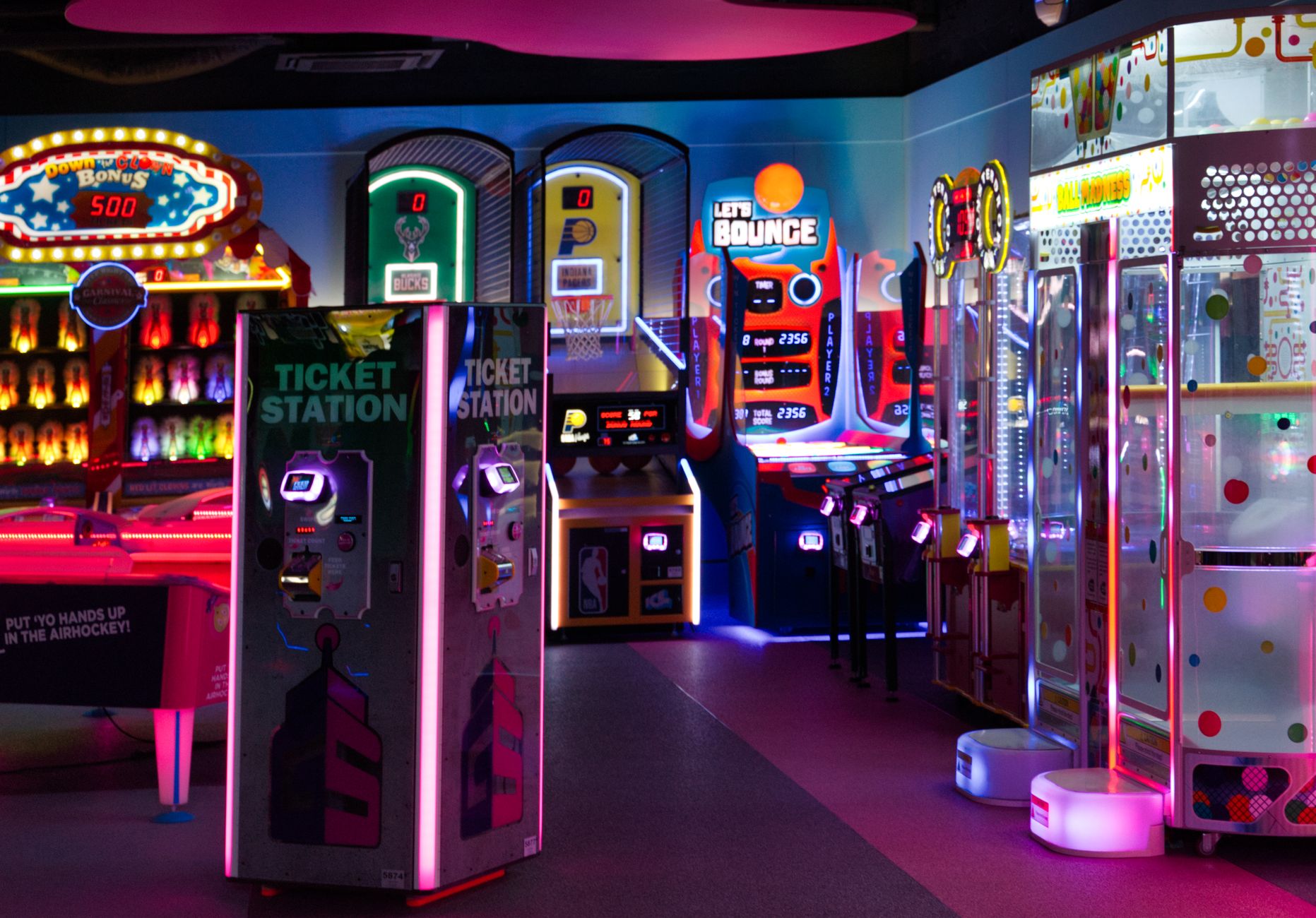
- Carpeted arcade aisles: Strong fit for autonomous vacuum robot leasing or a commercial carpet cleaning robot after stools, prize bins, and loose cables are cleared.
- Party rooms: Good fit for after-close vacuuming and appearance passes. Periodic extraction still matters because the Carpet and Rug Institute recommends professional deep cleaning every 12 to 18 months.
- Concession frontage and queue lanes: Good fit for an autonomous floor scrubber lease once trash pickup, gum removal, and any greasy splash cleanup are done by hand.
- Back-of-house food prep and warewashing: Manual first. FDA's Food Code keeps carpeting out of food prep, walk-ins, warewashing areas, and other moisture-exposed sanitation zones.
Where do robots earn their keep?
Carpet is where robots often earn the easiest hours in a rink. According to the Carpet and Rug Institute, high-traffic carpet should be vacuumed daily, medium-traffic carpet twice weekly, and light-traffic carpet weekly. Arcade aisles, party rooms, redemption surroundings, and lounge pockets tend to land in the daily or twice-weekly bucket, which makes repetitive overnight vacuuming a natural job for automation.
Robots also fit on hard floors that are not the rink deck. Admissions, skate counters, restrooms, perimeter corridors, and the open face of the snack bar often have the width and predictability a compact autonomous scrubber needs. This is where commercial cleaning robot leasing, overnight floor care, and a large venue cleaning robot program make practical sense. The route is open, the soil load is repetitive, and the result is visible by morning.
The rule of thumb is simple. Let the machine own the miles. Let the crew own the judgment. A robot is good at covering the same carpet lanes and open hard-floor stretches every night. It is not good at deciding how to lift gum from carpet, how to remove syrup from grout, or how much moisture a specialty rink finish can safely tolerate.
Which zones still need hands-on cleaning?
Some work stays manual even in a well-run robot program, and that is not failure. It is floor care discipline.
This is also why operators should separate overnight cleaning no operator from zero manual work. The first can be real in selected zones. The second is fantasy in a rink that sells snacks, hosts parties, and invites wheels, sugar, and street grit into the same building.
- The coated skating floor itself, unless your floor contractor and finish manufacturer approve a dry-only robotic method in writing.
- Gum, tape, glitter, confetti, and syrup hits, because spot chemistry and dwell time matter more than route coverage.
- Fryer lines, soda stations, and under-counter concessions, where grease and splash risk call for manual degreasing.
- Tight arcade clusters, game bases, cords, bench legs, and chair forests that interrupt safe robot access.
- Baseboards, corners, bleacher edges, stair nosings, and the perimeter detail a camera map will never make pristine.
- Entry mats, which MFMA says should be removed and cleaned daily so debris and moisture do not stay trapped above the maple.
How do you protect the floor if robots run nearby?
Protecting the rink floor starts with physical separation. Put the charging dock off the wood. Keep refill water, pads, batteries, and dirty recovery tanks off the rink deck. Use hard no-go boundaries in the map so the robot never treats the apron as a shortcut between carpet, lobby tile, and concession frontage.
Timing matters too. MFMA says floor protection should not go down until the finish manufacturer's full cure time is met, and that cure time varies with conditions. A robot route should respect the same rule after a recoat or touch-up. If the floor is in a cure window, the safest plan is simple: no robot wheels, no pads, no tanks, and no experimentation on or near the deck.
A few operating controls prevent most expensive mistakes:
- Approve wheel type and tread profile before go-live. MFMA's warning about crowned wheels and center ridges applies to anything rolling near the deck.
- Route robots only after walk-off mats are removed, cleaned, and the floor underneath is checked.
- Separate chemicals by zone. The approved product for the rink deck should not share a tank, pad, or workflow with concession cleanup.
- Revalidate routes after every layout change, seasonal party setup, or arcade shuffle.
- Keep a written handoff between the robot route and the manual crew so nobody assumes the other side handled the rink edge.
How Service Robot Co. fits a rink program
This is exactly where Service Robot Co. fits. A roller rink is not a one-surface building, so it should not be treated like a one-machine sale. We act as a full-service, vendor neutral robot integrator for US businesses, staying OEM-neutral while matching the robot that fits your floor to the zone map, then handling finance, deployment, integration, training, and service through a nationwide engineer network. One partner, one number for the whole lifecycle.
Some operators want commercial cleaning robot leasing, service robot leasing, robot leasing monthly, or a leasing program with RoboCare™ service and no upfront capital. Others prefer purchase or lease, a floor scrubber monthly lease, or a longer robot leasing for business plan once the routes are proven. The useful question is not which financing phrase sounds best. It is which mix of carpet automation, hard-floor automation, and manual rink-floor care protects the building and pencils out.
What does a sensible rollout look like?
A sensible rollout starts with a night walk, not a catalog. Map every substrate. Mark moisture-exposed food zones. Measure the open carpet lanes in arcades and party rooms. Identify where chairs stack, where cords stay live, and where staff still need a mop, scraper, or microfiber pass no matter how good the robot is.
Then pilot small. Run the robot only in the carpet and non-rink hard-floor zones first. Track finish condition on the deck, wheel wear, missed edges, and how much manual time remains in concessions. The pilot succeeds when the building closes cleaner, the crew spends fewer hours on repetitive mileage, and the rink floor stays untouched by the wrong machine and the wrong moisture.
- Create a floor map by substrate, finish, and moisture exposure.
- Get written rink-deck cleaning guidance from the floor contractor or finish manufacturer.
- Pilot one after-close route in arcade and party-room lanes before adding more zones.
- Write a manual task sheet for gum, concessions, corners, and rink-edge detail.
- Scale only after you verify coverage, crew handoffs, and zero harm to the skating floor.