
Key takeaways
- Cobots pay off in sign shops when they take repeat motions off skilled fabricators, not when they are asked to replace fabrication judgment.
- Routing support, adhesive dispensing, sanding on predictable geometries, and short-hop material handling are the strongest first cells.
- Census data show sign manufacturing is still a small-shop industry, with about 86 percent of employer establishments under 20 employees in 2023.
- A bounded pilot with stable fixtures, clear quality rules, and service coverage beats a big all-at-once automation bet.
Where do cobots actually pay off in a sign shop?
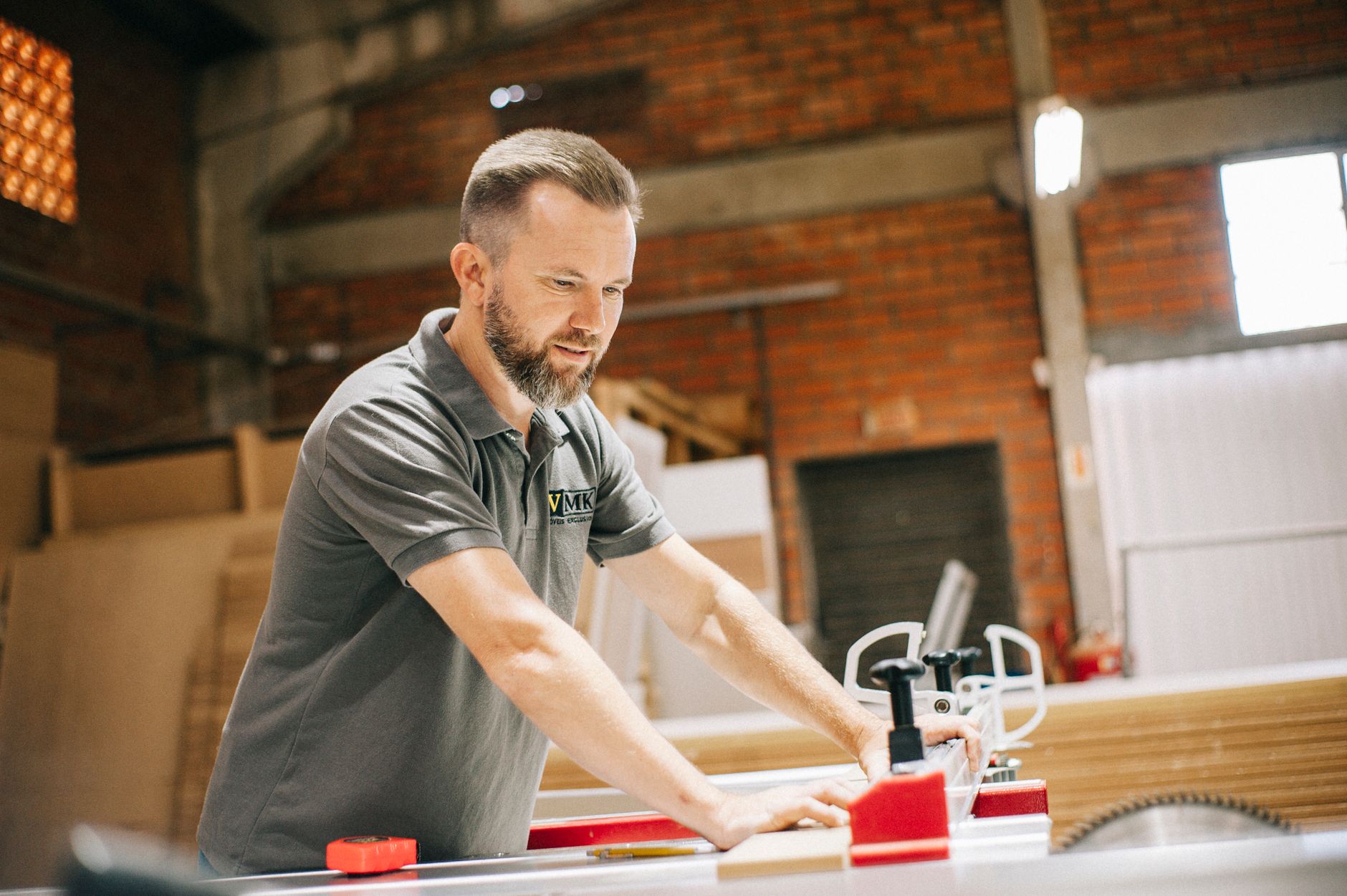
Cobots pay off in commercial sign fabrication when they handle repeatable sub-tasks around the craft, not the craft itself. The strongest jobs are routing support, repeat adhesive dispensing, sanding on stable geometries, and repetitive material handling between workstations. They usually do not pay off as a replacement for the fabricator who is reading the print, correcting fit, judging finish quality, and dealing with one-off surprises.
According to the U.S. Census Bureau, sign manufacturing counted 5,895 employer establishments in 2023, and 5,041 of them had fewer than 20 employees. That is about 86 percent of the industry. The same bureau put 2023 sign-manufacturing revenue at $15.83 billion. That mix points to a large market built mostly from small operations, where one well-chosen cell can matter far more than a sweeping automation program.
The practical rule is simple. Put the robot on the motion, the bead, the pass, or the lift that repeats all week. Keep skilled people on setup, exceptions, visual judgment, and the last details that still decide whether a sign looks premium when it leaves the shop.
Why are commercial sign fabricators a strong small-shop case?
Sign shops are high-mix, but they are rarely random. Channel letters, cabinet faces, routed plaques, branded wall features, and repeat retail programs still contain recurring micro-operations: common adhesive paths, repeat sanding passes, standard handoffs, and the same walk between router, bench, rack, paint prep, and pack-out. A custom order can still carry very standard labor inside it.
The labor case is concrete. U.S. Bureau of Labor Statistics data show manufacturing recorded 332,600 nonfatal injury and illness cases in 2024, at a rate of 2.7 cases per 100 full-time workers. In the 2023-2024 period, BLS says overexertion, repetitive motion, and bodily conditions accounted for 946,290 DART cases across private industry, with 860,050 more from contact incidents. Those figures argue for automating the physical grind around skilled work, not the skilled work itself.
What routing work is ready for a cobot, and what stays manual?
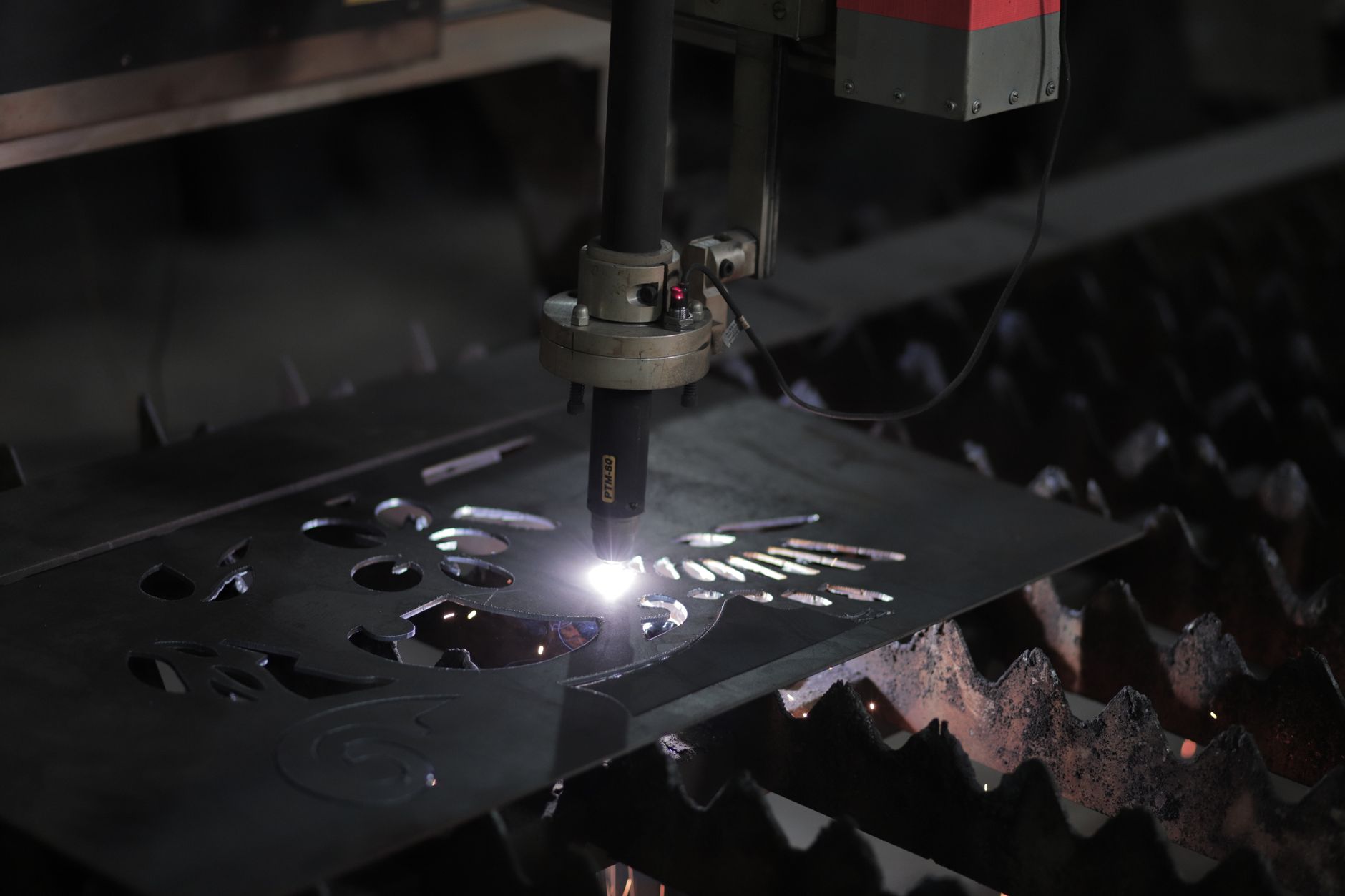
Routing is a good cobot target when the arm supports the router instead of trying to replace the router operator. The first wins usually look like machine tending robot work: load repeat blanks or pre-cut sheets, unload finished parts, sort by job, and place output onto the next rack or cart. Those are predictable motions that quietly consume skilled labor hour after hour.
The cell stops making sense when every setup is a fresh improvisation. Warped stock, inconsistent hold-down, tiny tabs that need gentle hand breakaway, one-off sheet sizes, and frequent toolpath edits all pull the application back toward manual control. A cobot can help the router department a lot. It usually should not be asked to replace the person who understands material behavior and the job jacket.
- Good first routing-support jobs: repeat blank loading, finished-part unloading, kit sorting by work order, and rack-ready stacking for the next department.
- Keep manual: one-off fixturing, delicate part release, toolpath decisions, and last-minute customer change handling.
- Best fit: parts with stable pickup points, consistent blank size, and a predictable destination after cutting.
Where adhesive dispensing earns its keep
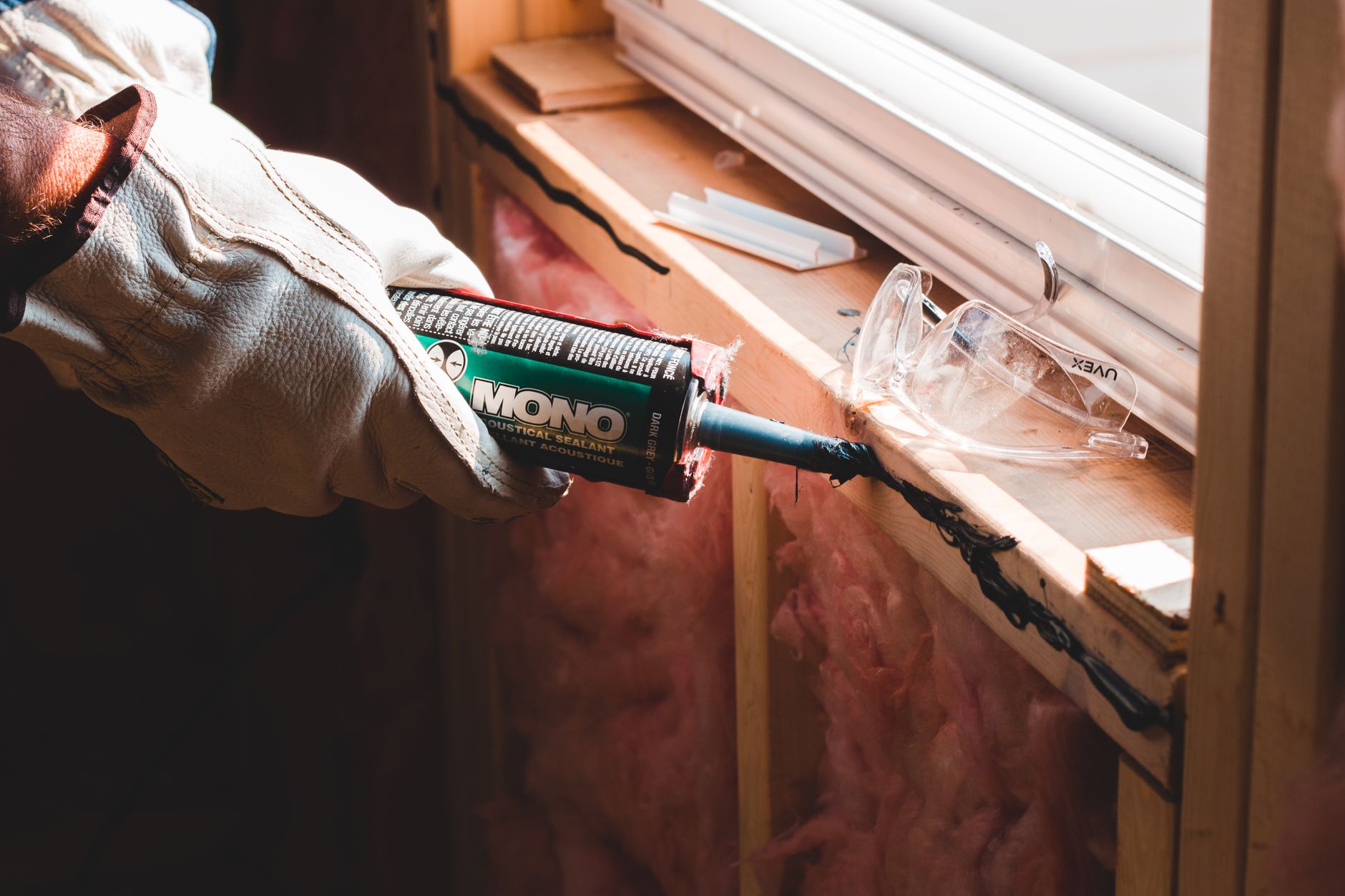
Adhesive dispensing is one of the cleanest cobot jobs in a sign shop because the main value is repeatability. Recurring cabinet builds, letter backs, trim assemblies, standoff mounts, and multi-location brand programs often need the same bead width, the same path, and the same start-stop behavior every cycle. A cobot can hold that pattern without the fatigue drift that shows up late in a shift.
OSHA notes in its woodworking finishing guidance that many adhesives and coating agents can expose workers through inhalation and skin contact. That does not make adhesive work a hands-off chemistry problem. It does support controlled application, good ventilation, disciplined reload routines, and simple checks on bead placement and squeeze-out. Manual dispensing still wins when surfaces vary constantly or the operator is making continuous cosmetic judgments.
How far can sanding automation really go?
Sanding is viable on flat faces, repeat edges, simple radii, and recurring filler-prep steps. It is much less convincing on ornate dimensional letters, hand-shaped foam, mixed-media assemblies, or pre-finish surfaces where one extra pass can show through paint or vinyl. The job has to be defined tightly, or the robot just repeats the same defect faster.
OSHA warns that cutting, grinding, machining, polishing, and sanding can expose workers to nuisance dust. In sign fabrication, that turns sanding into more than a cycle-time issue. A useful cell needs force control, dust extraction, consumable tracking, and a plain definition of what finished means.
- Good candidates: flat panel prep before paint, repeat edge break on routed plastics, recurring filler-sand steps on standard letter families, and deburr or scuff work on identical batches.
- Keep manual: complex curves, tiny one-off runs, distressed finishes, and final show-surface prep before paint or wrap.
- Cell requirement: dust capture and housekeeping have to be designed in from the start.
What about repetitive material handling between benches?
Repetitive material handling is often the quiet money job in a sign shop. Labor disappears into short carries and awkward transfers between routing, bonding, sanding, curing, paint prep, inspection, and pack-out. The part that gets touched six times before it is boxed can cost more than the machining step everyone watches.
OSHA lists lifting heavy objects, pushing or pulling heavy loads, repetitive tasks, and awkward postures as core ergonomics risk factors. That maps directly onto sign fabrication bays full of sheet goods, frames, crates, and carts. If rack height, cart location, and part orientation are standardized first, a cobot handling cell can remove a surprising amount of daily strain.

What makes a cell viable before you buy anything?
The best first cell is usually the least dramatic one. It has repeat geometry, stable fixturing, simple pass-fail rules, and a floor team that can explain exceptions clearly. If the task can only be described with a lot of it depends, it is not ready. Cobots reward discipline. Custom fabrication still rewards improvisation and taste.
- The same motion shows up at least dozens of times a week.
- Parts can be located repeatably with stops, nests, fixtures, or a simple datum strategy.
- Quality can be checked with a clear visual standard or a simple measurement, not only expert intuition.
- Exceptions are rare enough that an operator can step in without stalling the department.
- Dust, fumes, cure time, housekeeping, and downstream handoff have all been accounted for before the cell is quoted.
How should a small shop structure the first deployment?
Small shops usually do best with a bounded pilot. Pick one cell, one material family, one shift, and one metric that matters, such as router uptime recovered, sanding hours removed, bead consistency improved, or fewer manual transfers between departments. This is the practical lane for a collaborative robot arm lease, cobot leasing for manufacturing, or a purchase or lease structure.
That operating model is where Service Robot Co. fits naturally. According to its deployment page, the company starts by assessing the job, proving it on site, then deploying, integrating, training, and supporting the system for its working life. According to its service page, it supports all 50 U.S. states and offers 24/7 emergency response.
For a small fabricator, that one-vendor model matters. Service Robot Co. is OEM neutral, so the conversation can stay anchored to substrate mix, adhesive chemistry, dust load, floor space, fixturing, financing, and training burden. That is where monthly payment programs, robot financing for small business, a vendor neutral robot integrator, and a free site assessment become useful instead of decorative.