
Key takeaways
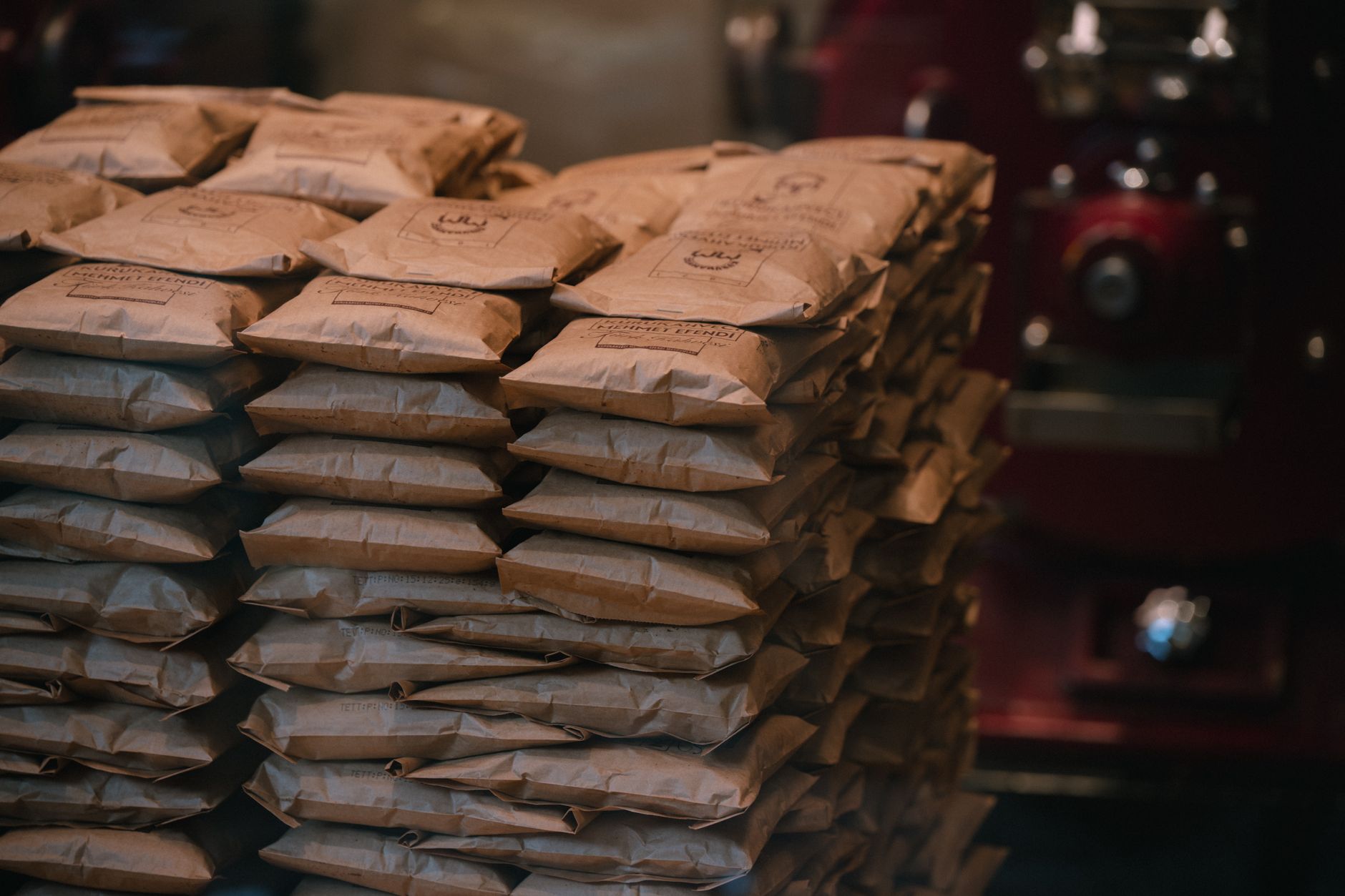
- A cobot can palletize flexible bags reliably when the infeed controls each bag’s position, profile, and trapped air.
- Gripper trials must use real production bags because coating, seams, dust, fill level, and product flow all affect the grasp.
- Rated payload must cover the bag, gripper, brackets, hoses, and dynamic forces throughout the full motion path.
- Stable pallet patterns come from controlled overlap, modest placement pressure, sound pallets, and testing through transport.
- Seasonal plants should size the cell around sustained peak output and preserve recipes for every SKU and pallet format.
Can cobots reliably stack flexible agricultural bags?
Yes. Cobots can palletize seed and animal feed bags consistently, but success depends less on the arm than on controlling the bag before the pick. A well-integrated cell squares each bag, manages trapped air, confirms its position, grips without tearing the package, and places it with enough control to build a stable load.
Flexible bags are not rigid cartons. Seed, pellets, meal, and textured feed migrate inside the package as it accelerates. Corners droop, the center of mass shifts, and a bag that looked flat at the conveyor can become pear-shaped in motion. The cell must be engineered around that behavior rather than programmed from nominal bag dimensions alone.
The practical starting point is a production trial using the actual bag materials, products, closures, pallet types, and peak line rate. For many agricultural packers, cobot palletizing is attractive because it removes repetitive lifting while retaining recipe flexibility for seasonal SKUs and shorter production runs.
Why are seed and feed bags harder to handle than boxes?
A box offers planar faces, predictable edges, and a center of mass that usually stays put. A flexible bag changes geometry every time its contents settle. Pelleted feed may roll inside the package, meal can compact unevenly, and slick woven material can slide against the layer below it.
Fill consistency matters. Underfilled bags sag and present less usable surface to a vacuum tool. Overfilled bags become crowned and resist flat stacking. Loose closures, folded valve ends, protruding tags, and dusty seams create further variation. Those are process inputs, not minor packaging defects.
The ergonomic case is concrete. NIOSH agricultural guidance says a feed bag typically weighs 50 pounds and can weigh as much as 100 pounds. Separately, the Revised NIOSH Lifting Equation uses a 51-pound load constant only for an ideal, occasional lift with favorable geometry. Repeated lifts from conveyor height to low and high pallet layers are not ideal lifts.
How should bags reach the picking point?
Reliable bag presentation begins upstream of the robot. The discharge conveyor should deliver one bag at a time at a known orientation, with enough spacing for the gripper to settle and verify its grasp. Side guides can center the package, but they should not pinch it into a new shape just before pickup.
A flattening conveyor or controlled compression section can distribute product, push out excess air, and create a repeatable top surface. A metering belt then stops or tracks the bag within the robot’s pickup window. Sensors should detect skew, doubles, missing bags, and excessive height rather than allowing a poor presentation to become a dropped bag.
Useful acceptance checks include the following.
- Measure position and rotation at the pick point across multiple production lots.
- Test the fullest, emptiest, dustiest, and most weakly sealed bags that quality control will permit.
- Verify recovery behavior for a missed pick, double feed, torn bag, stopped conveyor, and full pallet.
- Confirm that operators can clear faults and replenish pallets without entering an unexpected motion zone.
Which gripper works best for flexible bags?
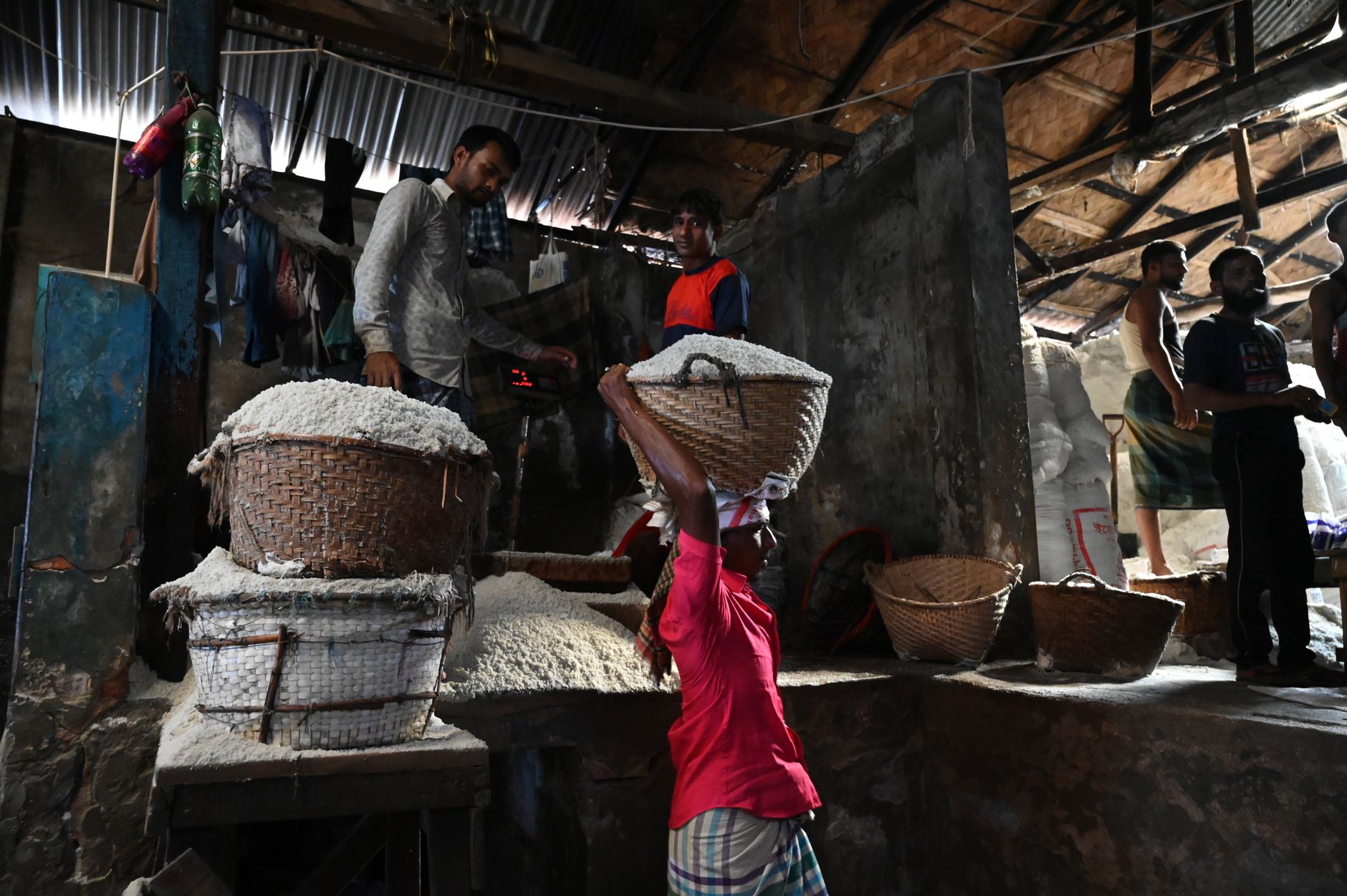
There is no universal winner. Vacuum tools are compact and can pick from the broad face, but porous paper, woven plastic, wrinkles, print coatings, and dust can reduce sealing performance. Multiple cups or vacuum zones provide better conformity and let the controller confirm that enough circuits have achieved vacuum before lifting.
Mechanical clamp tools grip the sides or ends without depending entirely on an airtight surface. They can suit porous sacks, but jaw pressure and geometry must avoid puncturing the package, damaging seed, or squeezing product toward the closure. Fork or scoop support beneath the bag carries more of the weight, although it needs clearance at the pickup conveyor.
Hybrid tooling often earns its added mass. Vacuum can stabilize the top while a tray, fingers, or side support carries the load. Recent peer-reviewed research on heavy-load palletizing reported that an adsorption and tray combination reduced the required adsorption area by 64 percent in its tested system. That result is not a universal specification, but it illustrates why supporting a flexible load mechanically can reduce dependence on suction alone.
The correct choice comes from trials. Record grasp success, package damage, vacuum margin, dropped-bag behavior, tool cleaning time, and performance after dust has accumulated. A clean demonstration bag is an easy test and a poor purchasing standard.
What does agricultural dust change?
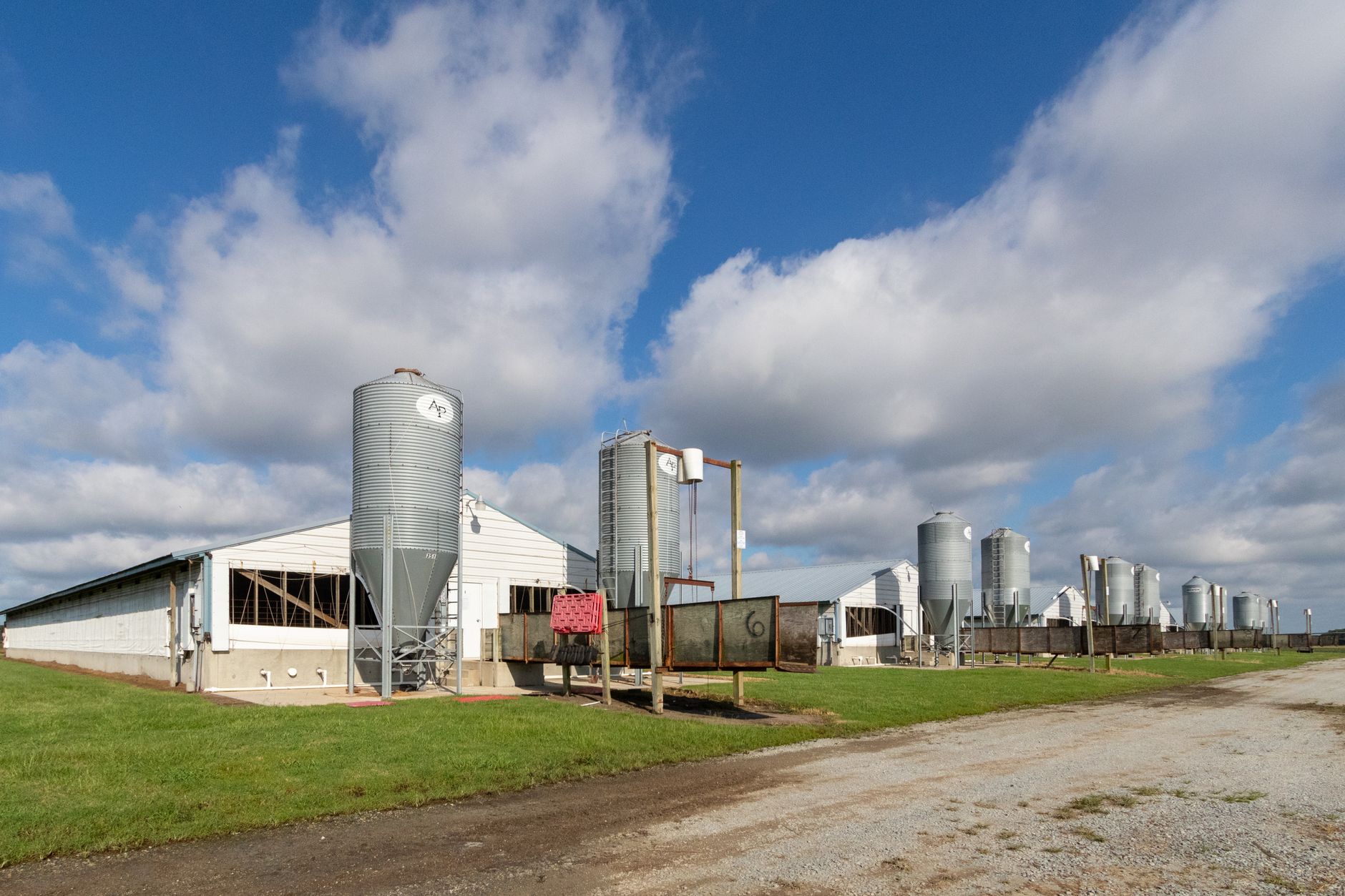
Dust can clog filters, coat optical sensors, abrade seals, and weaken vacuum contact. It can also signal a larger process hazard. Locate vacuum exhaust, electrical equipment, bearings, and maintenance access with the facility’s dust assessment in mind. Specify accessible filters and inspection points instead of burying them inside the tool or frame.
OSHA’s grain-handling rule applies to feed mills and requires a written housekeeping program that establishes the frequency and methods used to reduce fugitive grain-dust accumulations. It also requires relevant employee training at least annually. OSHA’s interpretive material notes that seed plants preparing seed for future planting are outside that particular rule, so a seed operation should determine which other workplace, electrical, fire, and combustible-dust requirements govern its site.
Do not treat the frequently quoted one-eighth-inch action level as a universal feed-mill rule. OSHA has specifically explained that this numeric threshold applies to priority areas in grain elevators, not feed mills. Feed plants still need their required housekeeping program and a hazard-based dust-control plan.
Daily robot care should fit that plan. Inspect cups, seals, filters, sensors, cable routing, and the area beneath the pick. Use cleaning methods approved for the classified hazards and product environment. Compressed-air blowdown can suspend settled dust and may introduce ignition concerns.
How do pallet patterns keep soft bags stable?
A bag pattern must restrain product that can migrate after placement. Interlocking or cross-tied layers usually resist shear better than columns, while controlled overlap helps bind neighboring bags. The best arrangement depends on bag proportions, friction, closure location, pallet footprint, compression limits, and downstream handling.
The Pallet Foundation’s peer-reviewed U.S. market survey found that 48 by 40 inches was the most common standardized size among new pallets, representing 35 percent of the surveyed total. Common does not mean guaranteed. Agricultural operations also use custom footprints, so every programmed recipe needs the real pallet dimensions, allowable overhang, target height, and layer count.
Placement is more than an X, Y, and Z coordinate. A gentle press can settle a bag and expel remaining air, but too much force shifts contents or stresses the seam. Alternate closure direction when trials show that valve ends or sewn tops create a high side. Slip sheets may improve containment or create unwanted sliding, depending on surface friction.
Validate the completed unit load after wrapping, forklift pickup, acceleration, braking, staging, and shipment. A pallet that looks square beside the cell can still lean after vibration compacts its lower layers.
How do payload and reach limit the cell?
Start with total moving mass. Add the heaviest permitted bag, gripper, adapter plate, valves, sensors, brackets, hoses, and any product that can adhere to the tool. Keep engineering margin for bag-weight tolerance and dynamic loading. The arm’s advertised payload cannot be assigned entirely to the product.
Reach is equally important. The robot must cover the pickup point, pallet corners, lowest layer, final stack height, and any pallet-change position while preserving acceptable joint posture. A nominal reach diagram does not prove that the arm can carry the full tool and bag through every pose at the desired acceleration.
Cycle time should include bag settling, grasp verification, travel, controlled placement, release, and recovery logic. Compare sustained production over a shift, not the fastest isolated cycle. If the packaging line outruns one arm at peak output, options include buffering bags, reducing travel, adding pallet positions, using two cells, or selecting a higher-performance architecture.
A cobot label does not make the full application inherently safe. The moving bag, gripper, pallet, conveyor, and falling-load risk all belong in the assessment. OSHA’s technical manual says robot integrators must conduct a hazard analysis and risk assessment for each application. Safeguarding may include scanners, monitored zones, fencing, interlocks, or reduced-speed operating states.
How should a seasonal plant size the project?
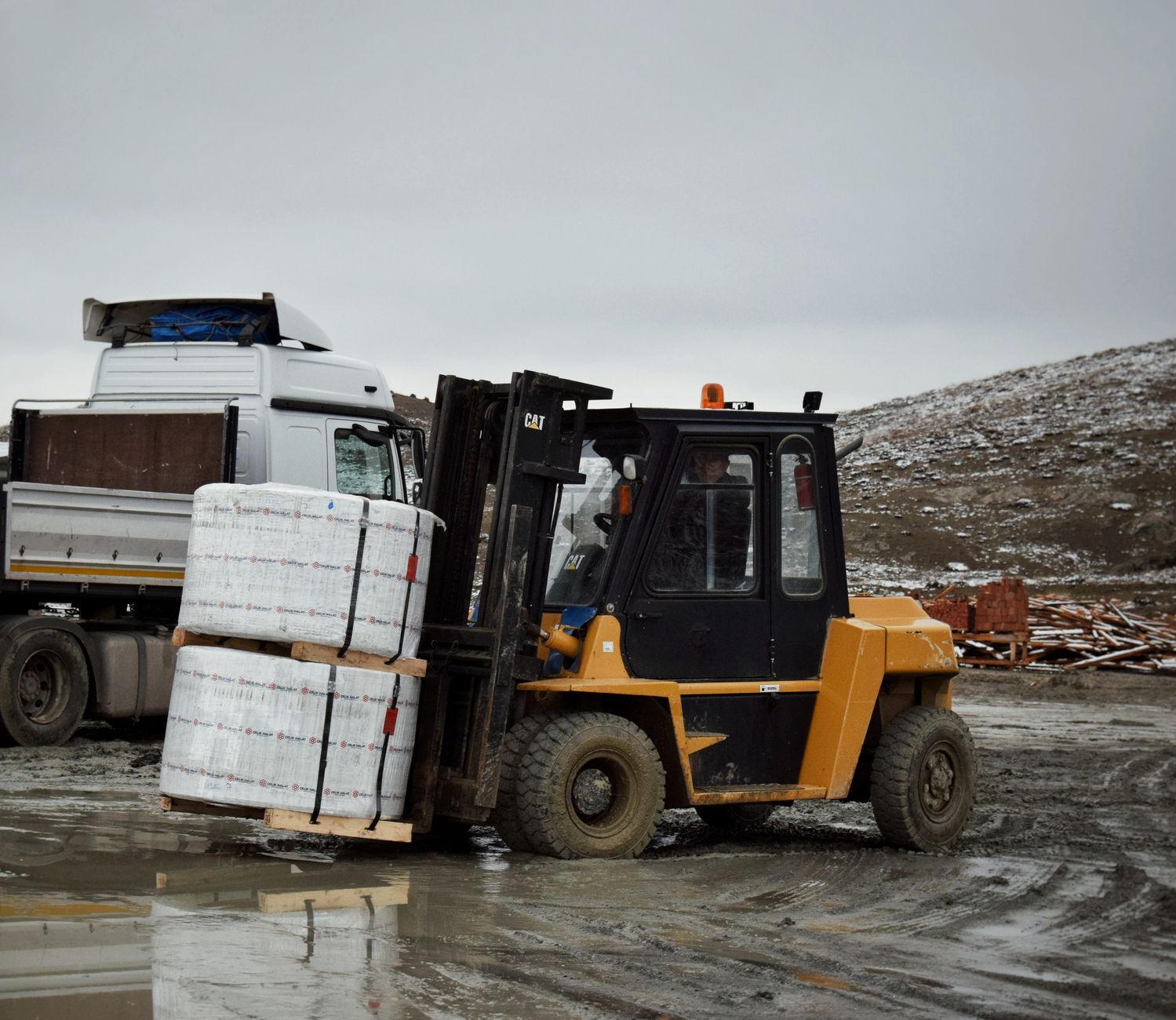
Seed and feed operations often face concentrated campaigns, frequent package changes, and long quieter periods. Size the cell against sustained peak demand, planned breaks, pallet exchanges, and realistic fault recovery. An impressive average from the off-season can conceal a bottleneck during the weeks when shipping performance matters most.
Recipe management should cover bag size, weight range, product behavior, gripper settings, pick position, layer pattern, pallet height, and label orientation. Lock validated recipes against casual edits and define a controlled process for new SKUs. Before peak season, run stored recipes with current bags because packaging films, paper stock, coatings, and formulations can change between campaigns.
Commercial arrangements can reflect that variability. A cobot lease, collaborative robot arm leasing, purchase or lease, or monthly payment program may preserve capital for inventory and seasonal labor. The comparison still needs the full cell scope, including conveyors, tooling, guarding, installation, training, preventive maintenance, and peak-season support. A palletizing robot lease is useful only when the entire production system is ready to run.
What should an integrator prove before go-live?
A factory demonstration should become a site-specific acceptance test. Run representative SKUs long enough to expose dust buildup, bag drift, thermal effects, pallet variation, and operator interventions. Define measurable thresholds for sustained rate, successful picks, acceptable bag damage, pallet geometry, changeover time, and recovery from common faults.
Service Robot Co. acts as an OEM-neutral, full-service commercial robot integrator for U.S. businesses. The team evaluates equipment across manufacturers, then finances, deploys, integrates, trains, and services each unit through a nationwide U.S. engineer network. That one-vendor lifecycle is particularly useful when the arm, gripper, conveyor, safety equipment, and support plan come from different sources.
The strongest project specification describes the bag and process envelope rather than prescribing a favorite machine. Include real samples, peak throughput, available floor space, pallet formats, dust conditions, electrical and air service, sanitation rules, shift schedule, and response expectations. A commercial robot demo or robot pilot program can then test the hard variables before a larger cobot lease for manufacturing commitment.
Frequently asked questions
Sources
- OSHA Grain Handling Facilities Standard
- OSHA Grain Handling Appendix A
- OSHA Feed Mill Dust Interpretation
- OSHA Technical Manual on Robot Safety
- NIOSH Revised Lifting Equation Manual
- NIOSH Agricultural Feed Handling Guidance
- Pallet Foundation U.S. Pallet Market Survey
- Heavy-Load Palletizing Gripper Research