Key takeaways
- Fixed conveyors excel at high-volume, repetitive transport over set paths, offering unmatched speed.
- AMR fleets provide superior flexibility and scalability, ideal for dynamic environments with changing layouts.
- Conveyors have high upfront installation costs and cause significant disruption, while AMRs can be deployed quickly with minimal downtime.
- While conveyor cost-per-unit-moved is lower at high volumes, the total cost of ownership for AMRs is often lower over time due to their adaptability.
- The choice depends on your operation's stability; conveyors suit predictable workflows, while AMRs are built for agility.
The Core Choice: Fixed Speed or Flexible Intelligence?
When moving parts from point A to point B in a factory, the choice between a fixed conveyor system and a fleet of Autonomous Mobile Robots (AMRs) comes down to a fundamental operational philosophy. Do you need the raw, unyielding throughput of a permanent system, or the intelligent, adaptable mobility of a robotic workforce? The answer defines your facility's ability to respond to change.
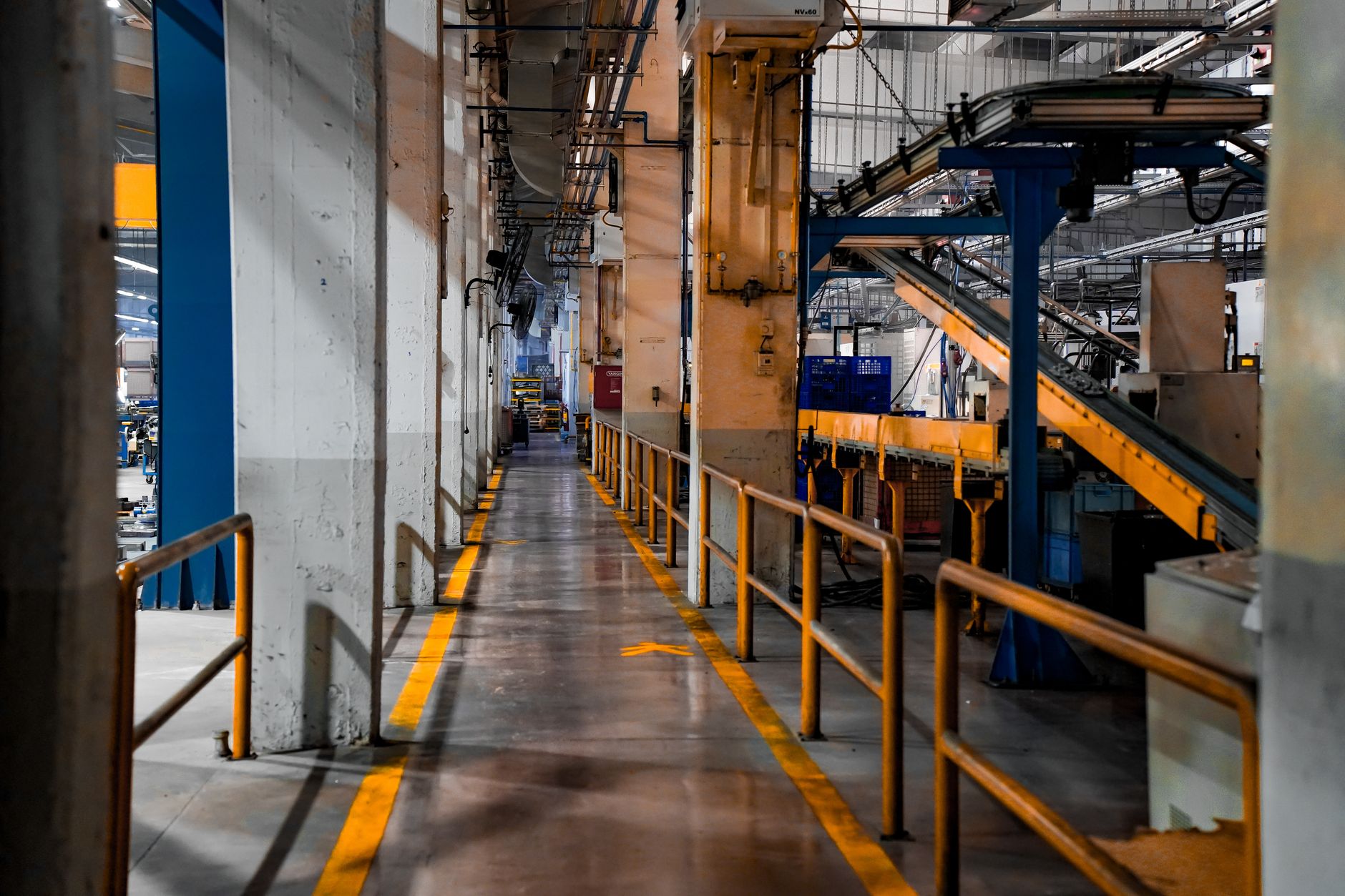
Conveyors are the undisputed champions of high-volume, repetitive material transport between two fixed points. Their speed and throughput are often orders of magnitude faster than mobile robots. If your production line is stable and your process flow is not expected to change for years, a conveyor offers a highly efficient, albeit rigid, method of movement.
Conversely, AMRs thrive in dynamic environments where processes evolve. They navigate using sensors and onboard maps, requiring no fixed infrastructure like bolted-down tracks or magnetic tape on the floor. This makes them ideal for workflows that change, whether seasonally or due to new product introductions. An AMR fleet offers a resilient, flexible solution for an uncertain and dynamic world.
How Does Flexibility Change the Equation?
Flexibility is the primary advantage of an AMR fleet. An AMR's path is defined in software, not in steel and concrete. If you need to add a new workstation, change a drop-off point, or completely reconfigure a production cell, the change for an AMR involves a simple software update to its map.
This adaptability is crucial in modern manufacturing, where product lines and processes can change rapidly. For example, in electronics or e-commerce fulfillment, where workflows are constantly refined, the ability to remap material flow in hours instead of weeks is a significant competitive advantage.
Conveyor systems are, by their nature, inflexible. Any significant change to the material path requires physically altering heavy machinery, a process that is slow, expensive, and highly disruptive to operations. Reconfiguring a conveyor can cost 40-60% of the original installation price and lead to weeks of facility shutdown. This makes them best suited for processes that are guaranteed to remain static for five to ten years.
What Are the True Installation Costs and Disruptions?
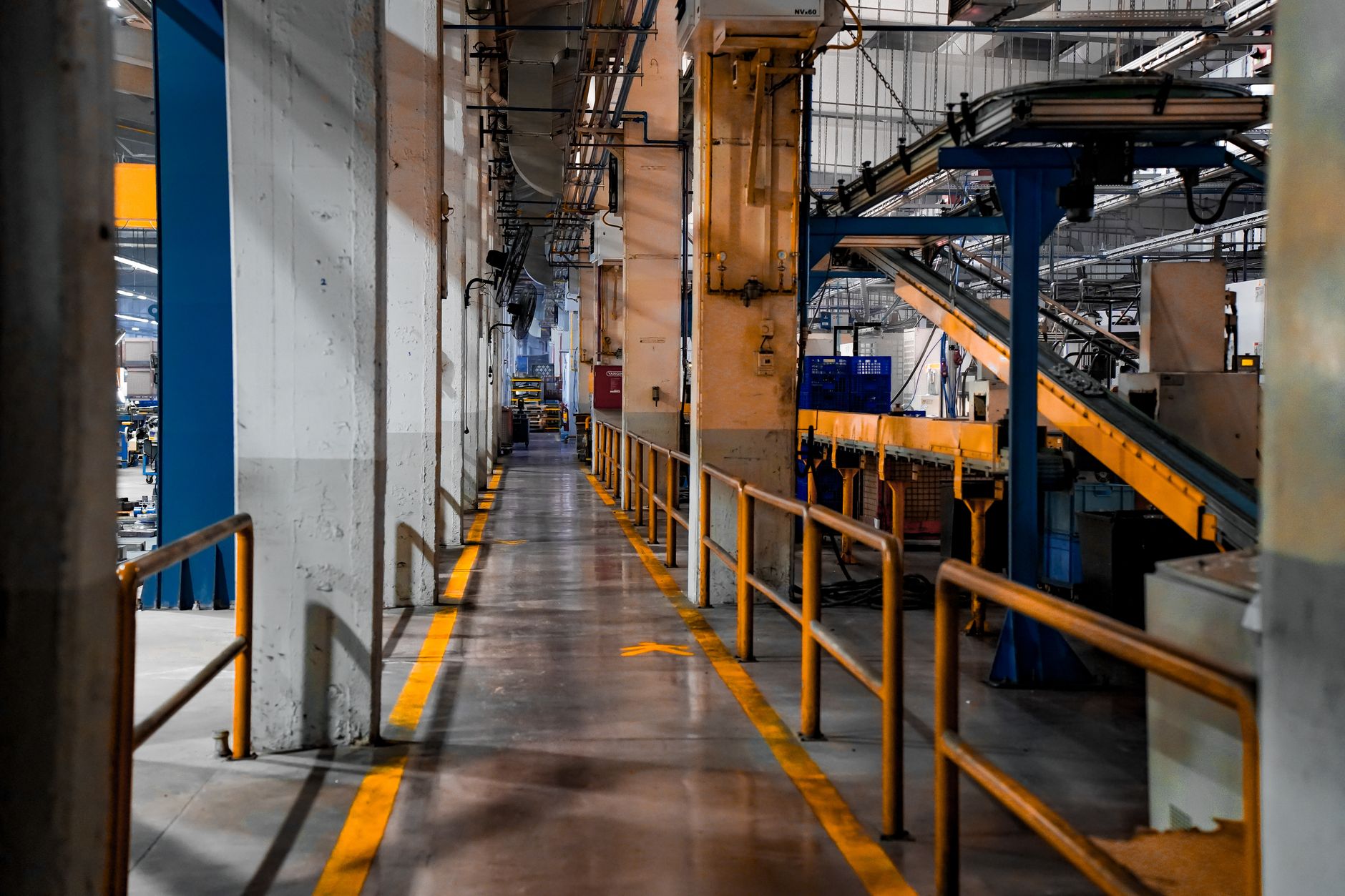
The upfront investment and installation process for these two systems are dramatically different. A conveyor system is a major capital project involving significant construction, electrical work, and facility downtime. Budgetary estimates often start around $1,500 per linear foot for a complete system, accounting for trusses, power sources, and hardware.
This installation process is inherently disruptive. Production must often be halted for weeks or even months to allow for the mechanical and electrical work. The system is bolted to the floor or hung from the ceiling, creating permanent physical barriers that can segment workflows and occupy a fixed footprint.
AMR deployment, by contrast, is typically rapid and non-invasive. Since AMRs require no fixed infrastructure, the process often involves unboxing the units, allowing them to map the facility using their built-in sensors, and configuring their missions in the fleet management software. A full deployment, from site audit to a live, orchestrated AMR fleet, can be completed in as little as six weeks with zero production downtime. Some providers even tout up to 80% lower deployment costs compared to fixed automation.
How Do the Systems Scale with Growth?
Scalability is another area where the two technologies diverge. Scaling an AMR fleet is linear and predictable. As your production needs grow, you can add new robots to the fleet incrementally. This 'add-as-you-grow' approach allows you to match capacity to demand precisely, which is especially useful for handling seasonal peaks.
Adding more robots is a simple process that doesn't require new infrastructure, making it a quick and cost-effective way to increase material handling capacity. This makes it possible to adopt automation in a phased approach, starting with a pilot program and expanding as the return on investment is proven.
Scaling a conveyor system is a high-cost, step-function change. To increase throughput, you typically need to build a parallel line or significantly extend the existing one. Both options are akin to a new installation in terms of cost and disruption, requiring a significant capital outlay for any capacity increase.
Comparing Return on Investment (ROI) and Total Cost of Ownership
While conveyors often have a lower cost-per-unit moved in very high-volume, multi-shift operations, the total cost of ownership can be higher over time due to inflexibility. Any process change necessitates costly reconfiguration. Furthermore, if a single section of a conveyor breaks, it can shut down the entire line.
AMRs often present a more attractive long-term financial picture. Though the initial hardware cost per unit can be significant, the lower installation cost, negligible reconfiguration expenses, and ability to scale incrementally contribute to a strong ROI. Payback periods for AMR projects are frequently between 12 and 24 months. A McKinsey report from 2023 noted that AMR projects consistently outperform fixed automation on flexibility and total cost of ownership metrics.
Factors that accelerate AMR ROI include multi-shift operations, high-volume repetitive movements, and facilities experiencing labor shortages. By handling the repetitive transport tasks, AMRs allow human workers to focus on higher-value activities, boosting overall productivity by 25 to 200 percent depending on the application.