Key takeaways
- Use cobots for repeatable handling and pressure tasks, while technicians retain authority over ply quality and rework.
- Backing film removal is automatable, but edge finding, peel behavior, and waste capture must be validated for each material.
- Contamination control applies to the gripper, roller, fixtures, cables, and every surface that can approach exposed prepreg.
- Reach, force, safety, and digital instructions should be tested together on representative parts before production approval.
Where should cobots fit in the layup process?
Cobots fit composite layup best as physical assistants. They can support and position flexible plies, present material at a controlled angle, peel backing film, hold tension, or roll a known path with repeatable force. Technicians should still verify orientation, resolve wrinkles and bridging, judge tack, and decide when material requires rework.
That division matters because prepreg and dry reinforcement are deformable, condition-sensitive materials. A path that works on a flat coupon may fail around a flange, tight radius, insert, or compound contour. The cobot supplies steady motion and endurance. The technician supplies material awareness and disposition authority.
This is not full autonomy disguised as collaboration. It is a controlled handoff between repeatable machine work and judgment-critical craft. For many high-mix composite shops, that narrower target is also the more credible starting point for cobot leasing for manufacturing or a permanent cell.
How should people and cobots divide the work?
Start by decomposing each layup into actions, decisions, and exceptions. NIST describes human and robot role allocation as a core capability of collaborative manufacturing systems, with assignments feeding the state logic that guides robot motion and task planning. That is a useful model for composite work because the process contains many legitimate pause points.
A 2026 study in the Journal of Manufacturing Systems validated human-robot draping on aerospace, automotive, and maritime use cases. For large components, the researchers reported a 50 percent reduction in process time and a 40 percent reduction in operator workload. They also cautioned that gains were context-dependent and that partial automation offered limited benefit on some small and medium components.
A practical task split gives the cobot bounded responsibilities while preserving technician control.
- Cobot work: carry or support a ply, maintain controlled tension, present an edge, peel carrier film, follow a rolling path, and log completed motion.
- Technician work: confirm ply identity and orientation, establish the first datum, assess tack and drape, inspect radii and transitions, and approve the layer.
- Shared work: conform a large ply progressively, pause around difficult geometry, and resume only after the technician confirms the next step.
- Exception work: stop for contamination, lost grasp, excessive force, ply distortion, foreign material, expired out-time, or an instruction mismatch.
Can a cobot position plies and remove backing film?
Yes, if the end effector handles the ply without stretching, marking, or locally distorting it. Large sheets may need distributed support, multiple grasp points, or coordinated handling so that unsupported material does not sag into the tool. The motion plan should control both the robot path and the changing shape of the ply.
Research published in Robotics and Computer-Integrated Manufacturing in 2020 demonstrated automatic grasp planning and robot placement for composite prepreg layup under human supervision. The work highlights why reach is more than a catalog radius: robot location, grasp choice, constrained paths, tooling, and neighboring arms jointly determine if the material can reach the mold without an infeasible posture.
Backing film deserves its own process study. A 2025 paper in the same journal demonstrated protective-film removal with two collaborative robots, including a method for initiating the peel. In production, the cell must also confirm that the correct film was removed, keep the peeled carrier away from exposed resin, and capture it without dragging waste across the tool.
What does force controlled rolling require?
A cobot can assist rolling when the path, contact angle, roller compliance, speed, and allowable force window are defined. Closed-loop force control can compensate for modest tool variation, but it cannot rescue an incorrect ply datum or an unmodeled geometric step. The technician should be able to pause, inspect, and redirect the operation.
Pressure is a process parameter, not a generic robot setting. One automated fiber-placement study tested roller pressures of 2, 3.5, and 5 bar. For that specific material and test configuration, 3.5 bar produced the best tensile and bending results among the three settings. Those values are not a recipe for hand layup, but they demonstrate that both too little and too much compaction can affect laminate performance.
Qualification should therefore use the actual resin system, reinforcement, backing, tool surface, temperature, ply sequence, and roller. Record force against path position and time, then correlate the trace with inspection results. A stable force graph is useful evidence only after the shop proves that its window produces acceptable laminates.
How do you keep the cobot from contaminating the layup?
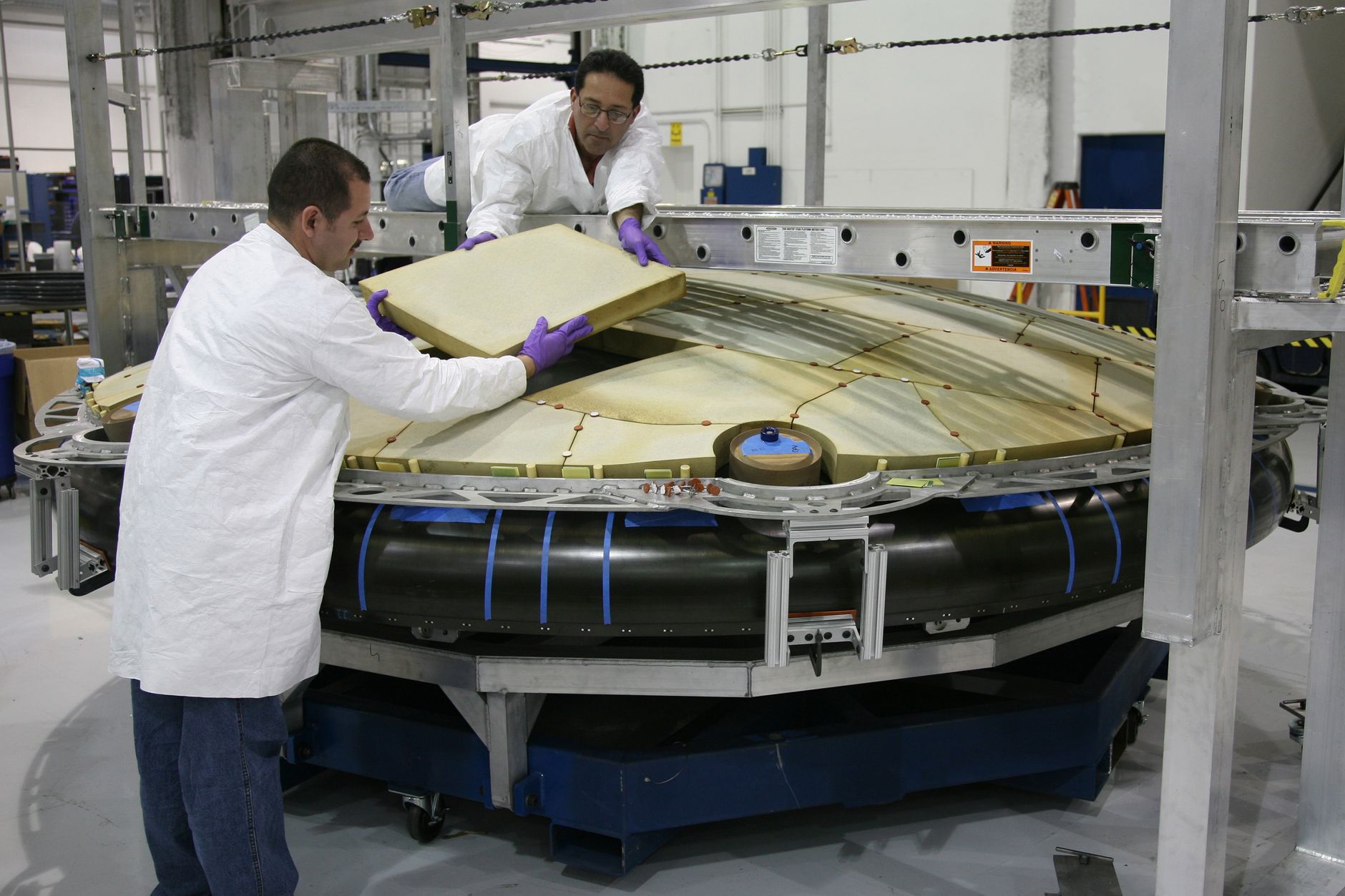
Treat every robot-side component near exposed material as part of the clean process. The FAA's active AC 43-214A says backing sheets protect prepreg from handling damage, requires appropriate gloves for adhesives and prepregs under the governing specification, and warns against contamination from fixtures or mechanical handling equipment.
The same guidance notes that thermoset prepregs and structural adhesives are typically stored at 0 degrees Fahrenheit, or minus 18 degrees Celsius, and that accumulated out-time must be tracked. A digital work instruction should block the next operation when material identity, thaw status, remaining out-time, or environmental conditions are missing.
Clean-cell design should address more than the gripper face.
- Use validated, non-shedding contact materials that are chemically compatible with the resin system and approved cleaning agents.
- Keep lubricated joints, exposed fasteners, cable debris, vacuum exhaust, and pneumatic discharge outside the material exposure zone.
- Give rollers and gripper pads controlled cleaning intervals, inspection criteria, and replacement limits rather than cleaning them only when visibly dirty.
- Separate clean tools from maintenance tools and prevent peeled backing film from crossing an exposed bond or prepreg surface.
- Log tool cleaning, material lot, operator approval, environmental readings, and out-time against the part record.
Reach must be proven on the real geometry
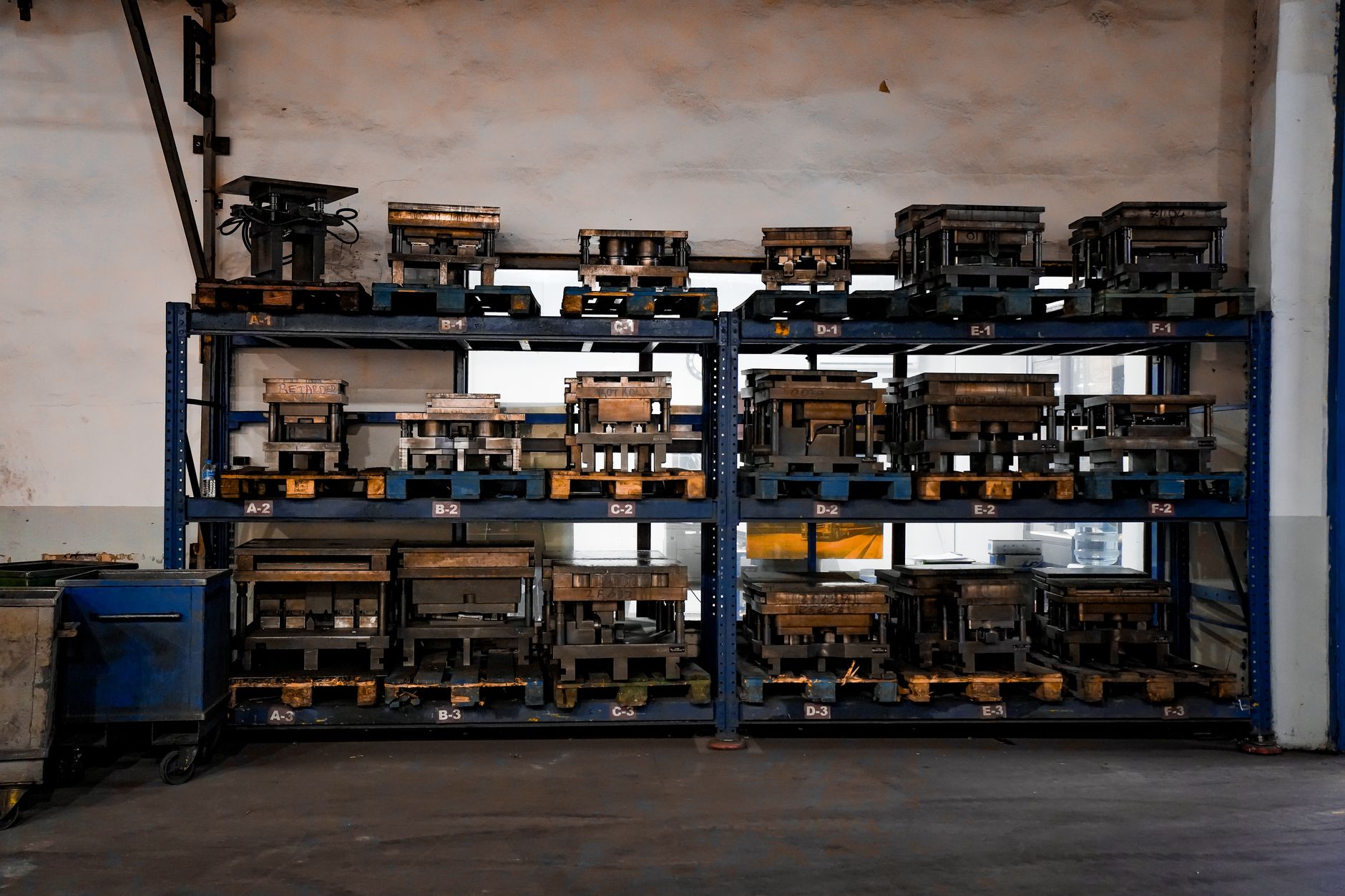
Nominal reach can be misleading. A robot may touch every point on an empty mold yet lose wrist freedom when the gripper, force sensor, roller, hoses, guarding, and supported ply are added. Tight radii and deep tools can also force singular postures or place the arm over uncured material.
Run an offline reach study, then verify it physically with representative tooling and sacrificial material. Check approach and retreat paths, tool-center-point orientation, joint margin, collision clearance, cable behavior, and the technician's standing positions. Include the full sequence because later plies may alter access and permitted contact.
If one fixed pedestal cannot cover the tool cleanly, options include a repositioned part, a linear axis, coordinated arms, or a mobile base with verified docking. More motion hardware also increases calibration and safety work. The best architecture is the least complicated one that completes every qualified path without awkward joint limits.
What should digital work instructions control?
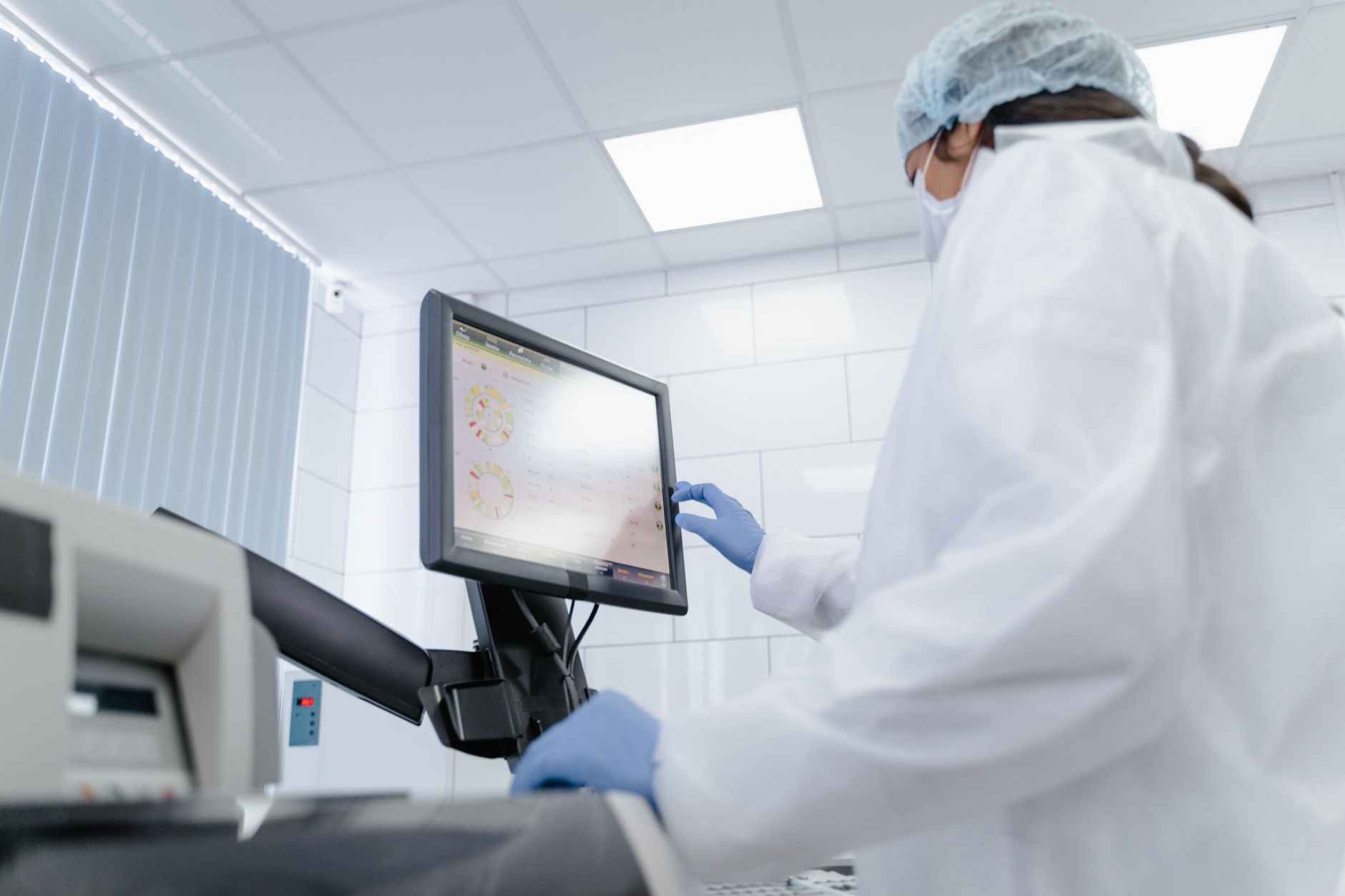
Digital work instructions should coordinate the person, material, and cobot at each ply. The display should show ply identification, orientation, datum, exposed surface, remaining out-time, robot action, inspection point, and recovery instruction. It should also make the current cell state unmistakable: ready, awaiting approval, moving, paused, faulted, or complete.
NIST recommends task-relevant status exchanges that people can understand, including visual or audible feedback, while robots receive structured state messages. Its human-machine-interface research also emphasizes operator situation awareness, diagnostics, and faster correction when a process fails. For layup, that argues for instructions tied directly to motion recipes and quality gates rather than a separate electronic traveler.
Build revision control into the workflow. If engineering changes a ply boundary, roller path, force window, or hold point, the cell should reject the superseded recipe. Record manual overrides with a reason code and preserve technician annotations, since those exceptions often reveal where the next process improvement belongs.
How should a composite shop pilot and deploy the cell?
Begin with one repeatable family of parts and one bounded assist task. Good candidates have costly ergonomic handling, stable material and tooling, observable quality criteria, and enough recurrence to justify qualification. Run representative flat areas, radii, transitions, film peels, stops, recoveries, and contaminated-tool challenges before accepting the cell.
Safety belongs to the application, not the cobot label. ISO published the third edition of ISO 10218-1 in February 2025, while ISO 10218-2:2025 covers robot applications and cells. OSHA also states that collaborative applications require a hazard analysis and risk assessment, including application-specific power, force, pressure, and ergonomic parameters.
Service Robot Co. can conduct the site assessment, compare OEM-neutral collaborative arm options, design the robot deployment and integration, train operators, and support the equipment through a nationwide US engineer network. That one-vendor lifecycle can include a commercial robot demo, robot pilot program, purchase or lease, monthly payment programs, and a robot maintenance service plan with remote triage and on-site dispatch.
A collaborative robot arm lease can be useful when the technical fit is promising but production mix or capital timing remains uncertain. The commercial agreement should still match the qualification plan. RoboCare™ service does not replace process ownership, and try before you buy only has value when the pilot uses representative materials, tooling, technicians, and acceptance criteria.
Frequently asked questions
Want a robot working for you?
Tell us the job and the site. We will recommend the robot, quote the lease, and keep it serviced.
Sources
- 2026 human-robot composite draping study
- 2025 collaborative backing-film removal study
- Automated prepreg layup planning study
- FAA composite handling and layup guidance
- Composite roller-pressure study
- NIST collaborative robot performance program
- OSHA robot systems safety guidance
- ISO 10218-1:2025 official page