
Key takeaways
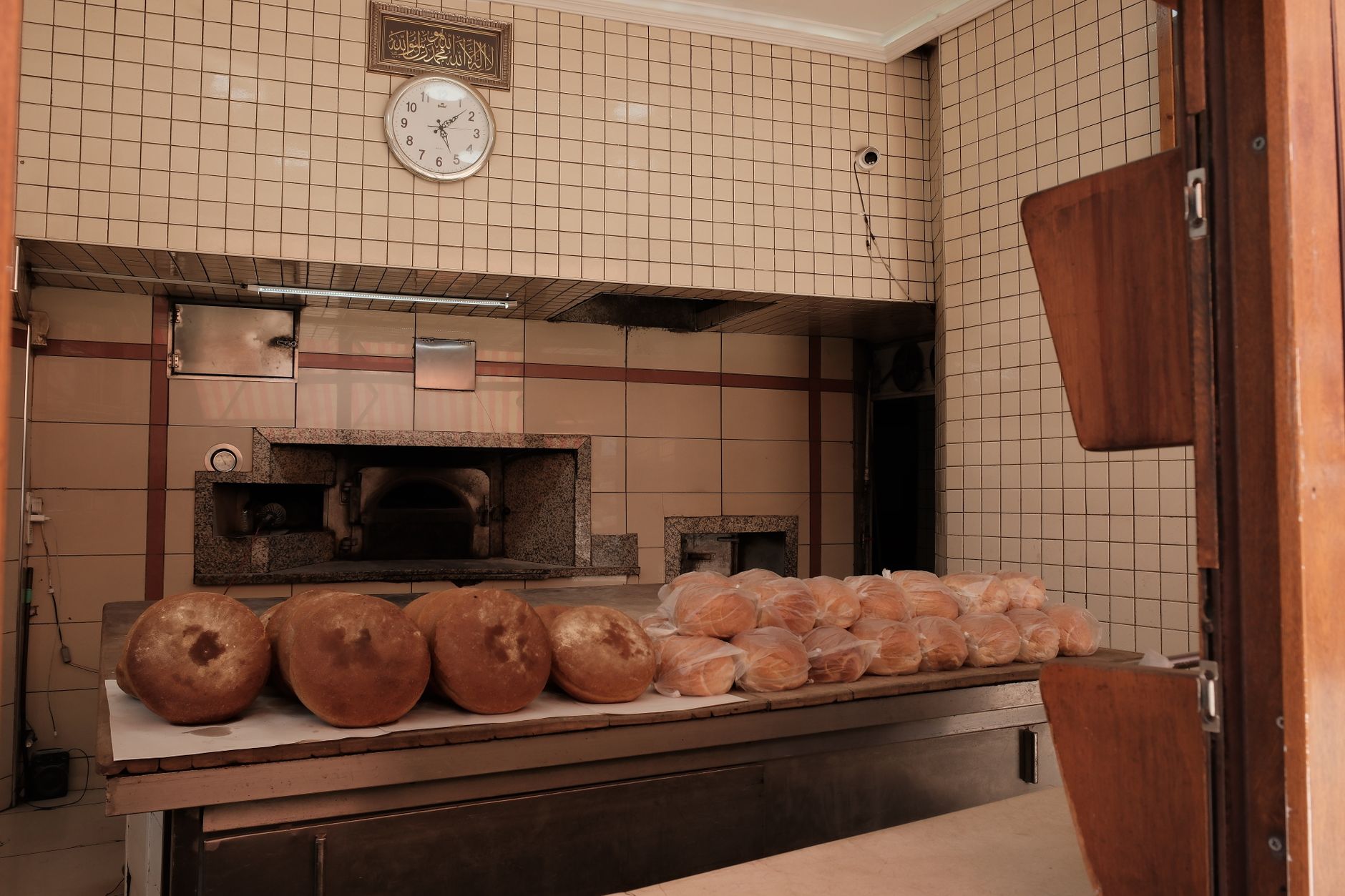
- Depanning is a strong cobot task when heat, repetition, and awkward reaches burden bakery crews.
- The gripper must be proven against actual product variation, release behavior, pan condition, and crumb buildup.
- Hygienic design extends beyond the robot arm to tooling, cables, stands, sensors, guards, and nearby surfaces.
- Throughput should be validated with sustained production trials that include faults, changeovers, cleaning, and line clearance.
Can a cobot handle bakery depanning?
Yes. A properly integrated collaborative robot can remove baked products from pans, transfer whole trays, or perform both tasks at the oven discharge. It is especially useful where employees repeatedly reach toward hot pans, lift at an awkward posture, or struggle to maintain a consistent release rhythm through a long shift.
The application succeeds only when tooling, product presentation, sanitation, safety controls, and downstream timing are engineered as one cell. A cobot label does not make hot pans, conveyor nip points, or a gripping tool harmless. The complete application requires a risk assessment and controls matched to the actual hazards.
The labor benefit is direct: staff can move away from the most repetitive hot-zone handling and toward inspection, changeovers, replenishment, and exception recovery. OSHA specifically lists bakeries among indoor workplaces where heat stress can occur and says radiant heat, hot objects, physical effort, humidity, and air temperature all affect exposure.
What exactly should the robot remove?
Depanning can mean picking individual rolls, buns, cakes, muffins, or loaves from cavities. It can also mean lifting a full pan or tray from the conveyor and placing it on a cooling rack, return conveyor, or stack. These are different automation jobs and rarely deserve the same end effector.
Direct product picking demands delicate contact and controlled acceleration. Tray handling emphasizes payload, rigidity, hot-surface tolerance, and reliable engagement with pan lips or designated pickup features. A bakery that tries to make one tool cover every product and every tray can inherit slow changeovers and fragile compromises.
Begin the site assessment with a product and pan matrix. Record dimensions, mass, release temperature, surface finish, toppings, acceptable contact areas, cavity geometry, pan warpage, release-agent use, and destination orientation. Include fresh and worn pans. The worst release condition, not the showroom sample, sets the real requirement.
How do grippers avoid crushing or marking products?
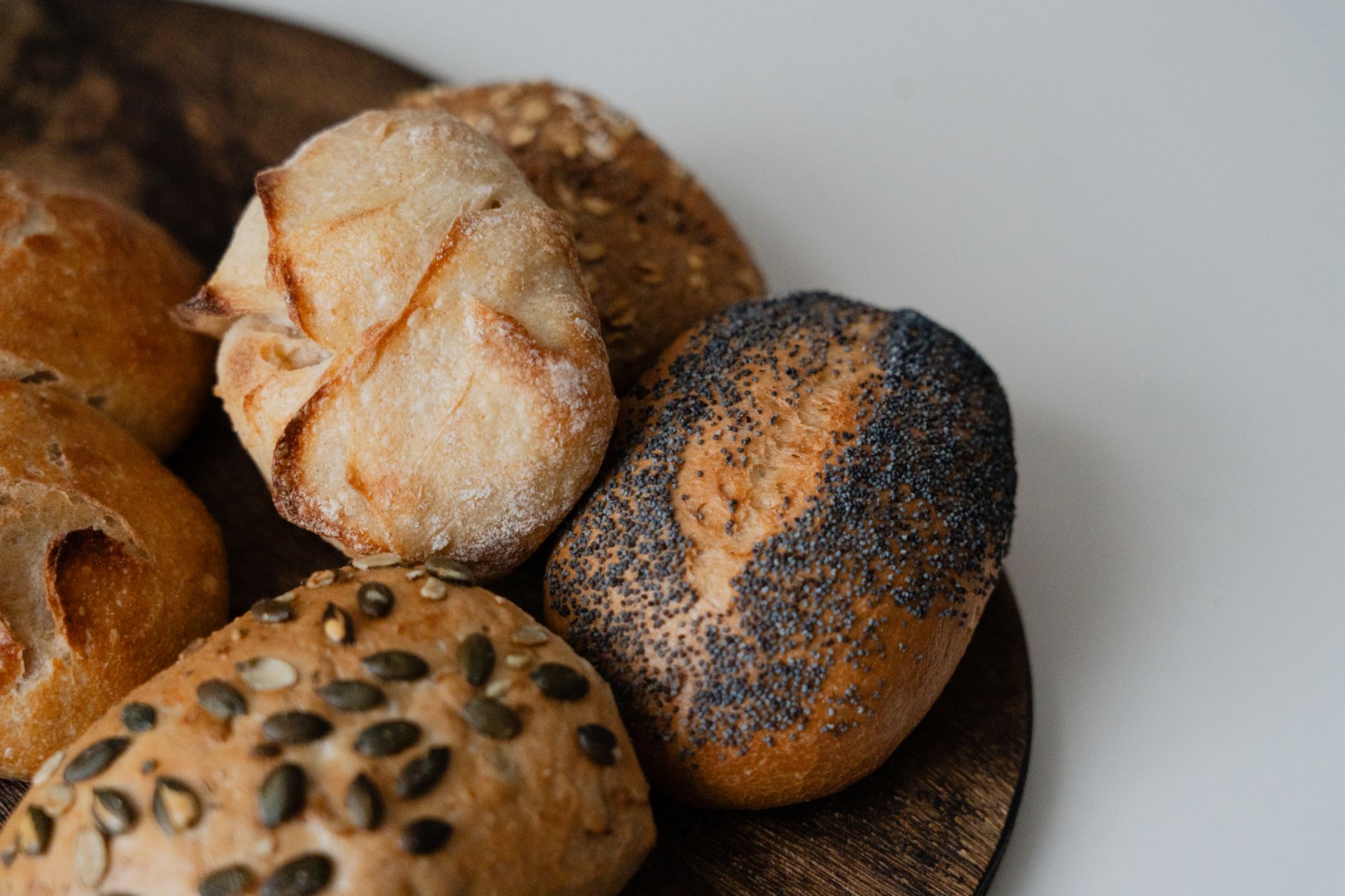
Vacuum can suit products with a stable, nonporous pickup surface, but porous crusts, flour, seeds, glaze, and loose toppings can weaken the seal or foul the vacuum path. Compliant fingers or soft contact tools can cradle irregular products, although finger spacing and closing force must be tuned to prevent dents, tearing, or crumb generation.
A good tool does more than acquire the product. It confirms the pick, carries without oscillation, and releases cleanly at the cooling conveyor. That may require vacuum sensing, pressure or force feedback, compliant mounting, controlled peel-off, or a brief release pulse. Reject logic should catch missed picks without sending the arm back into an occupied pan.
Testing must use the full process window. Products at the beginning and end of a bake, different formulas, seasonal humidity, uneven proofing, topping variation, and release-agent drift can behave differently. A robot pilot program should deliberately challenge those edges and document damage rate, missed picks, double picks, placement error, and recovery time.
How should the cell handle product variation?
Fixed recipes work when pans arrive in a repeatable position and every cavity has predictable geometry. Vision becomes valuable when products shift, cavities are partially filled, pans rotate, or several product formats share the line. The camera should identify pick location and orientation while also flagging empty cavities, malformed product, and foreign objects when validated for those tasks.
Recipe control should tie together the robot path, tool settings, pan pattern, conveyor timing, and destination. Operators need clear product names and guarded permissions, not an engineering screen full of coordinates. Physical poka-yoke features can prevent the wrong tool or pan format from entering a run.
Changeover validation belongs in production planning. Confirm the first pan after a recipe change, verify allergen status, inspect product contact parts, and retain a defined sample. If variation exceeds the qualified envelope, the cell should stop predictably and request help instead of improvising a risky grip.
What do crumbs and sanitation change?
Crumbs are both a reliability problem and a food-safety concern. They can cover optical targets, clog vacuum filters, collect inside finger joints, interfere with pan location, and migrate beneath the cell. The design should direct debris toward removable catch points while keeping ledges, hollow members, exposed fasteners, and inaccessible cable traps out of the product zone.
Current 21 CFR 117.40 requires food-processing equipment to be adequately cleanable and maintained against contamination and allergen cross-contact. It also requires food-contact surfaces to resist corrosion, tolerate their intended environment and cleaning procedures, and use smoothly bonded or maintained seams that minimize food accumulation.
Under 21 CFR 117.35, food-contact surfaces must be cleaned as often as necessary. For low-moisture processing, they must be clean, dry, and sanitary before use, and wet-cleaned surfaces must be thoroughly dried when necessary. That makes dry-clean access, tool-free removal, validated cleaning instructions, and visible inspection points central design requirements rather than finishing touches.
Build the sanitation plan around the bakery's hazard analysis. Define which gripper parts contact food, which components are removable, where allergen residue can hide, how vacuum lines and filters are handled, and what verification releases the cell. The FDA says Part 117 requires controls that minimize or prevent allergen cross-contact, including written procedures where applicable.
Will the cobot keep pace with the line?
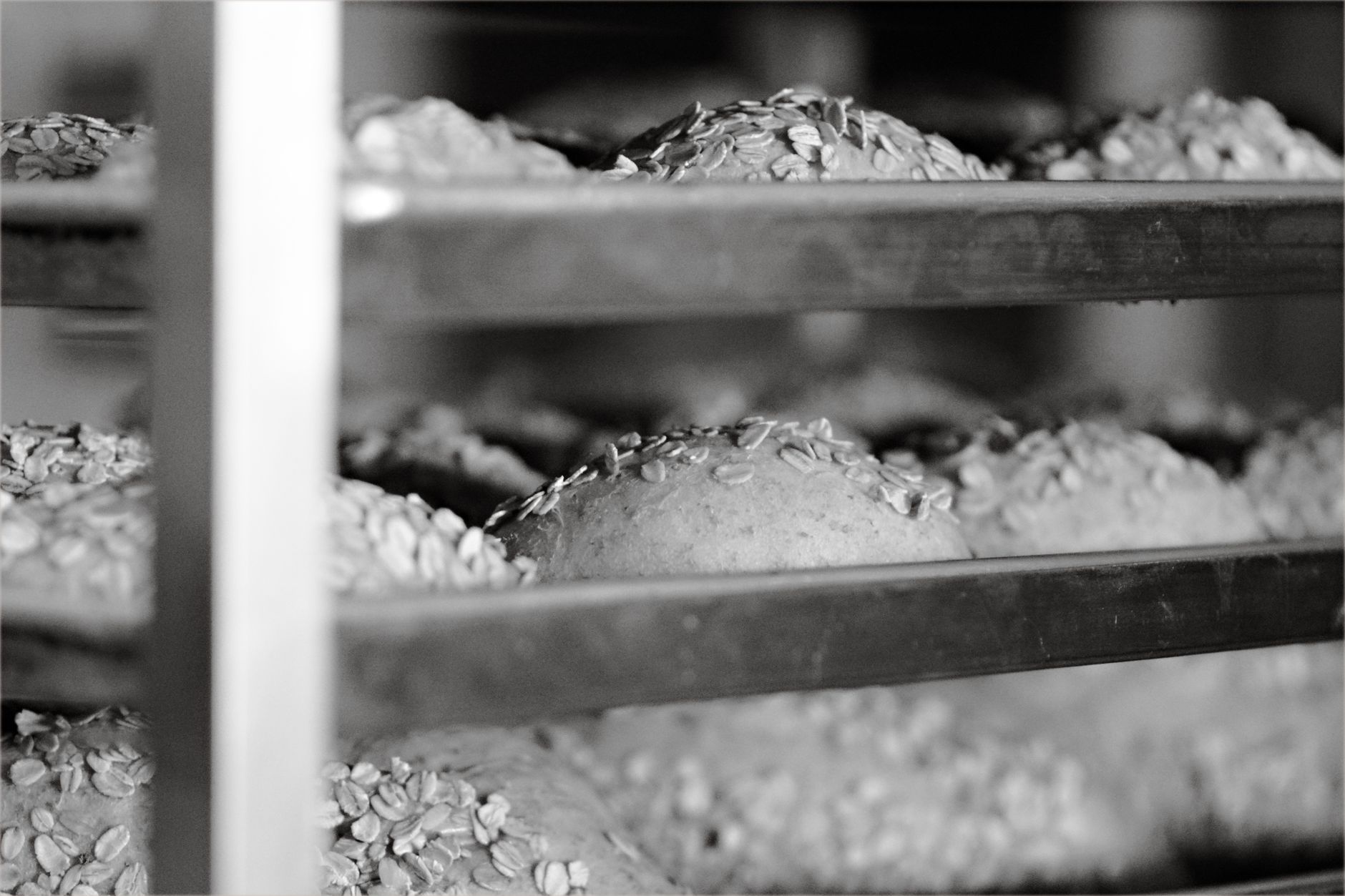
Robot cycle time must be derived from actual oven output, pan pitch, pieces per pan, cooling-conveyor capacity, and the accumulation available upstream. A fast laboratory pick means little if the tool needs frequent cleaning, the vision system pauses on browned surfaces, or each missed product forces a full stop.
Measure sustained throughput across a representative run. Include pan gaps, recipe transitions, warped pans, partial loads, crumb accumulation, operator breaks, gripper cleaning, and normal fault recovery. Report good products transferred per production hour alongside damage and missed-pick rates. Peak arm speed is not the business result.
Motion planning can improve capacity by picking several products at once, reducing travel, tracking a moving conveyor, or splitting work between stations. Each tactic brings tradeoffs. Larger tools add inertia and cleaning area, conveyor tracking depends on accurate timing, and extra stations increase coordination demands.
The cell should fail gracefully. Short accumulation can absorb a brief intervention, while a bypass route may preserve production during planned service. Remote triage and on-site dispatch matter because a depanner sits directly in the production path. RoboCare™ service in a commercial robot lease or robot leasing for business program should still come with named response procedures and spare-parts expectations.
What should line clearance and safe recovery include?
Line clearance must cover product identity, pans, crumbs, tools, labels, allergens, people, and machine state. It is not just a visual sweep before the next recipe. The procedure should assign one person authority to release the cell and should preserve traceability for held product or pans removed during a fault.
OSHA 1910.212 requires guarding against point-of-operation hazards, ingoing nip points, and rotating parts. OSHA 1910.147 applies when cleaning, unjamming, setup, or service exposes employees to unexpected startup or stored energy. The standard calls for documented shutdown, isolation, control of stored energy, and verification before work begins.
A practical clearance sequence should include the following distinct checks:
- Stop product feed and identify the last acceptable pan under the current recipe.
- Move the robot to its defined safe position using the approved operating mode.
- Account for product and pans in the cell, reject area, conveyor transfers, and cooling destination.
- Apply the bakery's energy-control procedure before reaching into a hazardous area for cleaning, unjamming, adjustment, or service.
- Remove crumbs, loose tools, cleaning materials, and obsolete product identifiers from the cell.
- Inspect and reinstall the correct sanitized end effector, guards, sensors, and catch trays.
- Load the next approved recipe, confirm pan format and allergen status, then run and inspect the designated first article.
- Authorize restart only after people are clear, protective devices are active, and affected employees have been notified as required.
How should a bakery buy and deploy the cell?
Depanning should be purchased as a production cell, not as an isolated arm. The scope includes tooling, vision, conveyor interfaces, guarding, electrical controls, recipes, sanitation access, documentation, training, acceptance tests, and post-launch service. A free site assessment can establish the product matrix, heat conditions, line rate, utilities, floor space, and recovery routes before hardware is selected.
Service Robot Co. is a full-service commercial robot integrator for US businesses. Its OEM-neutral approach selects equipment across manufacturers, then handles financing, robot deployment and integration, training, and service through a nationwide US engineer network. That gives the bakery one vendor for the operating lifecycle and one partner one number when production needs help.
Commercial structures can include purchase, collaborative robot arm leasing, cobot leasing, or monthly payment programs, subject to the project. The right structure follows process certainty and production plans. A staged pilot is often the cleanest path when product variability or release behavior still needs proof, because acceptance criteria can be tied to sustained throughput, product quality, sanitation, and recovery performance.