Key takeaways
- Loading cobots pay when seal cycles wait on hands more than on vacuum pump time.
- Grip choice and nest geometry matter more than arm speed on soft pouches and trays.
- Moisture on the seal flange is the fastest way to automate leakers at scale.
- Machine I/O and dwell timing must match the sealer, not the robot vendor demo.
- Vision before close catches skewed product and seal-area contamination early.
Why are vacuum seal lines still hand-loaded in 2026?
Chamber sealers and continuous belt vacuum lines look automated until you watch the load step. Operators still nest trays, align pouches, and wipe seal bars between changeovers because the sealer only controls vacuum time, not how the product sits.
Collaborative robot arms fit when the same dozen or so products return daily and the bottleneck is presenting flat, dry product to a fixed nest. They are a weak default on one-off catering packs or shapes that crush under a careless vacuum cycle.
According to Future Market Insights, global vacuum packaging demand was estimated at USD 21.1 billion in 2024, with food end use accounting for about 73.9% of sales. That volume keeps seal lines busy enough that a slow load step shows up in overtime, not just labor cost.
What makes sealed package loading different from generic pick and place?
Vacuum sealing punishes small geometry errors. A corner fold or a slice sitting above the flange can look fine to the operator and still fail a leak check after the shift.
Chamber machines need clearance for the lid swing and even product height so the bag does not pinch. Belt sealers need consistent leading edge placement so the jaw closes on the right zone every cycle.
The robot sequence is not only pick and drop. It is present, hold flat, release on signal, and sometimes retreat before the jaw or lid moves. Treating the sealer like a conveyor drop station is how you automate rework.
How should grippers handle pouches, trays, and soft product?
Food and ready-meal loads often mix semi-rigid trays with flexible film. Vacuum cups work on flat lids until sauce or condensate breaks the seal. Foam or compliant finger pads spread force on delicate protein portions.
Hygienic design means fewer crevices, quick-release tooling, and washdown-compatible materials where the plant already expects it. A gripper that holds through a chamber cycle but traps marinade in a groove will fail audit before it fails mechanically.
Product deformation shows up when the cobot squeezes to compensate for a bad nest. Lower force limits and shaped nests beat higher vacuum on berries, sliced deli, and portioned bakery items.
- Match cup diameter to flat lid area, not to total tray weight.
- Use nest pins or ledges so the human refill does not re-teach every break.
- Keep a manual lane for true odd lots while the cell runs the daily set.
Where does moisture break seal quality?
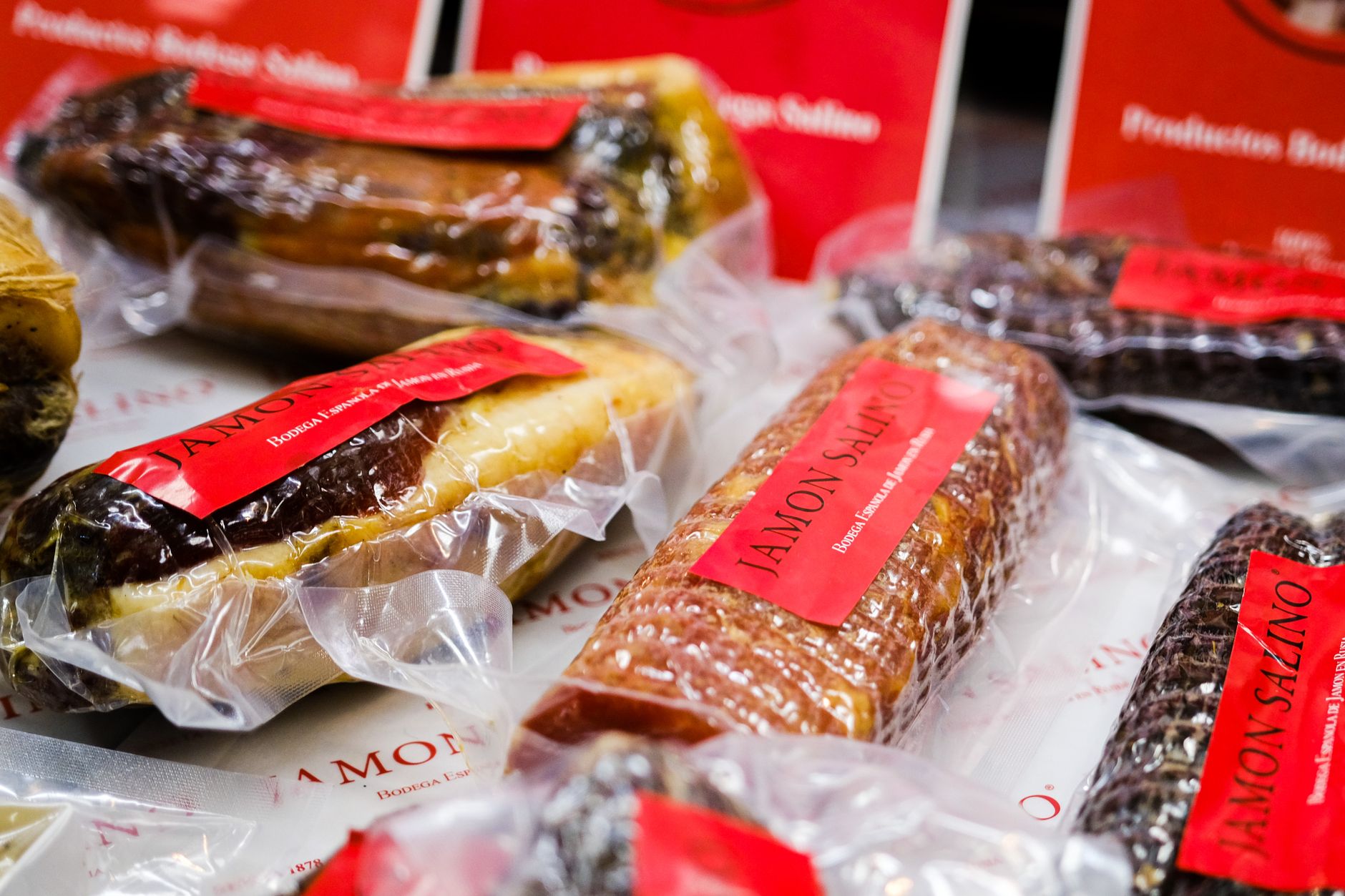
Juice on the seal flange is the silent leaker. Operators wipe with habit. Robots need either dry product presentation upstream or a controlled pause if a vision flag sees shine in the seal window.
Condensation from cold product in a warm room can appear between pick and close. Short transfer paths and covered nests reduce the window where droplets form.
If your plant already runs metal detection or checkweigh after seal, treat moisture alerts as stop-and-quarantine events, not as nuisance resets.
How tight is the labor and injury context on food packaging lines?
U.S. Bureau of Labor Statistics 2024 incidence data show food manufacturing at 3.3 total recordable cases per 100 full-time workers, with 2.3 cases involving days away, restriction, or transfer. Plastics packaging film and sheet manufacturing, a common supplier tier for pouches, recorded 2.0 total recordable cases per 100 workers in the same table.
Repetitive load motions at a sealer still add wrist and shoulder strain even when the line injury rate looks moderate on paper. Cobots remove the steady reach into the chamber, not the need for a lead who owns changeover quality.
When hiring stays tight near a plant, automating the load often frees people for sanitation and changeover tasks that robots should not own.
How do you coordinate with the sealer control system?
The sealer should own the cycle: vacuum pull, dwell, vent, and jaw open. The robot should interlock on permissives so it never enters the chamber on a closing lid.
Hardwired interlocks beat optimistic timing from a stopwatch test. Map every signal in a table during integration: ready to load, load complete, fault, and estop.
Belt sealers need agreement on conveyor encoder or index positions. If the belt slips, the robot must stop rather than chase a moving seal zone.
What should package inspection cover before the seal closes?
A fixed camera can verify product lies below the flange, check for foreign material in the seal window, and confirm barcode or print registration when the SKU requires it.
Inspection adds cycle time. It pays when leakers or misloads already trigger rework bins or customer credits. Skip vision on the first pilot only if you accept manual audit at full line speed.
Reject logic should separate vision fail from sealer fault so maintenance does not chase the wrong subsystem.
When does changeover still belong to people?
Film width changes, new nest heights, and first-article checks after a recipe swap stay human-led. The cobot should recall a validated recipe, not guess from a similar SKU.
Document minimum teach points: nest ID, grip force band, hold time, and retreat distance. Without that, every new deli flavor becomes a week of tuning.
How do you pilot without fooling the ROI math?
Run one product family that already hits the sealer every hour. Measure chamber idle time waiting for hands, leaker rate, and changeover length before and after.
Include a deliberate wet-flange sample in daily startup. If the cell does not stop, do not trust it on the Friday seafood run.
Where does a full-service integrator fit the first cell?
Seal lines sit between sanitation rules, OEM sealer quirks, and floor space that was never designed for a six-axis arm. Service Robot Co. works as a vendor neutral commercial robot integrator for U.S. food and packaging plants. We match arms, grippers, and vision to your sealer signals, then finance, deploy, train, and service through a nationwide engineer network.
Collaborative robot arm rental with maintenance included can carry a single chamber or belt load station through a seasonal SKU peak on operating budget before you commit capital to a second line. One partner number covers mapping, interlocks, and the monthly service plan after go live.