

Key takeaways
- Cobots work best on repeatable polishing passes while skilled finishers retain color, feel, edge, and final-release decisions.
- Compliant tooling and force control matter more than positional accuracy alone on curved instrument parts.
- Brass, wood, and composites need separate process recipes, extraction controls, fixtures, and inspection criteria.
- Teach-by-demonstration can make small batches practical, but every recorded path still needs controlled force, speed, and orientation.
Where should instrument makers automate first?
Cobots can polish musical instrument components without sacrificing craftsmanship when they are assigned repeatable surface work and skilled finishers retain authority over appearance, feel, geometry, and final acceptance. The strongest first applications are predictable passes on brass bells and tubing, wooden bodies or neck blanks, and molded composite shells before the most delicate hand-finishing stages.
The goal is controlled consistency, not the removal of judgment. A collaborative robot arm can carry an abrasive, buffing wheel, or finishing pad through a repeatable path while compliance maintains contact across subtle curvature. The craftsperson still establishes the approved reference finish, decides how much material may be removed, and handles localized corrections where grain, solder, binding, plating, or previous repairs make the part unusual.
A suitable cell therefore behaves less like an automatic shine machine and more like a disciplined apprentice. It repeats a proven motion, records the process variables, and stops when conditions leave the approved window. That division of labor protects the character of the instrument while reducing exposure to vibration, awkward postures, airborne debris, and monotonous polishing passes.
How does compliant tooling protect form and finish?
A robot commanded only by position can press too hard when a casting, wooden blank, or composite layup differs slightly from its digital model. Compliant tooling adds controlled movement between the arm and abrasive, while active force control measures contact and corrects it during the pass. The combination lets the tool follow real geometry instead of treating every workpiece as dimensionally perfect.
The National Institute of Standards and Technology described this principle in a 1993 automated finishing system. It used active force control in the tool to compensate for small robot positioning errors. That remains directly relevant to instrument work, where a slight force spike can soften a crisp edge, thin a lacquer layer, open wood pores unevenly, or leave a visible wave in a reflective brass surface.
Force is only one part of the recipe. Tool angle, spindle speed, traverse speed, abrasive grade, overlap, dwell time, pad condition, and compound loading all affect material removal. A 2025 peer-reviewed polishing study available through the National Institutes of Health tested a 22.5 N target force and reported that its adaptive method reduced surface roughness by an average of 20.79 percent against the study baseline. Those figures are not a universal instrument recipe, but they show why force and motion must be validated together rather than copied from another material.
Brass, wood, and composites require different recipes
Brass components reward stable pressure and smooth path blending because reflected light makes swirl, haze, and waviness conspicuous. Fixtures must support thin bells or tubing without creating dents, and the path should avoid excessive dwell around solder joints, ferrules, engravings, sharp rims, and already-thin sections. If plating or lacquer follows, the cell also needs a defined cleaning and handling sequence so compound residue does not migrate downstream.
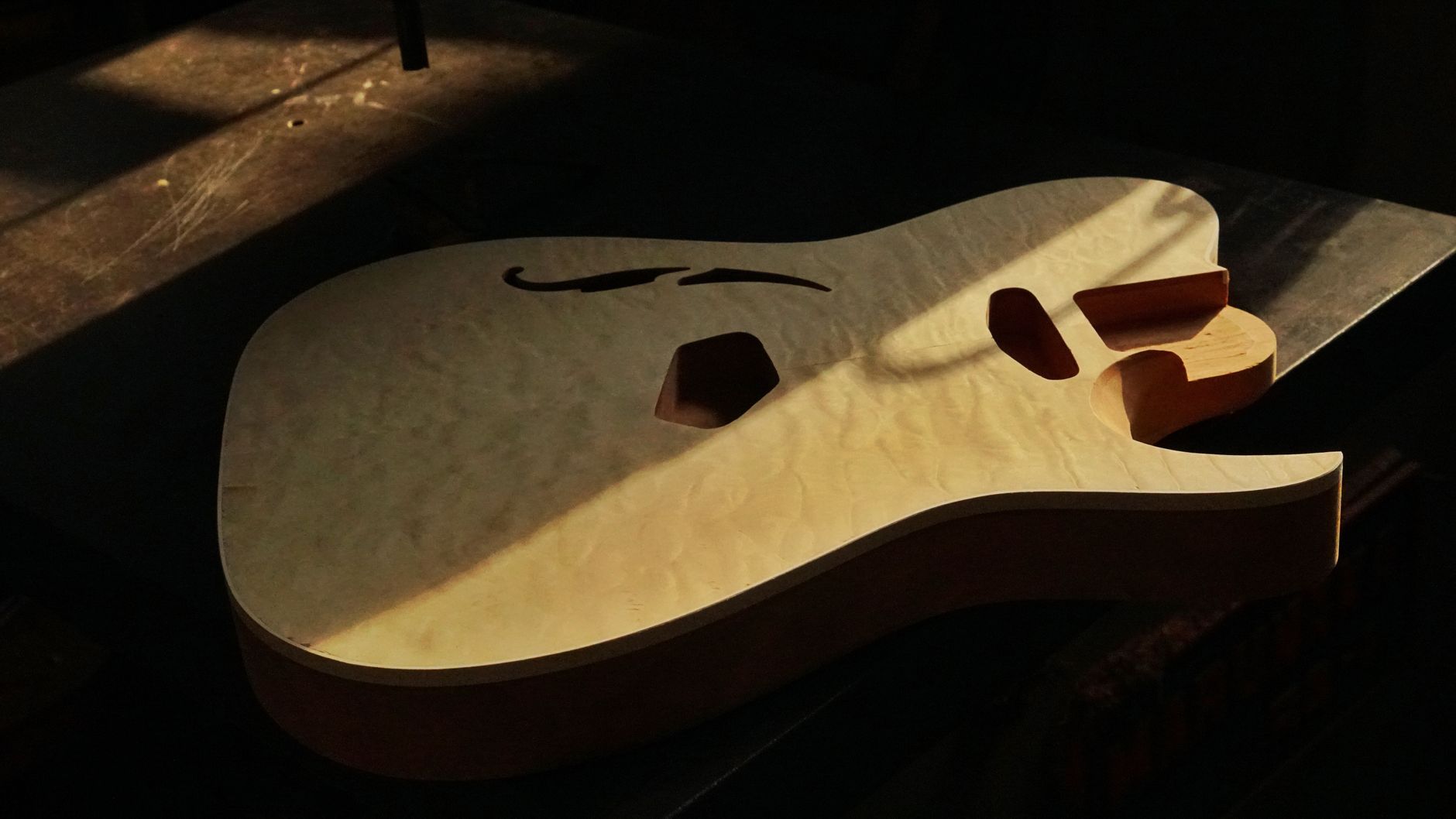
Wood demands a different touch. Grain direction, figure, moisture, pore structure, glue lines, binding, and edge profiles can change the finish from one region to the next. A robot may perform broad sanding or polishing passes, but a skilled operator should approve the abrasive sequence and retain hand control around delicate transitions. Recipes should be separated by species, coating state, and part family rather than grouped under one generic wood program.
Composite shells and cases can vary with fiber orientation, resin-rich areas, print-through, gelcoat thickness, and molded curvature. The process window should cap force and dwell, especially at edges and local high spots. Dust extraction, abrasive choice, and pad cleaning must also be material-specific. Moving a contaminated pad from metal to lacquered wood or composite work risks scratches, staining, and inconsistent adhesion in later coating steps.
What surface inspection belongs inside the cell?
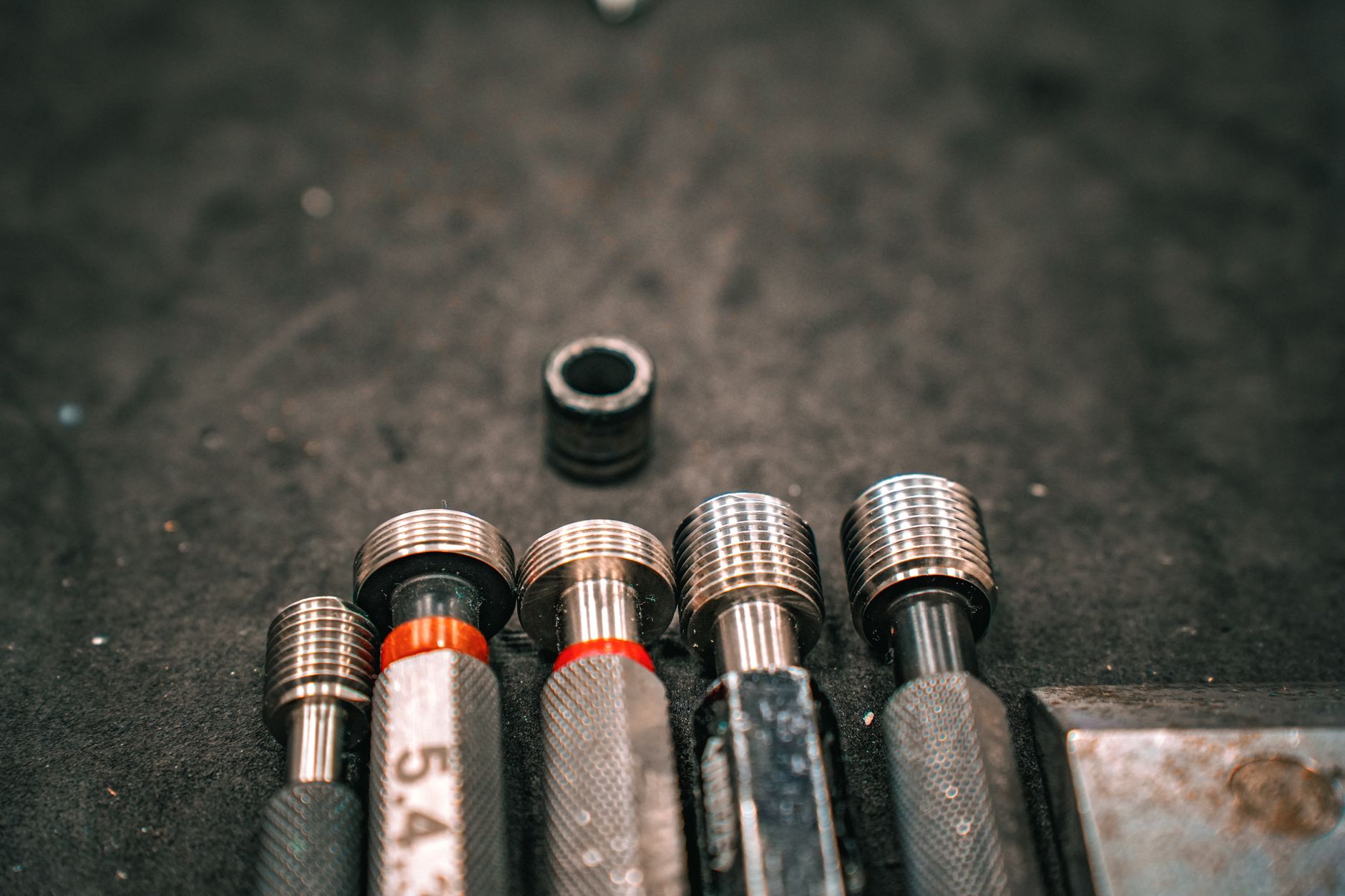
A good inspection plan combines measurable texture with appearance standards. ASME says B46.1-2019, reaffirmed in 2026, defines roughness, waviness, lay, and the parameters used to specify surface texture. Those measures can anchor an engineering requirement, but they do not fully describe the visual warmth of wood, the clarity of a brass reflection, or an acceptable hand-rubbed sheen.
Use fixed lighting, repeatable camera position, and approved reference samples to expose haze, scratches, swirl, edge burn-through, pits, glue residue, and uneven gloss. For critical surfaces, add contact or optical texture measurement at defined locations. NIST research comparing optical and stylus methods found discrepancies as large as about 75 percent of the stylus value within a 50 to 300 nm Ra range in some cases. The lesson is practical: qualify the measurement method and sampling location instead of assuming different instruments will agree.
Inspection should influence the process rather than merely sort finished parts. Force traces, spindle current, vibration, tool age, image results, and measured texture can indicate when an abrasive is loaded or a fixture has shifted. Set explicit responses for each condition, such as another controlled pass, a finer abrasive, human review, rework, or rejection. The finish standard remains the authority, not the robot's completion signal.
How does teach-by-demonstration support small batches?
Teach-by-demonstration lets an experienced finisher guide the arm or a tracked tool through a representative pass. The recorded path captures practical knowledge that can be difficult to express as coordinates, including approach direction, stroke flow, where to lighten pressure, and which ornamental regions to avoid. It is particularly useful when a shop has many related parts but too little volume for lengthy offline programming.
The demonstration is a starting point, not a production-ready program. An integrator should smooth the path, define tool orientation, impose force and speed limits, create safe approaches and retreats, and test singularities or reach constraints. The resulting recipe also needs part identification and fixture confirmation so an operator cannot accidentally run a bell program on a different size or a coated part under a bare-metal process.
Changeovers become manageable when programs are organized into families. A base path can be adjusted with fixture offsets, scan data, or a few taught landmarks, while the validated process envelope stays locked. Operators may select approved variants, but changes to maximum force, edge zones, abrasive sequence, or spindle speed should require controlled authorization and a new first-piece review.
Can a polishing cobot make sense for small batches?
Small-batch economics depend more on utilization and changeover discipline than headline cycle speed. Start by separating touch time from judgment time. If a finisher spends long blocks making similar broad passes, the cobot can run those passes while the person inspects prior parts, masks delicate areas, prepares compounds, or completes expressive final work.
Track the current process before requesting equipment. Useful baseline data include manual minutes by pass, abrasive consumption, rework causes, defect location, setup time, ergonomic exposure, queue time, and weekly volume by part family. Then model realistic availability, fixture changes, pad replacement, cleaning, inspection, and maintenance. A cycle-time claim that excludes these events will overstate capacity.
Commercial structures can match uncertain demand. A cobot lease for manufacturing, collaborative robot arm leasing, robot leasing for business, or leasing arrangement may reduce initial commitment and make a robot pilot program easier to approve. Compare purchase or lease terms using the same scope, including integration, training, RoboCare™ service, consumables, software access, and end-of-term obligations. A low monthly payment is not useful if the polishing process itself has not been proven.
Which decisions should remain with skilled finishers?
Craft judgment belongs wherever the specification is sensory, historically informed, or part-specific. A finisher should approve the master sample, interpret grain and figure, protect engravings and inlays, recognize previous repair work, and decide when further polishing would remove too much material. The same person should define defects that a camera may flag but cannot contextualize, such as a harmless natural feature beside an unacceptable sanding witness line.
Keep a signed first-piece process for every approved recipe. The operator compares the part under controlled lighting, checks critical edges and interfaces, and records texture or gloss results where specified. Only then should the batch proceed. Periodic audit pieces catch abrasive wear, compound buildup, fixture movement, and gradual drift before an entire lot inherits the same defect.
This preserves a healthy hierarchy: the craftsperson defines quality, process engineering converts that judgment into limits, and the cobot repeats the approved portion. Automation becomes a way to conserve scarce finishing expertise. It gives experienced people more time for voicing, fitting, repair, tonal evaluation, and final visual decisions that carry the maker's identity.
Safety extends beyond the collaborative arm
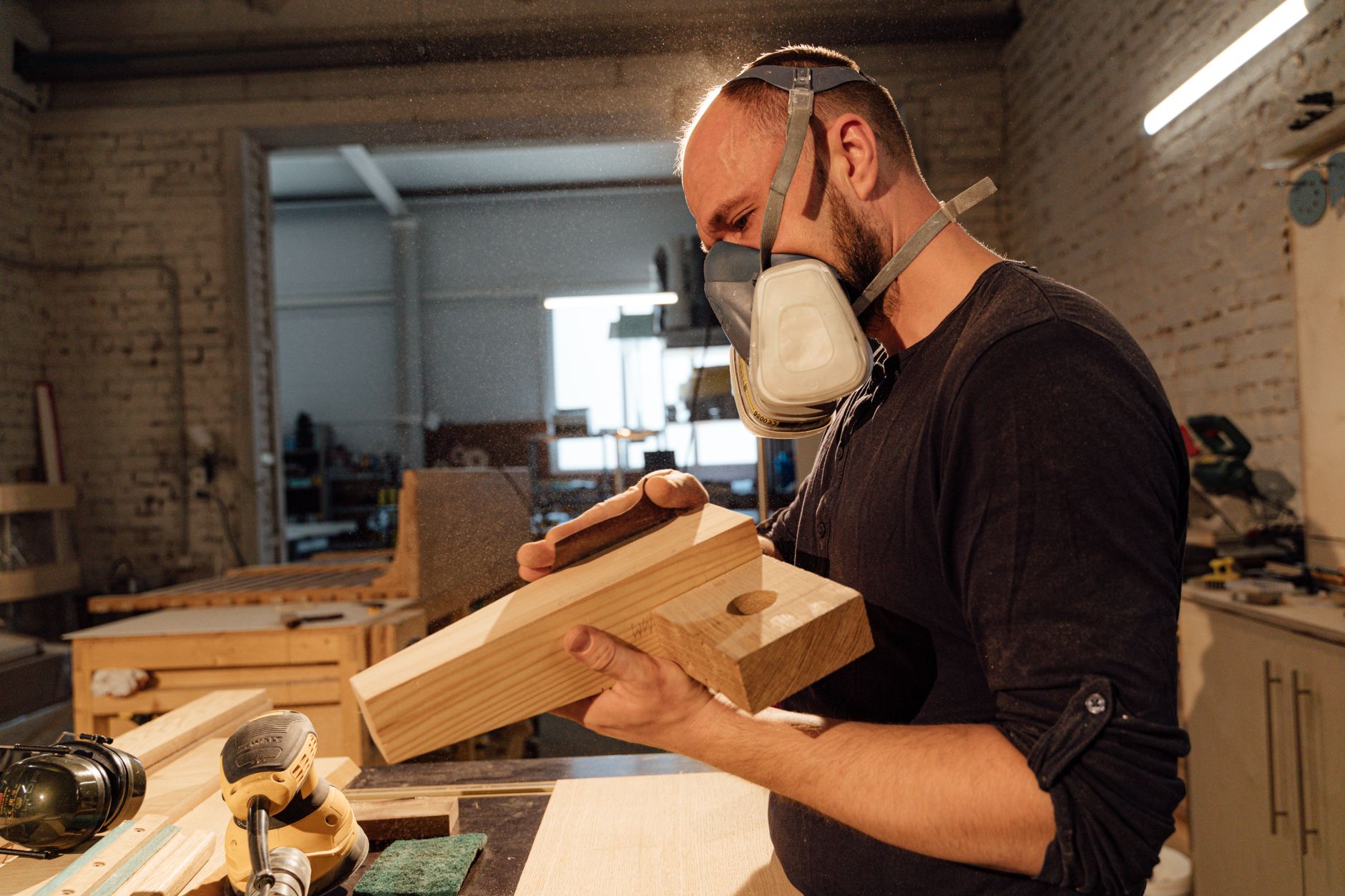
A cobot label does not make a polishing application inherently safe. Rotating tools, abrasive wheels, pinch points, sharp parts, entanglement, flying debris, sparks, compounds, and extracted dust must be assessed as a complete cell. OSHA's machine-guarding rule, 29 CFR 1910.212, requires protection from hazards including points of operation, rotating parts, flying chips, and sparks.
Dust deserves special attention across all three material groups. OSHA identifies metal, wood, plastic, and rubber dust among materials that can present fire or deflagration hazards, and its guidance notes that particles below 420 microns meet its stated screening criterion while larger particles can still be hazardous. OSHA also requires grinding and polishing belts to have dust-removal hoods connected to exhaust branches under 29 CFR 1910.94.
Recent enforcement shows that automation does not remove this risk. A June 2026 OSHA citation concerning an industrial polishing room documented two indoor cyclone collectors handling mixed aluminum, stainless steel, polishing-compound, and media dust, with three employees exposed. Instrument makers should obtain a material-specific dust hazard analysis, prevent incompatible dust mixing, validate capture at the tool, control ignition sources, and plan safe filter and collector maintenance.
The current robot-cell safety reference also matters. ISO published the second edition of ISO 10218-2 in February 2025. Its 223 pages address integration, commissioning, operation, maintenance, decommissioning, and disposal. A proper risk assessment may still require guarding, extraction interlocks, safe-speed zones, presence sensing, tool containment, lockout procedures, and personal protective equipment.
What should a credible pilot prove?
A useful pilot tests representative geometry and process extremes, not only the easiest showpiece. Include thin brass sections, tight curves, prominent edges, contrasting wood grain, repaired or imperfect parts where appropriate, and composite high spots. Run enough abrasive life to reveal loading and wear, then measure changeover time and inspect after cleaning under the same lighting used for production approval.
Service Robot Co. can manage this as one accountable program. As an OEM-neutral, full-service commercial robot integrator for US businesses, the company selects equipment across manufacturers, arranges financing, handles robot deployment and integration, trains the production team, and services each unit through a nationwide US engineer network. That one-vendor lifecycle is valuable when the arm, spindle, compliance device, inspection station, dust controls, fixtures, and safety system must function as one cell.
A free site assessment can identify promising part families, utilities, extraction constraints, operator access, and fixture needs before equipment is committed. A commercial robot demo or try before you buy pilot should then close with documented recipes, acceptance data, training records, spare-parts needs, remote triage procedures, on-site dispatch expectations, go live support, and a plan for phased deployment no shutdown.
- The finish matches an approved master sample under controlled lighting.
- Critical dimensions, edge conditions, and coating thickness remain within the drawing or process specification.
- Force, speed, orientation, and dwell stay inside validated limits throughout the path.
- Inspection results remain stable from a fresh abrasive through the approved replacement point.
- Changeover, cleaning, recovery, and safe-stop procedures can be performed by trained production staff.
Frequently asked questions
Sources
- NIST automated force-controlled finishing research
- 2025 adaptive robotic polishing study
- NIST comparison of optical and stylus roughness measurement
- ASME B46.1 surface texture standard
- ISO 10218-2:2025 robot-cell safety standard
- OSHA grinding, polishing, and buffing ventilation rule
- OSHA combustible-dust guidance
- OSHA general machine-guarding requirements