Key takeaways
- Irregular bulk pet treats need vision, compliant contact surfaces, and gripper designs that tolerate oil and crumbs without smearing product.
- FDA 21 CFR 507.19 sanitation rules apply to disassembly, wet clean, dry-down, and allergen changeovers on treat packing lines.
- A phased cobot cell for weigh-fill-orient-pack often beats adding manual labor when SKUs and pouch formats multiply.
- Vendor-neutral integrators can pilot on rental or lease terms before you standardize end effectors across plants.
When does a cobot beat manual portioning on a pet treat line?
If your team portions bulk treats by hand into bags, tubs, or variety packs, the business question is not whether robots exist. It is whether repeatability, food safety documentation, and changeover time are starting to cost more than a compact collaborative cell.
Collaborative robot arms fit best where humans still add value nearby: verifying a new SKU, clearing a jam, or swapping allergen formats. They weigh, orient, and pack irregular pieces that vary in size, oil content, and breakability. According to Mordor Intelligence, the U.S. pet treats market was valued at about USD 10.50 billion in 2025, with premium and functional lines growing faster than undifferentiated indulgent formats. That mix pushes more short runs and more package types through the same room.
A cobot does not replace your sanitation program or your quality lab. It gives you a controlled motion path, logged cycles, and tooling you can validate once per SKU instead of retraining every temp hire each season.
What makes bulk pet treats hard for automation?
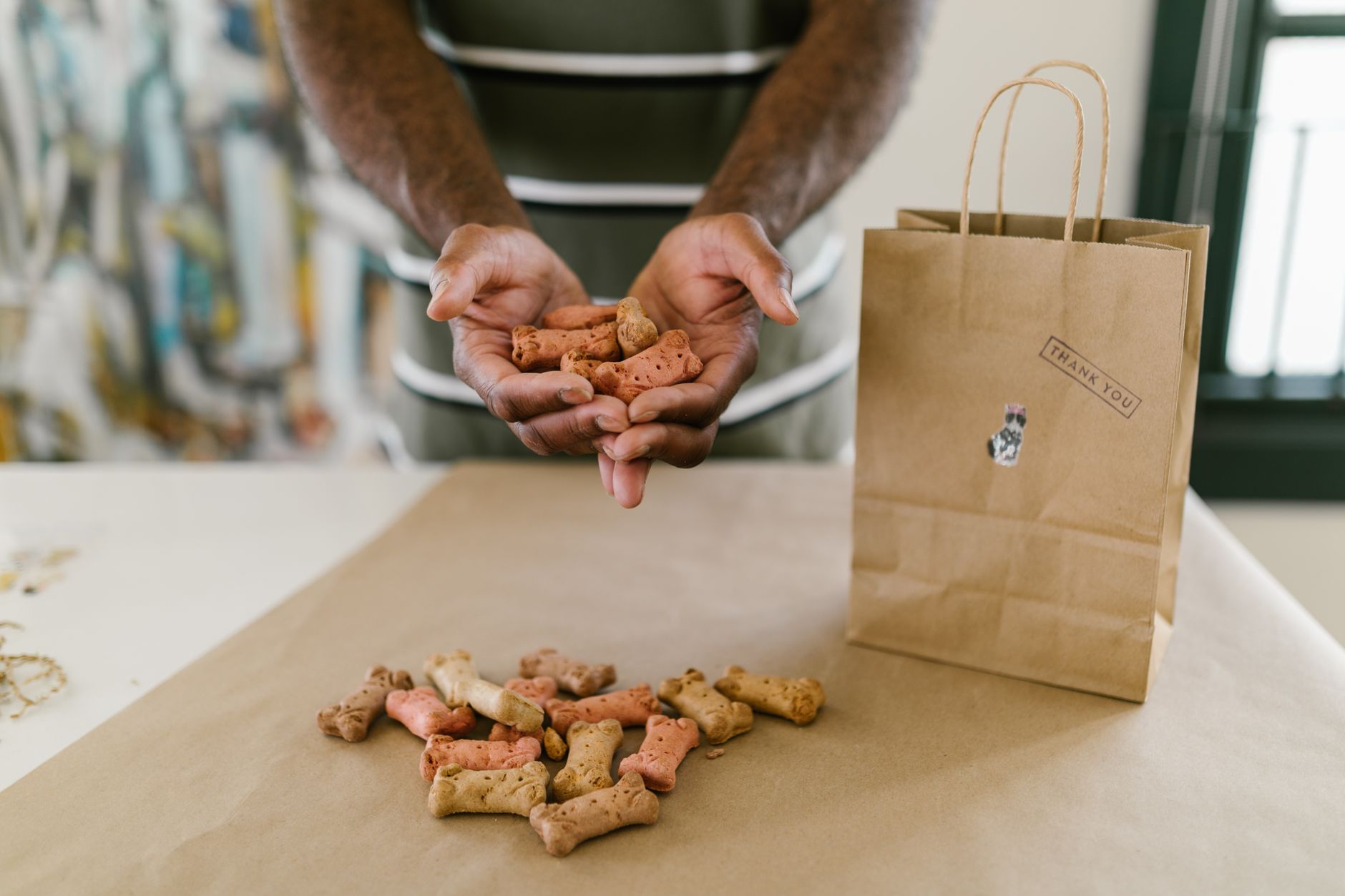
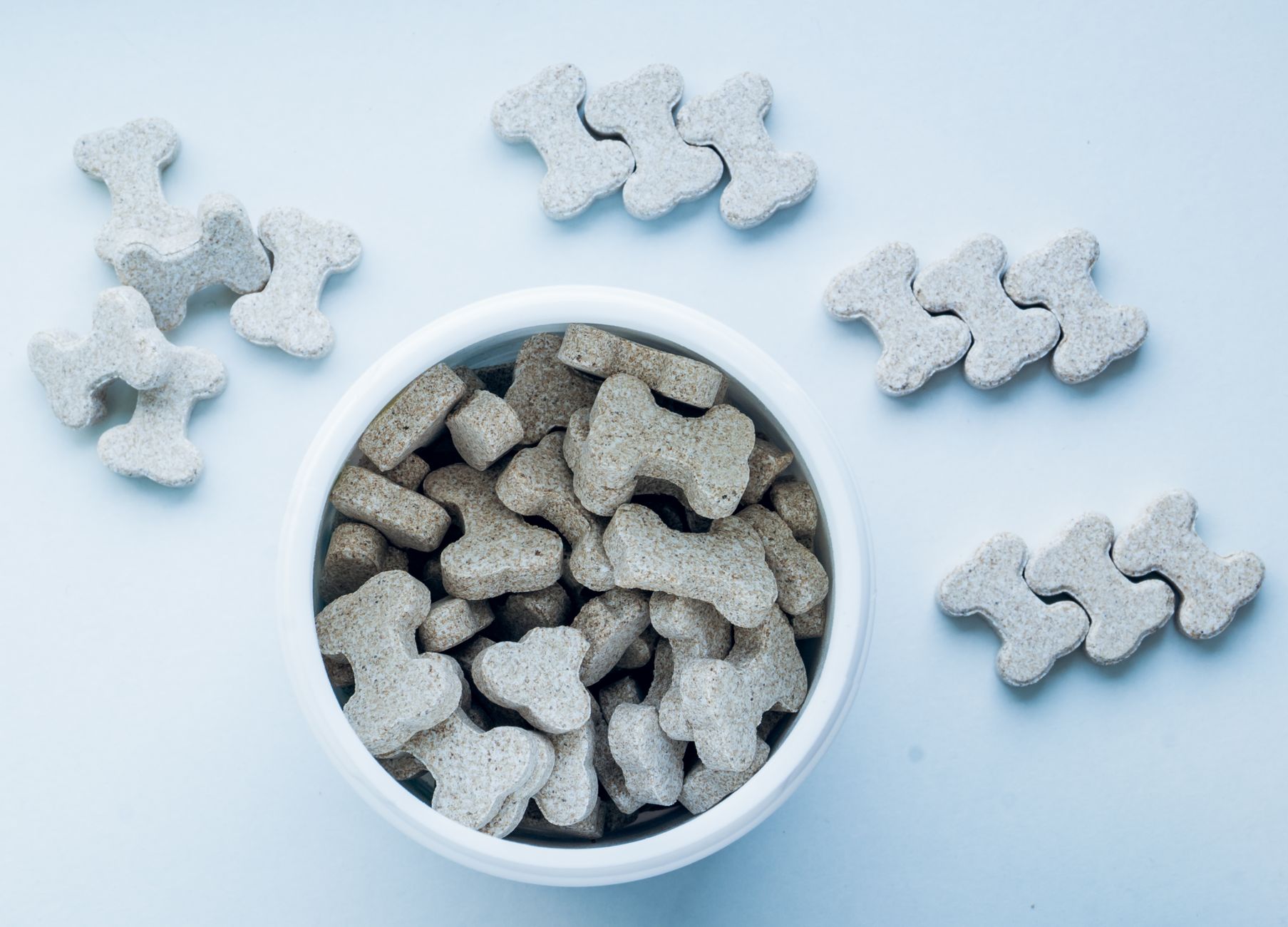
Bulk treats are not uniform cylinders. They arrive as strips, nuggets, biscuits, and soft chews with different bulk densities. Orientation matters when a label window or nutrition panel must face forward, and when a resealable pouch needs a flat laydown.
Oil and fat migrate. A peanut-butter style chew leaves residue on chutes and fingers. Crumbs from baked biscuits behave like fine grit that jams vacuum cups and fools simple weight checks. Flexible gripping matters more than raw speed: you need compliance, vent paths, and quick tool changes rather than a single rigid claw.
Package variety compounds the problem. Stand-up pouches, gusseted bags, clamshells, and club-store variety packs each want a different infeed height and a different drop geometry. A cell that works for one pouch size on Monday may need twenty minutes of mechanical adjustment on Tuesday unless you design for format swaps up front.
- Vision checks for broken pieces, color band rejects, or foreign material before product enters primary packaging
- Weigh-scale integration with tolerance bands tied to your net-weight compliance records
- Gentle placement that avoids shattering thin biscuits or smearing soft coatings
How do FDA animal food rules shape cobot design?
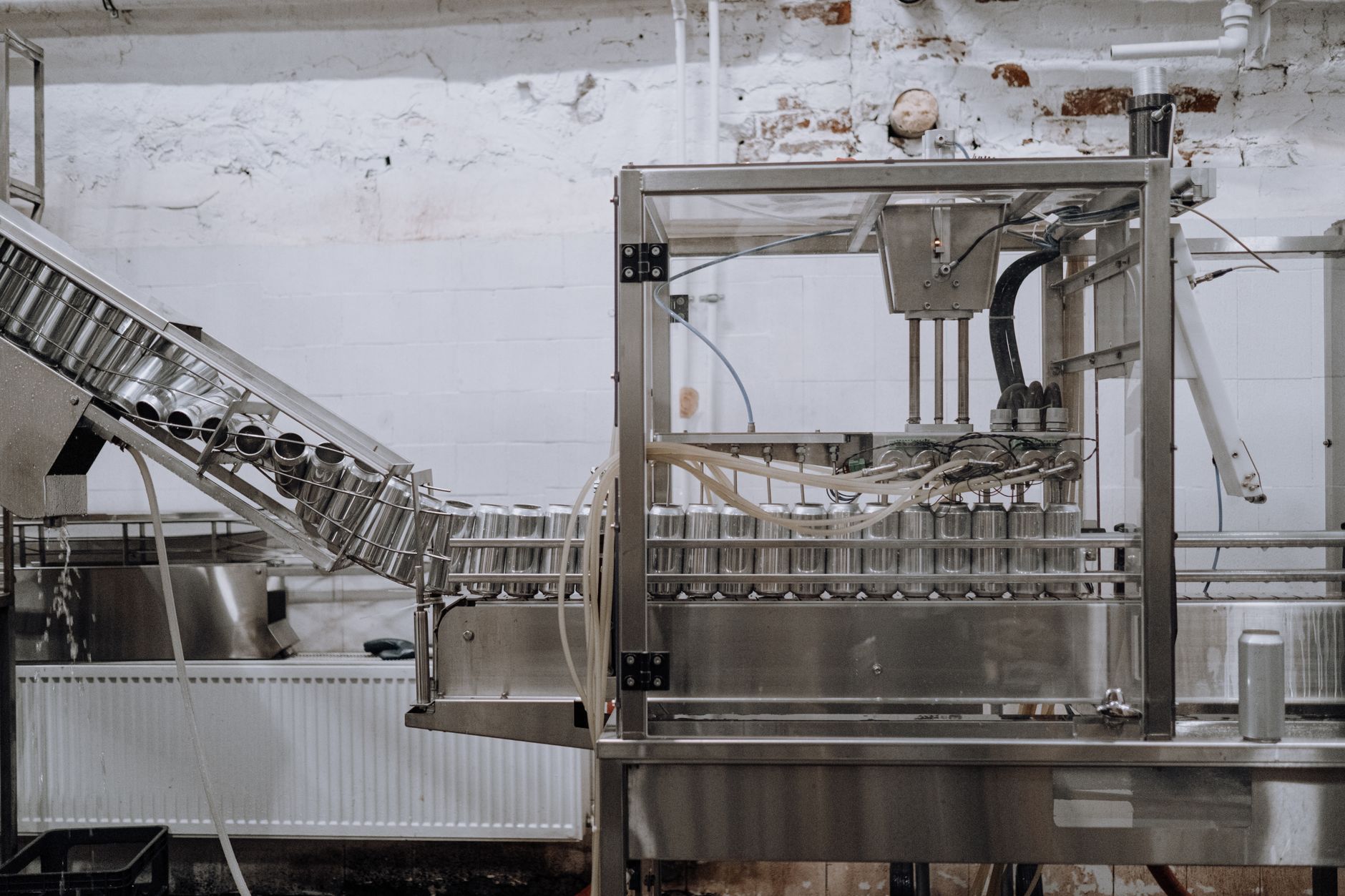
Pet treats are animal food under FDA current good manufacturing practice rules in 21 CFR Part 507. Section 507.19 requires buildings and equipment to stay clean and in good repair so product does not become adulterated. Food-contact surfaces must be cleaned, maintained, and when necessary disassembled for thorough cleaning.
Wet cleaning triggers extra steps. When you wet-clean contact surfaces, they must be thoroughly dried before the next production use when drying is necessary to protect the product. After any interruption where contact surfaces may have been contaminated, those surfaces need cleaning and sanitizing before restart.
Toxic materials such as sanitizers and lubricants must be identified, used, and stored so they cannot contaminate food, contact surfaces, or packaging. Pest exclusion and trash handling are part of the same sanitation picture, which is why integrators map robot pedestals, cable runs, and tool storage so they do not create harborage points above open totes.
How should you handle allergens and flavor cross-contact?
Treat lines often run chicken, fish, peanut, and dairy-adjacent flavors in the same shift sequence. Cross-contact risk sits in transfer chutes, hopper walls, vacuum manifolds, and the crevices of dual-durometer grippers.
Treat allergen changeovers like a mini validation event. Document which tools are dedicated, which surfaces get wet clean versus dry wipe-down, and how you prove removal of visible residue before the next flavor. A cobot helps because you can swap end-of-arm tooling as a controlled kit rather than asking an operator to guess which scraper reached every corner.
Scheduling matters. Running the highest-risk allergen last, or isolating it to a dedicated lane, reduces the number of deep cleans per week. Your quality team should sign off on the sequence, not the robot vendor.
What belongs in a weigh-orient-pack cell?
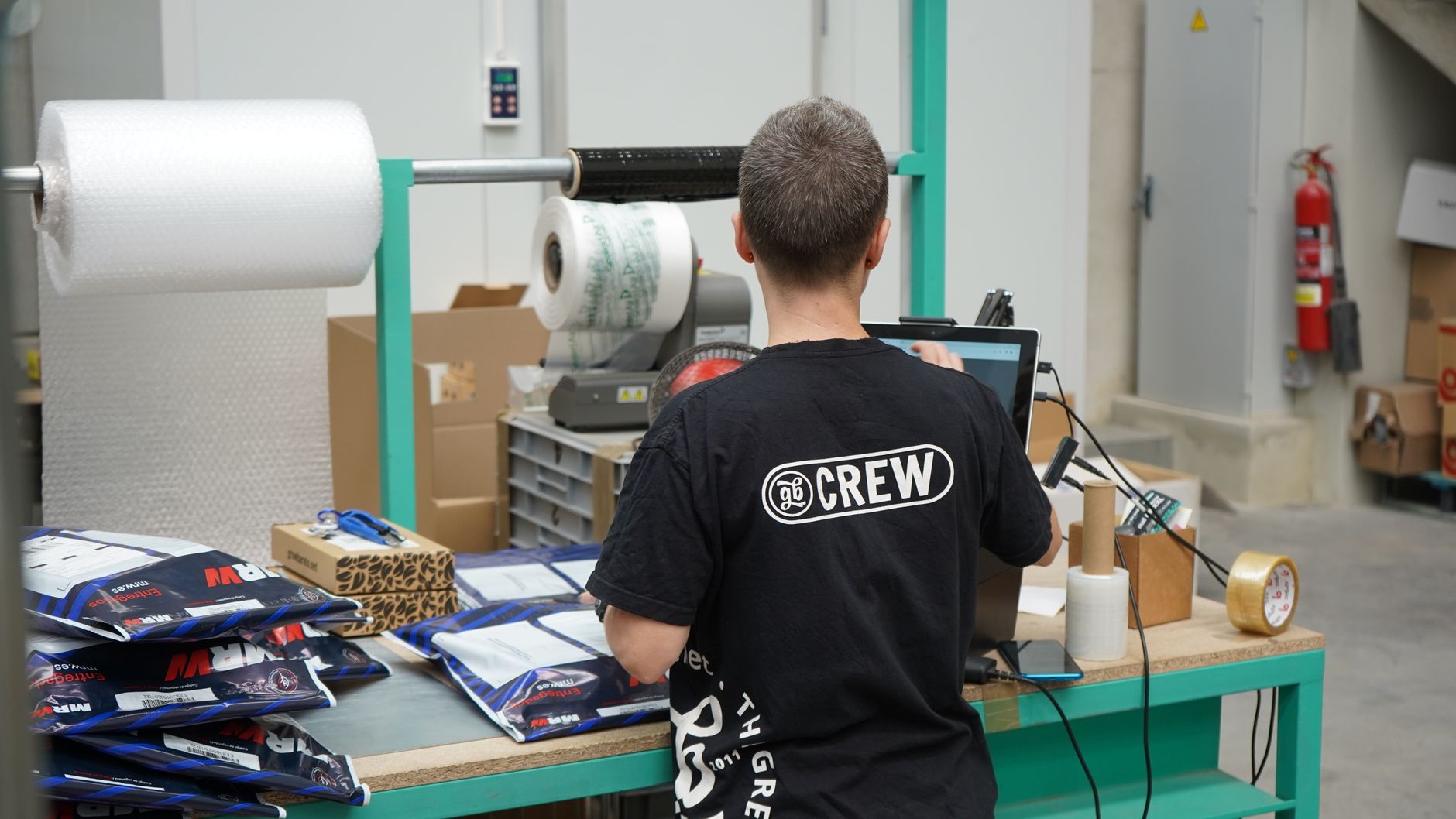
Most producers start with a bulk supply hopper or vibratory feed that singulates pieces without crushing them. A scale module or checkweigher feedback loop catches underfills before they become customer complaints.
Orientation often combines a short conveyor, a vision camera, and a simple mechanical aid such as a guide rail or a soft paddle. The cobot picks from a known pose or uses a limited adjustment window when pieces arrive slightly rotated.
Downstream placement into pouches or trays may use a secondary tool or a cooperative human station for final zip sealing on low-volume SKUs. Documented case work in pet food packaging shows collaborative arms picking labeled bags, reading printed codes, and applying front and back labels with vision-guided placement, which is the same control stack you need when treats require precise panel orientation.
How do oily surfaces and crumbs affect grippers and maintenance?
Vacuum cups fail first on dusty bakery treats unless you add relief paths and frequent strip changes. Soft-coated chews favor food-grade silicone fingers with a release stroke rather than hard vacuum.
Plan a shift-end routine: inspect tool pads, empty crumb trays, and verify that guard doors still interlock after vibration. Crumb buildup changes robot payloads in small but meaningful ways, which shows up as placement drift before it shows up as a scale reject.
Keep lubricants and cleaners on an approved list tied to 507.19 storage rules. A maintenance cart parked beside the cell is convenient for technicians and risky for auditors if bottles are unlabeled.
Where does Service Robot Co. fit a pilot?
Service Robot Co. is a vendor-neutral integrator: we select arms and peripherals across manufacturers, then finance, deploy, train, and service through a nationwide engineer network. For pet treat producers, that means one partner owns site assessment, integration, spare tooling strategy, and remote triage instead of splitting blame between an OEM and a local installer.
A practical first project scopes one treat format and one package type, runs acceptance tests on your actual bulk lot, and only then expands SKUs. Cobot rental or month-to-month lease paths let you prove oil handling and allergen changeover time on the real floor before capital approval.
What should you validate before calling the cell production-ready?
Run consecutive batches at target rate with forced stops to prove sanitation restart steps are realistic, not binder fiction. Capture scale Cpk or reject rates by SKU and tie them to vision false rejects so you do not chase the wrong sensor.
Stress-test changeovers: measure minutes from last good piece of flavor A to first good piece of flavor B, including tool swap, wipe-down, and line clearance sign-off.
Train operators on three tasks only: normal start, graceful stop, and safe clear of a jam without defeating guards. Everything else belongs in a written centerline document your QA team owns.