Key takeaways
- Unload cobots pay back when laser uptime waits on the same operator to pull nests, sort parts, and clear skeletons every cycle.
- Sharp edges and burrs demand grippers, nests, and paths tested on production scrap, not demo blanks.
- Part identification belongs in the unload step when mixed nests feed different downstream cells.
- Machine utilization rises only if the cobot cycle fits inside the laser cut time plus safe door motion.
- A vendor neutral integrator can pilot one bed before you expand cobot rental across a second shift.
When does a cobot belong at laser unload?
Commercial laser cutters often sit idle while someone pulls finished parts, stacks them, and clears the skeleton before the next sheet loads. That pause is tolerable on short runs. It hurts when the same nest geometry repeats across two shifts and the laser could cut another sheet if unload kept pace.
A collaborative robot arm fits when the bed or transfer station presents parts in a predictable plane and the reach envelope clears the door and table edges every cycle. The cobot removes cut pieces and skeleton sections, places them in labeled nests or carts, and signals the laser when the bed is clear. It does not replace your nesting software or the engineer who owns cut parameters.
Cobots are a weak default on one-off art panels, thick plate that needs a crane, or jobs where every nest is unique without locators. They earn hours on contract fab lines, appliance blanks, enclosure panels, and other work where the same material thickness and tab style run all week.
Why is laser unload harder than moving a flat blank?
Nested parts share micro-joints, heat-affected edges, and burrs that snag vacuum cups and pinch fingers. A part that releases cleanly on the first sheet of the day may stick after the table warms or after assist gas changes surface oxidation.
According to the U.S. Bureau of Labor Statistics, manufacturing reported 355,800 total recordable injury and illness cases in 2023, with 224,400 cases involving days away, restriction, or transfer. Laser and press-brake areas contribute through cuts, strains, and repetitive reaches even when the root cause is tooling, not the robot.
Unload automation works when gripper choice, part orientation, and reject paths are documented before anyone teaches on live production. Guessing suction on oily mild steel is how you drop a nest into the scrap bin.
How should tooling handle sharp edges and nested geometry?
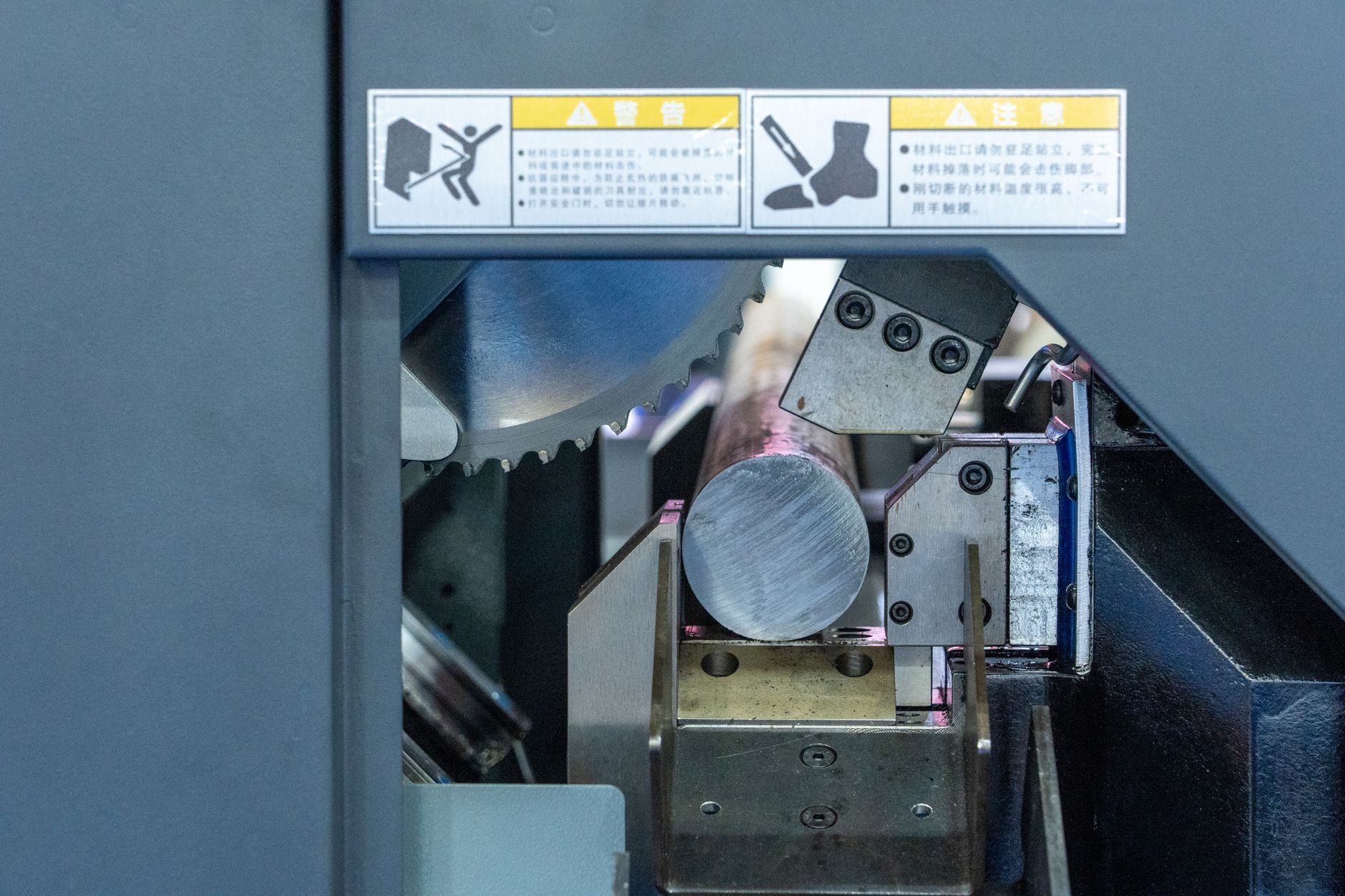
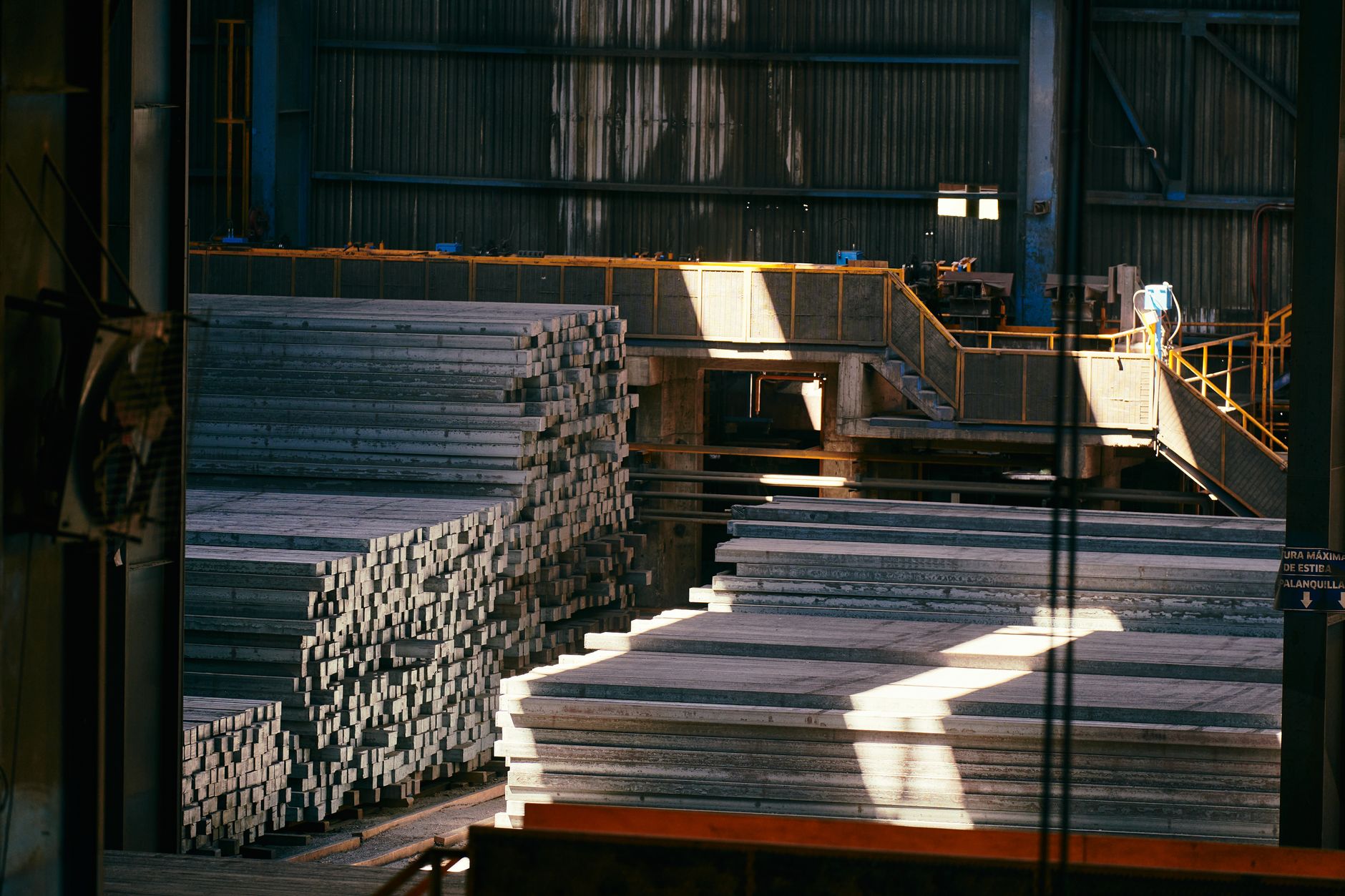
Vacuum cups need foam or skirt designs matched to part size and pierce density. Small interior cutouts may need pin arrays or magnetic assist on ferrous sheet within your safety review. Skeleton removal sometimes needs a separate sequence from part pick so the arm never drags a sharp slug across finished faces.
Teach paths on parts with real burr and tab break quality from the floor, including sheets that sat overnight and parts that bow slightly from heat. A five millimeter lift at pick can prevent scoring the bed on drop.
Mixed nests benefit from vision or barcode read at unload when the same sheet feeds different downstream routes. Confirm identity before placing a part in the wrong weld cell cart.
- Define pick order so large parts release before skeleton flex moves small pieces.
- Keep a manual quick-release path when vacuum fails mid-cycle.
- Stage cut-test coupons whenever nozzle wear or assist gas changes.
What cycle time target actually improves machine utilization?
Count door open, table exchange if present, unload, and ready signal together. If unload runs longer than cut time on your common nests, you still gain ergonomics but not extra sheets per hour. Batch unloading two small nests per stop only works when quality accepts temporary staging on the bed.
Parallel human tasks can shrink perceived wait when the cobot clears parts while the operator loads the next sheet on a shuttle. The goal is to remove the laser from the critical path, not to eliminate people from the cell.
Cobot rental for manufacturing with maintenance included lets you measure true cycle data on operating budget before you buy a second arm for the night shift.
How do you keep operators safe at a shared laser cell?
Risk assessment should cover door interlocks, reduced speed during teach, and clear zones when the laser is cutting versus when only the cobot moves. Never bypass table locks to save seconds.
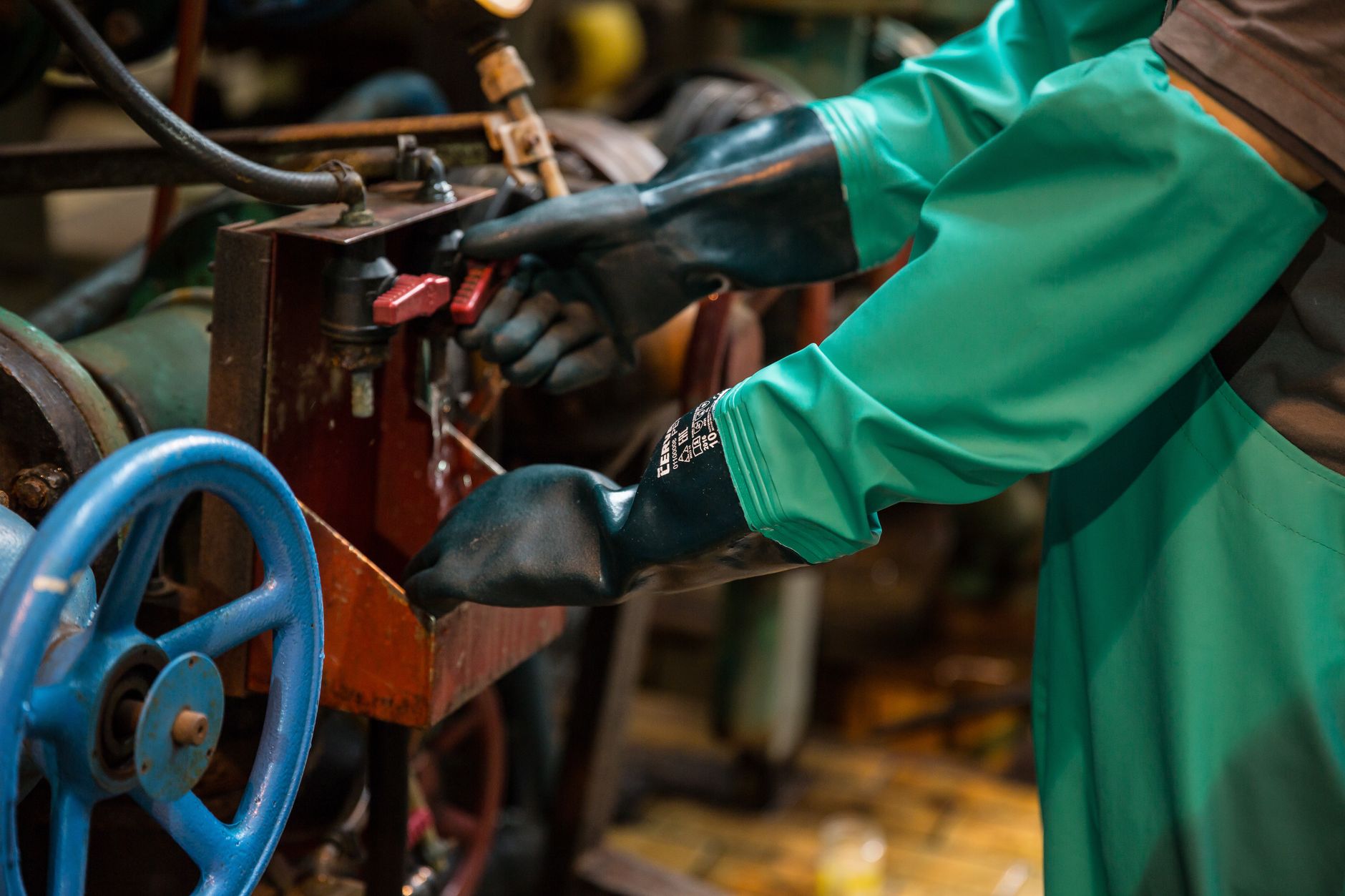
Sharp part handling still needs cut-resistant gloves at the manual staging bench even when the robot does most picks. The cobot should not present burrs toward the aisle at head height.
Document who owns E-stop recovery and how to restart mid-sequence without duplicating picks that already landed in the good bin.
What should the cell log for quality and traceability?
Each cycle should tie sheet ID, nest program, pick count, and any failed vacuum events to the lot your MES already tracks. When a customer returns a bad bend, you need to know which unload shift stacked that bucket.
Reject bins for parts dropped or mis-sorted should be counted separately from laser cut scrap. Unload errors often trace to gripper wear before they trace to beam alignment.
How do you validate a pilot without fooling yourself?
Run side by side with manual unload on the same nest mix for at least one full production week. Track laser ready-to-cut time, dropped parts, and table damage separately. A robot that never drops a part but adds thirty seconds per cycle may not survive.
Include a deliberate stuck part and a thin skeleton in the daily startup check. If the cell cannot recover cleanly on the first shift, do not trust it on the tenth.
When does outside integration beat adding another operator at unload?
Shops often add a second hand at the table before they fix nest tab design or standardize gripper kits. Service Robot Co. acts as a full service commercial robot integrator for U.S. fabricators. We are OEM neutral on arms, vacuum, and safety, then finance, deploy, integrate, train, and service through a nationwide engineer network.
A first site visit maps bed type, material range, and where skeleton handling must stay manual. One laser line with repeatable nests is enough to prove cycle time and drop rates before you tie the cell to customer on-time metrics.