Key takeaways
- Coffee packing cobots earn hours when bag size and SKU mix repeat but hand sealing and labeling blur at roast-day pace.
- Roast dust and chaff demand extraction and gripper hygiene more than raw cycle speed.
- Food safety rules still own contact surfaces, allergen changeovers, and release even when the arm moves the bag.
- Frequent product changes need program libraries keyed to SKU, not a full re-teach every morning.
- A vendor neutral integrator can pilot one bagging lane before you expand cobot rental across a second roast day.
Where do cobots actually help in a specialty roastery?
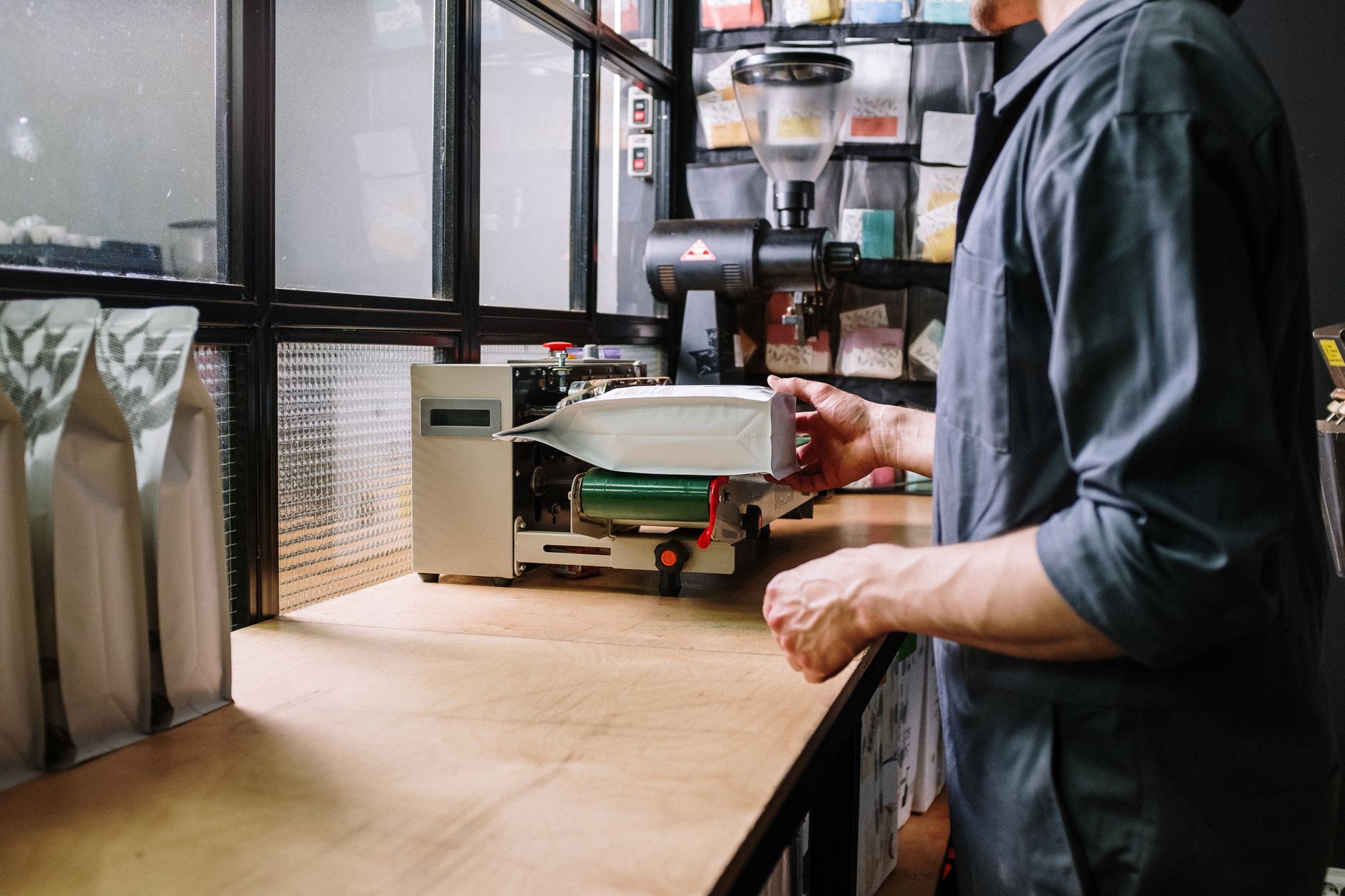
Small roasters often weigh, fill, seal, label, and case-pack on the same bench while steam, dust, and customer orders compete for the same two hands. Manual packing works until a retail SKU mix turns the same mislabel into a full recall conversation.
Collaborative robot arms fit when bags present in a stable nest and the seal station accepts a repeatable handoff. The cobot can orient a bag, support gross fill from your existing scale, transfer to a heat sealer, apply a label, and place finished units in a case flat. It does not replace your roast profile or the Q grader who signs release.
Cobots are a weak default on single-origin gift boxes that change daily or volumes so low that setup time eats the shift. They earn hours on wholesale kilo bags, subscription mailers, and cafe retail SKUs that run every roast day.
Why is bag variability harder than it sounds?
Kraft, foil, and compostable films stiffen differently after fill. One-way valves and tin ties change how the mouth opens for the next scoop. A program tuned on Tuesday’s bag can mis-pick when humidity shifts the fold.
According to the U.S. Bureau of Labor Statistics, manufacturing reported 355,800 total recordable injury and illness cases in 2023, with 224,400 cases involving days away, restriction, or transfer. Food and beverage packing still contributes through repetitive wrist motion and pinch points at sealers even when the product is soft.
Automation works when engineering documents acceptable fill weight band, seal dwell, and reject paths before anyone teaches on live roast. Letting the arm guess on underfill is how you automate customer complaints.

How should tooling handle dust, chaff, and food safety?
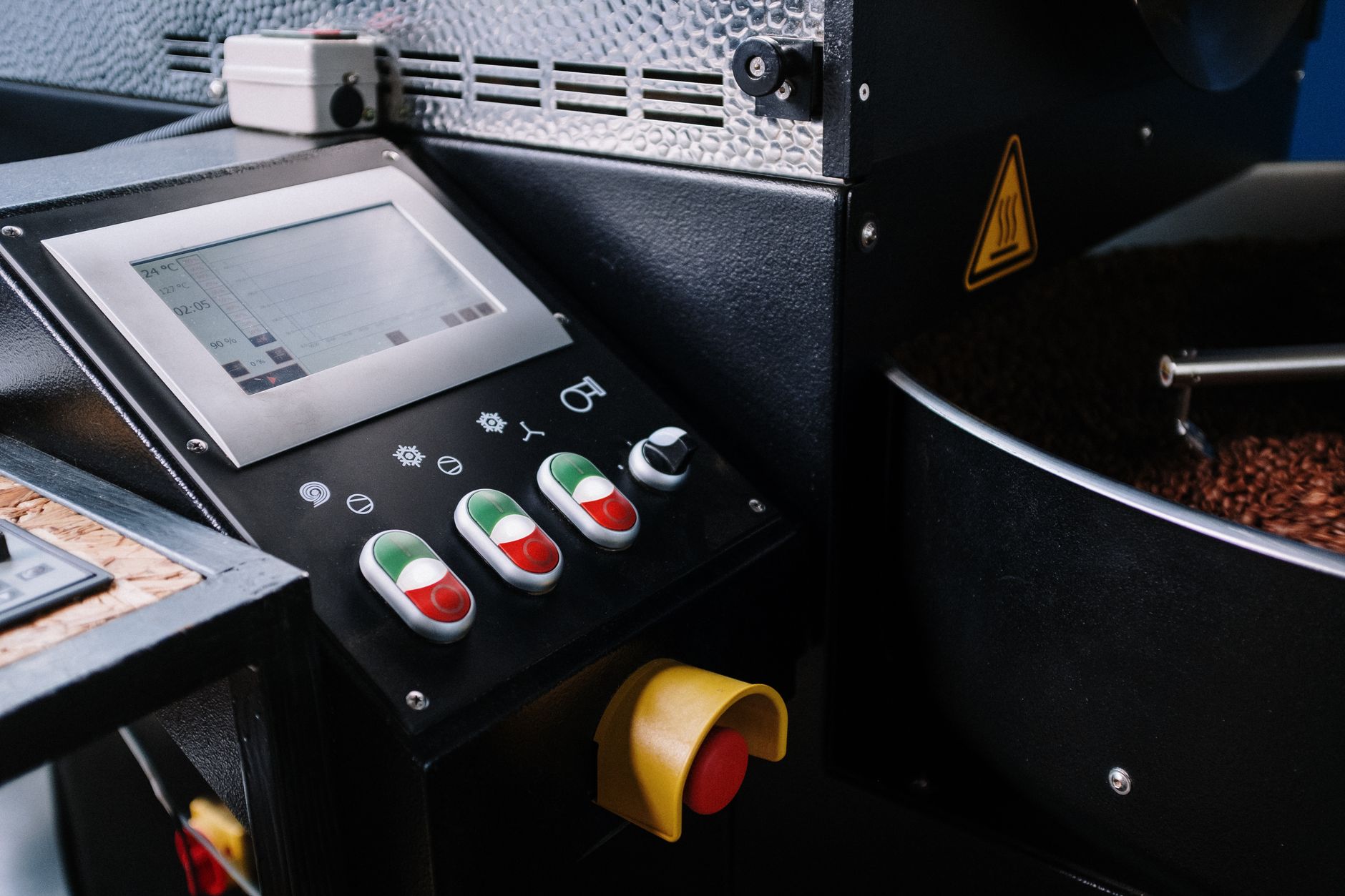
Roast dust collects on vacuum cups and label sensors faster than on assembly lines. Plan wipe-down intervals, tool wash compatibility, and air quality so electronics stay out of the bean stream.
Contact surfaces should match what your food safety plan already approves for manual packing. Separate tools for decaf or flavored SKUs when allergen control requires it, and log changeovers the way you would for a manual bench.
Keep scales and fillers as the source of truth for weight. The cobot presents and transfers. It should not override a scale fail.
- Define chaff pickup points in the risk assessment.
- Verify label adhesive after hot fill and steam exposure.
- Quarantine mislabeled units before case close.
How do frequent product changes stay manageable?
Subscription rotations and seasonal blends swap art, weight, and case count weekly. Program libraries keyed to SKU bar codes beat re-teaching from scratch when Monday returns to a house blend.
Document who approves a label art change when marketing sends a new file. A cobot running last week’s label on this week’s roast is a brand problem, not a robot fault.
Cobot rental for manufacturing with maintenance included lets you measure true changeover minutes through a peak holiday on operating budget before capital buys a second arm.

What cycle time target fits modest production volumes?
Count fill wait, seal dwell, label apply, and case placement together. If the robot waits on the scale more than it moves, you still gain consistency but not extra bags per hour. Parallel human tasks can shrink queue time when someone loads the next case while the arm seals.
Batching two bags per stop only works when quality accepts brief staging on the bench. The goal is to remove the seal-and-label bottleneck, not to eliminate roasters from the room.
What traceability should the cell record?
Each unit should tie lot, roast date, SKU, scale reading, seal time, and label version to what your traceability program already expects. When a cafe reports a weak seal, you need the shift and program ID, not a guess.
Reject bins for underweight or mislabeled bags should be counted separately from roast quarantine. Failures often trace to sealer wear before they trace to the arm.
How do you validate a pilot without fooling yourself?
Run side by side with manual packing on the same SKUs for at least one full roast week, including your busiest cafe delivery day. Track mislabels, weak seals, and bags per hour separately. A robot that never mislabels but adds thirty seconds per bag may not survive.
Include a deliberate underfill and wrong SKU in the daily startup check. If the cell cannot reject both on the first shift, do not trust it on the tenth.
When does outside integration beat adding another packer on roast day?
Roasteries often hire seasonal help before they fix bag nests or standardize label rolls. Service Robot Co. acts as a full service commercial robot integrator for U.S. food producers. We are OEM neutral on arms, grippers, and vision, then finance, deploy, integrate, train, and service through a nationwide engineer network.
A first site visit maps bag types, scale interfaces, and where human cupping and release must stay final. One SKU family on one lane is enough to prove mislabel and seal data before you tie the cell to wholesale scorecards.