Key takeaways
- Chaff is primarily a fire and dust hazard, and oily residue is a slip and grime problem that also builds up around equipment.
- Floor robots suit open, dry aisles and packing halls, not the roaster drum, chaff collector, exhaust path or hoppers.
- Map roaster clearances, extinguisher locations and hopper footprints before any robot runs.
- Oil needs a scrubber with degreasing capability, and dust should be swept before it is scrubbed.
- A site assessment sets the scope and the fixed lease payment, so the quote matches the floor that will actually be cleaned.
Can a cleaning robot work on a roastery floor?
Yes, for the open floor. A floor scrubber or sweeper can take over the repetitive passes through roast floor aisles, green bean receiving, packing rooms and shipping lanes. It cannot reach the part of the roastery that carries the most fire risk, which is inside the roaster, its chaff collector, its exhaust path and its ductwork.
Chaff and oil are different problems. Chaff is fuel and a dust hazard. Oily residue is a slip, hygiene and grime problem that also builds up on equipment and feeds back into fire risk. A sound plan keeps the robot on the floor and keeps equipment cleaning on a separate, staffed schedule.
Why does chaff on the floor matter for fire safety?
Chaff burns easily. Urnex says a dirty roaster can be a fire hazard because coffee oils and chaff are highly flammable, and that the chaff collection chamber keeps chaff away from flames and heat. CoffeeRoast Co. states that chaff accumulation is the leading cause of commercial roaster fires and describes an industry standard of emptying the chaff collector every 3 to 5 roasts. Brewspace recommends emptying it daily. The two intervals differ, so confirm yours against the roaster manual and your insurer's requirements.
The incident record backs up the concern. According to Dust Safety Science, a fire started in a bean roaster at a Maxwell House plant in Jacksonville, Florida, on June 16, 2021. Firefighters put it out promptly and no injuries were reported. The cause and fuel were not confirmed.
Dust is a separate hazard. Torch Air says coffee dust is classed as a material that can create a Class II hazardous explosive atmosphere, and that roasted-bean dust contains a higher share of fine particles than green-bean dust. The same vendor cites a widely accepted figure that explosion risk drops significantly when dust moisture exceeds 16 percent. Treat that as a vendor-reported number, not a design value.

Where do floor robots fit in the roastery workflow?
Robots fit where floors are open, dry and repeatable. Sproutmation says dry-floor corridors and packaging halls make up most cleanable area in many facilities. Its ROI example assumes 130,000 square feet of robot-appropriate floor in a 200,000 square foot plant, or 65 percent. That is a vendor model, not a roastery measurement, but the pattern holds: a roastery's packing area and aisles are often its largest open run.
Several jobs stay with people or specialist crews:
- The roaster drum, chaff collector and exhaust path, which need scheduled manual service
- Hoppers, tanks and enclosed production equipment, which Sproutmation says robots cannot enter
- Grease traps and pressure washing of process lines, which Sproutmation says robots cannot do
- Gas-side equipment and fire extinguisher checks, which stay with maintenance staff
What kind of scrubber handles roasting oil?
Oil needs a different machine than dust. Sproutmation says industrial-grade scrubbers are designed for oil, grease and coolant residues, using heavy-duty brushes and degreasing solutions. That is a vendor-reported claim, so test it on your own oily patch before you commit. Brewspace adds a point that matters for roasteries: the drum and exhaust path need heavier industrial degreasers than a café uses.
Sequence matters. Gausium says running a scrubber over dust turns debris into slurry, which is why its guide pairs scrubbers with a separate sweeper that does not scrub. Gausium lists its Marvel scrubber at 55 kg of cleaning pressure for oil and grime, with a 60 Ah LFP battery that runs 4 to 8 hours, per the vendor. Check that runtime against your shift length, not the top of the range.
How should you plan around roasters and bean hoppers?
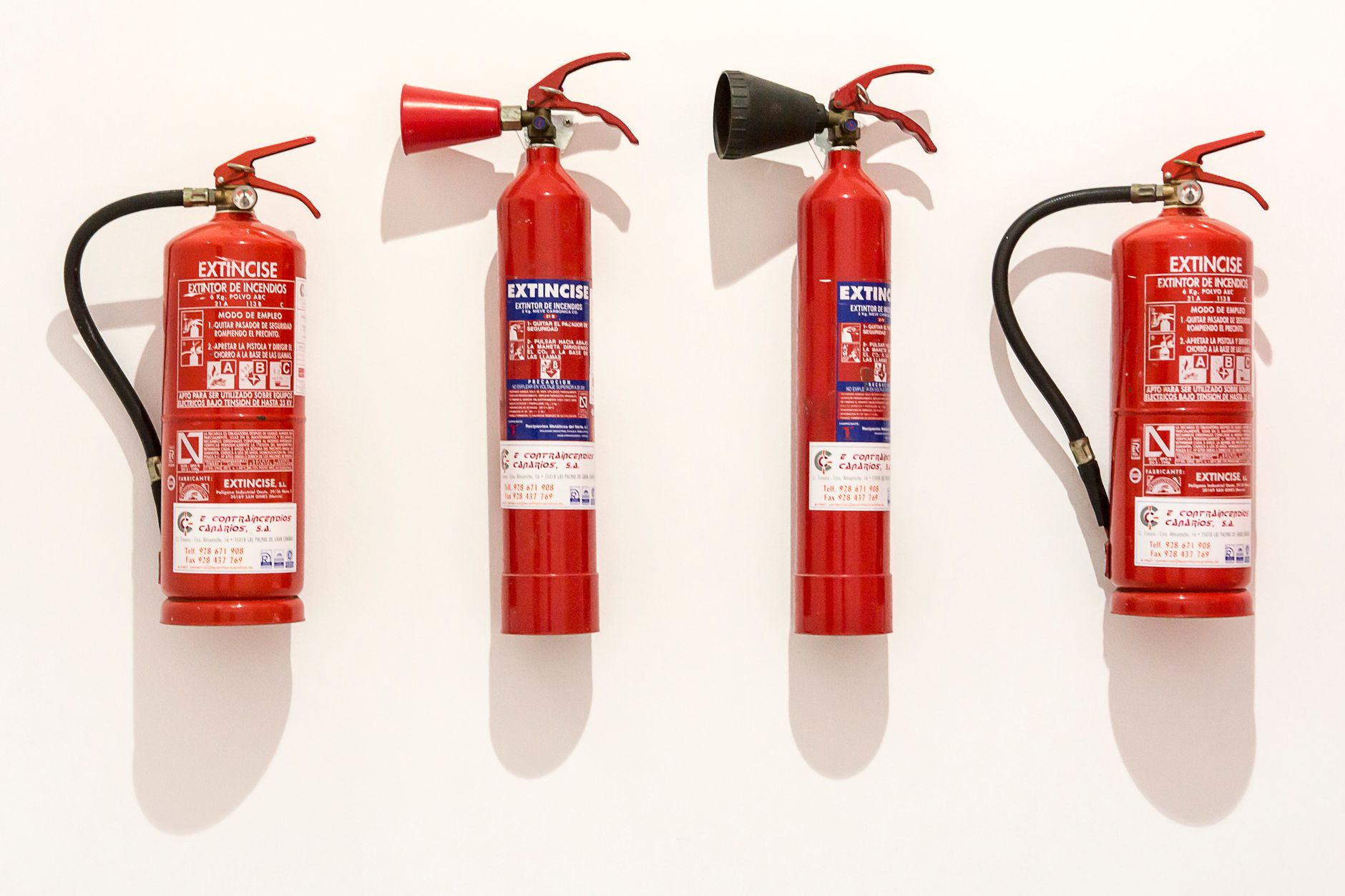
Map before the robot runs. Genio Roasters advises a CO2 extinguisher within 2 meters of the roaster and notes that powder extinguishers leave residue that is hard to clean. Mark the extinguisher, the roaster's service clearance and every hopper footprint as no-go or manual zones on the floor map. A mapping error near a gas line costs far more than an uncleaned aisle.
Traffic and charging need the same care. Keep dock locations out of the paths that carry green bean totes and forklifts. Run the robot after the roast shift ends, when chaff has settled, and let the sweeper clear dry debris before the scrubber passes over the same ground.
What should a roastery floor map show?
A useful map goes beyond walls and aisles. It records where each cleaning job begins and ends, so the robot and crew do not overlap.
- Chaff collector and roaster locations, with service clearance and the cleaning interval for each
- Hopper and green bean staging footprints, marked as no-go zones
- Extinguisher positions and the paths to reach them
- Packing and shipping lanes, with the times they carry the most foot traffic
- Drains, grease traps and wet process areas that stay on the manual schedule
Where does Service Robot Co. fit in?
Service Robot Co. is a full-service commercial robot integrator for US businesses. We are OEM-neutral, so we match a floor and a roastery's workflow to robots from several manufacturers rather than working from one catalog. We lease robots through financing on a 3-year lease, with one fixed payment quoted after a site assessment. We then deploy, integrate, train and service each unit through a nationwide US engineer network.
For a roastery, the site assessment is where chaff zones, hoppers and extinguisher clearances get mapped and the scope gets drawn. The fixed payment then reflects the floor that will actually be cleaned. We will not scope a robot for the drum or the duct. Equipment cleaning stays with your crew.
Frequently asked questions
Sources
- Urnex: 12 coffee roaster cleaning tips
- CoffeeRoast Co.: How to clean your commercial coffee roaster
- Brewspace: The essential maintenance guide for every specialty coffee roastery
- Genio Roasters: Fire prevention in coffee roasteries
- Torch Air: Coffee dust collection
- Dust Safety Science: Coffee roaster fire in Jacksonville, Florida
- Sproutmation: Manufacturing solutions
- Sproutmation: Manufacturing facility cleaning robots guide