Key takeaways
- Pool patrol robots detect and report. They do not rescue swimmers, lock gates or replace the barrier.
- Check the ingress rating for splash and washdown exposure, not immersion alone, and keep patrol routes away from hosing schedules.
- A barrier at least 4 feet high, a locking gate and adequate lighting are the baseline a patrol should verify on every pass.
- Use tiered alerts so the on call person receives verified events rather than every shadow on the deck.
- Test the alert path at 2 am with a dummy event before go live, and time how long it takes to reach a human who can act.
What should a pool patrol robot do overnight?
A community pool or aquatic center can use a security robot to patrol its deck, locker rooms and gates overnight. The robot earns its place by detecting and reporting, not by intervening. It cannot pull anyone from the water and it cannot latch a gate. Its value is a repeatable walk, a timestamped record and an alert that reaches a person who can act.
Three things decide whether a patrol works: what the robot may enter when the deck is wet, what its sensors can really see after dark, and how an alert travels to the on call staff member who must respond. Each is a pool specific problem, and each is far easier to settle before a unit rolls onto the deck than after.
Why overnight pool hours carry their own risk
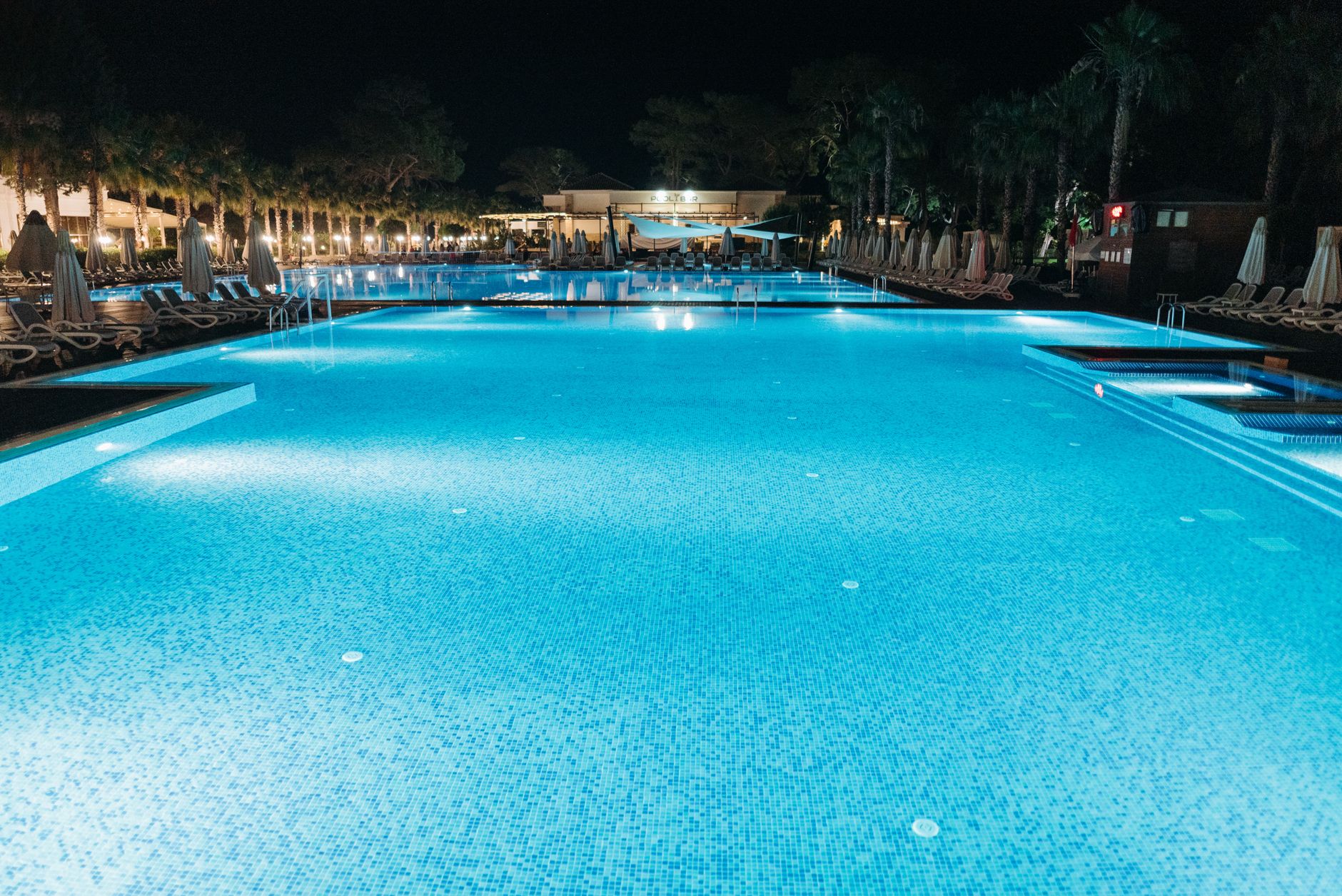
Nighttime is a recognized risk period. According to Water Wise Kids, nighttime and evening hours are associated with elevated drowning risk in residential pool settings. The same source says the National Drowning Prevention Alliance specifically identifies unsupervised nighttime pool access as a high risk scenario.
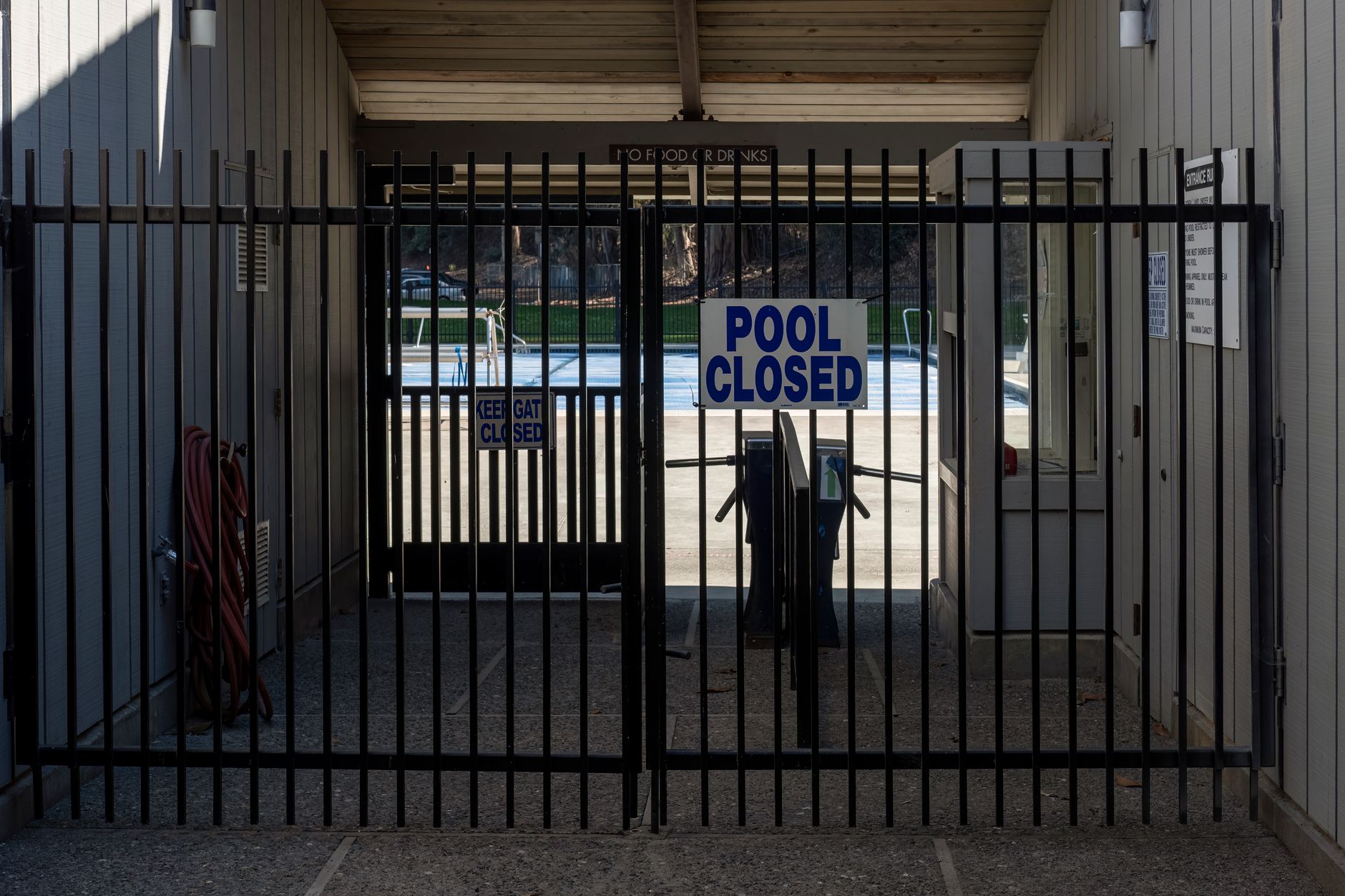
Community pools add a twist. Water Wise Kids notes that key card and keypad pools let children reach the water with no attendant present. A gate that opens on a code is only as good as its lock and its access record, so the patrol plan should treat gate status as a monitored condition, not an assumption.
What pool codes already require before a robot patrols
A robot does not replace the barrier. It checks the barrier. A New York childcare regulator notice describes typical required barriers as a fence or barrier that measures at least 4 feet from the ground or deck and surrounds the pool, along with a locking gate to the pool area. Those are the conditions a patrol should confirm on each pass.
Lighting is the other item. A New York State Department of Health swimming pool safety plan form states that adequate emergency lighting must be provided where night swimming is allowed, and at indoor pools where no natural light is present. It also says underwater lights must allow an observer on deck to clearly see the whole pool, including the bottom. The form is roughly 15 years old by its listing metadata, so confirm current rules with your local health authority, but the principle holds: deck and water need light that a camera can use.
Where do wet areas stop a patrol robot?
Ingress ratings are the first filter. According to Getac, IP67 means complete dust protection and temporary water immersion resistance up to 1 meter for 30 minutes. That suits a robot that might splash through a puddle on the deck. It is not a rating for a hose.
A camera vendor guide notes that IP67 and IP68 are rated for submersion, but neither is tested for high pressure jets. Pool decks get hosed down and locker rooms get cleaning sprays, so the patrol plan needs a written rule for what the robot must avoid during washdown. Ask the vendor for the rating of the exact unit you will lease, not the model family.
Route design matters as much as the rating. Keep the robot off the pool edge, away from standing water and drains, and schedule night cleaners and washdown crews so they do not share the same aisle as the patrol. Ask the vendor which units are rated for splash exposure and which for submersion, because those answers can differ.
What can a sensor see on a deck, and where does it go blind?
One platform used in security patrols is the Knightscope K5. According to a HelloGard listing, the K5 carries 6 LiDAR sensors and 13 sonar sensors, four cameras that deliver 360 degree 4K video, and LTE connectivity, with a top speed of 3 mph. The listing describes indoor and outdoor operation with thermal imaging. It is a reseller page, so check any specifics against the manufacturer's own material before writing them into a bid. The listing does not give an IP rating, so request one in writing.
Spec sheets do not answer the pool question. Wet tile, glare off standing water and steam in a locker room can all degrade a camera or a range sensor. Ask for a live night demonstration on your deck, under the lights you actually run, and have the vendor show detection of a person lying still near the edge, not only a clean run in daylight.
How should after hours alerts reach the on call staff?
The robot is only as useful as its alert path. Cobalt describes an indoor patrol platform that detects anomalies, verifies threats and escalates to a team in seconds. Its published model auto clears non critical events and sends confirmed threats to its specialists with full context. That tiered approach is worth copying, even with a different vendor.
Design three tiers before go live. Routine events, such as a gate reading open at a scheduled time, should be logged and cleared automatically or confirmed by the on call phone in a few seconds. Anything the system cannot verify, such as a person near the water, goes to a named responder with video clips attached. Anything involving the water itself, or a fire, must never depend on the robot alone to summon help. The on call staff member and the emergency plan handle that, and the plan should follow local fire and emergency rules.
Then test the route. Trigger a dummy event at 2 am and time the path from robot to phone to responder. A page sent to a shared mailbox or to a manager who is off shift will die there. The opposite failure is alert fatigue: a robot that pages for every shadow will be muted within a week.

How should the patrol route and handoff be set up?
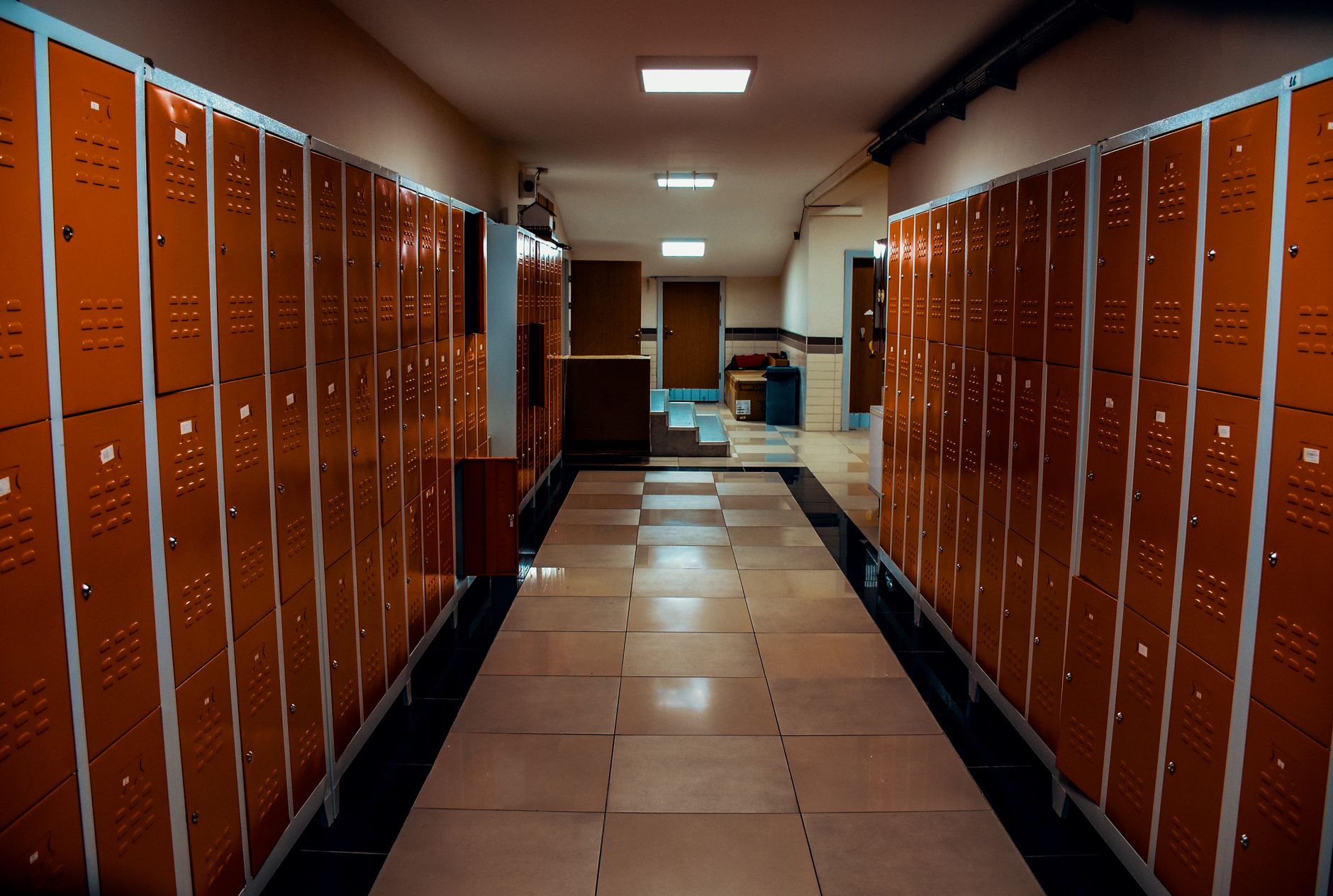
Start with a site assessment that maps the deck, locker room corridors, every gate and the water edge. Mark the no go zones around the pool before the first run. The route should cover the fence line, check each gate and locker room door, and return to a charging dock off the deck. Log every pass with timestamps and images so the morning lead can review what happened without reading every alert.
This is where integration matters. Service Robot Co. is an OEM neutral robot integrator. We lease robots on a 3 year lease with one fixed payment quoted after a site assessment, and we handle selection across manufacturers, deployment, integration, training and service through a nationwide network of US engineers. For a pool, the work that matters most is the gate status feed where the access system allows it, the alert routing and the written washdown rules. Those are not hardware features, and they are the parts most often left out of a rollout.
What a patrol robot does not replace
A robot does not supervise swimmers. It does not stop a child who climbs a fence, check water chemistry or sound a rescue. The barrier, the locking gate, the lighting and a trained on call staff member remain the primary controls. The robot covers the gaps between human rounds and creates a record that a paper rounds sheet seldom matches.
Frequently asked questions
Sources
- Water Wise Kids: Nighttime Pool Safety
- Water Wise Kids: Community Pool Safety Rules
- New York State DOH Swimming Pool Safety Plan Form (DOH-4472)
- Child Care Solutions CNY: Safety Awareness Notifications
- Getac: IP Rating Certifications
- Tapo: IP Ratings for Security Cameras Explained
- HelloGard: Knightscope K5
- Cobalt: Security Robots