Key takeaways
- Maintenance delivery robots fit repeat parts runs between shops, pool rooms, and villa clusters.
- Outdoor grade, rain enclosures, and traction matter as much as indoor elevator integration.
- Guest-facing routes need quiet speed caps, signage, and staff escort rules at choke points.
- Secure lockers or coded handoffs keep HVAC and pool chemicals out of open carts.
- Vendor-neutral integrators finance pilots, map dispatch coverage, and service fleets nationwide.
Who needs delivery robots on a maintenance campus?
Large resorts run like small cities. Engineering shops sit far from pool equipment rooms, villa clusters, and grounds barns. When a pump seal or filter cart is missing, the wait is measured in guest complaints, not minutes.
Delivery robots fit the repeat runs: filters, belts, plumbing kits, light tools, and PPE between known pickup and drop points. They are not a substitute for skilled trades. They remove the walk that pulls a technician off a repair.
If your campus already texts work orders, you have the spine for robot dispatch. The open question is whether routes, weather, and guest traffic allow reliable autonomy without constant babysitting.
How is a resort route different from a hotel back-of-house loop?
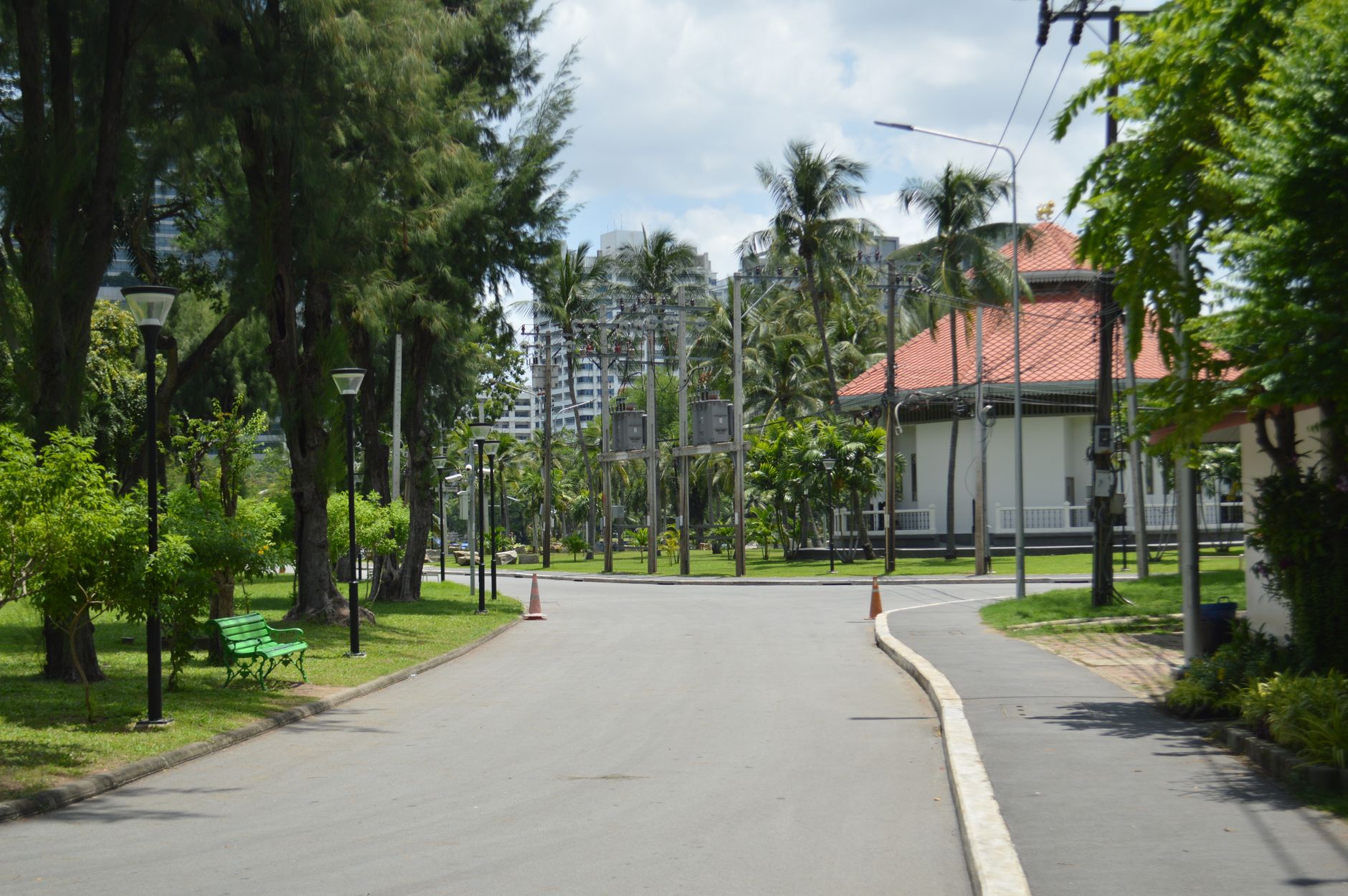
Resort maintenance spans indoor shops, covered walkways, service tunnels, and outdoor paths between buildings. Grade changes show up at villa hills, bridge links, and loading ramps behind the pool deck.
Weather is always in the plan. Rain slickens stamped concrete. Midday heat pushes battery performance on long outdoor legs. Salt air near coastlines accelerates wear on connectors if enclosures are thin.
Guest interaction is the other variable. Engineering robots should not share guest elevator banks during checkout rush. Many sites run separate service corridors, night windows, or escorted crossings at lobby choke points.

What payloads belong on a maintenance robot?
Start with sealed totes for small parts, not open trays. Pool chemical deliveries may need locked compartments and spill containment even for short trips.
Weight matters on ramps. Spec usable payload after the tote, bracket, and rain cover. A robot that stalls halfway up a villa service road becomes a traffic hazard.
Label everything. Maintenance SKUs look alike. Barcode or RFID on the tote should tie to the work order before the robot leaves the shop.
- HVAC filters and motor kits for villa clusters
- Pool pump seals, gaskets, and test kits
- Grounds consumables such as irrigation heads and fasteners
- PPE and lockout tags for after-hours rounds
How do you handle indoor and outdoor transitions?
Map transitions as their own zone type. Door sills, mat wells, and expansion joints throw smaller wheels. Outdoor segments need IP-rated bays for electronics and tread matched to wet concrete.
Wi-Fi and private LTE drop at tree lines and masonry corners. Plan hold points where the robot can pause without blocking a fire lane. Some campuses add outdoor repeaters on utility poles with facilities approval.
Lighting changes at dusk. Reflective markers and front lighting help drivers and guests see the unit on shared paths without startling anyone near the spa entrance.
What guest interaction rules actually work?

Publish simple behavior: the robot stops for people, never squeezes past strollers, and never enters a guest-only entrance without staff escort.
Train front desk and recreation staff on one sentence they can repeat when guests ask questions. Curiosity is fine. Touching moving payloads is not.
Keep branded uniforms off the robot. Neutral colors and clear maintenance markings reduce confusion with amenity delivery bots that carry food or towels.
How should secure handoffs be designed?
Open carts fail audits for chemicals and high-value HVAC modules. Use shop-to-locker flows: the robot docks at a coded locker outside the pool equipment room, then pings the on-duty engineer.
Dual authentication helps at villas. The robot arrives, the tech unlocks remotely, and the tote logs closed before the unit returns. Exception paths send the robot back to the shop if nobody acknowledges within a set window.
Separate totes for clean parts and returned cores so nothing contaminated rides next to a new seal kit.
How do dispatch and coverage stay honest?
Maintenance leaders need one queue, not a phone tree. Tie robot missions to CMMS or work-order tickets so priority follows guest impact, not whoever shouted loudest on the radio.
According to BLS Current Employment Statistics, U.S. accommodation employment averaged about 1.93 million jobs on a seasonally adjusted basis in mid-2025. Large resorts compete for the same skilled maintenance hires as every other property in that pool.
Define coverage hours explicitly. A robot that only runs day shift does not help the 2 a.m. pool leak. Either staff overnight charging and missions or admit the robot is a peak-season multiplier, not twenty-four-hour backup.
When does rental or lease beat hiring another runner?
Seasonal resorts face swing staffing every summer and holiday week. A delivery robot rental or month-to-month program lets you pilot one villa loop before expanding to grounds barn routes.
Maintenance-included contracts matter on salt-air campuses. Wheel wear, dock contacts, and lid seals need scheduled service, not break-fix when a storm week is forecast.
Service Robot Co. acts as a vendor-neutral integrator: pick indoor-outdoor units that fit your grades, finance through lease or rental, integrate dispatch with your work-order flow, and support the fleet through a nationwide field network. One partner keeps guest rules, shop training, and software updates aligned.
How should the first pilot be scoped?
Choose one high-frequency parts loop with stable hours, such as pool equipment room to main engineering shop. Run manual and robot deliveries in parallel and compare arrival timestamps against work-order close times.
Expand only after security and recreation sign off on shared paths. Include grounds leads, not just engineering, because golf cart traffic crosses more robot routes than maps suggest.
Review guest comment channels weekly during the pilot. A single confusing encounter at a spa crossing is cheaper to fix with routing than after a full fleet rollout.