
Key takeaways
- Give the union notice and a real chance to bargain before robot routes or affected work rules become fixed.
- Put represented employees inside route walks, risk assessments, trials, and incident reviews.
- Define task ownership, exception handling, training, and vendor boundaries before go-live.
- Measure the robot and the process first, and never turn ambiguous telemetry into automatic discipline.
- Use a reversible pilot with written decision gates, not a finished deployment presented as consultation.
Engage labor before the route becomes a fact
The practical answer is straightforward. Bring the union and represented employees into the project before routes, operating hours, staffing assumptions, and job responsibilities are finalized. Share the operational problem, the proposed application, the information collected during site assessment mapping, and the decisions that remain open. Then create a joint process for bargaining, safety review, task design, training, and pilot evaluation.
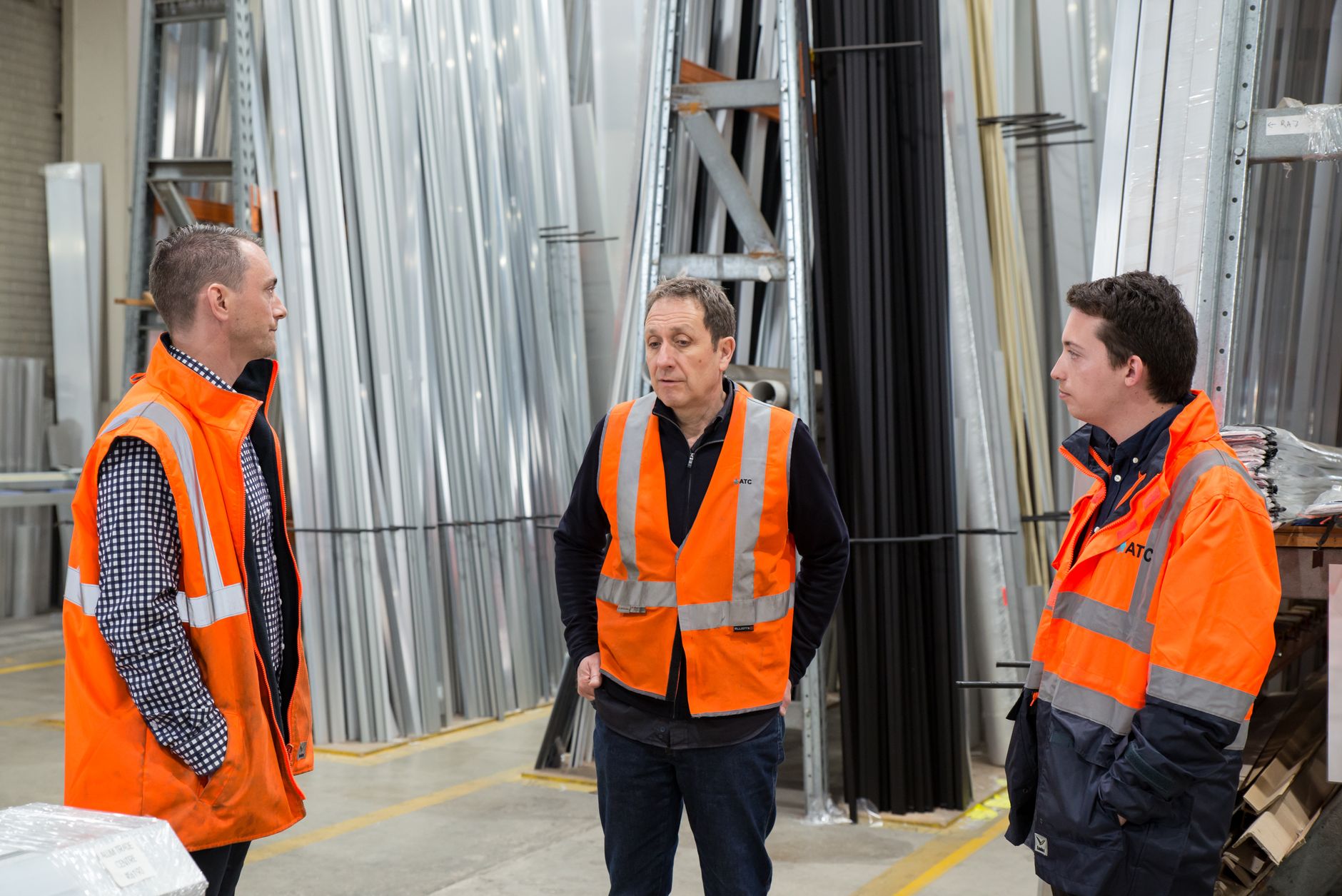
Do not arrive with a completed map and ask employees to endorse it. A credible process gives them influence while alternatives are still viable. Operators know where carts appear without warning, which intersections clog during shift change, which floor conditions defeat traction, and which unofficial tasks keep the operation moving. That knowledge belongs in robot deployment and integration from the start.
Management should review the collective bargaining agreement and applicable law with labor counsel. For most private-sector employers, the National Labor Relations Act requires good-faith bargaining over wages, hours, and other terms and conditions of employment. The bargaining duty is fact-specific, but a robot project can affect assignments, schedules, safety practices, training, workload, seniority, and discipline. Those effects cannot be treated as an afterthought.
Why labor engagement belongs in the operating plan
This is not a niche concern. According to the U.S. Bureau of Labor Statistics, 16.486 million wage and salary workers were represented by a union in 2025, equal to 11.2 percent of that workforce. Representation includes union members and nonmembers whose jobs are covered by a union or employee-association contract. The rates were 8.4 percent in manufacturing and 14.1 percent in transportation and material-moving occupations.
Those figures matter because warehouses, plants, hospitals, utilities, campuses, and public facilities often have mature classifications and carefully negotiated work rules. A proposal for repetitive transport automation may alter who moves a cart, who clears a blocked route, who performs daily inspection, and who calls an outside technician. Each detail can touch bargaining-unit jurisdiction.
The National Labor Relations Board says employers may not make unilateral changes to mandatory subjects during a collective bargaining agreement unless a recognized exception applies. It also says some operational decisions may not themselves require bargaining, depending on the facts and the employer's reasons, while their effects on unit employees still may. Robot adoption is therefore neither categorically exempt nor automatically bargainable in every respect. Early legal analysis and early notice are far safer than assumptions.
What belongs on the pre-deployment agenda?
Start with the contract, side letters, past practices, and grievance history. Treat them as operational requirements alongside door widths, traffic density, charging access, and network coverage. The labor agenda should be detailed enough to expose conflicts before a commercial robot demo or robot pilot program starts.
The employer should provide relevant information needed for meaningful bargaining, subject to legitimate confidentiality protections. Useful material can include the proposed task map, operating schedule, safety documentation, expected data fields, vendor access, maintenance roles, training requirements, and the business assumptions behind the project.
- Routes, operating windows, right-of-way rules, restricted zones, and procedures for temporary route changes.
- Job classifications responsible for dispatch, loading, cleaning, inspection, fault recovery, charging, and end-of-shift checks.
- Rules for overtime, transfers, reductions, vacancies, seniority, qualification, premium pay, and subcontracted work.
- The boundary between routine operator work, bargaining-unit maintenance, supervisor duties, and outside on-site dispatch.
- Data collection, employee access, retention periods, permitted uses, coaching practices, and any connection to discipline.
- A written escalation path for blocked missions, spills, damaged loads, unsafe conditions, emergency stops, and manual recovery.
How should the safety committee shape the rollout?
Use the existing joint safety committee, but do not make the committee the only channel. OSHA says effective safety and health programs need meaningful participation from workers and their representatives. That participation should reach program design, hazard analysis, inspections, incident investigations, training, and evaluation.
Walk every proposed route with the employees who work there on each affected shift. Assess blind corners, pedestrian crossings, congested pick faces, dock edges, wet areas, fire doors, charging locations, pinch points, and maintenance access. Include routine work and nonroutine events such as setup, cleaning, jam clearing, software changes, and recovery after an emergency stop.
OSHA's technical guidance calls for a documented, application-specific risk assessment before commissioning and recommends involving affected workers. Its analysis of employer-submitted 2024 manufacturing narratives identified 550 incidents involving robots. OSHA cautions that this was an analysis of submitted narrative data, not a national incident count. The finding still underscores an important point: risk does not end when normal autonomous travel looks orderly.
Give employees a simple way to report near misses and route defects without retaliation, including an anonymous option where practical. Define who may pause operation, how the area is made safe, and how corrective actions are reported back. Reassess the route after material changes to layout, payload, speed, software, work organization, or traffic.

What does credible robot training include?
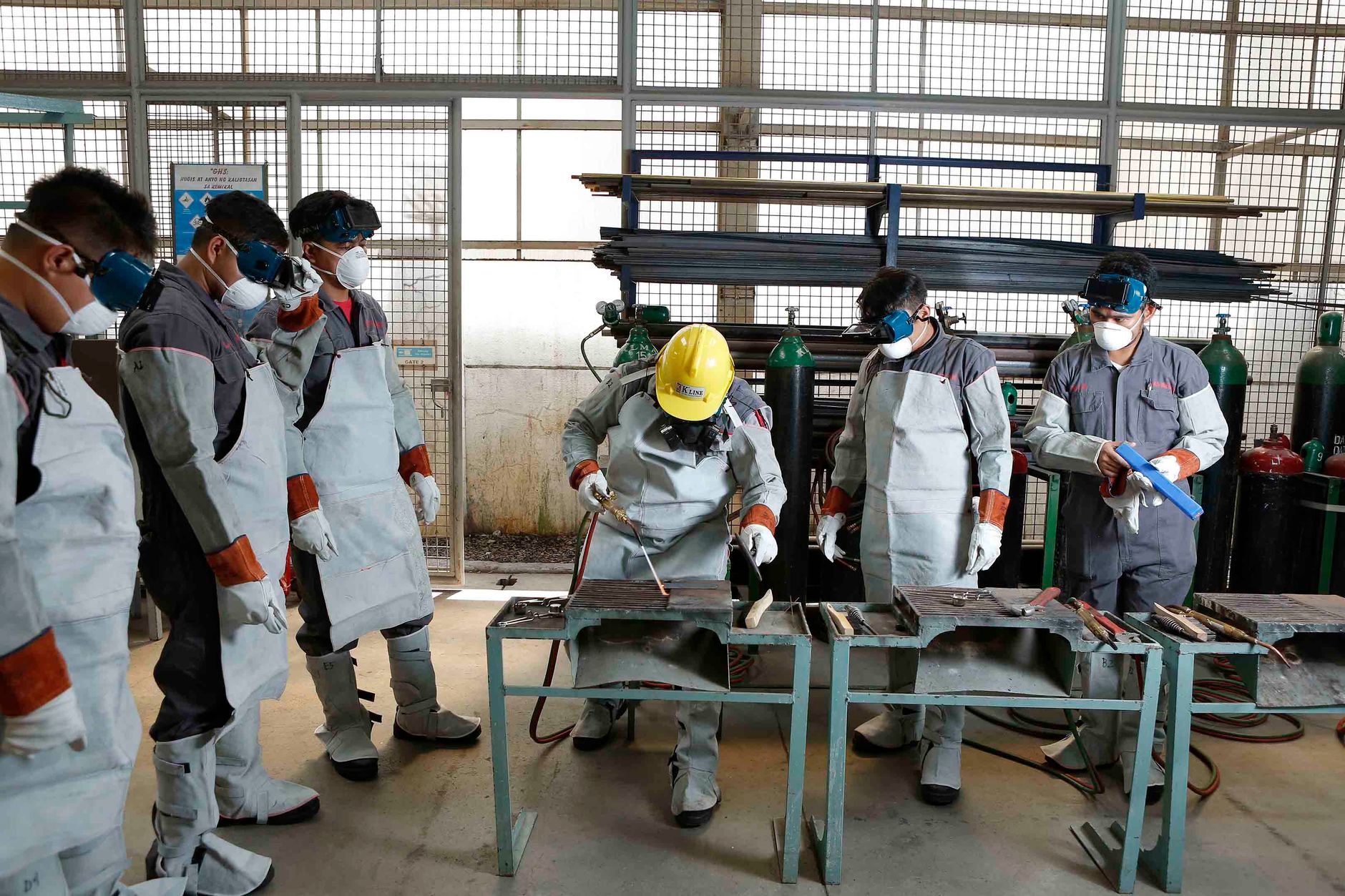
Training is paid operational work, not a video link sent before go-live. Build role-based instruction for nearby employees, designated operators, supervisors, safety representatives, maintenance staff, and emergency responders. Cover normal use, limits of autonomy, right-of-way rules, safe loading, emergency stops, fault escalation, charging, hazardous-energy controls, and the actions employees must never attempt.
OSHA recommends additional training when new equipment, processes, or work organization could increase hazards, and whenever a worker receives a new task. It also says training should use language and literacy levels employees understand. Demonstration and hands-on practice are especially valuable for exception recovery, where a memorized screen sequence can fail under pressure.
Agree on qualification standards, refresher triggers, compensated practice time, and access for new hires and transferred employees. Peer trainers from the represented workforce can make instruction more credible and surface gaps quickly. Document competence through observed tasks and drills, not attendance alone.
Redesign tasks before rewriting jobs

Analyze work at the task level. A warehouse cleaning robot lease may automate long, repeatable passes while employees retain inspection, edge work, spill response, consumable handling, and quality verification. An autonomous mobile robot lease may carry material between fixed points while employees manage staging, priority changes, exceptions, and safe handoffs. The robot changes a workflow, not just a line on an organization chart.
Create a before-and-after task matrix with ownership, frequency, required skill, safety controls, and backup coverage. Test it against classifications and seniority rules. If employees will gain dispatch, data review, basic recovery, or preventive-care duties, define the training and compensation implications instead of letting supervisors improvise after launch.
Be candid about staffing intent. Do not promise that headcount can never change if leadership has not made that commitment, and do not sell the project internally as a staffing replacement robot while describing it to employees as mere assistance. Trust rests on one consistent account of the business problem, the proposed changes, and the available employment protections.
Which performance measures are fair and useful?
Measure the equipment and the process before judging individuals. Useful operational definitions include mission completion, verified coverage, cleaning quality, intervention frequency, blocked-route time, safe-stop events, charging availability, and recovery time. Define each term jointly so a paused mission caused by a locked door is not mislabeled as poor employee performance.
Publish what the system collects, who can see it, how long it is retained, and what decisions it may support. Separate diagnostic telemetry from personnel records. If data could influence coaching, attendance findings, work allocation, incentive pay, or discipline, address that use explicitly through bargaining and established due-process procedures.
Avoid a single speed or utilization target. It invites gaming and can punish safe behavior, congestion, difficult loads, or necessary manual work. Pair output measures with quality, safety, workload, and employee-reported friction. Review disputed data with context and preserve the employee's right to representation in investigatory interviews when applicable.
From pilot charter to supported operation
Write a pilot charter before equipment arrives. It should identify the open questions, included routes, excluded tasks, authorized operators, safety controls, data definitions, change-control process, stop criteria, grievance path, and the evidence required to expand. A pilot is useful only when either side can distinguish a correctable defect from a failed operating concept.
At each decision gate, review employee reports, near misses, interventions, task ownership, workload shifts, training gaps, and service history. Route or responsibility changes should return to the agreed review process. This supports phased deployment with no shutdown while protecting the bargaining process from gradual, undocumented scope creep.
Service Robot Co. can support this structure as an OEM-neutral, full-service commercial robot integrator for U.S. businesses. We select equipment across manufacturers, arrange financing, deploy and integrate each unit, train teams, and service the fleet through a nationwide U.S. engineer network. That gives operators one vendor for the lifecycle and one accountable channel for remote triage, field service, and technical records.
The integrator should supply evidence and carry technical responsibility, but it does not replace the employer-union relationship. The employer still owns bargaining obligations, and represented employees still bring indispensable knowledge of the work. When those roles are clear, robot leasing for business, a leasing structure, or an outright purchase can sit beneath the same disciplined labor-engagement framework.