Key takeaways
- Write down every floor finish, threshold and drain before the assessor arrives.
- Hours with no operator on site set the schedule the quote must cover.
- A floor plan with marked zones and keep-out areas saves assessment time.
- Name a daytime lead, an after-hours contact and an IT contact before the visit.
- Confirm Wi-Fi coverage along the route and the FCC status of each model in writing.
What the five answers do before a site assessment
A lease quote is only as accurate as the site it describes. Service Robot Co. leases commercial robots through financing, and the fixed robot lease payment is quoted after a site assessment, so the assessor's walk is where your facility's details reach the quote, or drop out of it.
Five questions do most of the work: what the floors are made of, when the machine runs, how the space is divided into zones, who answers the phone, and what the network can support. Answer them in writing and the assessment starts from facts instead of guesses.
None of this takes special software. A marked floor plan, a short list of contacts and a note from IT will cover most of it. The sections below follow the order an assessor usually works through a building.
Which floor types and transitions will the robot cross?
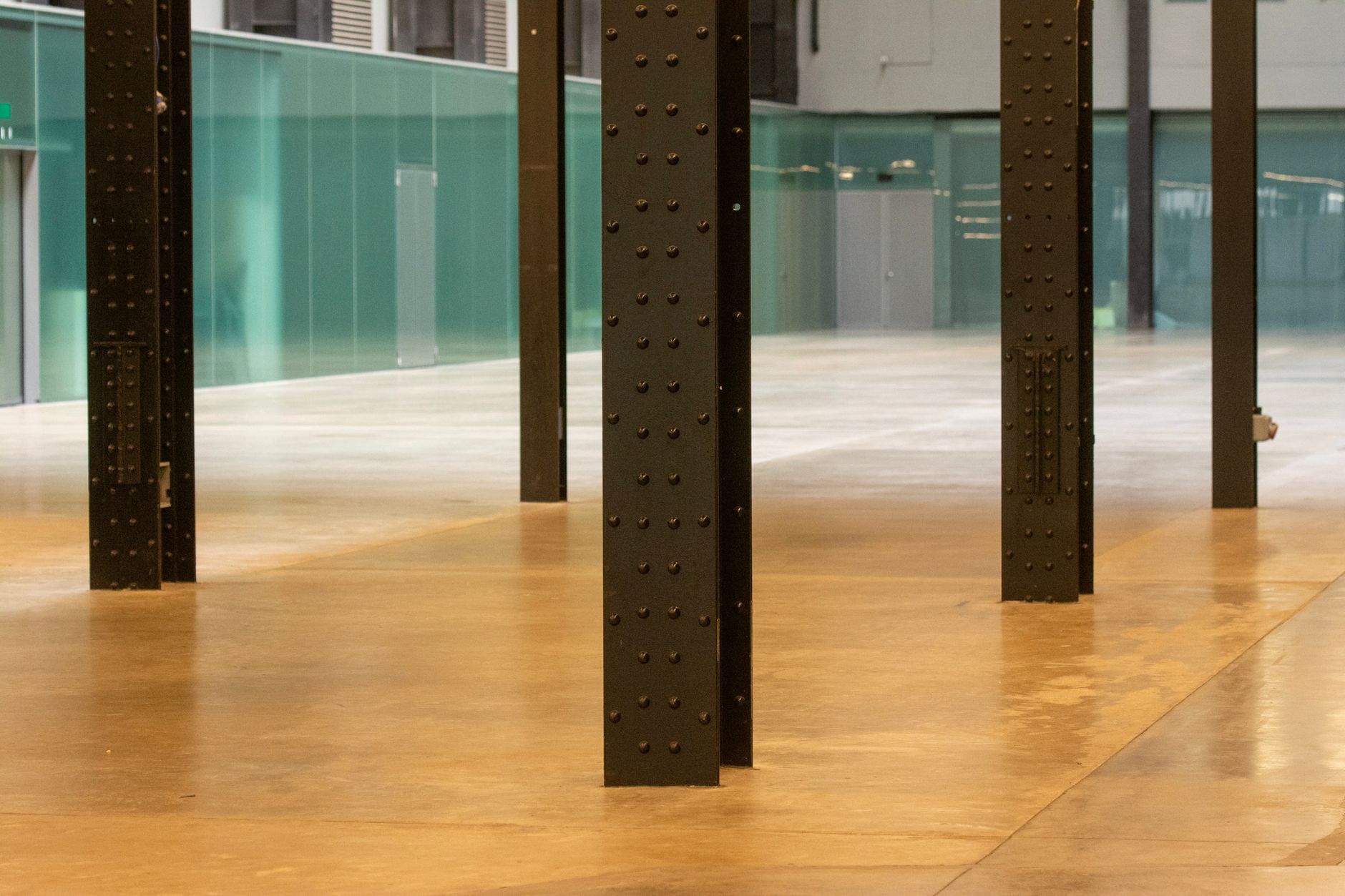
Start with the surface, not the room. Sealed concrete, epoxy, polished finishes, tile and grout, and carpet each behave differently under a floor scrubber or vacuum, and one building often mixes them all. Write the finish down for every area, because a coated shop floor and a polished lobby seldom call for the same machine or the same settings.
Transitions matter as much as surfaces. Note door thresholds, carpet edges, ramps and their grade, floor drains, and any spot where water pools after cleaning. Those are the points where a route stalls or a sensor misreads, so the assessor needs to see them before anyone writes a quote.
When does the machine run, and who is in the building?
Operating hours set the schedule the quote has to cover. Overnight cleaning with no operator on site needs a night shift autonomous scrubber route that finishes before staff return, and that pauses cleanly when a delivery truck backs up to a dock. Give the assessor the hours each zone is open, closed and busy, not just the hours posted at the front door.
Also record what does not appear on paper: when the night crew actually leaves, quiet hours for a school corridor or a hospital wing, and days when a zone closes for freight or a plant closure. A machine that sits idle through a changeover is a scheduling question, and it belongs in the assessment rather than in a complaint after go-live.
How should zones and keep-out areas be drawn?
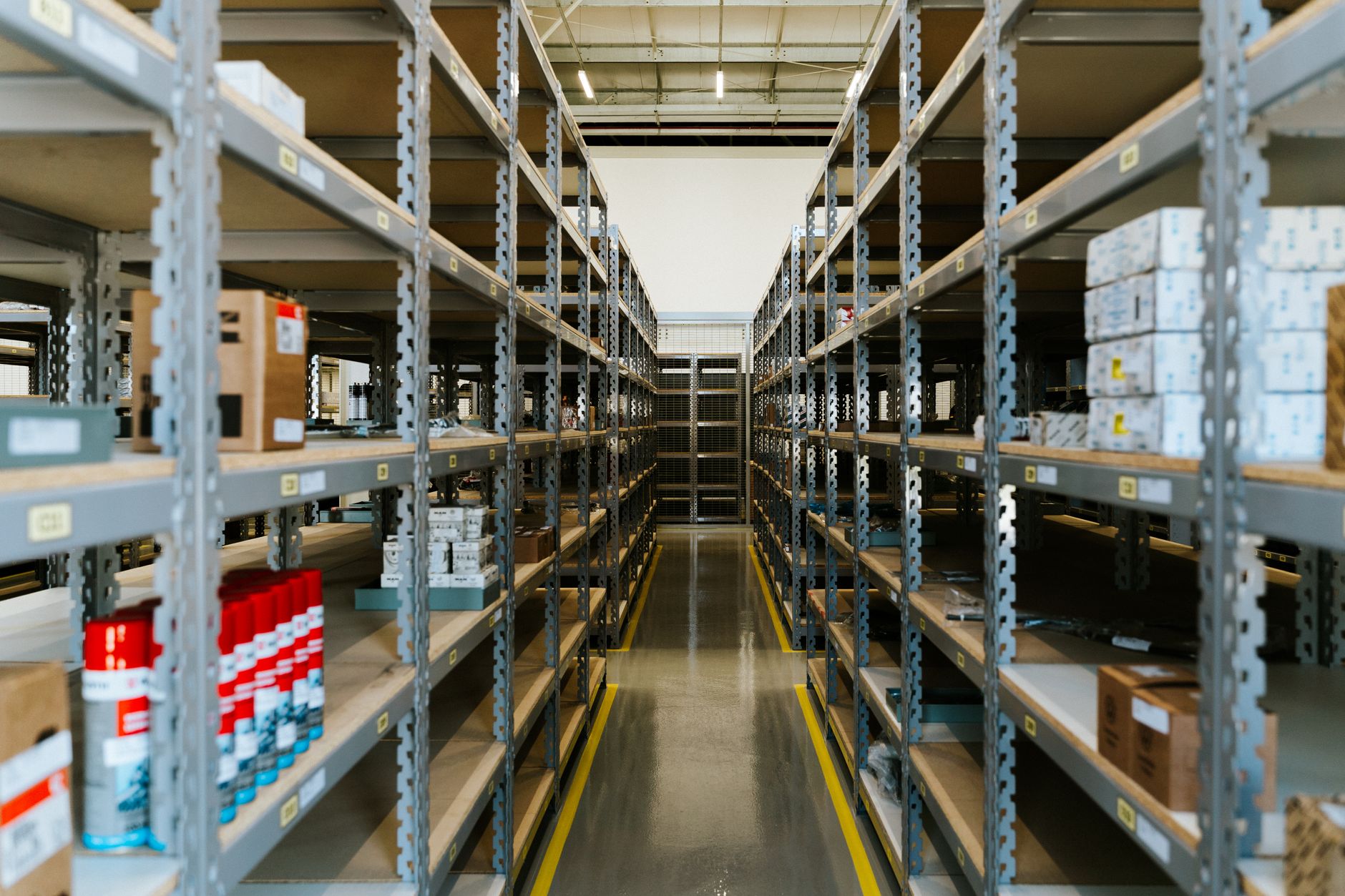
Divide the building by use, not by department. Traffic lanes, loading docks, forklift aisles, restrooms, server rooms and food prep areas each carry their own rules, and a route that cuts through one of them without warning is a problem for everyone. Mark which areas the robot may enter, which it may only cross, and which it must avoid entirely.
Large facility coverage is mostly a drawing problem. A floor plan that is up to date, with zones labeled, racks and fixed equipment marked, and exits and emergency paths drawn in, lets the assessor complete the site assessment mapping on the first visit instead of rebuilding the layout on a second. Warehouse teams should add aisle numbers, because routes are planned aisle by aisle.
Who are the staff contacts, and who answers after hours?
Name at least four people: a daytime facility lead who approves changes, an after-hours contact who can open zones and doors, someone who controls dock and elevator access, and an IT contact for the network. A shared mailbox is not a contact. The assessor needs names, phone numbers and a clear record of what each person may decide.
This is where one vendor relationship helps. Service Robot Co. is OEM-neutral: we select robots across manufacturers, then lease, deploy, integrate, train and service each unit under RoboCare, our robot maintenance service plan. Regional service engineers cover every state we service, with on-site dispatch and remote triage, so the team has one partner and one number when a unit stops mid-route. One vendor for the whole lifecycle, not six.
What network access does a robot need?
Ask IT which network the robot will join, and whether it must reach facility software or a monitoring service. Units that report status to a cloud dashboard need Wi-Fi along the whole route, not just in the office. A route can have strong signal at the front desk and a weak one at the back of a stockroom, and that gap is only found by walking it.
Generic RF site survey guides, including those from MetaGeek and Purple, describe walking the site with a spectrum analyzer or survey tool to find interference and dead spots. No published signal thresholds for floor scrubbers were found, so the assessment should set the coverage target and record where coverage is weak and what would fix it.

How does FCC eligibility affect a robot lease?
According to The Hacker News, on July 28, 2026 the FCC added foreign-produced advanced robotic devices to its Covered List, and new models of covered robots cannot be imported, marketed or sold in the US without a Conditional Approval. Intertek and Sidley describe the same expansion as covering all foreign-produced advanced robotic devices.
According to Wiley, software and firmware waiver DA 26-789 lets already-authorized covered robots keep receiving qualifying updates through at least January 1, 2029. Eligibility is decided model by model, so ask for the status of each model named in a lease quote in writing, along with what happens to updates if a status changes during a 3-year lease.
How the answers become one fixed lease quote
Once the site assessment is complete, the answers above become the quote: robot types, zones, hours, network needs and contacts. Service Robot Co. then quotes one fixed robot lease payment on a 3-year lease, through lease financing programs. Many teams start with one leased unit in a single zone to test a route before the rest of the building is scoped.
Ask the quote to list what the fixed payment includes, such as deployment and integration, training, go live support and RoboCare service, and what sits outside it. A complete set of answers from the five questions makes that conversation shorter, and it makes the figure easier to check against the site.
Frequently asked questions
Want a robot working for you?
Tell us the job and the site. We will recommend the robot, quote the lease, and keep it serviced.
Sources
- The Hacker News: FCC blocks new foreign-produced robots
- Intertek: FCC expands the Covered List for foreign-produced robotic devices
- Sidley: FCC adds all foreign-produced advanced robotic devices to the Covered List
- Wiley: Covered List roundup and robotics waiver
- MetaGeek: RF site survey guide
- Purple: Wi-Fi site surveys