
Key takeaways
- Food banks can automate floor care, but only in zones and time windows that respect live donated-goods traffic.
- Receiving lanes, volunteer packing areas, and public aisles need dynamic no-go rules, not a permanent static map.
- Food-safety practice favors dustless cleaning, low-exposure cleaning windows, and strict separation from active food handling.
- A budget-conscious pilot using leasing, or subscription financing lets a mission-driven facility prove the math before expanding.
Yes, but the route has to bend around live operations
Food banks and community pantries can automate floor care in aisles, receiving aprons, and volunteer work zones, even when pallets and donation carts move constantly. The key is to automate the repeatable parts of the job, not the whole building at once. In practice that means scheduled runs on hard-floor loops, supervised starts and stops, and temporary no-go areas that staff can change as the day unfolds.
The need is real. According to the USDA Economic Research Service, 47.9 million people lived in food-insecure households in 2024, and 18.3 million U.S. households were food insecure at some point during that year. Buildings serving that volume cannot afford dirty lanes, sticky receiving floors, or a cleanup plan that falls apart every time a late pallet arrives. A floor robot works here when it is treated like part of operations, not a gadget dropped into the middle of them.
That usually means a simple rule set. Keep active unload windows manual. Let the robot scrub the receiving edge after freight is broken down. Run public aisles after distribution closes. Use slower, shorter loops near volunteer pack tables. The robot is there to absorb repetitive floor passes so people can handle spills, sanitation checks, donor exceptions, and neighbor-facing work.
Why these buildings are harder than a normal retail floor
Food banks are not tidy big-box stores with fixed endcaps and predictable replenishment. Feeding America says its network now includes more than 250 food banks and 60,000 faith-based and community partners. Its 2025 annual report says that network supported 5.9 billion meals in fiscal 2025 and sourced 7.2 billion pounds of food. At that scale, a floor can change character three times in one shift.
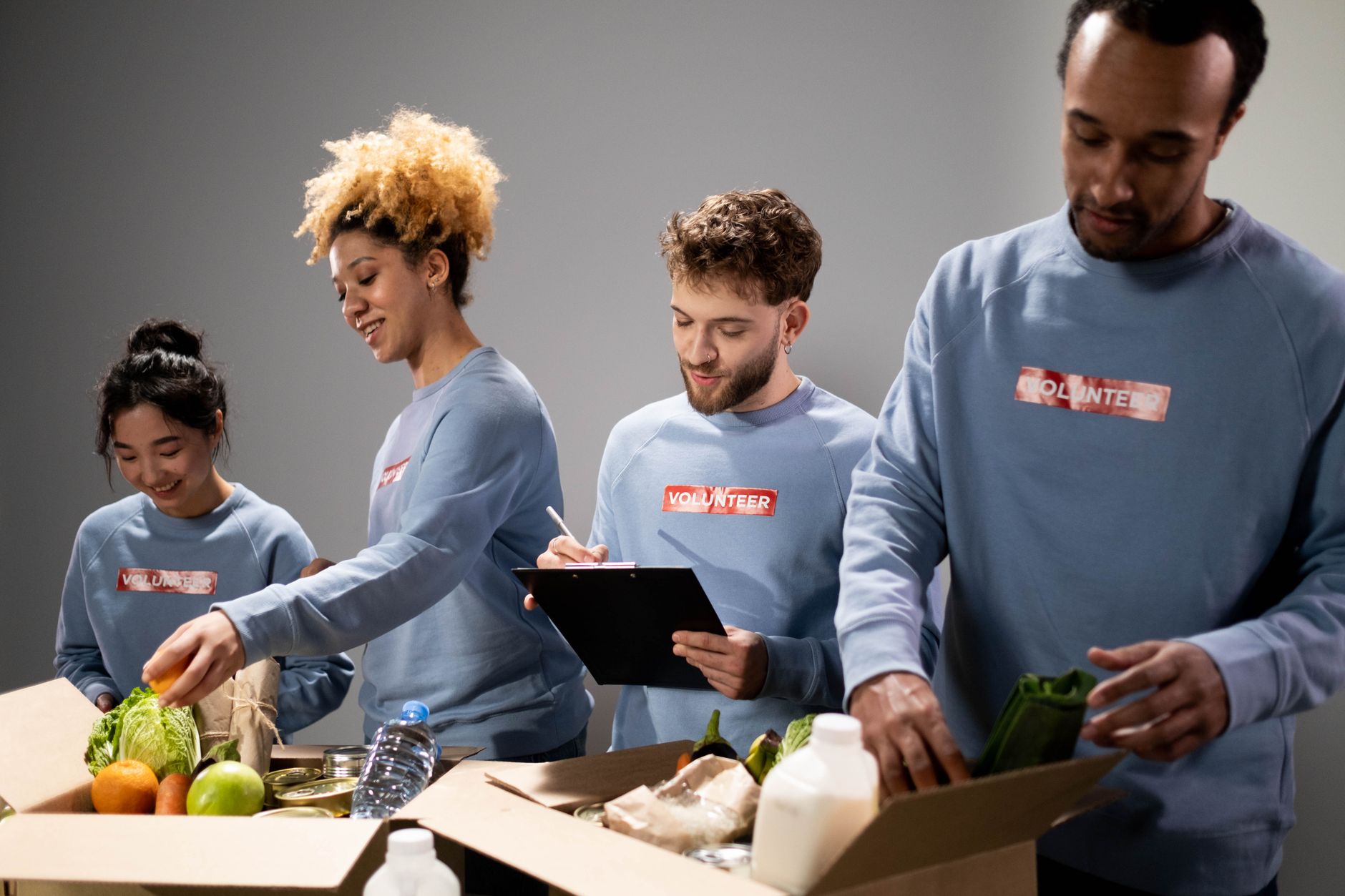
A receiving area may start the morning with pallet drops, move into inspection and sort, then become a carton-breakdown zone by afternoon. Volunteer packing rooms flex just as fast. Tables appear for produce bagging, disappear for mixed-case sorting, then reopen for family distribution. A static map that worked Tuesday night may be wrong by Wednesday noon.
That is why the best first deployment is rarely full-building autonomy. It is a disciplined slice of the building where the floor type is consistent, the traffic pattern is understood, and the robot can recover gracefully when a cart, pallet jack, or donation bin appears where it was not yesterday.
Which zones make the best first targets?
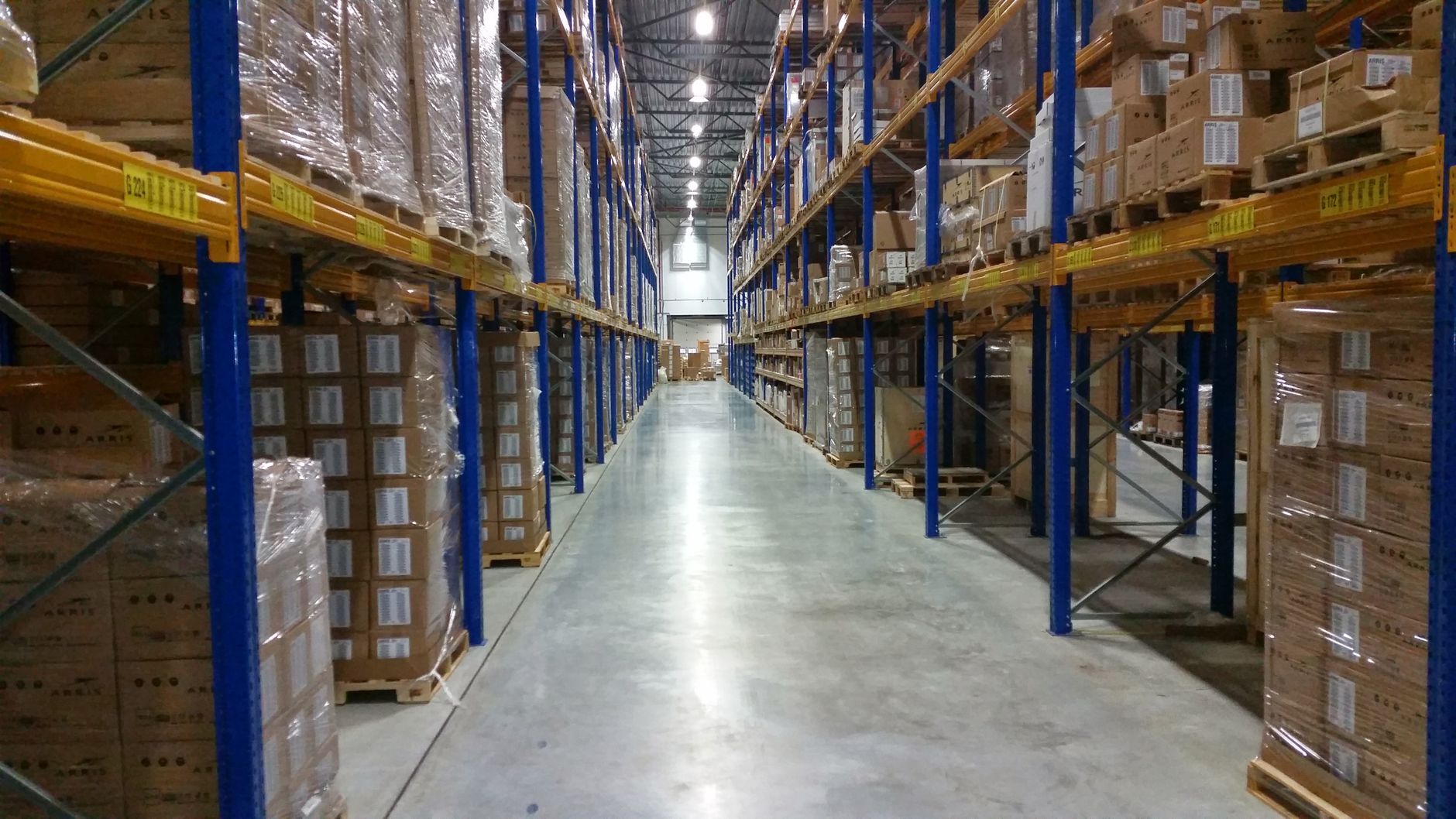
The strongest first targets are the places with repeat soil, repeat routes, and a clear handoff between people and machine. That is where a commercial cleaning robot lease or autonomous floor scrubber leasing starts to look practical, especially in larger facilities that already treat floor care like a scheduled operating task.
By contrast, the weakest first targets are deep pallet storage slots, live unload lanes during truck activity, and cluttered hand-sort zones where tables and carts migrate by the hour. Those are better handled later, after the building has proven it can keep launch windows, route discipline, and exception handling consistent.
- Public client aisles after service hours, especially polished or sealed hard floors that need aisle scrubbing overnight.
- Receiving aprons and adjacent travel lanes after delivery windows close and broken pallets are cleared.
- Volunteer packing and repack zones after tables are reset and loose cartons are removed.
- Back corridors, break areas, and perimeter paths that collect dust, shrink wrap fragments, and pallet debris every day.
How do you automate around pallets and a map that changes by the day?
Layout volatility is not a deal-breaker. It just means the map belongs to operations, not to an installer who walked the building once. Keep one baseline map, then let a supervisor mark temporary blocked zones at the start of each shift. That practice fits the reality of donation work far better than pretending the route will stay frozen for months.
USDA's TEFAP Fresh Produce guidance is a useful reminder of how dynamic receiving really is. The guidance for receiving TEFAP fresh produce specifically covers delivery appointments, receipting, inspections, storage, and distribution. In other words, the dock is already a timed sequence of events. Robot cleaning should be scheduled around that sequence, not layered on top of it blindly.
A practical model is to divide the day into red, yellow, and green windows. Red means active receiving and no autonomous runs. Yellow means volunteers or staging activity are present, so the robot is limited to edge routes and low-conflict corridors. Green means post-close or post-packout, when the robot can take the main aisle loop, the receiving apron, or the volunteer zone in full.
That is also where route governance matters. One lead should own the daily go or no-go call. A blocked path should trigger a pause, reroute, or skip, not a wrestling match between machine and pallet. The buildings that get value from floor scrubber for warehouses style automation are the ones that make those rules routine.
- Launch only after pallet count in the target zone drops below an agreed threshold.
- Give staff a fast way to set temporary no-go zones before each run.
- Do a two-minute visual sweep for pallet jacks, loose wrap, donation carts, and liquid leaks before launch.
- Assign one warehouse or facilities lead to approve route changes and restart procedures.
What food-safety rules should shape the cleaning plan?

The sanitation bar is not optional just because the building is charitable. OSHA requires passageways, storerooms, service rooms, and walking-working surfaces to be kept in a clean, orderly, and sanitary condition. The same rule says workroom floors must be kept clean and, to the extent feasible, dry, and that hazards such as spills must be corrected before employees use the area again. A robot program should reinforce that discipline, not excuse clutter.
FDA's Food Code 2022 adds two rules that matter directly to floor automation. Physical facilities should be cleaned as often as necessary to keep them clean, and routine cleaning should be done when the least amount of food is exposed, such as after closing. The code also calls for dustless methods of cleaning, including wet cleaning, vacuum cleaning, and mopping. That strongly favors autonomous scrubbing in low-exposure windows instead of dry sweeping while open food or produce is being handled nearby.
The same FDA document identifies contaminated equipment as one of the major foodborne illness risk factors in retail food settings. It also says clean items are generally stored at least 15 centimeters, or 6 inches, above the floor unless they are in closed packages on dollies, pallets, racks, or skids designed for that purpose. For food banks, that means robot routes need buffer space around floor-level staging, clear separation between cleaning chemistry and food-contact items, and an immediate manual response when a spill involves damaged donations, meat purge, or produce residue.
Put simply, the right robot workflow is a sanitation workflow. Clean after exposure drops. Use wet, dust-controlling methods. Keep aisles dry enough for safe traffic. Build fast exception handling for leaks and damaged cases. Those are food-safety habits first, automation habits second.
How do you keep the budget honest?
Mission-driven operators usually do not need a grand rollout. They need a floor program that earns its place without tying up scarce capital or demanding a new internal robotics team. That points toward a phased start: one building, one repeatable loop, one shift, and a simple success scorecard.
The budget pressure is not abstract. Feeding America's current Map the Meal Gap summary says the national food budget shortfall surpassed 33 billion dollars in 2024, and the national average cost per meal was 3.70 dollars. When the mission is measured meal by meal, avoidable cleaning rework matters. That is why many sites start with commercial cleaning robot leasing, a floor scrubber monthly lease, or a lease with RoboCare™ service rather than jumping straight to ownership.
A good pilot stays grounded in operating facts. How many scheduled runs finish on time. How much morning touch-up is still needed. How often does receiving block the route. How much staff time moves from repeat scrubbing to inspection, sanitation detail, or volunteer support. If those numbers are not improving, adding more units will not fix the root issue.
- Start with the highest-repeat hard-floor zone, not the whole building.
- Use robot leasing for business or monthly payment programs when operating expense fits the nonprofit's budget process better than capital purchase.
- Expand only after the first route proves cleaned coverage, exception recovery, and supervisor acceptance.
- Keep a manual fallback plan so an off night never interrupts distribution, receiving, or volunteer work.
Why a full-service integrator changes the risk profile
Food banks rarely want five separate vendors for hardware selection, financing, deployment, mapping, training, and service. Service Robot Co. is built for that gap as an OEM-neutral commercial robot integrator for U.S. businesses. The company selects the right robots across manufacturers, then finances, deploys, integrates, trains, and services every unit through a nationwide U.S. engineer network.
That matters in this niche because the hard part is not the demo route. It is matching the machine to polished public aisles, rougher receiving slabs, donated-goods traffic, volunteer turnover, and changing floor plans without turning the facilities lead into a full-time robot manager. A vendor neutral robot integrator can keep the deployment centered on route fit, sanitation practice, and uptime accountability instead of a single manufacturer's catalog.
For smaller operators, that can make commercial robot leasing or a pilot feel more realistic. For larger networks, it simplifies robot deployment and integration across multiple sites. One partner handles procurement logic, operating procedures, training refreshers, and field service. That is a better match for mission-driven buildings than piecing the lifecycle together by hand.
What should the first 90 days prove?
A serious pilot should prove boring things. Can the site hit launch windows reliably. Does the robot recover from common obstructions. Do receiving teams respect the cutout times. Is the floor actually better at first shift, not just better during the sales demo. Those answers matter more than flashy autonomy claims.
If the first 90 days show stable coverage, lower manual rework, and cleaner morning floors in the chosen zones, then expansion is reasonable. If the pilot struggles, the next move is usually not a second unit. It is a tighter map, cleaner dock discipline, a shorter route, or a different run window. Some community pantries will top out at one robot floor cleaner lease, and that can still be the right answer.
- Scheduled run completion rate by zone and by week.
- Number of blocked-route exceptions and how often staff intervention was needed.
- Morning touch-up minutes required after each autonomous run.
- Supervisor sanitation pass or fail scores in aisles, receiving edges, and volunteer zones.
- Staff or volunteer time shifted from repeat floor scrubbing to higher-value work.