Key takeaways
- The 2022 GCSAA-related figure is 63 percent rating the labor market bad or very bad, from a newsletter I could not match to a GCSAA report.
- The 2012 and 2016 percentages rest on the same single newsletter, so read the series as direction rather than precise change.
- USGA results put lack of qualified or skilled labor among superintendents' top concerns, though a later write-up says it fell to second place.
- Open mower seats do not return hours, so the real cost shows up as tradeoffs on fairways, greens and bunkers.
- Test the national trend against your own mower logs and timesheets before changing staffing or robot plans.
Is golf labor really getting harder to find?
Golf course labor has grown harder to fill across the survey record superintendents cite most, and the direction holds from one survey to the next. The exact percentages are less settled than the headlines suggest, though. The strongest figure is 63 percent of respondents rating the labor market bad or very bad in the 2022 survey, as reported by a GCSAA related newsletter, which also says only 9 percent rated it good or very good.
The 19 percent figure for 2012 and the 45 percent figure for 2016 come from that same newsletter, and I could not match either one to a GCSAA report. Read the series as a clear upward signal, not as a precise curve. USGA Green Section findings point the same way, with lack of qualified or skilled labor ranking among superintendents' top concerns.
For fairway work, the question is practical. When a mower seat sits empty, the hours do not come back, and someone has to decide what gets cut.
What do the GCSAA labor figures show, and where do they stop?
The three points people quote come from different places. The 63 percent result for 2022 is attributed to the GCSAA labor survey by the newsletter, which adds that 28 percent chose neither rating. The same newsletter says 63 percent matched a 2019 result, while other trade and university pieces tie that 63 percent to 2018. I found no GCSAA report that settles the year.
GCSAA's own survey pages confirm the basic records. The 2012 Capital Budget and Labor Survey ran from February 22 to March 23, 2012. The 2016 survey went to 6,501 U.S. superintendent members in January 2016, and 1,308 completed it, about a 20 percent response. Neither page, as I saw it, shows the labor market percentages.
A response rate near one in five invited members is useful, but it is not the whole profession. I also could not confirm that each survey asked the labor question in identical words, so a move from 19 to 45 to 63 percent should be read as direction, not as a clean measurement of change.
What does the USGA evidence add?
The USGA Green Section survey asked superintendents to rank their concerns, and lack of qualified or skilled labor landed near the top. Its top three current and future concerns were water supply, constraints or cost, lack of qualified or skilled labor, and extreme weather or climate. Respondents in the central U.S. and the Southeast ranked labor as their top current concern.
A later USGA Green Section write-up says labor dropped from first to second place for superintendents, though it does not name what moved up. The material I reviewed did not give the survey year or sample size for the ranking, so treat it as a read on concern, not a headcount. A USGA page on the weak labor market reports that a 2021 survey found finding and retaining labor were the top two challenges that year.
A 2016 Golf Course Industry report, from a different survey, found 59 percent of respondents said general labor was the hardest position to fill with qualified candidates. It belongs beside the GCSAA series as context, not inside the trend line.
Is golf facing a wider labor shortage?
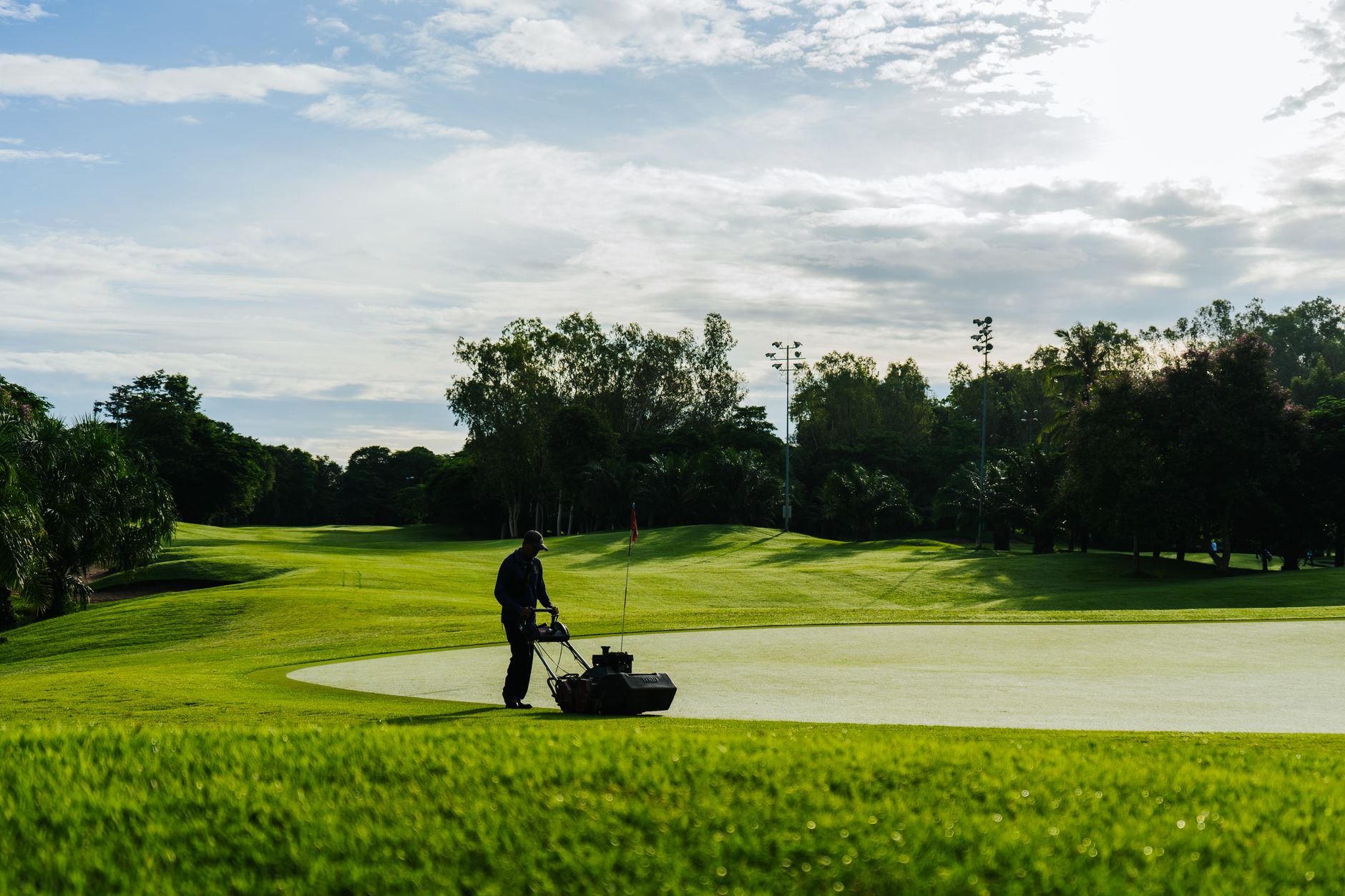
Golf Course Industry's coverage frames the golf labor problem as part of a wider shortage, where both manual and skilled workers are hard to find. That changes the fairway conversation. A course cannot simply hire away a mower operator from the next property, because that property is short on the same people.
The practical question shifts from who is available to which tasks the crew you already have should carry first.
What does scarcity do to fairway hours?
A fairway mowing route is not a flexible task. It needs a trained seat, a clear calendar, and a window that avoids play. When the seat is empty, the superintendent makes a trade, often without writing it down: fewer passes, later passes, or a crew member pulled from greens or bunkers for the day.
Those trades carry costs that rarely appear in a labor survey. Fewer fairway passes show up as a slower look on the turf. A pulled greens worker shows up as a delayed greens task. Neither shows up in a percentage about the labor market, which is why the survey trend and the daily tradeoff can feel like different stories.

How do you test the trend against your own records?

A survey describes the profession, while your timecards describe your course. Start with the last two seasons of mower run logs and crew timesheets, and mark each week where a mowing seat was open, filled late, or covered by someone from another task.
Then line the marks up against the fairway calendar. If open seats match missed fairway windows, the trend is already costing turf quality on your course, whatever the national figure says. If they do not match, the trend is a warning rather than a bill, and it is worth tracking another season before you change a staffing plan.
Where could a robot mower change the staffing math?
Autonomous fairway mowing is one way to recover part of those hours. Service Robot Co. is an OEM neutral integrator, so we start with what a course needs rather than one maker's catalog. A site assessment maps fairways, slopes, obstacles and charging locations, and a three year lease comes with one fixed robot lease payment quoted after that assessment.
Deployment, integration, training and service follow under RoboCare, our service plan, with regional service engineers in the states we cover. Robots do not replace hand work on greens, bunker edges or the judgment a superintendent brings to turf conditions. The gain is narrower and easier to measure: a fairway pass can run in a window when no one is in the seat.
Frequently asked questions
Want a robot working for you?
Tell us the job and the site. We will recommend the robot, quote the lease, and keep it serviced.
Sources
- GCSAA related labor newsletter (issuu)
- GCSAA 2016 Capital Budget and Labor Survey
- GCSAA 2012 Capital Budget and Labor Survey
- USGA Green Section Record: biggest challenges facing golf course maintenance
- USGA Green Section Record: investing in staff
- USGA: dealing with a weak labor market
- Golf Course Industry: reasons for labor woes
- Golf Course Industry: 2016 state of the industry report