Key takeaways
- U.S. HEPA means at least 99.97% capture at 0.3 micrometers per EPA, not a vague marketing badge.
- EN 1822 H13 asks for 99.95% at the filter's MPPS, a related but not identical test to the U.S. definition.
- MERV rates HVAC filters on a different ASHRAE scale and is a poor shortcut for robot exhaust claims.
- Vacuum and dry sweep robots move air through a filter path; wet scrubbers need a separate dust story.
- Ask for filter class, seal design, change interval, and proof before you trust infection control language.
What does HEPA mean on a cleaning robot brochure?
HEPA is not a vibe. The U.S. Environmental Protection Agency describes HEPA filters as pleated mechanical media that can remove at least 99.97 percent of airborne particles at 0.3 micrometers, the size treated as the most penetrating particle size for rating purposes. That number is the worst case on the test, not an average good day.
European EN 1822 classification is what many global machine builders cite. Class H13 requires at least 99.95 percent integral efficiency at the filter's measured MPPS, with additional local leakage limits on higher grades. A brochure that mixes H13, 99.97 percent, and HEPA in one sentence without context is asking you to do the translation work.
For facility managers comparing commercial cleaning robot rental options, the first job is to separate true exhaust filtration on vacuum paths from splash and aerosol control on wet scrubbing. The word HEPA on the hero image is not enough.
Why is MERV a trap when you read robot specs?
Minimum Efficiency Reporting Value, or MERV, comes from an ASHRAE test method aimed at HVAC filters capturing particles roughly between 0.3 and 10 micrometers. EPA notes MERV is useful for comparing furnace or central air filters, not as a drop in substitute for a sealed vacuum exhaust grade.
A robot vendor quoting MERV 13 on an intake screen is telling you about a different test cube than EN 1822 H13. You still need to know whether dirty air bypasses the cartridge, whether the housing is sealed, and whether the filter is probed after installation.
In hospitals, schools, and senior living corridors, infection prevention teams care about what leaves the machine, not what the brochure implies. Put MERV numbers in the HVAC folder and keep HEPA or EN class language on the robot data sheet.
Where does filtration actually matter on the machine?
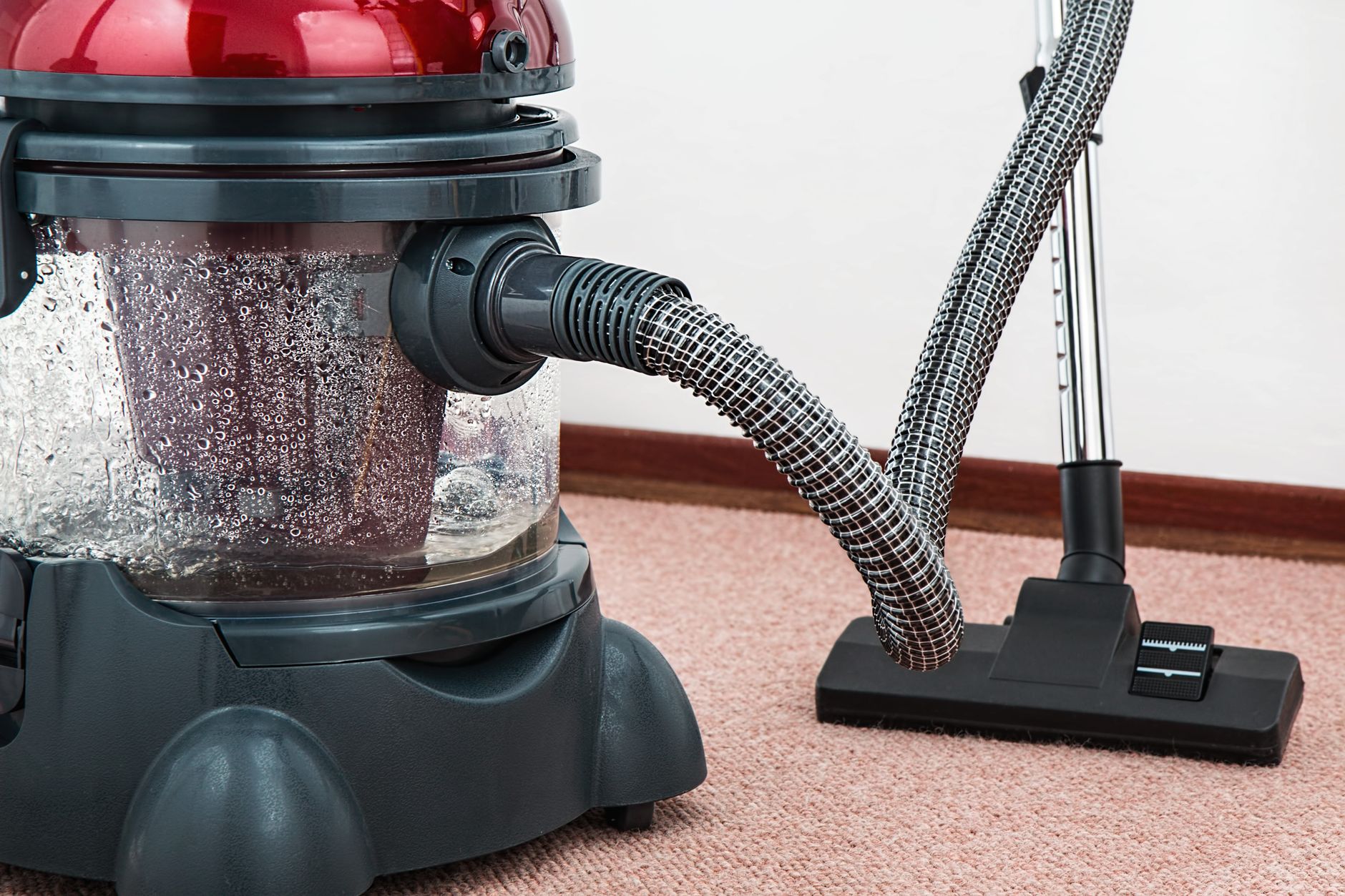
Autonomous vacuum and sweeper units pull dust, carpet fiber, and dry soil through a fan and bag or bin. That is the airflow path where HEPA or H13 claims earn their keep, because fine particles can recirculate if the seal fails or the filter is loaded.
Walk behind and ride on scrubbers mostly deal with liquid slurry, squeegees, and recovery tanks. They still aerosolize some soil at the brush interface, but their primary job is floor contact and water pickup. A HEPA sticker on the scrubber cabinet does not automatically describe the wet path unless the manufacturer documents it.
Some fleets pair a dry vacuum robot for carpet zones with a scrubber for hard tile. Your buying guide should assign filtration questions to the unit that actually moves dusty air, then ask how night crews empty bins without reintroducing fines into the lobby.
Which filter grades show up in healthcare conversations?
Infection control discussions often treat H11 class performance around 95 percent at 0.3 micrometers as a floor for non clinical back of house areas, while immunocompromised patient zones push buyers toward H13 class media. Those grades come from the EN 1822 family, not from a casual marketing tier list.
EPA's 99.97 percent at 0.3 micrometer language is broadly in the same neighborhood as H13, but the test methods differ. Procurement should not treat the numbers as interchangeable without a test report tied to the installed filter lot.
Optional carbon or odor layers sit downstream of particulate media on some units. They change smell, not necessarily particle capture, and they add replacement cost. Budget consumables on the same spreadsheet as robot leasing for business so finance sees the full hygiene stack.
What marketing phrases deserve a second look?
Hospital grade, medical grade, and air purifying filter are not regulated synonyms for HEPA. Ask which standard the supplier cites and whether the claim covers the whole exhaust path or only the replaceable cartridge in the parts book.
Efficiency at 0.3 micrometers without naming the test rig is incomplete. EN 1822 reports MPPS efficiency and, for H13 and above, local penetration limits. U.S. language centers on 0.3 micrometer challenge aerosol. Either can be legitimate if the certificate matches the serial you receive.
Some machines advertise optional H13 upgrades from a baseline bag filter. That is fine if your scope includes the upgrade part number, the change interval, and training for staff who swap media after infectious isolation events.
What should a pilot test measure beyond visual floors?
Run particle counts or qualitative smoke tests only if your safety team already uses them for HVAC commissioning. Short of that, inspect filter gaskets, door latches, and bin seals on day one and again after thirty shifts. Loaded filters increase leak risk even when the media grade is correct.
Log how technicians empty dust bins. A perfect H13 cartridge fails the moment soil is dumped into a janitor closet with negative pressure and no local exhaust. Pair robot deployment with SOP changes, not just hardware.
Compare noise and exhaust direction in occupied wings. Filtration that works on paper still fails if the machine vents toward a nurse station intake grille.

How does a vendor neutral integrator help you verify claims?
Service Robot Co. stays OEM neutral, so the question is which robot type fits each zone, not which logo wins a slide deck. We document filter class, maintenance included plans, and realistic change intervals before anyone signs a month to month robot lease.
A free site assessment should note carpet versus hard floor mix, ceiling heights, and whether vacuum routes or scrubber routes carry the dust risk. One partner for select, finance, deploy, and nationwide service keeps filter SKUs, loaner units, and remote triage on one number instead of scattering accountability across three vendors.