Key takeaways
- Staff wellness floors take steady foot traffic all day, so the overnight window is where a reliable floor pass fits.
- An autonomous floor scrubber can run a scheduled route after close, but vendor-reported runtimes are planning inputs to verify on your own floor.
- Rubber gym flooring needs specific cleaners, so set the robot's solution and the floor manufacturer's guidance before the first run.
- Equipment, benches and the areas under heavy machines still need a person with the right tools.
- A one-wing pilot shows whether a robot fits your hospital before any larger commitment.
Why do staff wellness floors need a planned overnight routine?
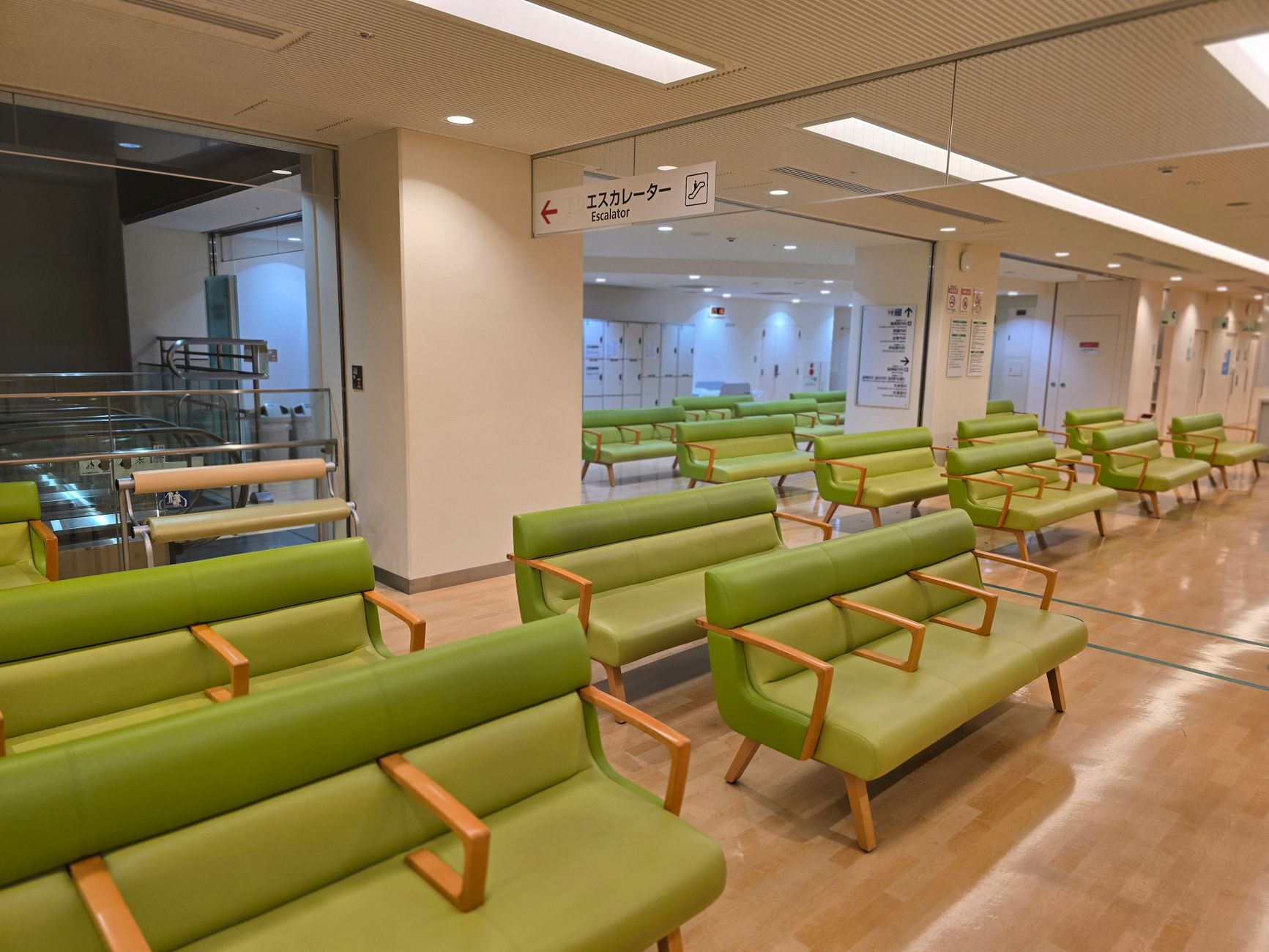
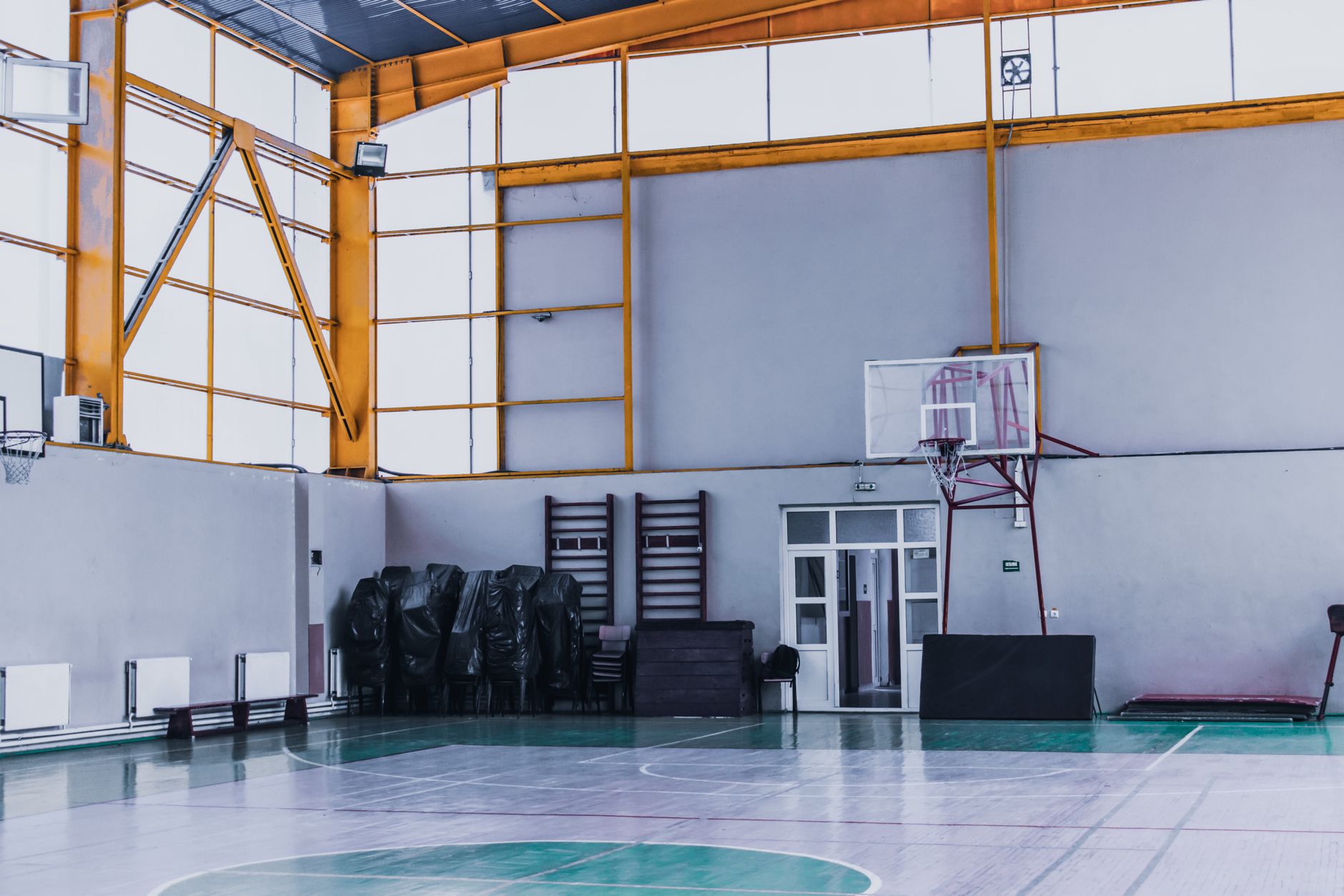
Staff wellness centers, gyms and break rooms inside hospitals look like amenities, but their floors carry the same traffic as a busy corridor. Nurses, technicians, housekeepers and physicians walk in between shifts, often in street shoes and often carrying coffee, bags and gear. By the time the day crew wraps up, the floor has collected hours of grit and moisture.
The stakes are real even when the room is not a patient space. According to the CDC's 2026 release, about 1 in 38 hospitalized patients had at least one healthcare-associated infection in 2023, and an estimated 518,000 such infections occurred in US hospitals that year. The CDC also reports that 61% were not tied to devices or procedures, which is a reminder that everyday environmental care still counts.
The practical question is timing. Daytime cleaning competes with the people using the space, so the overnight window is where most facilities can find room for a reliable, repeatable floor pass.
How does a floor robot run a hospital wellness floor after close?
An autonomous floor scrubber learns a route and then repeats it on a schedule without an operator at the controls. In practice a technician drives the first pass so the robot can learn the layout, and the unit returns to its dock when its battery or solution tank calls for it. Most of the setup work happens before that first run: mapping the room, marking equipment zones and clearing loose items from the path.
Runtime is the first number to check. Brain Corp reports that Scripps deployed robotic floor scrubbers at two hospitals and that its La Jolla robot averaged 2.5 hours of autonomous runtime a night. That is a vendor-reported figure, so treat it as a planning input to confirm on your own floor rather than a guarantee.
Water pickup matters on a gym floor where sweat and drinks collect. In a Tennant case study, Frederick Health Hospital in Maryland described its T7AMR robot picking up nearly 100% of water in a demonstration, and its EHS director said the team could then spend time disinfecting rooms and bathrooms. That case study is the vendor's account and was not independently verified, so ask for a demo on your own tile, vinyl or rubber before relying on it.
Which parts of a wellness center still need hands?
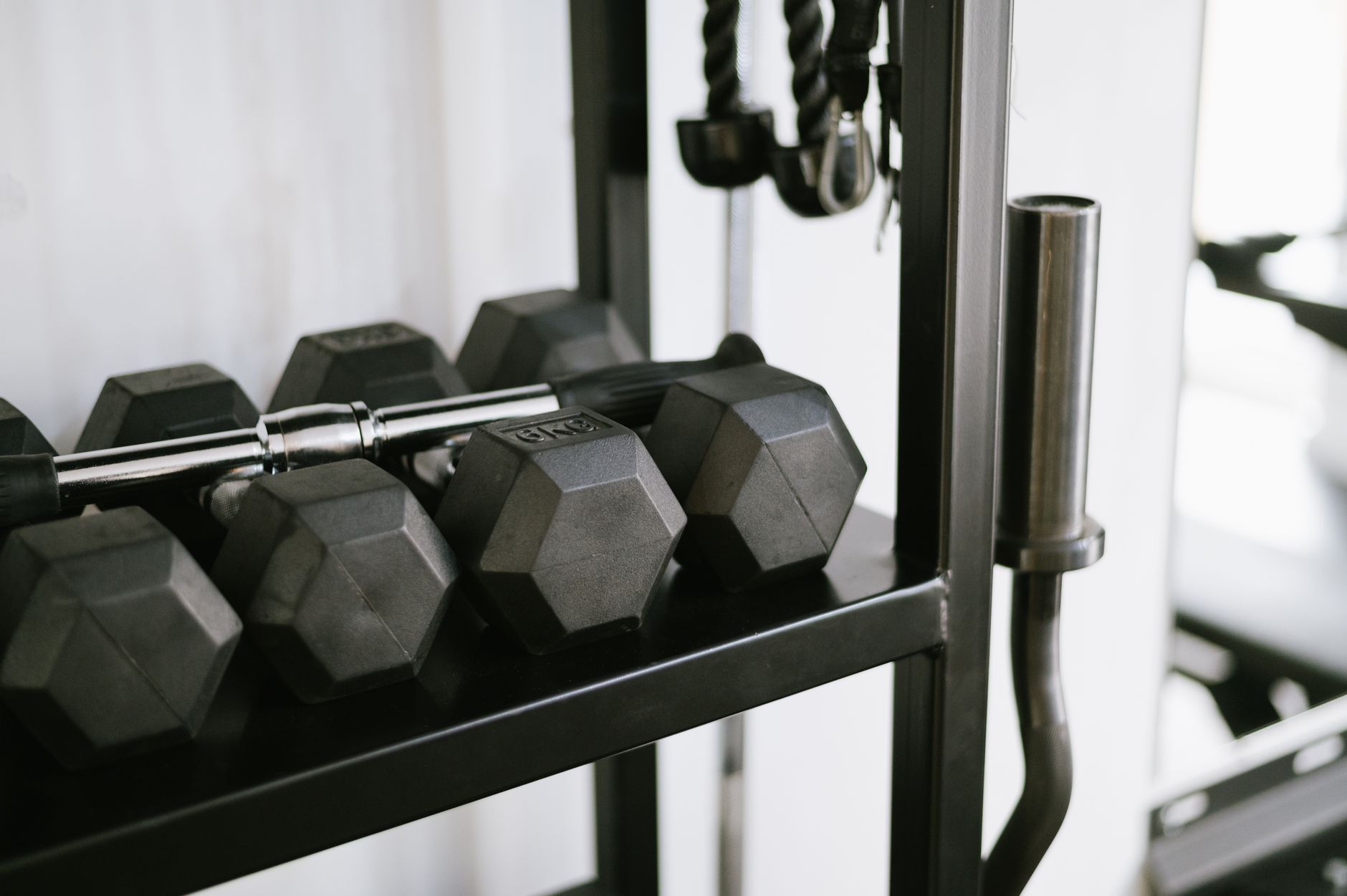
A robot handles open floor well. It does not replace the detail work that makes a gym feel clean. Equipment handles, benches, mirrors, mats and the underside of heavy machines still need a person with the right cloth and the right product.
Floor material decides the chemistry. RBM Building Services notes that rubber flooring needs specific cleaners because harsh chemicals can damage it, and that bleach-based products should be kept away from rubber surfaces. Check the robot's cleaning solution against the flooring manufacturer's guidance before the first run, not after the first streak shows up.
Plan a manual pass under heavy equipment. A scrubber can clear open lanes, but the footprint under a cardio row or a free-weight rack usually needs a broom, a vacuum or a periodic lift-and-clean. Mark those areas in the robot's map so it routes around them cleanly, and so staff know exactly where the hand work lives.
How much night labor can a robot actually take back?
Hospital night crews are short, and every hour on a floor pass is an hour not spent on restrooms, rooms and requests. Everwise, a Gausium distributor, reports in a vendor blog that a top-five US hospital network reportedly cut human floor-scrubbing hours by 50% while covering about 50,000 square feet per shift. That comes from unnamed third-party deployment data, so read it as a directional result from a large site.
Treat that as a best case. Covering 50,000 square feet is a large route, and most staff wellness wings are far smaller. RBM Building Services recommends day porter coverage for gyms over 10,000 square feet, which means the robot should take the repetitive floor pass while people keep the daytime tasks a machine cannot do.
Payback depends on the same discipline. OrionStar, a robot vendor, states in its published materials a typical payback of 9 to 18 months for facilities with at least 50,000 square feet of hard flooring, citing industry data from real deployments without naming the source. A wellness center below that size should model its own labor hours rather than borrow the vendor's figure.
What does a daily cleaning rhythm look like?
Mayo Clinic Health System says its Cannon Falls Wellness Center, which serves patients and the community, disinfects the entire gym daily and sanitizes through the day. That pairing is a useful model: a deep daily pass plus visible touch-point care while the space is open.
A workable rhythm for a hospital staff gym starts with the robot running after close on a fixed route. Before the first shift, a staff member confirms the floor is dry, bins are empty and the route finished without a fault. During open hours, someone wipes high-touch surfaces, equipment handles and entry doors, and a short log records what was done.
Time the run against the dock. If the scrubber needs a full charge after its route, schedule the start so it finishes before the first shift arrives, not during the busiest hour of the morning.
Which hospital zones suit a robot first?
Sproutmation, a robot vendor, rates corridors, lobbies, outpatient clinic corridors and cafeterias as strong robot fits. It places patient rooms, restrooms and isolation rooms in operator-assisted or protocol-dependent work. A staff wellness center and break room sit closer to the open-floor end of that range, since they usually have fewer fixtures to navigate than a restroom.
Sproutmation also describes typical first deployments as 30 to 90 day pilots on a single corridor, lobby or clinic wing. Apply that logic to a wellness wing: pilot one gym and one break room, measure runtime, missed spots and staff hours returned, then decide whether to expand.
Start with a mid-size or large-format scrubber for a multi-room route. Sproutmation advises buyers to choose larger units for big healthcare routes rather than compact machines, and that advice fits a space where several rooms share one shift.
How does Service Robot Co. get a robot onto a hospital wellness floor?
Service Robot Co. is a full-service commercial robot integrator for US businesses. We are OEM-neutral, so we select the right robot across manufacturers instead of starting from one catalog. The process begins with a site assessment that maps the space, flags the zones that need manual work and checks floor material and route constraints.
Once the site is mapped, the robot is leased to the facility on a 3-year lease with one fixed payment quoted after the site assessment. Our engineers handle deployment, integration, staff training and go-live support, and every unit is serviced through a nationwide US engineer network. One vendor covers the full lifecycle, so the facilities team works with a single point of contact from the first walkthrough through service calls.
Frequently asked questions
Sources
- CDC, 2026 release on healthcare-associated infections
- Tennant case study: Frederick Health Hospital T7AMR
- Brain Corp: how robots improve cleaning performance in healthcare facilities
- Everwise: hospital cleaning robot
- OrionStar: AI robots payback reference
- RBM Building Services: gym and fitness center cleaning standards
- Mayo Clinic Health System: Cannon Falls Wellness Center
- Sproutmation: hospital cleaning robots Minnesota