
Key takeaways
- Automated bingo hall floor care works best as a split workflow: people reset the room, the robot owns the repeatable lanes.
- Dense table grids and chair legs make route design more important than headline machine specs.
- Paper debris and sticky concession spills need pre-cleaning first, or the floor run degrades fast.
- For overnight use, support, mapping, training, and service response matter as much as the machine itself.
What actually works after the last game?
The practical answer is a split workflow. A night crew resets the room, removes loose paper, and spot cleans sticky spills. Then an autonomous scrubber runs the stable lanes that stay open every night, usually the perimeter, the main cross aisles, the snack-bar frontage, and the cashier approach. In a bingo hall, that is how overnight cleaning no operator becomes real instead of wishful thinking.
Trying to send a machine under every table and around every chair leg is usually the wrong target. Dense seating layouts change too much from session to session. Better results come from designing repeatable robot routes for the square footage that is truly available, while leaving tight under-table pockets for quick manual touch-up on a less frequent cadence.
That division of labor still moves the needle. When the robot owns the predictable floor, the crew can spend its short overnight window on debris pickup, restroom resets, edge detailing, and morning readiness instead of pushing a scrubber over the same aisles night after night.
Why are bingo halls harder than wide-open floors?
The U.S. Census Bureau classifies bingo halls inside NAICS 713290, Other Gambling Industries. On the ground, they behave less like open retail floors and more like revenue-packed assembly rooms. Tables sit close, chairs drift, paper cards and pull tabs shed debris, and snack breaks create sugar film and greasy footprints in the same narrow corridors.
The timing makes it tougher. Cleaning happens after close, when the room has to be reset fast for the next session and supervisor coverage is thin. According to the U.S. Bureau of Labor Statistics, the country had 2,432,600 janitors and building cleaners in May 2025, with about 321,800 openings projected each year through 2035. That does not prove every bingo hall has a labor problem, but it does explain why operators keep looking for steadier overnight coverage.
How should routes be built around tables and chair legs?
Start with geometry, not hope. Map the lanes that remain consistent when chairs are pushed in correctly. ADA guidance generally calls for a 36 inch clear accessible route, with wider clearances at some turns. If a lane cannot reliably hold that clearance after a normal night of chair drift, it should not be treated as a primary autonomous path.
Most bingo rooms clean best when routes are built in layers: a perimeter loop, one or two long spine aisles, and short laterals that end before the chair forest becomes chaotic. Keep the machine out of dead-end table canyons, stage and prize areas, and anywhere temporary displays appear. Docking should sit outside normal egress and away from the morning customer queue.
- Use the longest straight passes first, because repeated turns around chair legs waste time and water.
- Create permanent no-go zones for movable stacks, prize carts, and folding overflow tables.
- Schedule a second short pass for entry zones and snack-bar frontage, where soil reload is highest.
- Re-map after any floorplan change, even a modest table shuffle.
What has to happen before the robot starts?
Pre-cleaning decides whether the run will look polished or sloppy. Bingo halls drop dry paper debris that can wad up under squeegees once it gets wet. They also leave behind pulled-out chairs, bags under tables, power cords for point-of-sale gear, and temporary signs. A commercial cleaning robot lease pays off only when the room is reset to the same starting condition each night.
That reset does not need to be elaborate. It needs to be disciplined. Mark chair parking positions on the floor if necessary. Give the closing crew one simple standard for tables, one for trash, one for spills, and one for dock readiness. The more variation you permit at close, the less autonomy you get later.
- Push chairs fully in or stage them outside mapped robot lanes.
- Pick up paper cards, pull tabs, napkins, and cup lids before any wet scrubbing starts.
- Spot clean syrup, soda, and condiment spills that would smear on first contact.
- Move prize carts, wet-floor signs, and temporary stanchions to fixed parking spots.
- Refill water or chemistry, empty recovery, and confirm the dock is clear before lights-out.
How do snack-bar spills and paper debris change the plan?
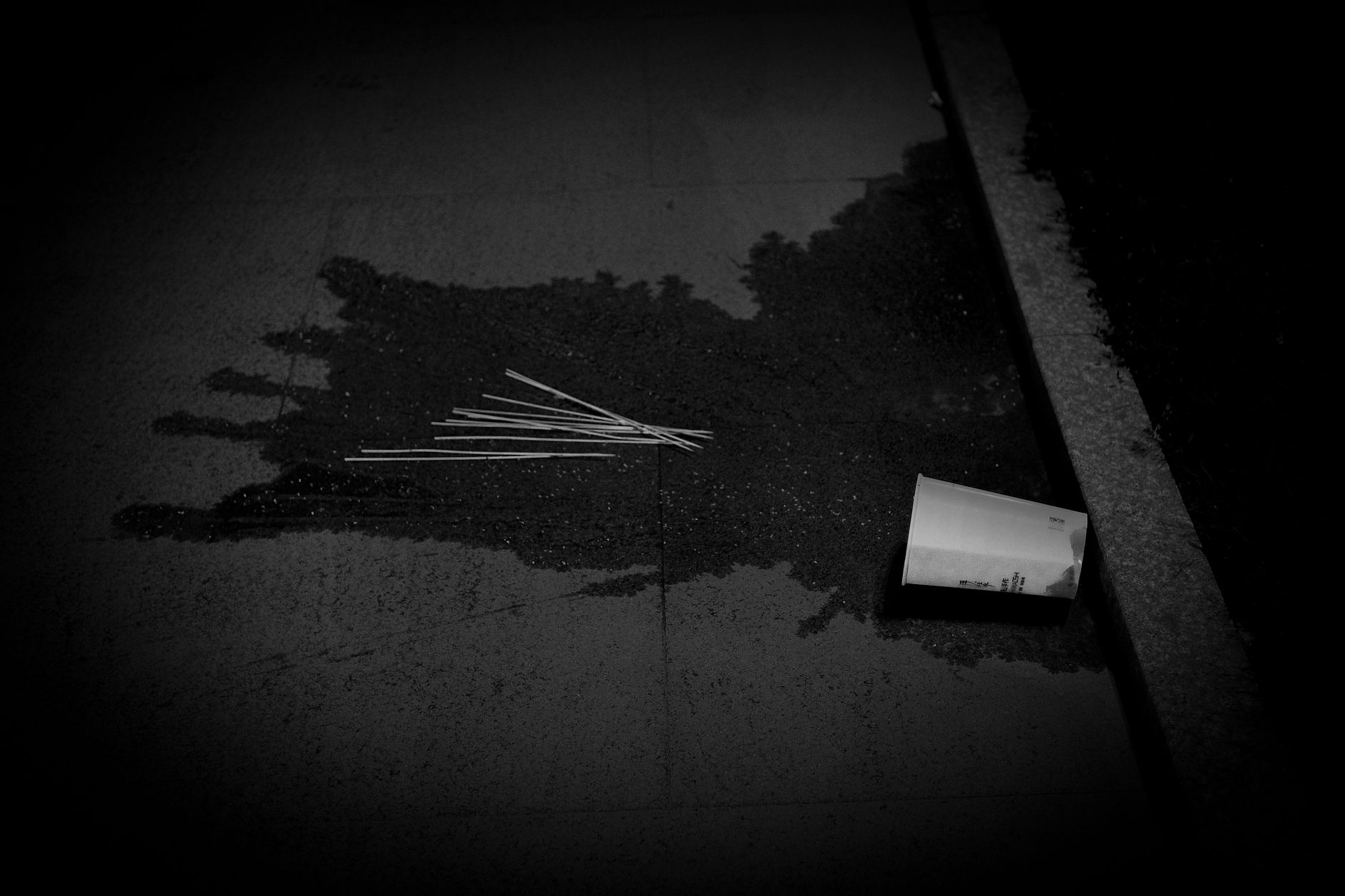
This is where many pilots stumble. OSHA requires walking-working surfaces to be kept clean, orderly, sanitary, and free of hazards such as spills. BLS also reported 479,480 cases involving falls, slips, and trips with days away from work, job restriction, or job transfer in 2024 across private industry, and the median case took 13 days. In a bingo hall, sticky drink residue near the concession line deserves immediate removal, not a hope that the robot will sort it out later.
Use the robot for repeatable floor recovery, not as your first response to a heavy spill pile. Dry debris should come off first so paper does not turn to paste. Then scrub. If disinfection is part of the SOP, CDC says to clean first and disinfect afterward when appropriate, and to give high-touch surfaces extra attention in high-traffic spaces. The snack bar itself may also sit under local foodservice rules built from the FDA Food Code, so counters, touchpoints, and food-contact items need their own manual routine apart from the floor run.
How do you use the overnight window between sessions?
Think in passes, not one heroic run. A bingo hall usually needs an initial debris and reset pass from people, a main autonomous scrub while the crew works elsewhere, and a short finish pass on the zones that reload late, especially the front entrance, concession approach, cashier line, and restroom approaches. That keeps the machine on work it can repeat well and keeps people on judgment calls.
The window is short, so build the order of operations backward from opening. Floors near the public entrance should finish late enough to stay presentable by first guests. Deep interior aisles can run earlier. If the room hosts two late sessions or charitable events with odd ending times, keep multiple route presets rather than forcing one map to fit every night.
- Close and room reset.
- Dry pickup of paper and light trash.
- Main autonomous scrub of stable lanes.
- Manual edge touch-up under dense table blocks.
- Late finish pass at entry, cashier, and snack-bar frontage.
- Recovery tank empty, recharge, and morning inspection.
What should you measure after go-live?
Do not judge the program by whether the machine touched every square inch. Judge it by whether the hall opens cleaner, with fewer rushed manual minutes and fewer spill complaints. The useful metrics are route completion rate, number of interventions per night, manual touch-up time, water recovery quality, and how often the same soil patches reappear.
If a lane fails three nights out of ten because chairs keep migrating into it, that is not a robot failure first. It is a process design failure. Change the chair reset, shorten the route, or make that strip manual. Good overnight floor care is part mapping, part housekeeping discipline, and part honest scope control.
Where does Service Robot Co. earn its place?
For bingo operators, the hard part is rarely buying a machine. It is picking the right one for tight aisles, setting realistic coverage boundaries, mapping the room, training the crew, and getting fast service when the overnight window is on the line. Service Robot Co. is built for that job. The company is an OEM-neutral, full-service commercial robot integrator for U.S. businesses, selecting the right robots across manufacturers and then financing, deploying, integrating, training, and servicing each unit through a nationwide engineer network.
On its current site, Service Robot Co. says it covers all 50 U.S. states, with 24/7 support with 10-minute technical-specialist triage and 24/7 emergency response. For a bingo hall comparing commercial robot leasing, robot leasing monthly arrangements, leasing, or a traditional purchase, that lifecycle support matters more than brochure specs. A sensible program can start with a free site assessment, site assessment mapping, a commercial robot demo or robot pilot program, then move into turnkey robot deployment with RoboCare™ service and one partner, one number, after go-live.