
Key takeaways
- In a private club spa, route fit and quiet-hours behavior matter more than headline coverage claims.
- Use ADA clear-width and turning-space numbers to eliminate poor fits before any live demo.
- Wet chemistry, splash zones, and premium finishes make recovery quality and tank hygiene non-negotiable.
- A pilot, commercial cleaning robot leasing, or monthly program is often the safest first step.
What should a private club spa actually buy?
Most private club spas should buy a compact autonomous scrubber sized for member corridors, late-night operation, and wet hard floors, not the biggest machine a brochure can justify. The right unit is quiet enough for pre-opening treatment hours, narrow enough for locker-room turns, and easy for attendants to refill, recover, and park out of sight. If your spa has carpeted lounges or treatment rooms, treat that as a separate cleaning task instead of forcing one machine to do incompatible work.
That matters because a club spa is part hospitality venue, part wet-area operation, and part circulation bottleneck. According to the International SPA Association's March 31, 2026 Big Five release, U.S. spa revenue reached $23.5 billion in 2025 across 191 million visits and 22,060 locations. Buyers should judge a robot on route fit, quiet-hours etiquette, finish protection, and service response first. Claimed coverage rates come after that.
Why is a club spa different from a hotel corridor or gym floor?
A private club spa is judged at member eye level. Floors run past benches, vanities, steam-room entries, and relaxation zones, and the machine may pass a guest in a robe instead of a night crew in work shoes. That changes the buying logic. You are paying for predictable appearance and low drama, not just fewer manual floor passes.
The market is large enough that this is not a fringe use case. CMAA reported that the United States has approximately 5,659 private clubs, and that clubs generated $32.6 billion in direct revenue in 2023 with 573,000 employees. In a setting like that, a cleaning robot has to protect a premium member experience while easing pressure on a labor pool that is still hard to staff consistently.
Start with the route, not the brochure
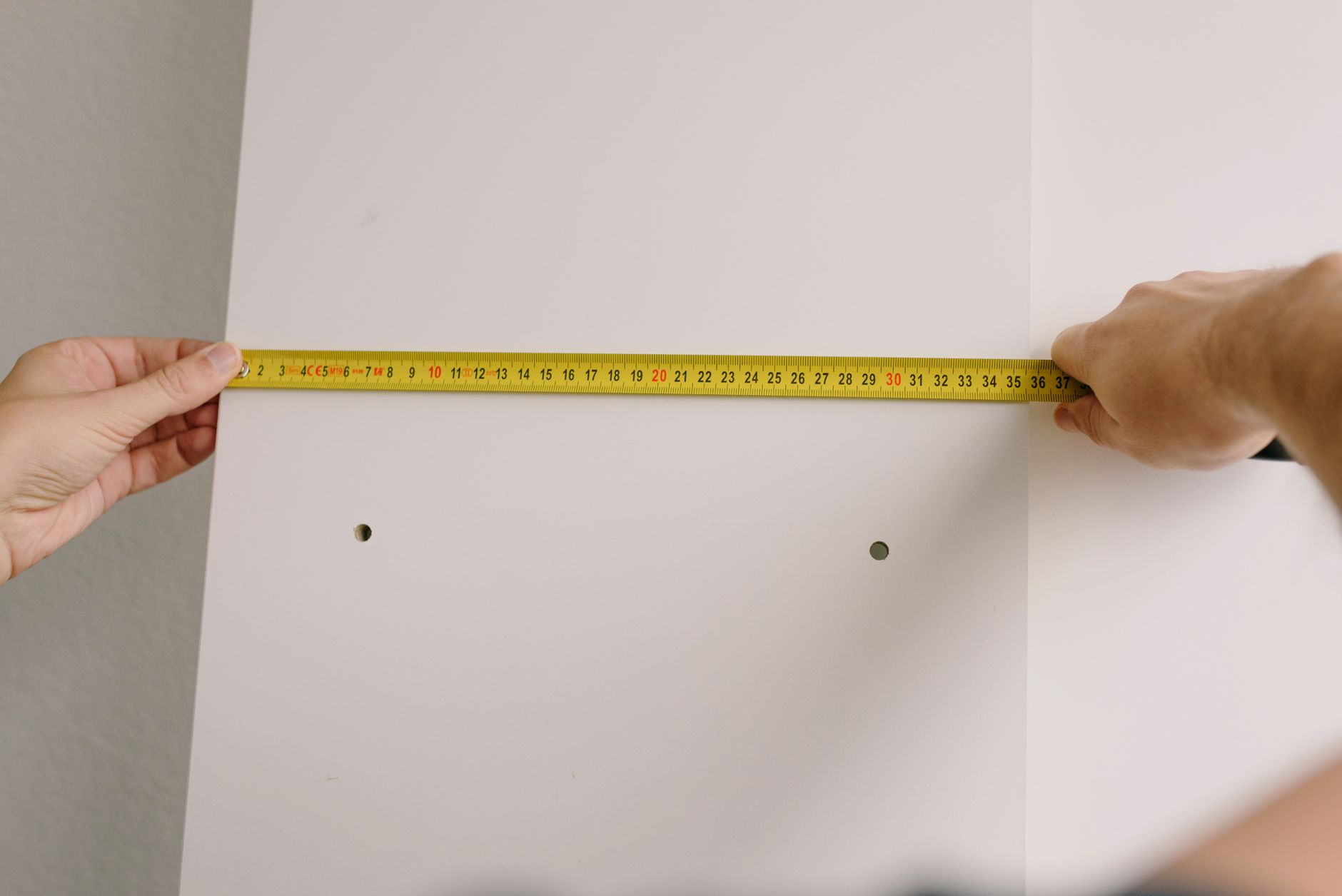
Before demos, walk the exact cleaning path with a tape measure and a marked floor plan. ADA guidance requires accessible-route walking surfaces to provide 36 inches minimum clear width, with short pinch points down to 32 inches for 24 inches maximum. A robot that only barely fits those numbers may still be a poor choice once you add benches, towel carts, door swings, and a member who does not want to step aside.
Turns matter even more than straightaways. ADA guidance says a 180-degree turn around an element under 48 inches wide needs 42 inches approaching, 48 at the turn, and 42 leaving, unless the turn area is at least 60 inches wide. Routes under 60 inches also need passing spaces at intervals of 200 feet maximum. In practice, those thresholds tell you where a robot can travel, where it can recover, and where it will feel intrusive.
- Measure the narrowest clear width on every guest-facing route.
- Record the tightest turn at locker rows, vanity islands, and vestibules.
- Check door-swing conflicts and thresholds near steam, sauna, and whirlpool entries.
- Mark drains, slopes, mats, and textured transitions that can upset traction or mapping.
- Choose a refill and dirty-water dump path that does not cross active guest zones.
- Reserve a hidden dock location with power, ventilation, and staff visibility.
What does a spa's wet chemistry do to robot choice?
Club spas sit beside water chemistry, humidity, and slip exposure. CDC's Model Aquatic Health Code specifically lists membership clubs among the aquatic venues it covers. CDC guidance for public hot tubs calls for a minimum free chlorine level of 3 ppm or bromine 4 ppm, a pH of 7.0 to 7.8, and testing at least twice per day, hourly when use is heavy. That is a reminder that your robot is not operating in a generic hallway. It is working beside splash, residue, and cleaning routines that never really stop.
OSHA adds the operational test. Walking-working surfaces must be kept clean and, to the extent feasible, dry, and free of leaks and spills. For buyers, that means asking about brush pressure on textured stone, water recovery on sloped decks, traction on transition strips, and how easy it is to sanitize tanks and squeegees after a high-residue shift. Premium finishes deserve the same scrutiny. A machine that leaves swirl marks or misses water along drain lines is the wrong machine, even if the coverage math looks good.
What operating plan keeps members happy?
Good private club deployments are conservative at first. Start with one predictable loop such as pre-dawn locker corridors, pool-approach lanes after close, or a between-shifts pass in a wet lobby that attendants already monitor. Do not begin with treatment-room hallways, around massage doors, or any route where staff are constantly staging carts, laundry, and amenity trays.
Build the SOP around exceptions, not the happy path. Decide who clears towel piles, who confirms drains are open, who handles a stopped machine at 5:30 a.m., and how the robot yields to the first member wave. The labor backdrop is real. The U.S. Bureau of Labor Statistics projects about 351,300 openings for janitors and building cleaners each year on average from 2024 through 2034. A robot helps most when it takes the repetitive floor loop off that staffing board and leaves attendants to handle guest-facing detail.
Should you buy outright, lease, or start with a pilot?
For a first club-spa deployment, a pilot usually beats a permanent commitment. A commercial cleaning robot lease or autonomous floor scrubber leasing lets the club test route fit, sound profile, recovery quality, and staff adoption before it locks into a fleet standard. That is especially useful when the spa sits inside a larger campus with different floor types in the clubhouse, fitness wing, and pool locker rooms.
This is one place where Service Robot Co. can earn its place. As an OEM-neutral, vendor neutral robot integrator, Service Robot Co. can compare machines across manufacturers, then structure purchase or lease, robot leasing for business, or monthly payment programs with RoboCare™ service. For buyers who want no upfront capital, a leasing model or pilot can keep the decision grounded in live operating proof instead of speculation.
What support terms belong in the contract?
A spa robot is only as good as its bad-day support. Ask for named response times, remote triage, parts coverage, software-update policy, and the exact remapping process after a locker-room refresh or capital project. If the unit needs a special chemical, pad, or battery-handling rule, that belongs in writing before the first shift.
Service Robot Co. handles finance, deployment, integration, training, and service through a nationwide U.S. engineer network, which fits club operators who want one vendor for the whole lifecycle. That one partner one number model matters in premium hospitality. When a robot stalls before the morning member rush, the club should not be sorting out whether finance, software, or field service owns the problem.
- Written site assessment and route map before delivery.
- Go-live support for the first operating week.
- Staff training for attendants and managers.
- Remote triage path before dispatch.
- Loaner or backup-unit plan during peak season or outages.
- Periodic remapping after remodels, locker resets, or furniture changes.
How do you know you found the right machine?
The right robot disappears into the operation. It clears the route without crowding members, leaves wet areas visibly improved, docks out of sight, and does not create a new management headache. If attendants trust it after two weeks and members barely comment on it, the buy case is usually sound.
The wrong robot announces itself constantly. It blocks benches, misses water at transitions, demands heroic babysitting, or forces the spa to clean around the machine instead of with it. Private club buyers should reward fit, etiquette, and serviceability first. Those are the traits that hold up long after demo-day excitement fades.