Key takeaways
- A cobot belongs at a rework bench only when the task is repetitive, fixtured, and stable enough to repeat the same motion all day.
- Repetitive screwdriving, metered dispensing, board loading, and simple test handling are stronger cobot fits than judgment-heavy solder rework.
- Electronics benches need more than arm selection. ESD control, fixtures, feeders, and risk assessment decide whether the cell works.
- Buyers should compare labor saved per repetitive micro-process, not chase broad factory automation ambitions.
- Service Robot Co. can scope, finance, integrate, train, and service a multi-vendor cobot cell nationwide through one US partner.
Does a cobot belong on an electronics rework bench?
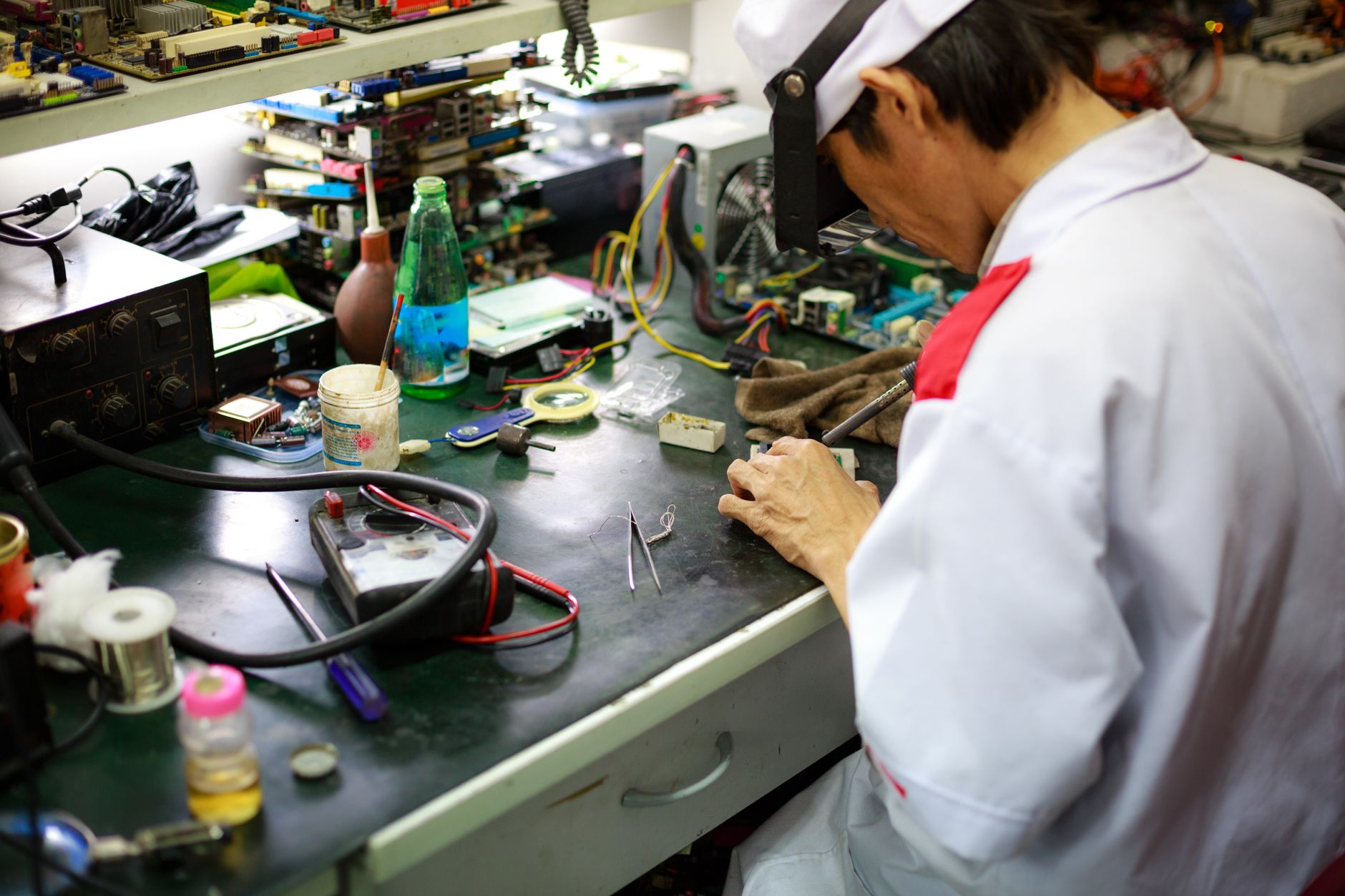
Usually, yes, but only for the narrow slice of bench work that repeats cleanly. A cobot is a strong fit when the process has a fixed start point, a predictable path, a stable part presentation method, and a clear pass or fail handoff to a technician. That makes repetitive screwdriving, bead dispensing, board or fixture loading, and test handling good candidates.
It is usually a poor fit for the part of rework that still depends on expert eyes and in-the-moment judgment. If the operator is hunting intermittent faults, deciding how much heat a fragile pad can take, or improvising around board-to-board variation, keep that work human. Automation helps most when it removes the repetitive minutes around the skilled repair, not when it tries to impersonate the repair technician.
That distinction matters because electronics benches are dense with small motions and expensive mistakes. According to the International Federation of Robotics, cobots represented 10.5% of industrial robot installations worldwide in 2023. The reason is not magic. It is that cobots tend to fit smaller-batch, people-adjacent processes where flexibility matters more than raw speed.
- Best fit: repetitive screwdriving on a fixed family of housings or subassemblies
- Best fit: repeatable adhesive, sealant, or thermal compound dispense
- Best fit: loading boards into fixtures, programmers, or test nests
- Best fit: unloading and sorting pass, fail, or rework units
- Weak fit: diagnosis-heavy solder touch-up and trace repair
- Weak fit: highly variable one-off repair with constant technician judgment
Which bench tasks earn automation first?
Start with the motions your technician would gladly stop doing tomorrow because they add fatigue, not insight. Appliance and electronics repair benches often have exactly that kind of work around the actual repair: remove covers, drive the same fasteners, dispense the same bead, place the board in the same fixture, wait for test, unload, label, repeat.
Screwdriving is often first because the process is binary in a useful way. The fastener must be picked, aligned, driven to torque, and confirmed. If the product family uses the same screw map across many units, the cobot can take over the wrist-heavy repetition while the technician handles fault isolation and final signoff.
Dispensing is another natural entry point. Rework benches commonly apply adhesive, sealant, conformal coat touch-up, or thermal interface material in small, repeatable quantities. A cobot will not rescue a bad material process, but it can make a good one more consistent.
Test handling also deserves more attention than it usually gets. Loading a board into a test fixture, closing a clamp, initiating a programmed sequence, unloading, and routing the unit onward is dull work that still demands consistency. BLS notes that electro-mechanical technicians test assemblies, use soldering equipment and handtools, and analyze test results. That split is useful. Let people interpret results. Let the robot handle the repetitive physical loop around the test.
- Screwdriving: repeatable path, torque confirmation, reduced wrist strain
- Dispensing: repeatable bead length, dot placement, or thermal paste application
- Fixture tending: place part, close fixture, trigger cycle, unload safely
- Programming or flashing stations: steady loading and unloading on defined part families
- Simple inspection handoff: present the unit to a camera or operator at a repeatable angle
When should rework stay manual?
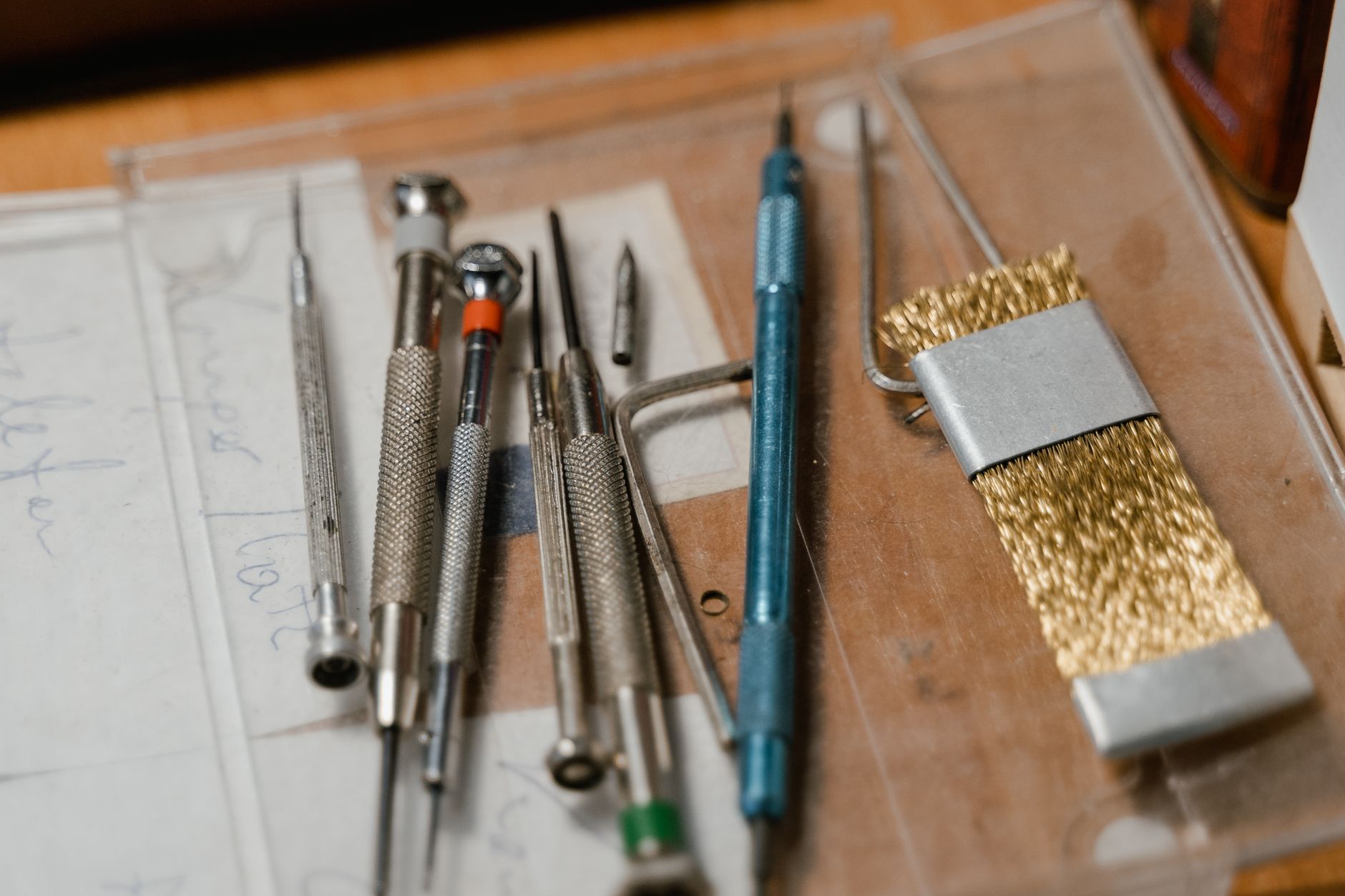
Keep the work manual when the real value lies in microscopic judgment. IPC's rework guidance exists for a reason. Rework, modification, and repair of electronic assemblies involve procedures, tools, materials, and methods that vary by component type, board condition, and defect mode. If the operator has to decide in real time how to rescue a lifted pad, whether a board is still economically recoverable, or how much localized heat is safe, you are not looking at a cobot-first process.
The same goes for mixed, unstable incoming condition. A bench that sees five board variants before lunch, inconsistent prior repairs, hand-soldered jumpers, or warped housings will spend more time on exception handling than on cycle execution. In that environment, forcing a cobot into the center of the process often creates a new bottleneck: fixturing and recovery.
A useful rule is simple. If your best technician cannot describe the task as a repeatable standard work sequence with defined tolerances, it is too early to automate the motion. Standardize the bench first. Automate second.
- Frequent board-to-board variation
- High-value repairs where scrap risk outweighs labor savings
- Tasks requiring microscope-based judgment and touch sensitivity
- Unstable or undocumented work instructions
- Low volume jobs with constant changeovers
What technical requirements matter more than the arm itself?
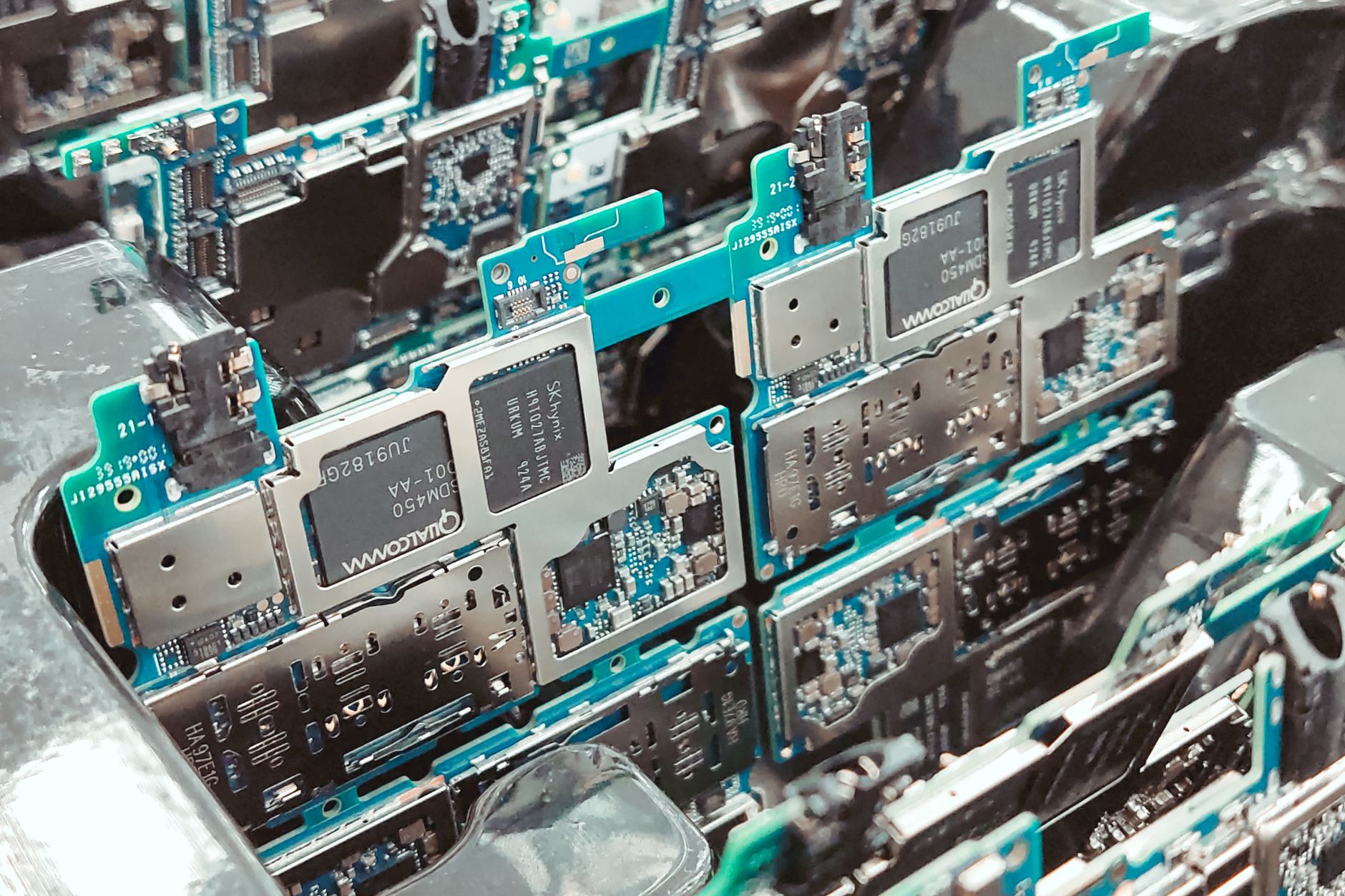
Buyers often over-focus on the robot and under-focus on the cell. On a rework bench, the cell is the product. The arm is only one component. The fixture, screw feeder, dispense package, test interface, camera strategy, ESD controls, and work instructions determine whether the project runs or stalls.
Part presentation is usually the first hidden issue. A cobot can repeat a taught path, but it cannot fix sloppy incoming orientation. If the board, housing, or fixture is not presented the same way each cycle, the process needs poka-yoke fixturing or vision before the arm does anything useful.
End-of-arm tooling is the second trap. Screwdriving needs the right bit retention, torque feedback, and screw presentation method. Dispensing needs pressure stability, purge control, and material handling that matches the fluid's actual behavior. Test handling may need compliance, soft-touch gripping, or precision placement into connectors and nests.
Then there is changeover. A good bench automation project survives product mix. If moving from board family A to board family B takes forty minutes of fiddling, the cell will sit idle. Buyers should favor recipes, quick-change nests, and operator-friendly recovery steps over impressive demo motion.
- Repeatable fixture design for every product family in scope
- Reliable part and fastener presentation
- Torque or process confirmation where needed
- Vision only where it solves a real alignment problem
- Operator recovery steps for jams, rejects, and changeovers
- Traceable process logging for regulated or warranty-sensitive work
How do safety and ESD change the buying decision?

A cobot does not eliminate safety engineering. OSHA's robot guidance is explicit that collaborative applications still require a task-specific hazard analysis and risk assessment. Shared-space operation is not a shortcut around integration discipline. The end effector, the fixture, the fastener tool, the workpiece edges, and the operator's hand positions all matter.
That is especially true on a bench where the robot may work close to a technician, a fixture lid, or a powered tool. According to OSHA, collaborative robot applications should answer whether a person truly needs to share the workstation, what safety functions are required, and how contact events are addressed. In other words, buy the application, not just the arm class.
Electronics benches add another layer. The EOS/ESD Association describes ANSI/ESD S20.20 as the cornerstone of an ESD control program, covering grounding, packaging, personnel grounding, and the broader control environment. If the cell handles static-sensitive assemblies, the automation design has to respect the same discipline as the manual bench. A fast robot in a sloppy ESD environment is just a faster way to create latent failures.
Ergonomics also belong in the business case. OSHA's assembly guidance notes that repetitive manual screwdriving and forearm rotation can contribute to elbow and wrist strain, and it specifically points to powered screwdrivers as a way to reduce repeated rotation. A cobot is not just a throughput play. In the right cell, it is also a fatigue-reduction tool.
- Require a task-based risk assessment before final equipment selection
- Check pinch points created by fixtures, bits, clamps, and covers
- Design the cell around your ESD program, not around a generic bench layout
- Validate handoff points where technicians enter the workspace
- Treat ergonomics as part of ROI, not a side note
What process data should a buyer collect before asking for quotes?
The fastest way to get a vague robot quote is to send a vague process description. Buyers get better proposals when they define the micro-process in measurable terms. That means not just naming the task, but describing the actual cycle, the product families, the failure modes, and the required confirmations.
For screwdriving, document screw count by unit, torque requirements, orientation problems, bit wear, and rework causes. For dispensing, capture material type, cure constraints, shot or bead consistency requirements, and cleanup pain points. For test handling, capture fixture cycle time, board variants, reject routing, and what happens when a unit fails. These details expose whether the bottleneck is motion, fixturing, or upstream process instability.
BLS counted 261,400 electrical, electronic, and electromechanical assemblers in 2024, and the occupation remains heavily tied to dexterity, hand tools, and repetitive tasks. That is exactly why bench-level automation decisions should be made with stopwatch data, not with broad automation slogans. A buyer who knows the seconds lost in each repetitive micro-step usually knows where the cobot belongs.
- Cycle time by subtask, not just by whole unit
- Daily and weekly volume by product family
- Exception rate and most common recovery events
- Fixture loading orientation and connector insertion difficulty
- Quality checks required at each handoff
- Operator touches that add no diagnostic value
Why the integrator matters as much as the hardware
Bench automation projects fail less often when one party owns the whole operating picture. On a rework bench, the arm, fixture, feeder, tooling, training, service response, and process validation are tightly connected. If each piece belongs to a different vendor, the buyer ends up arbitrating every downtime argument.
That is where Service Robot Co. fits naturally. Service Robot Co. is OEM-neutral and works as one full-service commercial robot integrator for US businesses. The company selects the right robot across manufacturers, then finances, deploys, integrates, trains, and services each unit through a nationwide US engineer network. According to its site, that network covers all 50 states, with 3,000 plus service engineers, 85 plus metros with closest-hub dispatch, 10-minute remote triage during business hours, and 24 by 7 emergency response.
For a buyer trying to automate one narrow bottleneck at a rework bench, that matters. The win is not buying a robot arm. The win is getting a working cell that handles the repetitive portion of repair work, stays inside your quality discipline, and keeps running after go-live.
- One partner for site assessment, cell design, and rollout
- Financing and deployment handled in the same program
- Integration with existing ERP, WMS, or local work instructions where needed
- Training for operators and bench leads, not just maintenance staff
- Nationwide service coverage for multi-site repair operations
Frequently asked questions
Sources
- International Federation of Robotics on cobot share
- BLS Occupational Outlook for assemblers and fabricators
- BLS Occupational Outlook for electro-mechanical technicians
- OSHA assembly ergonomics guidance
- OSHA hand and wrist ergonomic guidance
- OSHA robot safety technical manual
- IPC rework standards overview
- EOS-ESD Association overview of ANSI ESD S20.20